If you're waking up with a sore jaw, a dull morning headache, or teeth that suddenly feel more sensitive, you're not overreacting. Many people in Chattanooga and Cleveland, TN start with the same thought: "Did I sleep wrong?" Then it happens again. And again.
That pattern often points to nighttime clenching or grinding. A teeth grinding night guard can play an important role, but the right choice depends on what you're trying to fix. If your main issue is worn teeth, the answer may be different than if you're dealing with jaw pain, headaches, or poor sleep. That's why this should be treated as a dental diagnosis, not just a retail purchase.
Your Local Dentist for Teeth Grinding Relief in Chattanooga
A patient might come in and say, "My teeth look shorter," while another says, "I wake up feeling like I've been chewing all night." Someone else notices a cracked filling, tender jaw muscles, or pain near the temples by breakfast. These complaints sound different, but they often connect back to the same nighttime pattern.
In Chattanooga, TN, and nearby Cleveland, many adults search for a dentist near me after months of trying to ignore those symptoms. Some buy a guard at the pharmacy. Some switch pillows. Some assume stress is the whole story. Those steps are understandable, but they don't tell you whether you're dealing with simple tooth wear, jaw joint strain, daytime clenching, or a sleep-related issue that deserves a closer look.
The problem patients notice first
Bruxism usually doesn't announce itself clearly. It shows up as side effects:
- Morning jaw soreness that fades later in the day
- Headaches after sleep that seem unrelated to a cold or sinus pressure
- Tooth sensitivity when drinking something hot or cold
- Chipped edges or flattening on teeth
- Tender facial muscles around the cheeks or temples
- Broken dental work such as a filling, crown, or veneer
Some people notice one symptom. Others have several at once. The confusing part is that the damage to the teeth and the discomfort in the muscles don't always rise at the same pace.
Practical rule: If your bite feels different in the morning than it does at night, your jaw is giving you useful information.
Why local diagnosis matters
A well-made appliance can help protect your smile, but only after someone identifies what needs protection and why. That's especially true if you already have crowns, veneers, implants, or a history of TMJ symptoms. It also matters if you're looking for an emergency dentist because a cracked tooth or broken restoration may be the first sign that clenching has been active for a long time.
For patients searching for a dentist in Chattanooga, TN or dentist near me, the most helpful next step is an exam that looks at your teeth, bite, jaw muscles, existing dental work, and sleep-related symptoms together. That kind of evaluation gives you a clear plan instead of another guess.
What is Nighttime Teeth Grinding or Bruxism
You wake up, your teeth look the same in the mirror, but your jaw feels like it worked an overnight shift. That pattern often points to bruxism, the dental term for clenching or grinding your teeth, usually during sleep and often without you knowing it.
Sleep bruxism is considered a sleep-related movement behavior, and the Sleep Foundation explains sleep bruxism and its common signs in plain language. In everyday terms, your teeth and jaw muscles stay active when they should be resting. Some people press their teeth together with heavy force. Others slide them side to side. Many do both.
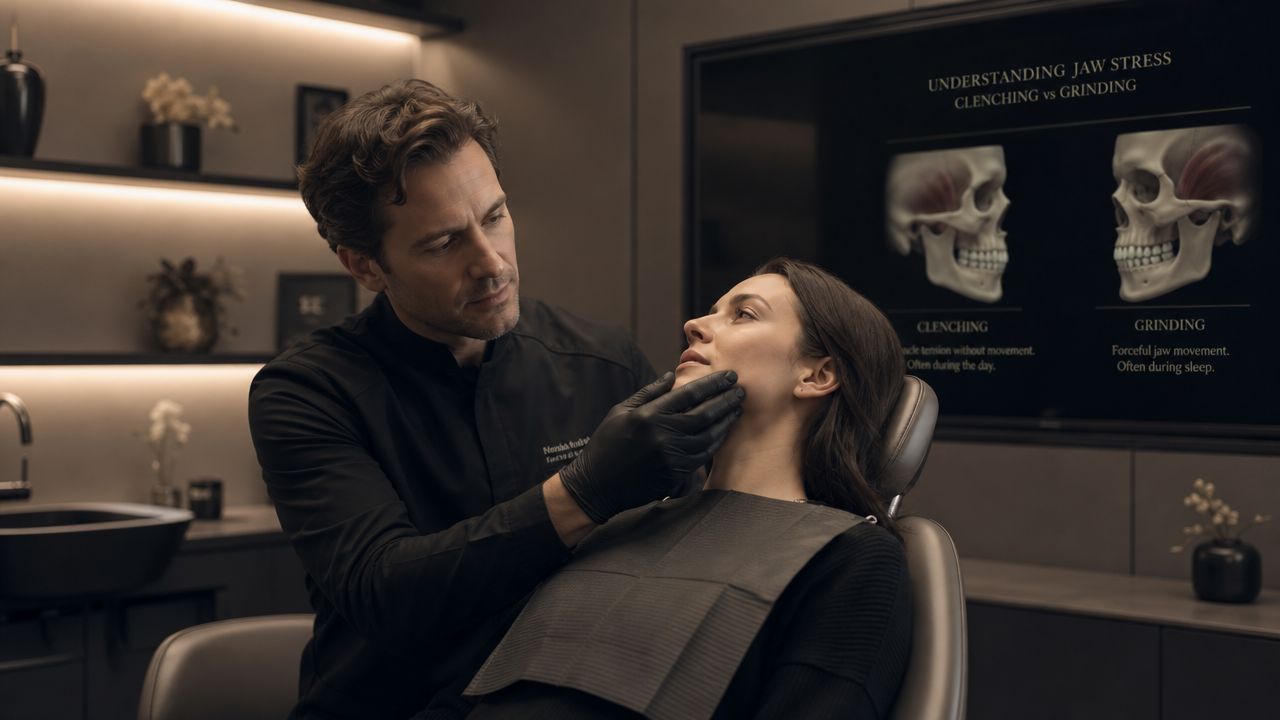
Clenching and grinding are related, but they leave different clues
Clenching is sustained pressure.
Grinding is pressure plus movement.
That difference matters. A patient who mainly clenches may complain more about tired jaw muscles, morning tightness, or headaches near the temples. A patient who mainly grinds may show more wear on the chewing edges of the teeth. The mouth gives us hints, but the pattern is not always obvious without an exam.
Bruxism can also overlap with other issues. Jaw joint strain, bite changes, damaged dental work, stress, and poor sleep can all be part of the picture. That is one reason a night guard should be chosen like a treatment, not picked like a mouthpiece off a store shelf.
The symptom you want to solve should guide the plan
If your main concern is tooth wear, the goal is usually to protect enamel and dental work from repeated force.
If your main concern is jaw pain, we have to look more closely at muscle tension, joint irritation, and whether an appliance would calm or aggravate the way your bite meets.
If your main concern is morning headaches, we also need to consider whether clenching is the whole story or just one part of it.
That is why the first step at Winn Smiles is a consultation. We examine the teeth, the bite, the jaw muscles, and the joint area together. The right answer depends on what your mouth is trying to tell us. For some patients, a guard mainly protects teeth. For others, the design, thickness, and fit matter just as much because comfort and muscle response are part of the problem.
If these patterns sound familiar, our guide on how to stop grinding teeth at night can help you understand what to watch for before your visit.
Why it happens is not always simple
Stress is one possible factor, but it is not the only one. Sleep quality, airway issues, medications, caffeine, alcohol, and bite-related strain can all play a role. Sometimes bruxism is the main condition. Sometimes it is more like an alarm bell, showing up alongside another problem that needs attention.
Patients who want to read more about addressing nocturnal teeth grinding often find that helpful, but reading alone cannot tell you which type of appliance fits your symptoms.
A night guard can create a protective barrier between the teeth. It cannot, by itself, diagnose why the clenching or grinding started. That diagnosis is what brings peace of mind and helps us choose the option that fits your symptoms.
A Guide to Different Types of Night Guards
A night guard is not one single product. It is a category of appliances, and the right choice depends on what problem you are trying to solve while you sleep.
If your teeth are flattening or chipping, your mouth needs dependable protection. If you wake up with sore jaw muscles, a bulky guard can make a bad night feel longer. If headaches are part of the picture, a guard may help protect the teeth, but it may not be the full answer. That is why choosing a night guard should feel more like a medical decision than a trip down the pharmacy aisle.
Stock guards from the store
A stock guard comes pre-made in a few standard sizes. You wear it as it comes out of the package.
The appeal is obvious. It is fast, inexpensive, and easy to find. The downside is just as clear. A guard that is not shaped to your teeth can slide around, feel thick, and make it harder to keep your jaw in a comfortable resting position.
For a patient who needs a very short-term barrier before a dental visit, a stock guard may be better than nothing. It is rarely the best answer for ongoing tooth wear, jaw strain, or nightly use.
Boil-and-bite guards
Boil-and-bite guards soften in hot water and are molded at home. They usually fit more closely than stock guards, which is why many patients try them first.
The challenge is consistency. If the material folds, cools too quickly, or molds unevenly, one side may feel higher than the other. A small difference can matter. Your bite works like a door hinge. If the hinge is off, even a little, the muscles around it may notice all night long.
Some patients do reasonably well with this type for temporary use. Others find that the guard loosens, feels rough, or creates new soreness they did not have before.
Custom-fitted guards
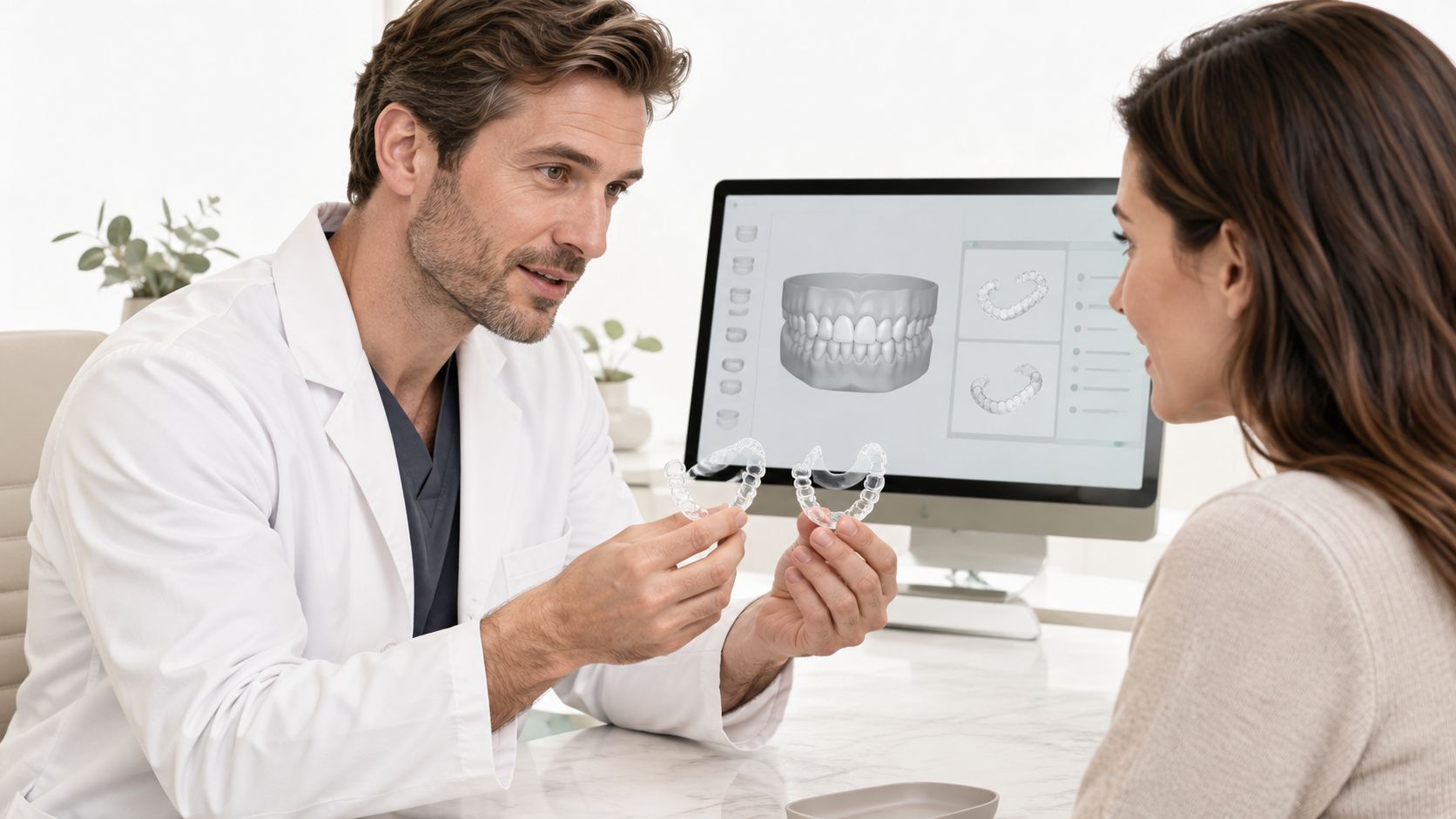
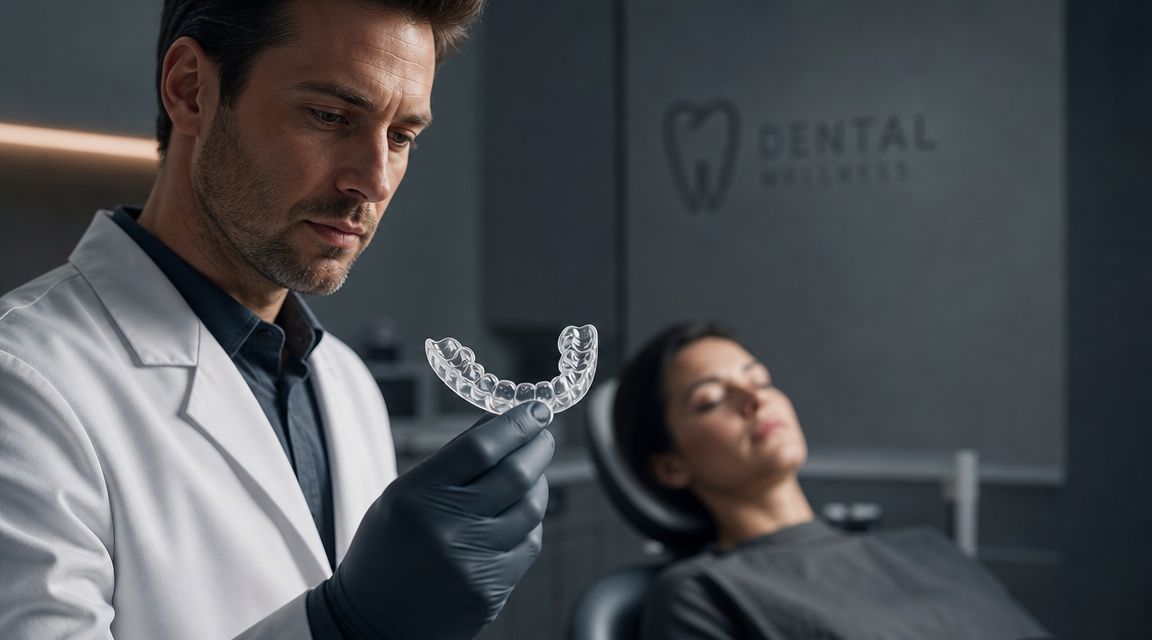
A custom-fitted guard is made from a scan or impression of your teeth. That allows the appliance to match the shape of your bite much more closely.
Design matters here. Material, thickness, and the way the teeth come together on the guard can all affect comfort and wear. The Cleveland Clinic's overview of mouth guards for teeth grinding explains that dentists may recommend a custom mouth guard when grinding is causing symptoms or damage, because a professionally made appliance is fitted to your mouth rather than adapted at home.
That difference matters most when the goal is specific. A patient with worn enamel may need durability. A patient with jaw pain may need a guard that feels stable and does not add strain. A patient with morning headaches may need an exam first to learn whether grinding is the full story.
Night Guard Comparison Chart
| Feature | Stock (OTC) | Boil-and-Bite (OTC) | Custom-Fitted (Winn Smiles) |
|---|---|---|---|
| Fit | Generic fit | Semi-adapted at home | Made to your teeth |
| Comfort | Often bulky | Varies by molding result | Usually more balanced and secure |
| Protection | Limited by movement and shape | Better than stock for some users | Designed around your bite and symptoms |
| Durability | Often lower | Moderate, but variable | Typically stronger and more consistent |
| Best use | Short-term stopgap | Temporary home option | Ongoing protection and guided care |
| Main limitation | Slips easily | Inconsistent molding | Requires dental visit |
Cost matters, but symptoms should lead the decision
Store guards usually cost less up front than a professionally made appliance. The American Dental Association notes in its patient guidance on mouthguards and night guards that over-the-counter options are available, while custom devices are made by a dentist for a more exact fit.
That price difference is real, but it does not tell you which option is right for your mouth. A patient trying to prevent more tooth wear may compare durability first. A patient trying to calm jaw pain may care more about stability and bite balance. A patient with headaches may need a dentist to sort out whether the source is grinding, joint strain, sleep issues, or a mix of factors.
At Winn Smiles, that is the point of the consultation. We start with the symptom, examine what is causing it, and then recommend the type of guard, if any, that fits the problem.
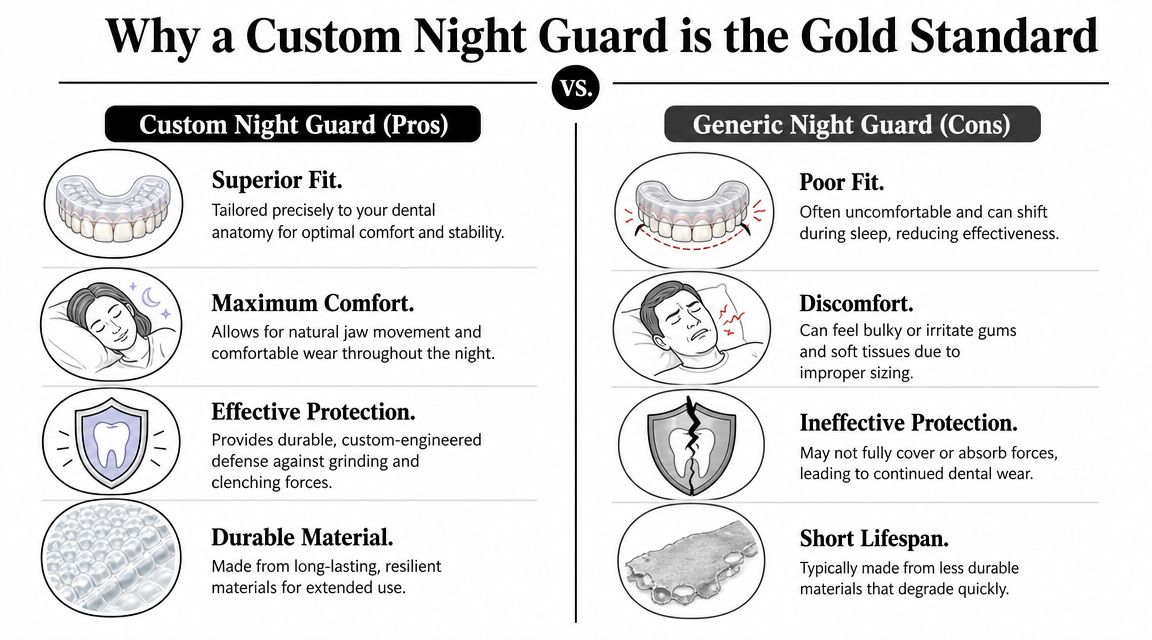
Why a Custom Night Guard is the Gold Standard
You wake up with one main complaint, not three. Maybe your front teeth are flattening. Maybe your jaw feels tired by breakfast. Maybe the headache starts before coffee. That starting point matters, because the right night guard is chosen to solve the problem you have.
Match the guard to the problem
A night guard protects teeth and dental work. It does not automatically fix the reason you are clenching or grinding. Delta Dental's patient guidance on occlusal mouth guards explains that these appliances are used to reduce damage and that different materials may suit different levels of bruxism.
That is why a custom appliance is the gold standard. The choice is not custom versus store-bought. The better question is, what are we trying to protect or calm?
If tooth wear is the main concern, durability usually moves to the top of the list. If jaw pain is the problem, fit and bite stability matter more because an appliance that shifts or seats unevenly can feel irritating night after night. If headaches are the symptom, a guard may help, but the headache pattern may also point to joint strain, muscle tension, sleep issues, or more than one cause at the same time. In that situation, buying a guard off a shelf turns a health decision into a shopping decision.
Material and design change how a guard feels
Guard design affects comfort in a very practical way. A soft guard may feel gentler at first. A hard acrylic guard may provide a more controlled biting surface for heavier grinders. Some appliances use layered materials with a softer inside and a stronger outside, as described in this bite splint overview from Glidewell.
A simple way to picture it is a shoe insert. One size might be wearable, but support changes when it is shaped for your foot and your pressure points. A night guard works the same way in the mouth. Small differences in thickness, material, and how the teeth meet can change whether the appliance feels calming or annoying.
If a guard feels like a random plastic tray, it probably was not selected for the way your teeth and jaw function together.
Why custom matters when you have dental work to protect
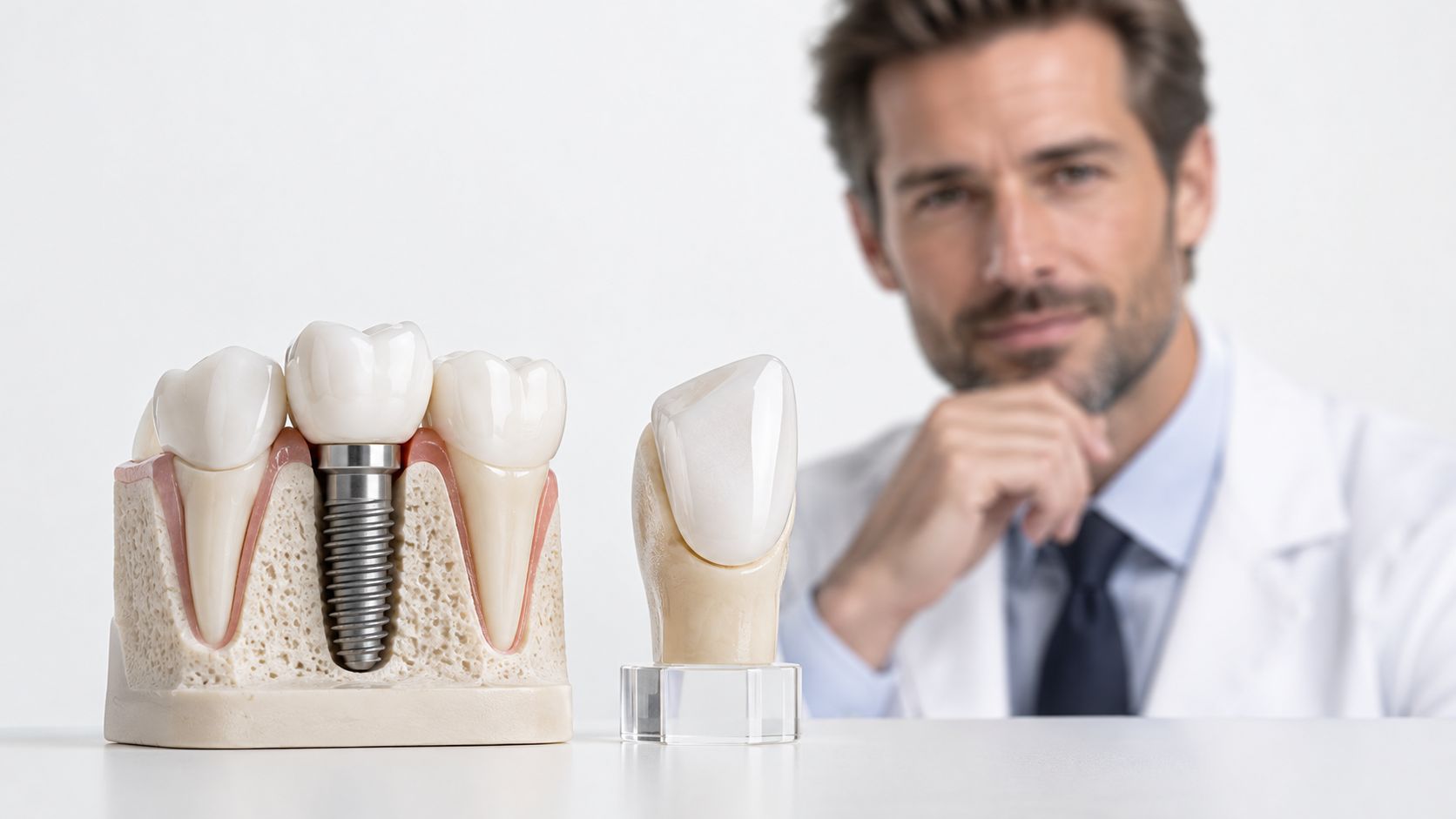
Custom fit becomes even more important if you already have crowns, veneers, implants, fillings, or bonded edges. Those teeth are not all carrying force in the same way, and a guard should account for that. The goal is controlled protection, not just putting a layer of plastic between the teeth.
At Winn Smiles, that is why the recommendation starts with an exam and your main symptom. A patient trying to slow tooth wear may need one design. A patient trying to reduce jaw soreness may need another. A patient with morning headaches may need a fuller evaluation before any appliance is chosen. That approach gives patients something better than a product. It gives them a diagnosis and a plan.
The Winn Smiles Process for Your Custom Night Guard
Most patients feel better once they understand the process. Getting a custom night guard doesn't have to feel complicated or messy.

Step one is diagnosis, not guessing
The first appointment focuses on what you're feeling and what your teeth are showing. That means looking for wear patterns, checking existing dental work, discussing headaches or jaw pain, and asking whether symptoms point toward simple bruxism or something broader.
This is also where patients often mention related concerns like sensitivity, broken fillings, or interest in cleaning and exams, dental x-rays, or a new patient exam because they haven't had a full check in a while. Those details help shape the recommendation.
Digital records make the process easier
If a custom appliance is the right next step, the records are usually straightforward. Modern practices often use digital scanning rather than old-fashioned impression material, which means no bulky trays and less discomfort for patients with a strong gag reflex.
The benefit isn't only comfort. A precise digital record helps the lab produce an appliance that fits more closely and seats more predictably.
The appliance is checked in the mouth, not just handed over
When your guard is ready, the fitting visit matters. The appliance should seat properly, feel stable, and work with your bite rather than fighting it. Patients also need clear instructions on when to wear it, how to clean it, and what to expect during the adjustment period.
For a look at a comfort-focused dental environment, this short video gives helpful context:
Follow-up protects the investment
A night guard isn't a one-time retail purchase you forget in a drawer. It should be checked during future visits, especially if your bite changes, the material shows wear, or your symptoms shift from tooth damage to jaw discomfort.
That follow-up also matters if you're considering other care such as same-day crowns, tooth extraction, dental implants near me, or emergency dentist services after a fractured tooth. The guard becomes part of a larger plan to preserve comfort and function.
Alternatives and Comprehensive Bruxism Care
A night guard is often part of treatment, but it isn't the whole conversation. Some patients need protection for the teeth. Others need a wider look at the jaw joints, sleep quality, or existing restorations.

When the main symptom isn't tooth wear
If your main complaint is jaw pain, facial soreness, or waking headaches, the right appliance may be different from what you'd choose for worn enamel alone. Cleveland Clinic notes that mouth guards can also be used for snoring and obstructive sleep apnea, and that custom-fitted guards can protect implants, crowns, and bridges. Their guidance also raises an important clinical point: symptoms like snoring or waking headaches can justify a dentist-led evaluation for sleep apnea rather than self-treating with an OTC guard. You can read that in Cleveland Clinic's overview of mouthguards.
For patients wondering whether sleep breathing issues may be part of the problem, this article on dental mouthguard for sleep apnea is a helpful place to start.
A broader care plan may include more than an appliance
Some people benefit from changes beyond the guard itself:
- Stress awareness: Daytime clenching often carries into sleep.
- Sleep review: Snoring, poor rest, and morning headaches deserve attention.
- TMJ-focused care: Jaw joint symptoms may need a different appliance strategy.
- Protection for dental work: Implants, crowns, and cosmetic restorations may need a more deliberate design.
Good sleep habits also matter. If you're trying to improve your nighttime routine overall, resources on luxury sleep essentials for a discerning journey can support the comfort side of the equation while dental care addresses the oral side.
Better sleep and better dental protection often work together. One doesn't replace the other.
Your Night Guard Questions Answered
How should I clean my night guard
A night guard sits against your teeth and gums for hours at a time, so daily cleaning matters. Rinse it after you take it out, brush it gently with a soft toothbrush, and let it air-dry before it goes back in its case. Skip hot water, because heat can change the shape of some materials and turn a guard that fit well into one that feels off.
Bring it to your dental visits, too. A guard can look fine at home but still show early wear, tiny cracks, or bite changes that your dentist can spot quickly.
How long will it last
There is no single timeline. Someone who lightly clenches may use the same guard much longer than a patient who grinds hard enough to flatten chewing edges or chip dental work.
Your night guard works like the tread on a tire. The harder the force and the more often it happens, the faster it wears down. If it starts to feel loose, rough, thinner in spots, or different when you bite, it is time to have it checked.
Will insurance help cover it
Sometimes, yes. Coverage depends on your dental plan and how the appliance is categorized. Many plans help when a dentist documents tooth wear, muscle strain, or other signs that the guard is being used to treat a real problem rather than as a convenience item.
The exact out-of-pocket cost also varies by material, design, and whether your symptoms point to a simple protective guard or a more specific appliance. That is one reason a consultation matters. The right question is not only, "What does a night guard cost?" It is, "What problem are we trying to solve?"
Should I just buy one online first
That depends on the symptom that is bothering you most.
If your main concern is mild tooth wear, a temporary store-bought option may hold you over briefly. If your bigger problem is jaw pain, morning headaches, sore chewing muscles, broken crowns, or popping in the joint, an exam should come first because those symptoms can call for a different design, or a different treatment entirely. For another clinical perspective, this guide to finding a Tampa dentist for jaw problems shows how dentists sort through these complaints.
That is the part patients often miss. A night guard is not just something to buy. It is something to match to the cause.
What if I also want other dental care
That is common. A patient may come in thinking they only need a guard, then learn the grinding has already affected fillings, crowns, gum health, or the shape of the teeth.
At Winn Smiles, the first step is figuring out whether your main goal is protecting worn teeth, calming jaw tension, or reducing headache-related strain. Once that is clear, your dentist can recommend the next step in a way that fits the whole picture, whether that includes a guard, repair of damaged teeth, or a closer look at how your bite is working.
If you are waking up with tight jaws, sensitive teeth, or a smile that seems to be wearing down, a careful exam can bring real peace of mind. It helps you choose the right treatment for your symptoms, not just the first product on a shelf.