Full Mouth Dental Implants Cost: What You Need to Know Before You Commit
Smiling should feel natural, not stressful. Yet, for millions of people dealing with extensive tooth loss or uncomfortable dentures, the simple act of smiling or eating a meal can be a source of anxiety. Full mouth dental implants offer a transformative solution, providing a permanent, stable, and aesthetically pleasing alternative to traditional dentures. However, the decision to undergo this procedure often hits a significant roadblock: the cost.
Understanding the financial commitment required for full mouth dental implants is just as important as understanding the medical procedure itself. The price tag can vary wildly depending on your unique anatomy, the materials chosen, and the expertise of your dental team. It is a significant investment, often comparable to buying a new car, but the return on investment is a restored quality of life.
This guide breaks down every aspect of the with full mouth dental implants cost. We will explore the factors that drive the price up or down, look at financing options, and explain exactly what you are paying for when you choose to restore your smile.
Understanding the Basics of Dental Implants
To understand the bill, you first need to understand the product. A dental implant isn't just a fake tooth; it is a sophisticated medical device designed to mimic the structure of a natural tooth root.
What are Full Mouth Dental Implants?
Unlike a single implant that replaces one missing tooth, full mouth dental implants are designed to replace an entire arch of teeth (upper, lower, or both). This doesn't necessarily mean you need an implant for every single missing tooth.
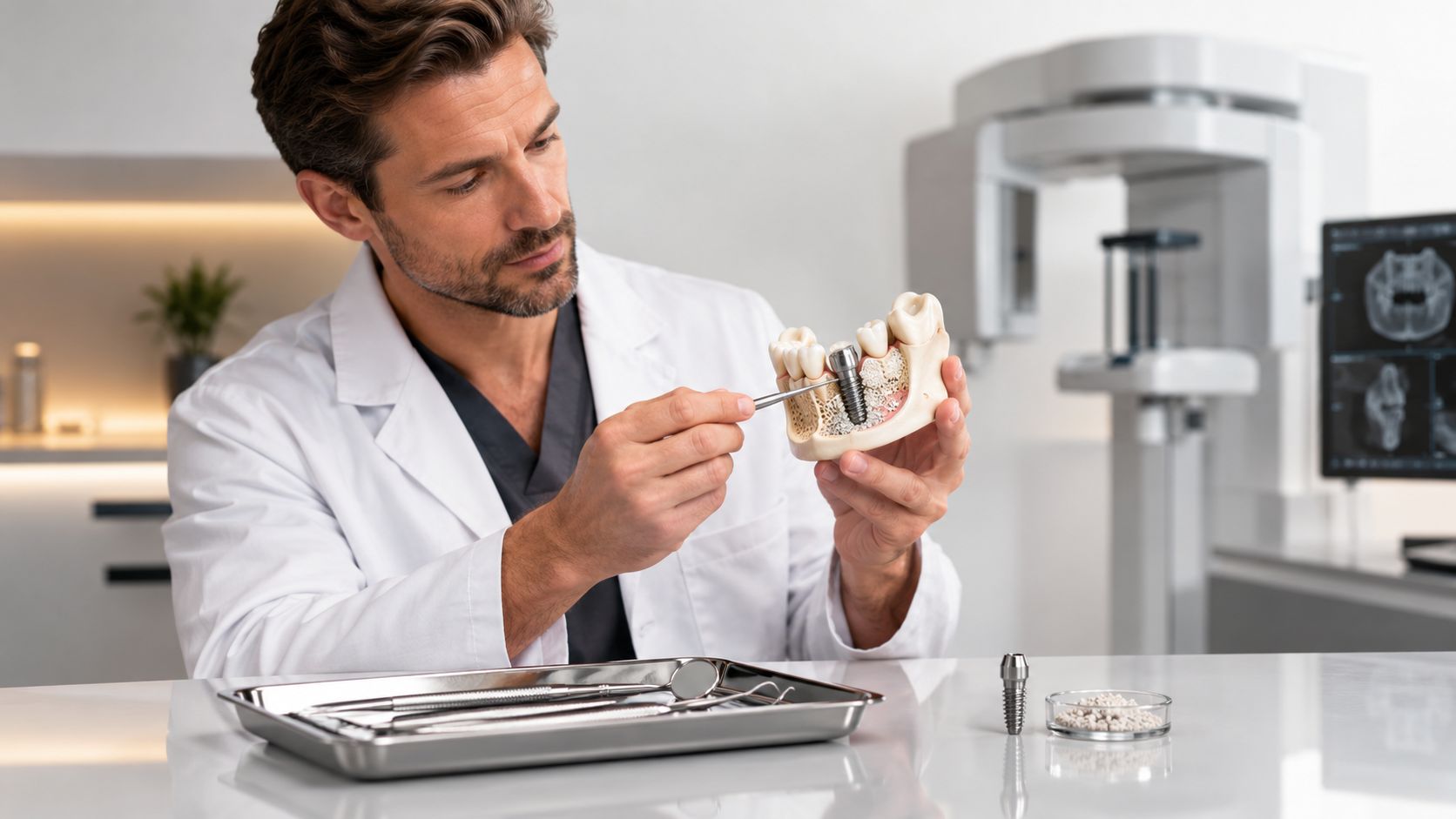
Using techniques often referred to as "All-on-4" or "All-on-6," a dentist can surgically place four to six titanium posts into the jawbone. These posts act as anchors. Once integrated with the bone, a full bridge of prosthetic teeth is permanently fixed to these anchors. The result is a full set of teeth that do not slip, click, or require removal for cleaning.
Benefits of Full Mouth Dental Implants
While the cost is higher than traditional dentures, the benefits are distinct:
- Bone Preservation: Implants stimulate the jawbone, preventing the bone loss that typically occurs after tooth extraction. This helps maintain your facial structure and prevents the "sunken" look associated with long-term denture use.
- Functionality: You can eat crunchy, chewy, and tough foods without worry.
- Maintenance: They are cared for much like natural teeth, with brushing and flossing.
- Confidence: The psychological benefit of having secure teeth is immeasurable.
Factors Affecting the Cost of Full Mouth Dental Implants
You might see advertisements for implants at a specific low price, only to find the actual quote is much higher. This is because no two mouths are the same. Several variables influence the final price.
Materials Used
The quality of the materials plays a massive role in the bottom line.
- The Implants: The screws placed in the jaw are typically made of medical-grade titanium or zirconia. Titanium is the industry standard due to its durability and ability to fuse with bone, while zirconia is a metal-free alternative that may cost more.
- The Prosthetic Arch: The visible teeth can be made from acrylic, porcelain, or zirconia. Acrylic fused to titanium is often the most affordable option, but it may wear down over time. Solid zirconia bridges are the gold standard for durability and aesthetics, mimicking natural enamel perfectly, but they command a premium price.
Technology and Techniques
Modern dental implant surgery is a high-tech endeavor. Advanced clinics utilize 3D Cone Beam CT scanners to map your jawbone and nerves precisely. Some use computer-guided surgery to place implants with sub-millimeter accuracy. While this technology increases the overhead cost for the clinic—and the price for the patient—it significantly reduces recovery time and surgical risks.
Anesthesia and Sedation
Patient comfort is paramount during oral surgery. Local anesthesia is standard, but full mouth reconstruction is a lengthy procedure. Many patients opt for IV sedation or general anesthesia to "sleep" through the surgery. The presence of an anesthesiologist and the necessary monitoring equipment adds a separate line item to your bill.
Consultation and Planning
Before a single instrument touches your mouth, hours of planning occur. The dental team analyzes your bite, smile line, and facial aesthetics. This "smile design" phase ensures that your new teeth look natural and function correctly. The expertise required for this planning is a key component of the cost.
Procedure and Complexity
If you have been missing teeth for a long time, you may have suffered bone loss. In these cases, you might require bone grafting or sinus lifts to create a solid foundation for the implants. You may also need extractions of remaining compromised teeth. Each of these preparatory surgeries adds to the complexity and cost of the treatment plan.
Aftercare and Maintenance
The relationship with your dentist doesn't end when the surgery is over. Post-operative checkups, adjustments to the temporary teeth, and the final fitting of the permanent bridge are all part of the process. Long-term, you will need professional cleanings to ensure the gums around the implants stay healthy.
Geographic Location
Just as housing costs vary by city, so do dental costs. Clinics in major metropolitan areas with higher rents and operational costs generally charge more than those in rural areas.
Choosing the Right Clinic: Why Winn Smiles?
Perhaps the biggest factor in the success of your implants is the skill of the provider. Bargain shopping for surgery can lead to complications, implant failure, and expensive corrective work later.
At Winn Smiles, the focus is on precision and patient-centric care. Choosing a clinic like Winn Smiles means you are paying for experience and peace of mind. Their team utilizes state-of-the-art diagnostic tools to ensure your treatment plan is tailored specifically to your anatomy, minimizing risks and ensuring a result that looks and feels natural. When evaluating quotes, remember that you are paying for the surgeon's judgment and the clinic's safety standards, not just the hardware.
Cost Breakdown
To help you understand the quote you receive, here is a typical breakdown of the fees involved.
Initial Consultation and Examination Fees
This includes the dentist's time to evaluate your oral health, discuss your goals, and determine if you are a candidate for implants.
Imaging and Diagnostics Fees
High-resolution 3D scans (CBCT) and digital X-rays are necessary to map the bone structure and nerves. These images are the roadmap for your surgery.
Implant Placement Surgery Fees
This covers the surgical facility, the sterilization of instruments, the surgical team's time, and the actual placement of the titanium posts into the jaw.
Abutment and Crown Fabrication Fees
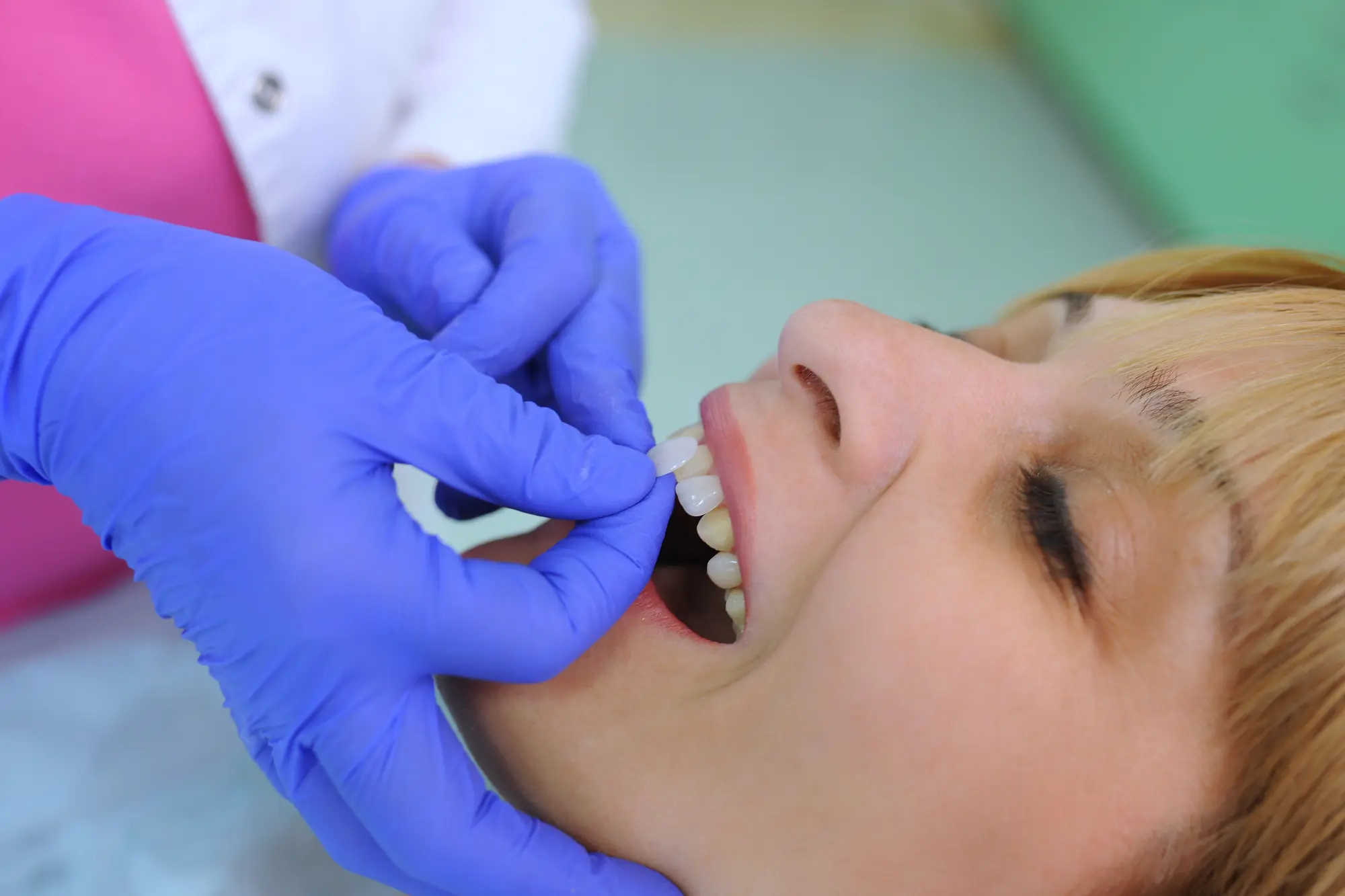
This is often the most expensive part. It involves the dental lab technicians who artistically craft your new teeth. You are paying for the materials (zirconia, porcelain) and the labor of skilled artisans who ensure the teeth match your desired shade and shape.
Follow-Up Care Fees
This includes the appointments to remove sutures, check healing, and adjust the bite.
Additional Costs
Be prepared for potential "hidden" costs, such as:
- Bone Grafting: Material used to build up the jawbone.
- Membranes: Used to hold the graft in place.
- Provisional Teeth: A temporary set of teeth you wear while your implants heal (osseointegration), which can take several months.
Financing Options
Given that full mouth dental implants can cost tens of thousands of dollars, paying upfront is not feasible for everyone. Fortunately, there are several ways to manage the expense.
Dental Insurance
Most standard dental insurance plans have an annual maximum benefit, often between $1,000 and $2,000. While this won't cover the entire procedure, it may cover parts of it, such as extractions, X-rays, or anesthesia. Some plans are beginning to offer specific coverage for implants, so review your policy carefully.
Payment Plans
Many clinics, including Winn Smiles, understand the financial burden and may offer in-house payment structures. These plans break the total cost into manageable monthly installments over the course of the treatment.
Third-Party Financing
Companies like CareCredit or LendingClub specialize in healthcare financing. They offer loans specifically for medical and dental procedures, often with interest-free introductory periods. This allows you to get the procedure immediately and pay it off over 12 to 60 months.
Maximizing Your Investment in Full Mouth Dental Implants
Since you are making a significant financial commitment, you want to ensure your investment lasts a lifetime.
Preparing for the Procedure
Preparation can reduce the risk of complications. If you smoke, quitting is the single most important thing you can do. Smoking severely inhibits blood flow and can prevent the implants from fusing with the bone, leading to failure. Additionally, getting any underlying gum disease under control before surgery is essential.
Maintaining Your Implants
Implants can't get cavities, but they can get peri-implantitis—a form of gum disease that attacks the bone and tissue around the implant.
- Daily Hygiene: Use a soft-bristle electric toothbrush and a water flosser. Standard floss can be difficult to use around a full bridge, so water flossers are often recommended.
- Professional Cleanings: Visit your dentist or hygienist regularly. They use special tools to clean around the implants without scratching the titanium or zirconia surfaces.
- Night Guards: If you grind your teeth, investing in a custom night guard protects the porcelain or zirconia from chipping under pressure.

Common Questions and Concerns
Am I a Candidate for Full Mouth Dental Implants?
Most adults with missing teeth are candidates. However, you need sufficient bone density to support the implants. If you have severe bone loss, you may still be a candidate, but you might require bone grafting first. Uncontrolled diabetes or active gum disease may need to be managed before surgery proceeds.
How Long Do Full Mouth Dental Implants Last?
The titanium implant screws are designed to be permanent and can last a lifetime with proper care. The prosthetic teeth (the bridge) may suffer wear and tear over decades and might need repair or replacement after 15 to 20 years, depending on the material used and your bite force.
What is the Recovery Process Like?
Most patients are surprised to find the pain is manageable. You can usually return to work within a few days to a week. However, complete healing—where the bone fuses to the implant—takes 3 to 6 months. During this time, you will likely be on a soft-food diet to avoid disturbing the implants.
Are There Alternatives to Full Mouth Dental Implants?
Yes. The most common alternatives are:
- Traditional Dentures: The most affordable option, but they sit on the gums, can slip, and do not preserve bone.
- Implant-Supported Dentures (Snap-On): These use fewer implants (usually two) to anchor a removable denture. They are cheaper than fixed full mouth implants and offer better stability than traditional dentures, but they must still be removed for cleaning.
Final Thoughts on Full Mouth Dental Implants
Investing in full mouth dental implants is a significant decision. It requires balancing the upfront cost against long-term benefits like improved health, confidence, and comfort. While the price may seem high, understanding the breakdown and financing options can make it more manageable.
Ultimately, you're not just paying for new teeth, but for the freedom to eat, laugh, and smile without hesitation.
Ready to see how full mouth dental implants can transform your life? A generic quote won't capture your unique needs. Contact Winn Smiles today to schedule a consultation. Their team will provide a comprehensive exam and a detailed cost breakdown, helping you make the best decision for your future smile.
Winn Smiles - Cleveland
https://maps.app.goo.gl/T2WzhZS2SUre9taH6
148 Stuart Crossing NW, Cleveland, TN 37312, United States
(423) 529-5241
https://www.winnsmiles.com/