How Much Do Dental Implants Cost Compared to Other Tooth Replacement Options?
Losing a tooth changes everything. It alters the way you smile in photos, how you chew your favorite foods, and even how you speak. When you finally decide to address the gap in your smile, the first hurdle is often the overwhelming number of options. Bridges, dentures, partials, implants—the terminology alone is enough to make anyone’s head spin.
But for most patients, the decision ultimately comes down to one major factor: cost.
There is a common perception that dental implants are prohibitively expensive luxuries reserved for the wealthy, while dentures or bridges are the sensible, budget-friendly choices. On the surface, the initial price tags support this theory. However, the true cost of tooth replacement isn't just about the check you write on day one. It involves maintenance, longevity, oral health consequences, and potential replacement costs down the road.
Understanding the financial landscape of restorative dentistry requires looking beyond the sticker price. By breaking down the short-term and long-term expenses of each option, you can make a decision that protects both your smile and your wallet.
An Overview of Dental Implants
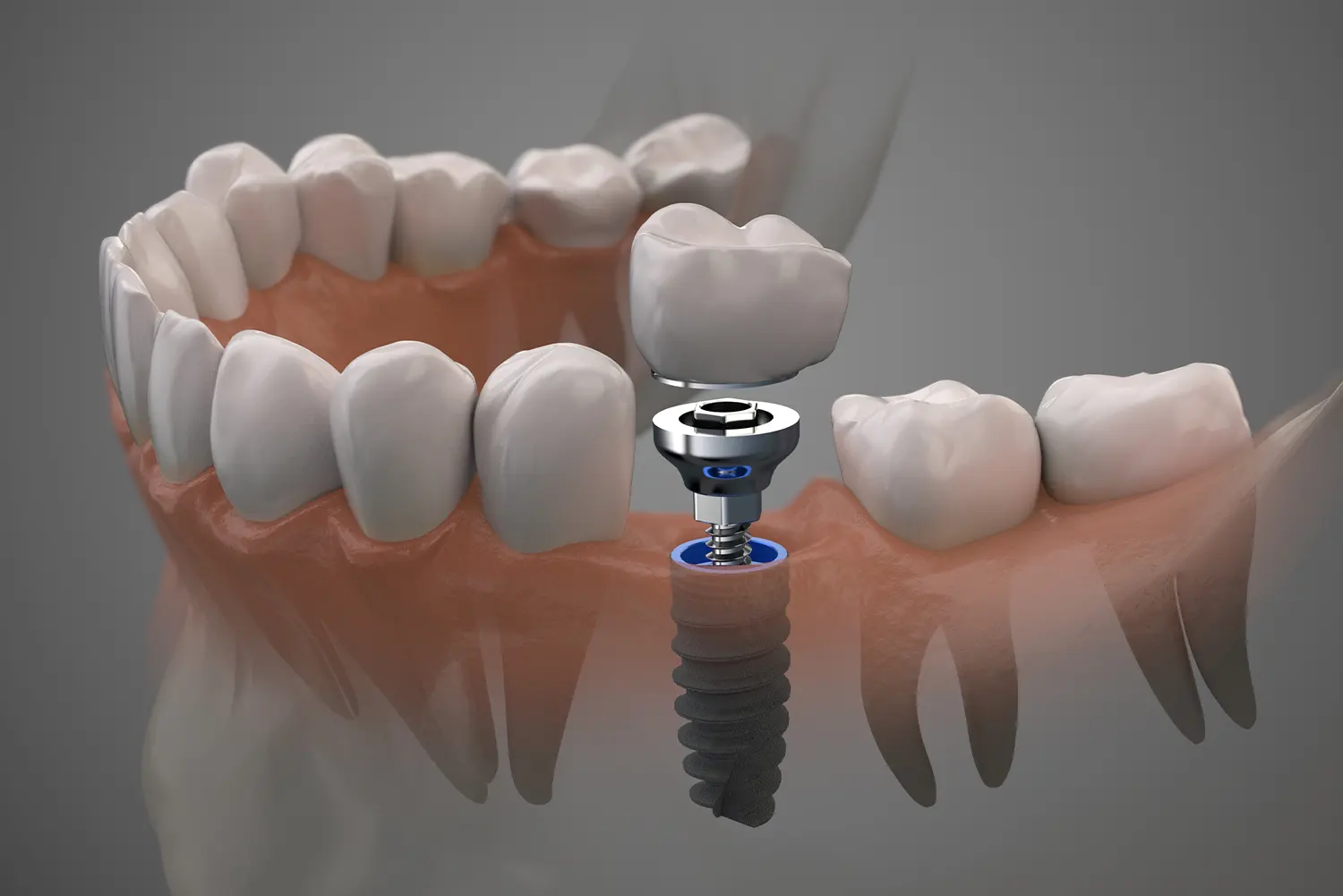
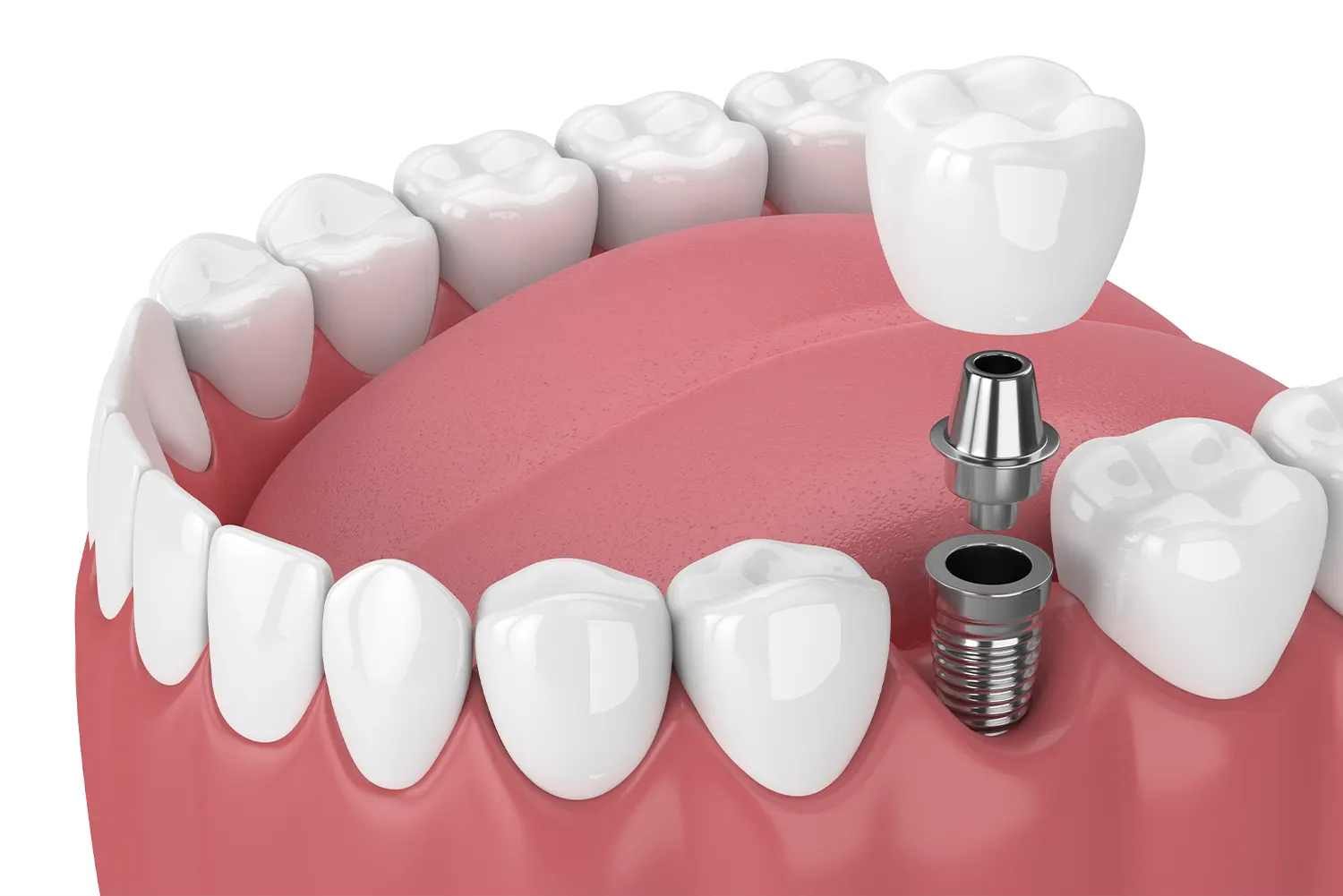
To understand the cost, you first have to understand what you are paying for. Unlike other replacement options that sit on top of the gums or rely on neighboring teeth for support, a dental implant is a complete restoration of the tooth, from root to crown.
The procedure typically involves three main components:
- The Implant Post: A screw, usually made of titanium or zirconia, is surgically placed into the jawbone. It acts as an artificial root.
- The Abutment: A connector piece is placed on top of the implant post to hold the tooth in place.
- The Crown: The visible, white part of the tooth that looks and functions like a natural tooth.
Because this process involves surgery and high-grade biocompatible materials, the baseline cost is naturally higher than non-surgical alternatives. You aren't just buying a false tooth; you are paying for a medical procedure that integrates a prosthetic into your body's skeletal structure.
Why Does the Price Vary So Much?
If you search for "dental implant cost" online, you will likely find a frustratingly wide range of numbers. One source might say $1,500, while another says $5,000 per tooth. This variance exists because no two mouths are identical. Several variables influence the final quote:
- Bone Density: Implants need a solid foundation. If you have experienced bone loss due to waiting too long to replace a tooth, you may require a bone graft before the implant can be placed. This additional procedure adds to the cost.
- The Number of Teeth: Replacing a single tooth is straightforward. Replacing a full arch using the "All-on-4" method is a more complex and expensive undertaking, though it is often more cost-effective per tooth than replacing every single tooth individually.
- Location of the Tooth: Front teeth are often more expensive to restore because the aesthetic requirements are much higher. The dentist must use specific techniques to ensure the gum line looks perfectly natural.
- Extraction: If the damaged tooth is still present, it must be extracted first, which carries its own fee.
Comparing Costs: Dental Implants vs. Dentures
Dentures have been the standard for tooth replacement for generations. They are removable appliances that can replace a few missing teeth (partials) or a full arch (complete dentures).
The Case for Dentures
From a strictly upfront financial perspective, dentures are the most affordable option. A full set of dentures can cost significantly less than a full mouth of implants. For patients who need an immediate solution and have limited funds, dentures provide a quick way to restore the appearance of a full smile.
The Hidden Costs of Dentures
While the entry price is low, the ongoing costs can accumulate.
- Maintenance: Dentures require special cleaning solutions and adhesives to stay in place. Over a lifetime, these small purchases add up.
- Adjustments and Replacements: Because dentures sit on top of the gums, they do not stimulate the jawbone. Without that stimulation, the jawbone shrinks (resorbs) over time. As the jaw changes shape, the dentures lose their fit. They will need to be professionally relined or replaced entirely every 5 to 8 years.
- Quality of Life Cost: There is a functional cost to dentures. They often restore only about 20-30% of natural chewing power. This limits dietary choices, potentially leading to nutritional deficiencies or digestion issues.
When you factor in replacements every few years and the daily cost of adhesives, the price gap between dentures and implants begins to narrow significantly over a 15 or 20-year period.
Comparing Costs: Dental Implants vs. Dental Bridges
A dental bridge is a fixed restoration used to replace one or more missing teeth by joining an artificial tooth definitely to adjacent teeth or dental implants.
The Case for Bridges
Bridges are typically more expensive than partial dentures but cheaper upfront than implants. They are a "fixed" solution, meaning they don't come out at night, which many patients prefer. Insurance companies are also more likely to cover a higher percentage of a bridge than an implant, making the out-of-pocket expense lower for insured patients.
The Hidden Costs of Bridges
The primary downside of a traditional bridge is biological. To place a bridge, the dentist must file down the healthy teeth on either side of the gap to serve as anchors. You are essentially damaging healthy enamel to support a false tooth.
- Lifespan: Bridges are not permanent. The average lifespan of a dental bridge is between 5 and 15 years. They can fail due to cavities forming on the anchor teeth or structural failure of the bridge itself.
- Replacement Cycle: If you get a bridge at age 40, you might have to pay to replace it three or four times during your life.
- Risk to Neighboring Teeth: Because the anchor teeth carry the load of the missing tooth, they are under extra stress and are more susceptible to fracture or decay. If an anchor tooth fails, the entire bridge fails, leading to more extensive and expensive work.
The Long-Term ROI of Dental Implants
When analyzing value, dental implants service are often the superior financial choice in the long run.
Think of it as the difference between renting and buying. Dentures and bridges are somewhat like renting; the upfront cost is lower, but you continue to pay for maintenance and periodic renewals forever. Dental implants are like buying; the initial investment is substantial, but once the work is done, it is yours.
Implants have a success rate of over 95%. With proper brushing, flossing, and regular checkups, an implant screw can last a lifetime. The crown (the top part) might need replacement after 15 or 20 years due to normal wear and tear, but the foundation remains solid.
Furthermore, implants are the only restoration option that preserves natural bone. By preventing jawbone deterioration, implants save you from future cosmetic procedures to correct a "sunken" facial appearance, adding another layer of long-term value.
Factors Affecting Cost at Winn Smiles
When you visit a provider like Winn Smiles, the goal isn't just to fill a gap in your mouth; it's to provide a comprehensive health solution. The cost of your treatment at Winn Smiles is reflective of the expertise and technology utilized to ensure the procedure is safe and successful.
Advanced Technology
Precise placement is critical for the longevity of an implant. Clinics that invest in 3D cone beam imaging and digital planning software may charge slightly more than those using outdated 2D X-rays, but this technology minimizes the risk of complications. A failed implant is the most expensive implant of all, so paying for precision upfront is a wise investment.
Material Quality
Not all implants are created equal. There are hundreds of implant manufacturers, ranging from premium, research-backed brands to cheaper, generic alternatives. Winn Smiles prioritizes high-quality materials that are proven to integrate well with the bone and resist fracture. Using top-tier materials ensures that your smile can withstand the pressures of chewing for decades to come.
Comprehensive Care
At Winn Smiles, the quoted cost often encompasses a holistic approach. This includes the initial consultation, the surgical procedure, the follow-up visits to check healing, and the final restoration. Understanding exactly what is included in your treatment plan is vital so there are no surprises.
Navigating Insurance and Financing
For many patients, the hurdle isn't the total value, but the cash flow. Paying thousands of dollars out of pocket is difficult for most families. However, there are several ways to manage the expense.
Dental Insurance Limitations
Historically, dental insurance companies considered implants a "cosmetic" procedure and refused to cover them. This is changing. Many plans now cover a portion of the implant, or at least the crown that goes on top of it. It is rare for insurance to cover the full cost, but they may pay as much as they would for a bridge or denture, leaving you to pay the difference.
Flexible Financing
Most modern dental practices, including Winn Smiles, understand that manageable monthly payments are preferred over lump sums.
- Third-Party Financing: Services like CareCredit or LendingClub offer healthcare-specific credit cards. These often come with promotional periods of 0% interest for 12 to 24 months, allowing you to spread the cost without paying extra.
- In-House Payment Plans: Some offices offer their own payment structures for major procedures.
Always ask the administrative team about financial options before ruling out teeth implants. You might find that for the monthly cost of a car payment or a cable bill, you can afford a permanent solution for your smile.
Making an Informed Decision
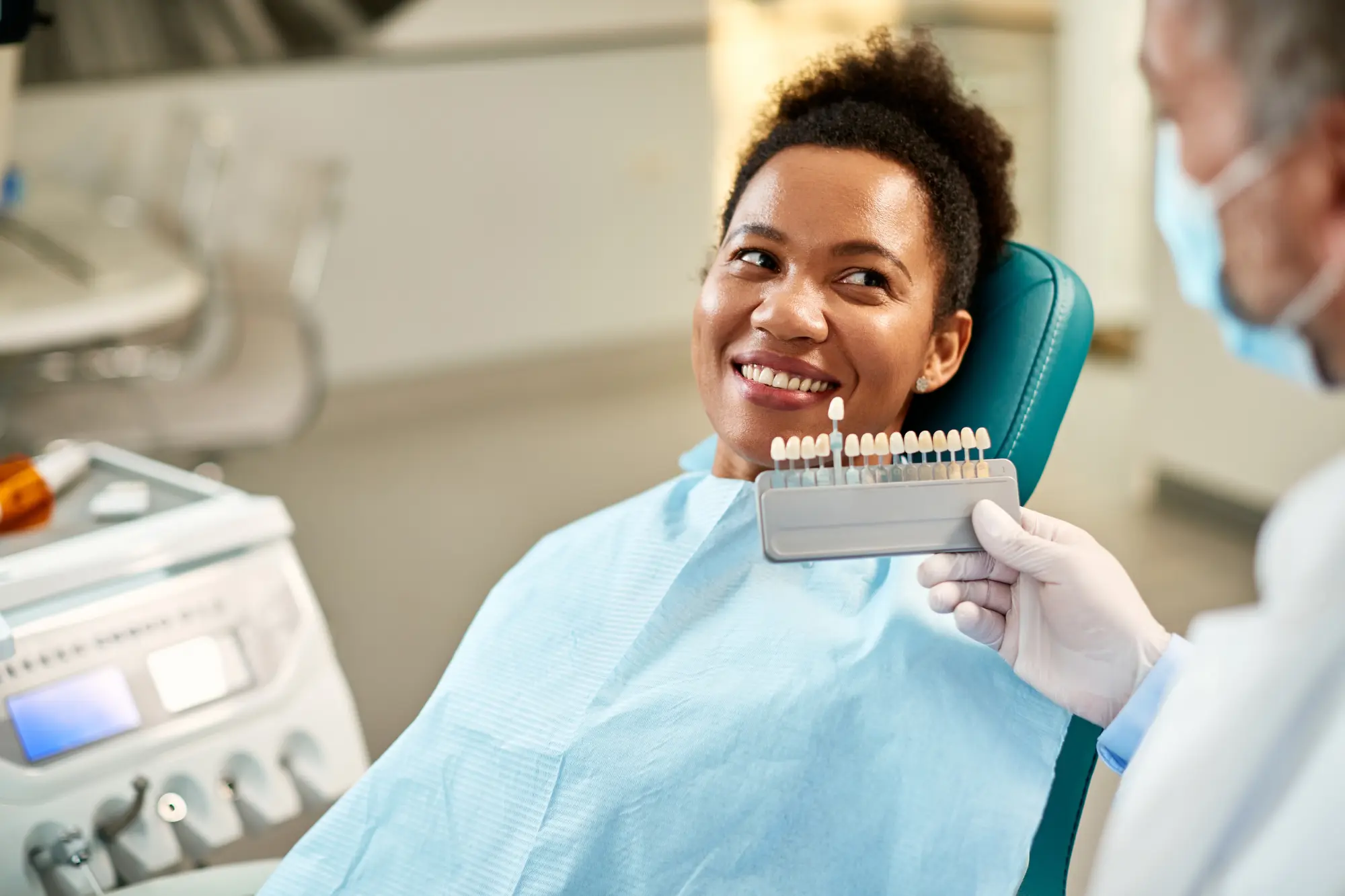
Choosing a tooth replacement option is a major medical and financial decision. While the lower upfront cost of dentures or bridges may seem attractive, it's important to consider the long-term implications. Will a cheaper solution today mean more expense and health issues in the future, such as compromising healthy teeth or losing bone density?
Dental implants have a higher initial cost, but they pay off over time in longevity, oral health, and confidence. You can eat, speak, and smile without worry.
If you're unsure which path is right for you, a consultation is the best next step. The team at Winn Smiles can provide a personalized assessment with exact costs and financing options. Don't let the initial price prevent you from exploring the best possible health outcome for your smile.
Winn Smiles - Cleveland
https://maps.app.goo.gl/T2WzhZS2SUre9taH6
148 Stuart Crossing NW, Cleveland, TN 37312, United States
(423) 529-5241
https://www.winnsmiles.com/