Root Canal Cost: Why Prices Vary and What’s Considered Normal
When you hear the phrase "root canal," your first thoughts likely jump to two places: the procedure itself and the cost. It is completely normal to worry about the financial aspect of dental work, especially for a treatment that sounds complex. You want to get out of pain, but you also need to know how it impacts your wallet. Understanding the factors behind the root canal cost can help alleviate that anxiety, turning a big unknown into a manageable plan for your health.
It helps to shift perspective slightly—a root canal is an investment in saving your natural tooth, which is almost always better than the alternative. While there isn't a single sticker price for every person, the final cost isn't arbitrary. It depends on several specific factors, from the anatomy of your mouth to the type of restoration you need afterward.
This guide breaks down exactly what goes into the price of this essential treatment. We will look at why costs vary based on tooth location, what is typically included in the quote, and—most importantly—how you can make this tooth-saving procedure affordable.
The Average Cost: Setting a Baseline
Providing a General Price Window
While pricing fluctuates based on geography and individual clinics, there is a general national average range for root canal therapy. Typically, patients might see costs ranging from several hundred to over a thousand dollars depending on complexity. Having this baseline in mind is helpful, but remember that this window is just a starting point for your research and budgeting.
Why It Isn’t One-Size-Fits-All
The reason you rarely see a single fixed price advertised is that every tooth and every infection is unique. A straightforward procedure on a front tooth is quite different from a complex case involving a molar with curved roots. Because the treatment plan must be tailored specifically to your anatomy to ensure success, the time and resources required—and therefore the cost—will vary from person to person.
The Cost of Waiting vs. Acting
It is tempting to delay treatment to save money in the short term, but waiting often leads to higher costs down the road. Ignoring an infected tooth can result in the spread of infection, the need for more complex emergency procedures, or even the loss of the tooth entirely.
The Biggest Factor: Which Tooth Is It?
Front Teeth (Incisors and Canines)
The location of the affected tooth is the most significant factor influencing the price, and front teeth are generally the most affordable to treat. Incisors and canines typically have a single root and a single canal, making the procedure more straightforward and faster to complete.
Mid-Mouth Teeth (Premolars)
Moving further back in the mouth, premolars present a middle ground in terms of both complexity and cost. These teeth can have one or two root canals, requiring more time and precision to clean and seal effectively than front teeth. Consequently, the cost for treating a premolar usually falls somewhere between the lower cost of front teeth and the higher cost of back molars.
Back Teeth (Molars)
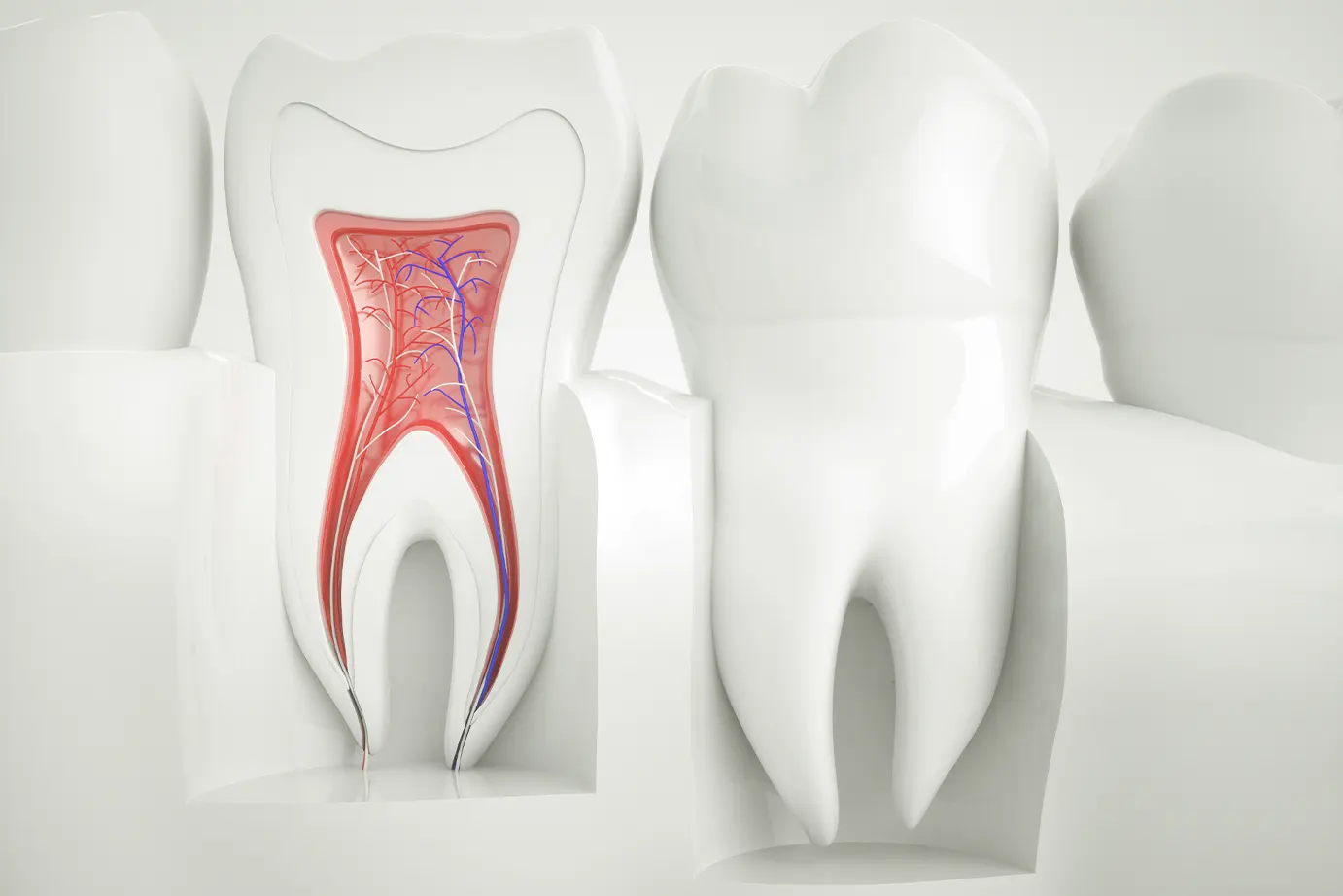
Molars are the heavy lifters of chewing, but they are also the most complex and costly teeth to treat with root canal therapy. They often have three or more canals, and these canals can be narrow or curved, requiring significant skill and time to navigate. Due to the difficulty of accessing the back of the mouth and the intricate nature of the root system, treating a molar commands the highest fee in the root canal category.
What’s Included in the Quoted Price?
The Exam and X-rays
When you receive a quote for a root canal, it is important to understand that this often encompasses the diagnostic steps leading up to the treatment. Before any work begins, the dentist needs to confirm the extent of the infection using digital X-rays and a thorough examination.
The Root Canal Procedure Itself
The core of the cost covers the actual therapeutic procedure: accessing the inside of the tooth, removing the infected pulp, and cleaning the canals. This fee includes the specialized instruments, materials used to disinfect the area, and the biocompatible material used to fill and seal the tooth.
Local Anesthesia for Comfort
Your comfort is paramount during any dental procedure, and the cost of local anesthesia is standardly included in the root canal fee. This ensures that the area surrounding the tooth is completely numb, allowing for a painless experience while the dentist works. Knowing that pain management is a fundamental part of the package helps remove the fear of discomfort from the financial equation.
Additional Costs to Keep in Mind
The Final Restoration (Crown)
A crucial aspect of budgeting for a root canal is understanding that the procedure isn't finished once the infection is gone. Because the tooth has been hollowed out to remove decay, it becomes brittle and almost always requires a dental crown to restore its strength and functionality.
Emergency or After-Hours Fees
Infections don't always happen during convenient business hours, and sometimes immediate relief cannot wait. If you require an emergency root canal on a weekend or late at night, there may be an additional fee for the after-hours service. While this adds to the cost, the value of immediate pain relief and preventing the spread of infection is often well worth the extra expense.
Sedation Dentistry Options
For patients who experience dental anxiety, sedation dentistry offers a way to drift through the appointment with total ease. Options like nitrous oxide or oral conscious sedation can turn a stressful visit into a relaxing one, but they do come with their own associated costs.
The Endodontist vs. General Dentist Factor
When a Specialist is Needed
While general dentists are trained to perform root canals, certain complex cases may require a referral to an endodontist, a specialist in treating the inside of the tooth. If a tooth has intricate root anatomy, has been treated previously, or presents other complications, seeing a specialist ensures the highest chance of success.
Why Specialist Fees May Be Higher
Because endodontists have two to three years of additional education and limit their practice solely to root canal treatments, their fees can be higher than those of a general dentist. They utilize advanced technology, such as surgical operating microscopes and 3D imaging, to navigate the most difficult cases with precision.
Your General Dentist’s Role
Fortunately, many routine root canals can be expertly handled by your general dentist right in their office. This is often more convenient for you, as it allows you to stay in a familiar environment with a team you already trust. Furthermore, having the procedure done by a general dentist can sometimes be more cost-effective than seeing a specialist, provided the case is straightforward enough for general care.
Making Your Root Canal Affordable
Leveraging Your Dental Insurance
The most effective way to manage the root canal cost is to utilize your dental insurance benefits. Most insurance plans categorize root canal therapy as a major procedure and typically cover a significant percentage of the cost after your deductible is met. It is always a good idea to have the dental office verify your specific coverage details beforehand so you know exactly what your out-of-pocket contribution will be.
Using FSA or HSA Funds
If you have a Flexible Spending Account (FSA) or a Health Savings Account (HSA), these are excellent resources for covering dental expenses. You can use these pre-tax dollars to pay for co-pays, deductibles, or any portion of the procedure not covered by insurance.
Exploring In-House and Third-Party Financing
For any remaining balance, financing options can make the cost much more manageable by breaking it down into smaller monthly payments. Many offices work with third-party lenders like CareCredit, which often offer low or no-interest plans for qualified patients. In-house payment plans or membership clubs can also provide a way to receive the care you need immediately while paying it off over a timeline that fits your budget.
The Winn Smiles Commitment: Clear, Compassionate Care
Transparent Pricing, No Surprises
You deserve to feel in control of your dental care, and that starts with knowing exactly what to expect financially. Before any treatment begins, a detailed cost breakdown is provided so you can see every aspect of the fee structure clearly. This commitment to transparency ensures that you can make informed decisions without worrying about hidden fees or unexpected bills at the checkout desk.
A Gentle Procedure is Priceless
While the monetary cost is one factor, the value of a gentle, reassuring experience is equally important. The focus is always on your comfort, utilizing advanced techniques and a compassionate touch to make the procedure as easy as possible. When you feel safe, heard, and cared for, the treatment becomes less about the transaction and more about restoring your well-being.
Your Partners in Financial Planning
Navigating insurance codes and financing applications can be confusing, but you do not have to figure it out alone. A friendly and knowledgeable team is available to help you maximize your benefits and explore every available payment option. The goal is to remove the financial barriers to health, ensuring you get the necessary care without adding stress to your life.

The Value of Saving Your Natural Tooth
Maintaining Your Bite and Alignment
Saving your natural tooth does more than just fix the immediate pain; it preserves the stability of your entire smile. When a tooth is lost and not replaced, the surrounding teeth can shift into the gap, leading to bite misalignment and jaw issues. A root canal keeps the tooth in its proper place, maintaining the natural harmony and function of your bite for years to come.
The Cost of an Alternative (Extraction and Implant)
When looking at the price tag, it is important to compare the root canal cost against the cost of the alternative: extraction followed by replacement. Pulling a tooth might seem cheaper upfront, but replacing it with a bridge or dental implant is a complex process that is significantly more expensive in the long run.
A Solution Built to Last
Think of a root canal not as a temporary fix, but as a long-term investment in your health. With proper restoration and good oral hygiene, a tooth treated with a root canal can last a lifetime, functioning just like your other natural teeth. Investing in this treatment today secures your smile’s future, preventing the need for more extensive work later.
Conclusion
Understanding the variables behind root canal cost—from the location of the tooth to the necessity of a dental crown—helps demystify the process. While no one loves the idea of an unexpected expense, knowing that fees reflect the complexity of saving your natural tooth can make the investment feel more tangible. You are paying for expertise, comfort, and the longevity of your smile.
You should feel empowered to ask questions about insurance coverage, financing, and what is included in your treatment plan. With clear information, the anxiety surrounding the price tag often diminishes, leaving you free to focus on the most important thing: getting out of pain. The goal is to get you back to smiling comfortably, with a solution that fits both your health needs and your budget.
If you are experiencing tooth pain or have been told you need treatment, don't let financial uncertainty stop you from getting relief. Schedule a consultation today to discuss your options and receive a personalized plan that prioritizes your comfort and your dental health.
Winn Smiles - Cleveland
https://maps.app.goo.gl/T2WzhZS2SUre9taH6
148 Stuart Crossing NW, Cleveland, TN 37312, United States
(423) 894-5607
https://www.winnsmiles.com/