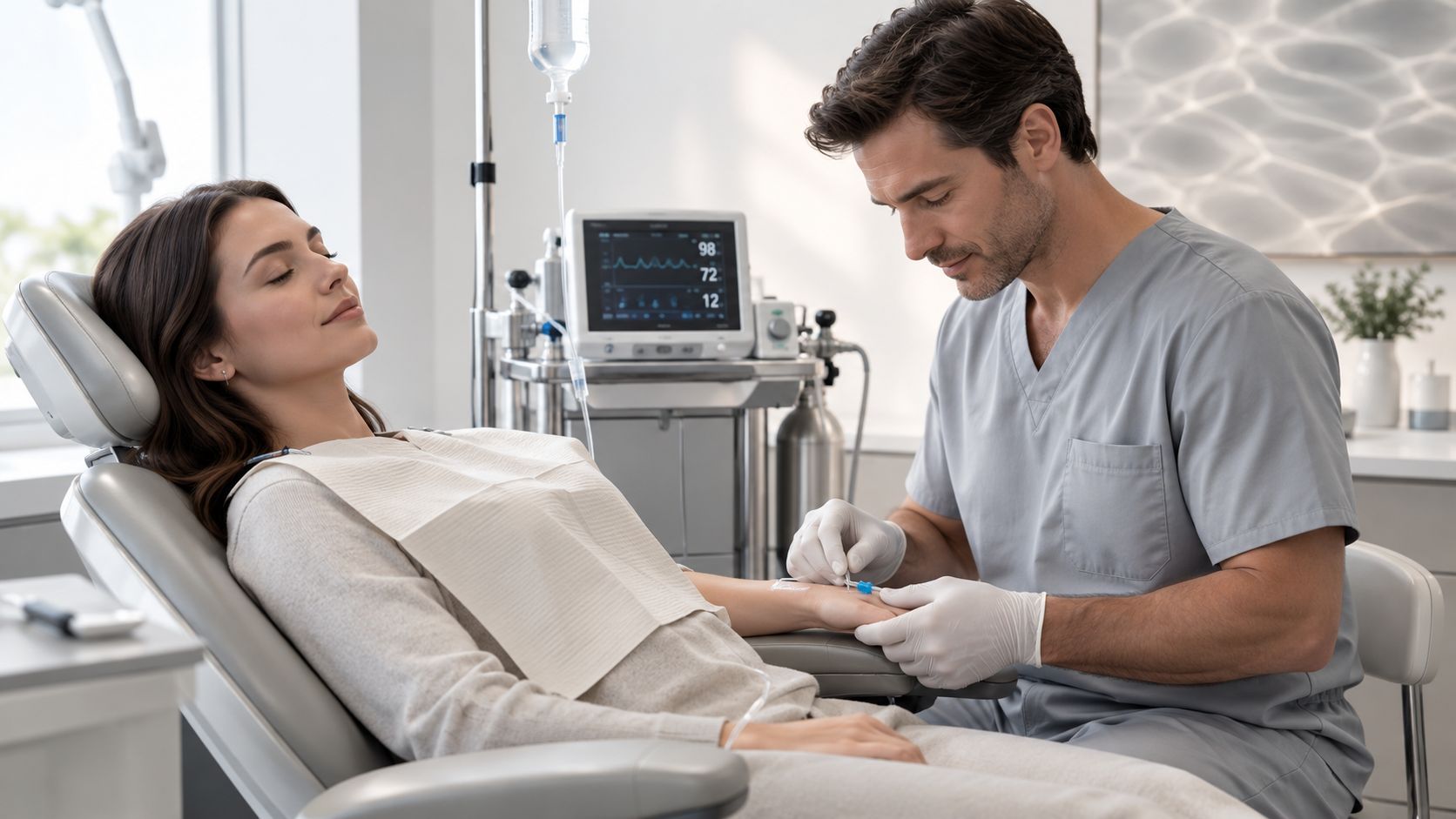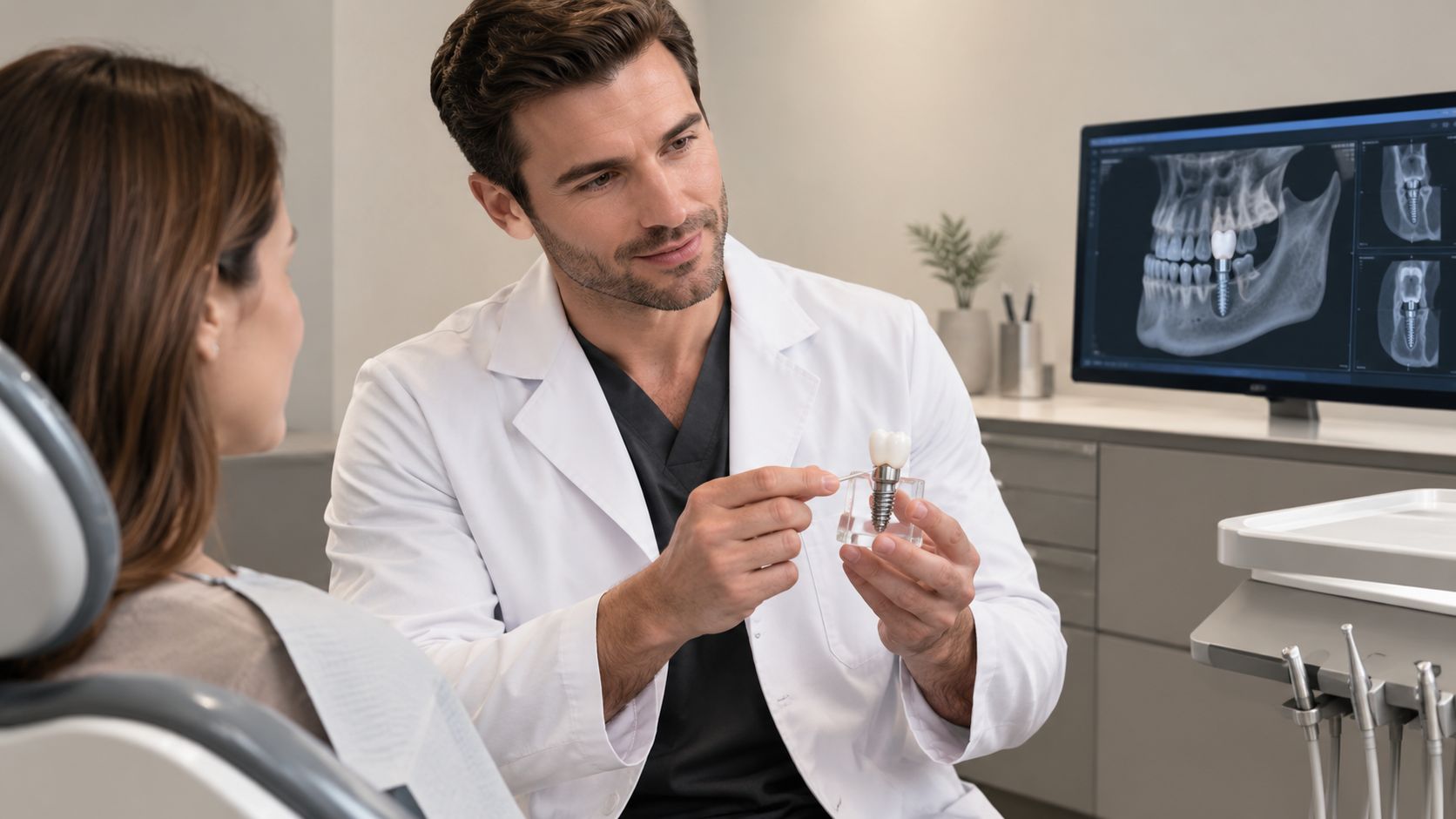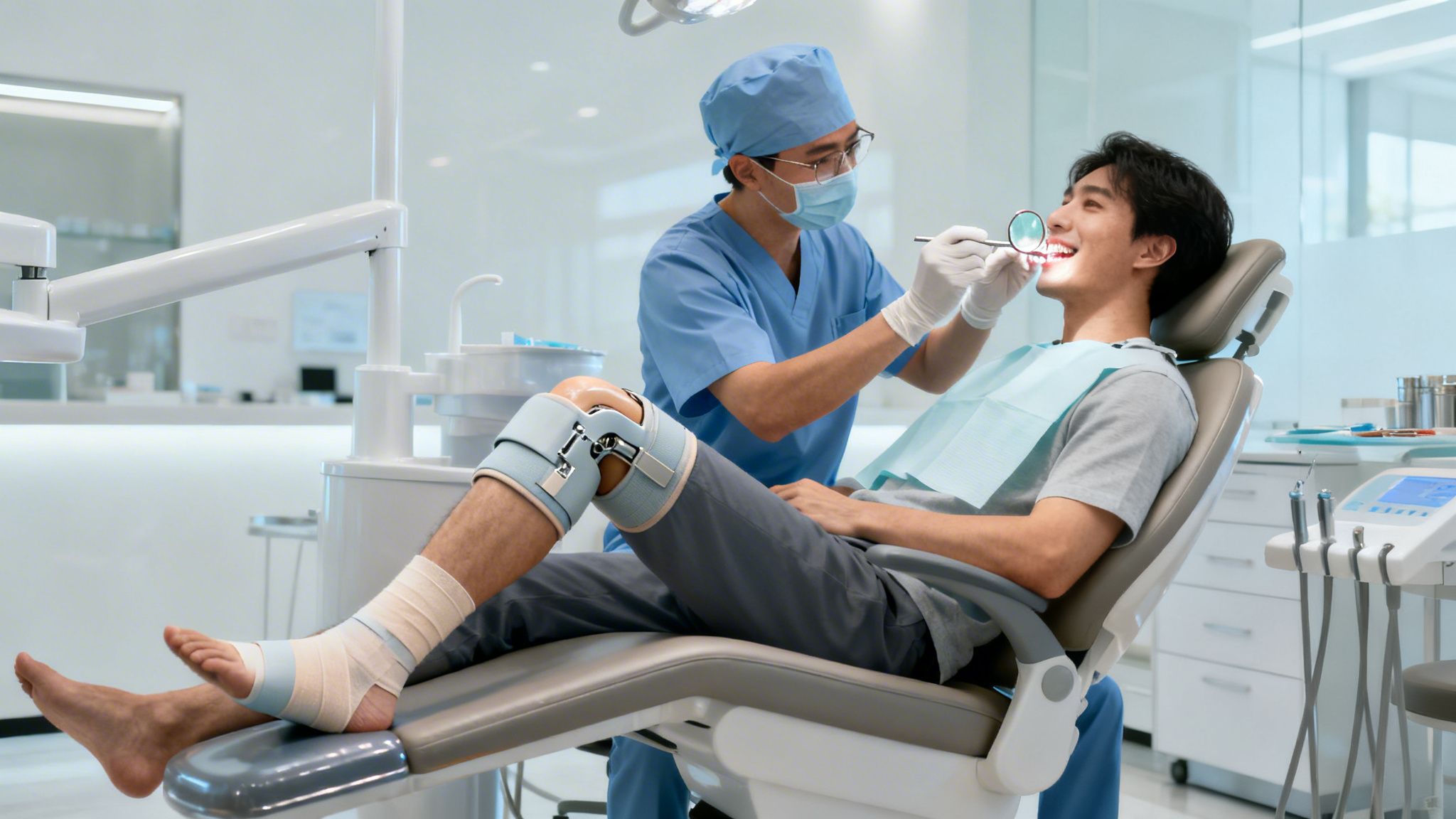
Congratulations on your new knee! As you begin the road to recovery in Chattanooga, TN, your focus is likely on physical therapy and getting back on your feet. But what happens if a toothache strikes, or it’s time for your routine cleaning? It's a question we hear a lot from our patients in the Chattanooga and Cleveland, TN, communities. If you're looking for a "dentist near me" who understands your unique situation, you've come to the right place.
The main concern with dental work after knee replacement is the small but serious risk of infection. Bacteria from your mouth can potentially travel through the bloodstream and settle in your new joint, which is a complication we all want to avoid. At Winn Smiles, we partner with you and your surgeon to ensure your smile and your new joint stay healthy.
A Team Approach to Your Post-Surgery Dental Care in Chattanooga, TN
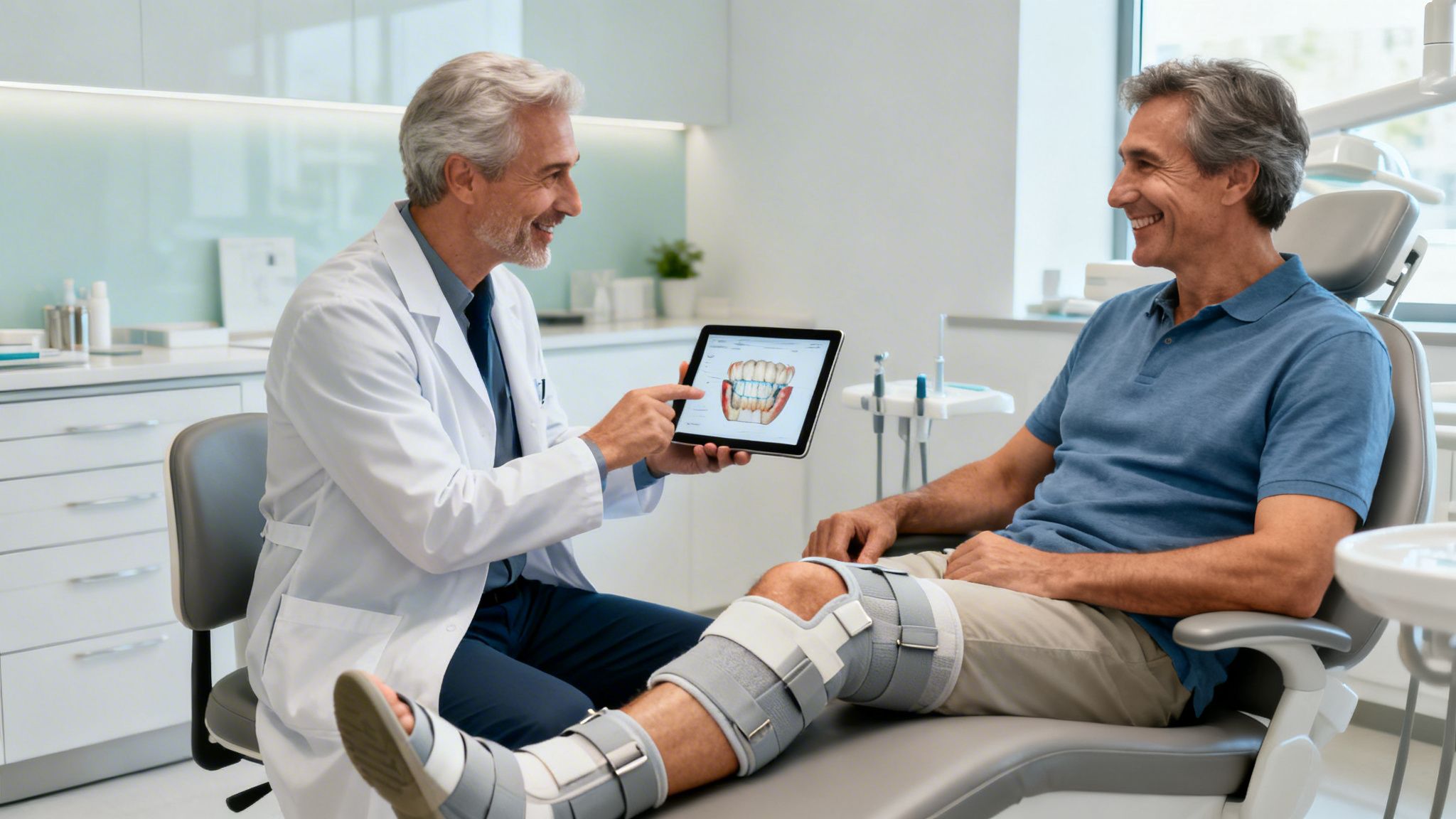
Safely managing your oral health during this recovery period is critical, and it all starts with one non-negotiable step: coordinating with your orthopedic surgeon. Your surgeon knows the specifics of your procedure and your health profile, and their clearance is the first thing we need before any dental work can begin.
But you don’t have to play middleman. At Winn Smiles, we handle this for you. Think of us as part of your extended recovery team right here in Chattanooga. Our staff is well-versed in working directly with local orthopedic specialists to create a clear and safe treatment plan. We make the calls, get the necessary recommendations, and ensure every "i" is dotted and "t" is crossed.
Coordinated Care for Your Peace of Mind
This collaboration ensures every aspect of your health is aligned. We're here to ease your concerns so that both your new joint and your smile stay healthy and strong.
Of course, your dental health is just one piece of the recovery puzzle. Getting mobile again is the top priority, and learning how to walk after knee replacement safely is a huge part of that journey. Your mobility and your oral health are both key to returning to a full, active life.
At Winn Smiles, our commitment is to provide clear guidance and coordinated care. We bridge the gap between your dental needs and your orthopedic recovery, ensuring a safe and comfortable experience for our patients in Chattanooga and Cleveland, TN.
Whether you need a simple cleaning, a cosmetic dentistry consultation, or an emergency dentist for unexpected pain, our process remains the same. We prioritize your overall health by collaborating with your medical team—a practice that puts your well-being first. Our goal is to give you a clear, safe path forward so you can focus on healing with complete confidence.
Quick Guide to Safe Dental Care After Knee Replacement
To make things even clearer, here’s a quick summary of the key steps to take before scheduling dental work at our Chattanooga office after your surgery.
| Consideration | Recommended Action | Why It Matters for Your Safety |
|---|---|---|
| Timing Your Visit | Wait at least 3 months post-surgery for non-emergency care. Your surgeon will provide the final green light. | This initial period is when your new joint is most vulnerable to infection as it heals. |
| Medical Coordination | Inform our office about your knee replacement when you call to schedule. Provide your surgeon's name and contact information. | We will contact your surgeon directly to get clearance and specific instructions, such as antibiotic needs. |
| Antibiotic Prophylaxis | Follow your surgeon's recommendation. If they prescribe a premedication antibiotic, take it exactly as directed before your dental appointment. | This preventative measure helps eliminate bacteria from the bloodstream that could otherwise travel to your new joint. |
| Managing Blood Thinners | Discuss any blood-thinning medication with both your surgeon and our dental team. | We need to know about these medications to manage bleeding risk during certain dental procedures like a tooth extraction. |
| Comfort & Sedation | Let us know about any pain, stiffness, or discomfort you have from your surgery. We can adjust your chair and appointment length. | Your comfort is our priority. We can offer sedation options and other amenities to make your visit stress-free. |
This table is a great starting point, but always remember that personalized medical advice from your surgeon is the most important factor. By working together, we can ensure your dental visit is safe, comfortable, and effective.
Understanding the Oral Health and Joint Infection Link
It might sound strange to think your mouth has anything to do with your new knee, but the connection is real and incredibly important. Your mouth is a complex environment, home to millions of bacteria. While most are perfectly normal, some can lead to problems like gum disease or tooth abscesses. When you have dental work done—anything from a routine cleaning to an extraction—a small number of these bacteria can slip into your bloodstream.
This is a common, everyday event called bacteremia. It can even happen from something as simple as vigorous brushing. For most of us, a healthy immune system takes care of these stray bacteria immediately, and we never even know it happened. After a major surgery like a knee replacement, however, we have to be a little more careful.

The Risk of Prosthetic Joint Infection
Here’s the issue: a brand-new artificial joint doesn't have the same robust immune defenses or blood supply as your natural bone, especially in those early healing months. This makes it a potential landing spot for circulating bacteria to settle and multiply. If that happens, it can lead to a serious complication known as a prosthetic joint infection (PJI).
A PJI isn't a minor setback. It’s a severe problem that often requires aggressive treatments, like long-term IV antibiotics or even more surgery to clean out or replace the implant entirely.
This is the very concern that has shaped safety guidelines for decades. Early research highlighted this potential pathway. For example, one widely cited review of almost 3,500 knee replacement patients found that 11% of late-developing joint infections were strongly associated with recent dental procedures. While the risk is small, it's significant enough to take seriously. You can see the findings of this foundational study to understand how these early conclusions were formed.
Your safety is everything. At Winn Smiles in Chattanooga, TN, we see your oral health as a critical piece of your overall health, and that’s never more true than when you’re recovering from surgery.
Who Might Be at Higher Risk?
While the overall odds of a PJI from dental work are quite low for the average patient, some people are more vulnerable than others. Certain health factors can compromise the immune system, making it harder for the body to fight off an infection.
You may have an increased risk if you have:
- A Compromised Immune System: This includes patients with conditions like rheumatoid arthritis, lupus, or those receiving cancer treatment.
- Type 1 or Type 2 Diabetes: Particularly if blood sugar levels are not well-controlled, as this can impair healing and the body's natural infection-fighting abilities.
- A History of Previous Joint Infections: If you’ve had a PJI in the past, your risk for another one is unfortunately higher.
This is exactly why a one-size-fits-all rule doesn't cut it. For our patients in Chattanooga and Cleveland, we always work in close collaboration with your orthopedic surgeon. That open line of communication ensures that every decision we make—from scheduling a simple cleaning and exam to planning for dental implants—is made with a full understanding of your medical situation. Your safety is our number one job.
The Evolving Guidelines on Preventive Antibiotics
But in medicine, what we know today is often built on questioning what we thought we knew yesterday. As new, better evidence comes to light, guidelines evolve. The thinking around routine antibiotic use has shifted dramatically, thanks to major research and updated recommendations from organizations like the American Academy of Orthopaedic Surgeons (AAOS).
This is great news for patients, as it helps us avoid prescribing medication that isn’t truly necessary. At Winn Smiles, our commitment to evidence-based dentistry means we stay on top of these developments to ensure your care is both safe and perfectly suited to you.
What the Latest Research Shows
This change in direction wasn’t made on a whim. It’s backed by large-scale studies that took a hard look at the real-world risk of infection. Recent evidence now strongly suggests that routine dental work after knee replacement may not actually increase the risk of prosthetic joint infections (PJI).
One landmark U.S. study, in particular, was a game-changer. It followed over 591,000 knee replacement patients and found no significant increase in joint infections after dental procedures—even when patients didn't take any preventive antibiotics. You can learn more about these important findings that are helping shape modern care.
This new data completely challenges the old "one-size-fits-all" rule. While routine antibiotics are no longer recommended for most patients, the final decision is always a personal one, based on your unique health profile.
A Personalized Approach Is Still Key
So, what does this mean for your next visit to our Chattanooga or Cleveland dental office? It means we don’t have a blanket policy. Instead, we make a careful, individual decision in close partnership with your orthopedic surgeon.
While the vast majority of patients no longer need premedication for routine care like cleanings, new patient exams, or fillings, there are still specific situations that might call for it.
Factors that we consider with your surgeon include:
- Your Health History: If you have a compromised immune system (due to a condition like rheumatoid arthritis or certain medications), your surgeon might still lean toward recommending antibiotics as a precaution.
- The Type of Procedure: A simple cleaning is very different from a more invasive procedure like a tooth extraction or dental implant placement. The level of invasiveness is a key part of the conversation.
- Your Surgeon’s Recommendation: At the end of the day, your orthopedic surgeon knows your case best and has the final say. We will always coordinate with them and follow their guidance to protect the investment you've made in your new joint.
This collaborative approach ensures you get the right care without being exposed to unnecessary medication and its potential side effects. Our team at Winn Smiles stays on top of this evolving science so you can feel completely confident that your treatment plan is based on the safest, most current medical knowledge available.
Why Pre-Surgery Dental Health Is Your Best Defense
The best defense is a good offense, especially when it comes to major surgery. If you're planning a knee replacement, the smartest way to handle future dental work is to get ahead of it before you ever go to the hospital. A proactive approach is one of the most powerful tools you have for a smooth, complication-free recovery.
Think of it as setting your body up for success.
This isn't just an opinion; it's a conclusion backed by some serious medical research. A landmark study found that patients with existing dental problems—like cavities or even a recent dental implant—within the year before their knee surgery had 1.5 times higher rates of medical complications within 90 days. And these weren't just joint issues; they included serious concerns like pneumonia and UTIs. Discover more about these findings on drbicuspid.com.
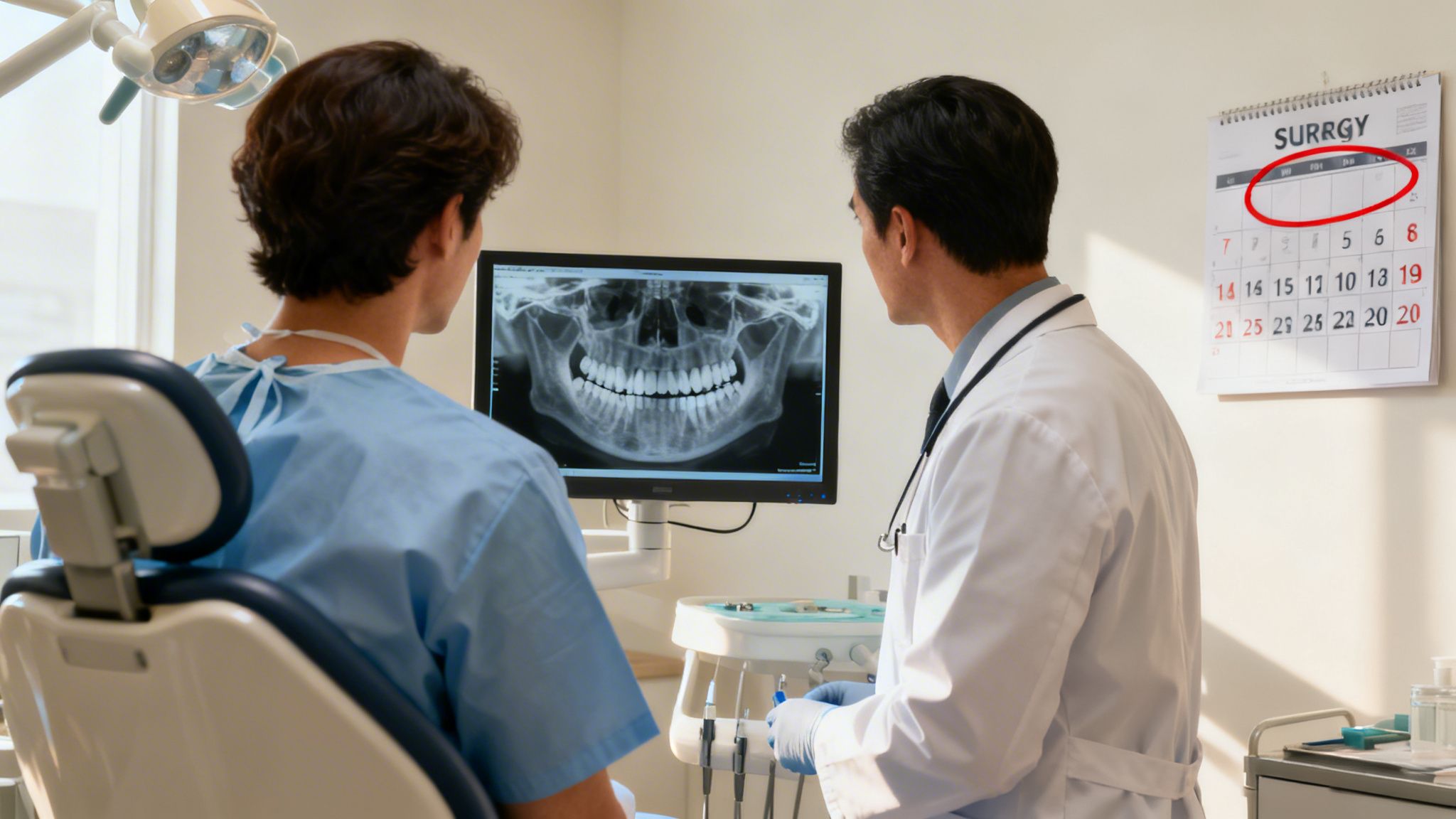
A Pre-Surgical Dental Exam Is a Must
What this data tells us is that poor oral health can be a red flag for other health vulnerabilities. It puts unnecessary stress on your body during a critical healing period. Any existing infection or inflammation in your mouth is a potential source of bacteria that your body will have to fight off while it's also trying to heal a major surgical site.
For our neighbors in Chattanooga and Cleveland, TN, planning a knee replacement, a pre-surgical dental exam at Winn Smiles is a non-negotiable step. This visit lets us identify and resolve any potential trouble spots ahead of time, from hidden decay to low-grade gum inflammation. Our goal is simple: get you into surgery with a clean bill of oral health to minimize your overall risk.
By resolving dental issues before your knee replacement, you aren't just protecting your smile—you're actively contributing to a safer and more successful surgical outcome.
Modern Dentistry Makes It Easy
Worried you don't have enough time to fix a problem before your surgery date? You might be surprised. Modern dental technology has made treatment faster, more comfortable, and more efficient than ever before.
At Winn Smiles, our pre-surgical care checklist is designed to be as streamlined as possible:
- Comprehensive Dental Exam: We use digital dental X-rays to get a complete picture of your oral health, pinpointing any issues that need immediate attention.
- Prompt Treatment: If we spot a problem, we can often address it quickly. Our same-day crowns, for example, can restore a damaged tooth in just one appointment, eliminating weeks of waiting.
- Gentle Care: Technologies like laser dentistry allow us to treat gum issues with minimal discomfort and much faster healing times.
Partnering with a trusted dentist in Chattanooga before your operation puts you back in control. It gives you the peace of mind that you've done everything possible to set yourself up for a strong recovery. You can learn more about our approach to preventive dental care and see how it fits into your total well-being.
Your Safe and Comfortable Dental Visit at Winn Smiles
Understanding the guidelines for dental work after a knee replacement is one thing. Actually feeling safe and comfortable in the dental chair is something else entirely. We get it. That’s why at Winn Smiles, we’ve built our entire practice around a patient experience that’s reassuring and genuinely stress-free, especially for anyone navigating post-surgical care.
From the moment you walk into our Cleveland or Chattanooga, TN, offices, we want you to feel the difference. Our friendly team is here to listen. We’ll adjust everything from the position of the dental chair to the length of your appointment to ensure you’re comfortable. Your physical well-being is every bit as important as your oral health.
Comfort and Care Designed for You
Going through major surgery can make anyone feel a little more anxious about other procedures, no matter how routine. If you’re feeling nervous about your visit, please, let us know. We have several ways to help you feel completely at ease.
We believe a positive experience is built on trust and a welcoming environment.
- A Calming Atmosphere: Our offices are designed to be light and airy, steering clear of that cold, clinical feel.
- Patient Amenities: We offer a special menu of comfort items to make your visit more pleasant. You can learn more about how our comfort menu creates a better dental office experience for our patients.
- Sedation Options: For those with higher levels of anxiety, we provide sedation dentistry. These are safe, effective methods that allow you to relax completely while we take care of your smile.
We see recovery from knee surgery as a journey. Our job is to fit your necessary dental care seamlessly and safely into that journey, treating you like a member of our own family every step of the way in Chattanooga, TN.
Managing Blood Thinners and Using Modern Technology
Many of our patients are on blood thinners after a knee replacement to prevent clots—it’s a crucial part of a safe recovery. When you schedule your appointment, just make sure to tell our team about any medications you’re taking.
While these medications usually don’t affect a routine cleaning or new patient exam, they are a critical factor for more involved treatments like a tooth extraction. We will coordinate directly with your prescribing doctor to create a safe plan, which might involve a temporary adjustment to your dosage based on their specific instructions. We will never ask you to change your medication on your own.
On top of that, our use of modern dental technology means your procedures are gentler and more efficient. For example, techniques like laser dentistry allow us to perform treatments with incredible precision, less discomfort, and faster healing. For you, this translates to a quicker, more comfortable appointment and an easier recovery—something that’s especially important when you’re already healing from surgery.
From a simple new patient exam to planning for restorative dentistry, our team in Cleveland and Chattanooga is here to make your entire visit as smooth and stress-free as possible.
Your Questions About Post-Surgery Dental Care Answered
Getting a new knee is a major step toward reclaiming your mobility, but we know it comes with a lot of questions about what comes next—especially when it comes to routine things like visiting the dentist.
Our patients in Chattanooga and Cleveland often ask how to safely manage their dental work after knee replacement. Here are the answers to the most common concerns we hear, explained with the clarity you deserve.
How Long Should I Wait After Knee Replacement for Dental Work?
This is usually the very first question on everyone's mind. For most elective dental procedures, like a routine checkup, cleaning, or teeth whitening, your orthopedic surgeon will likely recommend waiting at least three to six months. This waiting period is critical. It gives your body the uninterrupted time it needs to heal and for the new joint to fully integrate.
But what about a dental emergency? If you have a severe toothache, a broken tooth, or a suspected abscess, you need an emergency dentist right away. You should never ignore urgent dental issues. In these cases, treatment can't wait. Our immediate first step at Winn Smiles is to coordinate directly with your surgeon to map out the safest plan, which will almost certainly involve antibiotics to protect your new joint.
The golden rule is simple: always get the green light from your orthopedic surgeon before scheduling any non-emergency dental work. We’ll help you manage that communication every step of the way.
Do I Really Need Antibiotics for a Routine Dental Cleaning?
This is a fantastic question, and the answer has changed quite a bit over the years. The most current AAOS guidelines suggest that for most patients, prophylactic antibiotics are no longer necessary for routine dental cleanings or many other common procedures.
However, this isn't a blanket rule. Your health is unique, and the final decision is always made in partnership between your dentist and your orthopedic surgeon. If you have specific high-risk factors—like a compromised immune system from a condition like rheumatoid arthritis, or a history of a previous joint infection—your surgeon might still recommend taking an antibiotic as a precaution.
At Winn Smiles, we never guess. We communicate directly with your surgeon’s office to create a personalized, evidence-based plan that’s right for you.
This simple flowchart can help you visualize some of the factors we consider when planning your care after knee replacement.
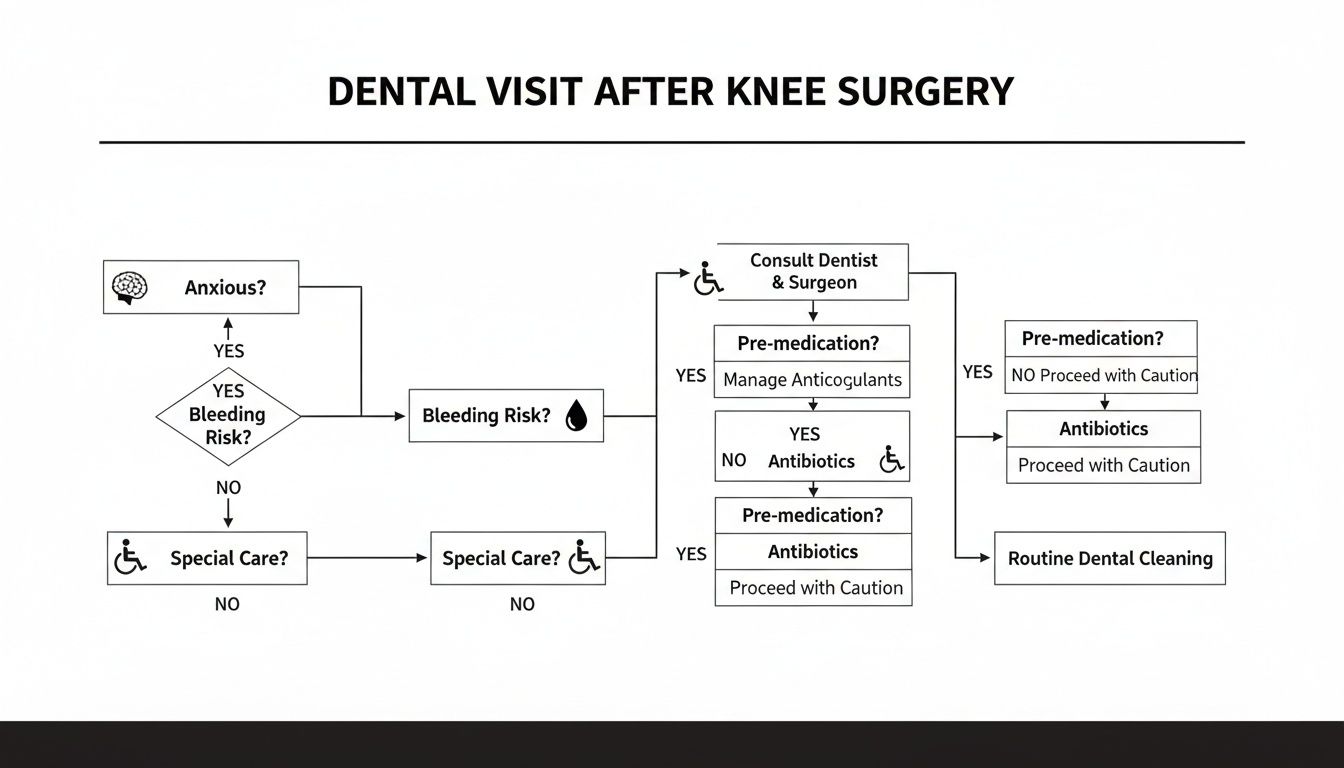
As you can see, your comfort, potential bleeding risk, and need for pre-medication are all part of a coordinated strategy to make your visit both safe and completely stress-free.
What If I'm on Blood Thinners After My Surgery?
It's very common to be on blood thinners (anticoagulants) after knee surgery to prevent dangerous blood clots. It is absolutely critical to inform our team about any of these medications when you schedule your appointment.
For routine care like cleanings and exams, this usually doesn't pose a problem. But for more invasive procedures like a tooth extraction or placing dental implants, we must coordinate with your prescribing physician. They might suggest temporarily adjusting your medication, but we will never ask you to change your dosage without their direct guidance. Your safety is our number one priority.
What Infection Signs Should I Watch For After a Dental Procedure?
The risk of infection is very low when all the proper protocols are followed, but being vigilant is always a good idea. After any dental work, keep an eye on your mouth for any unusual swelling that doesn't go down, bleeding that won’t stop, or signs of pus.
More importantly, you need to be aware of the signs of a potential infection in your new joint. These include:
- New or worsening pain in your knee
- Swelling, redness, or a feeling of warmth around the joint
- Any drainage from your surgical incision site
- Systemic symptoms like a fever, chills, or deep fatigue
If you notice any of these signs related to your knee, contact your orthopedic surgeon immediately. They are the expert on your joint and will know exactly what to do.
If you've had a knee replacement and need a dentist in Chattanooga or Cleveland who understands how to manage your care safely, Winn Smiles is here to help. We prioritize clear communication with your medical team to ensure your oral health supports your overall recovery. Schedule your appointment with confidence today. Your healthy smile is just a click away. Visit us at https://www.winnsmiles.com.