If you're searching how much does it cost for dental sedation, you're probably not just shopping for a number. You're trying to figure out whether getting through that cleaning, tooth extraction, root canal, implant consultation, or cosmetic dental visit can finally feel manageable.
That matters. Dental anxiety is real, and it changes how people make decisions about their health. Some patients put off care until a small cavity becomes pain. Others want treatment but worry they'll feel too tense to sit through it. Sedation can remove that barrier and turn a stressful appointment into one that feels calm, controlled, and doable.
Your Guide to Comfortable Dentistry in Cleveland and Chattanooga
You finally schedule the appointment, then spend the night before it replaying the sounds, the smells, or the memory of a rough visit years ago. I see that often in both Cleveland and Chattanooga, and it shows up in very different ways. Some patients tense up as soon as they sit in the chair. Others worry about gagging, feeling trapped, or not being able to stop once treatment starts.

Dental anxiety is common, and it deserves a practical plan. The goal is not just to get you through the appointment. The goal is to help you stay calm enough to accept the care you need before a small problem turns into a painful or expensive one.
At Winn Smiles, comfort starts before any sedative is discussed. A patient with a strong gag reflex may do better when we pair a lighter sedation approach with breaks, clear stop signals, and simple comfort supports from our comfort menu for nervous dental visits. For someone who gets anxious from the sound of instruments, noise-reducing headphones and step-by-step communication can lower that stress immediately and may reduce how much sedation is needed.
That local piece matters. Patients in Cleveland and Chattanooga usually ask the same direct questions. What will this cost here, not just nationally. What type of sedation fits my visit. Will I need a driver. Can I spread payments out if treatment and sedation happen on the same day.
Those are the right questions to ask. Sedation cost is only one part of the decision. The better question is which option gives you enough comfort for the procedure without paying for a deeper level of sedation than you need.
Understanding Your Dental Sedation Options
The right sedation choice depends on two things. How anxious you feel and what kind of treatment you're having. A short cleaning and exams visit doesn't call for the same approach as a long implant procedure or emergency dentist appointment.
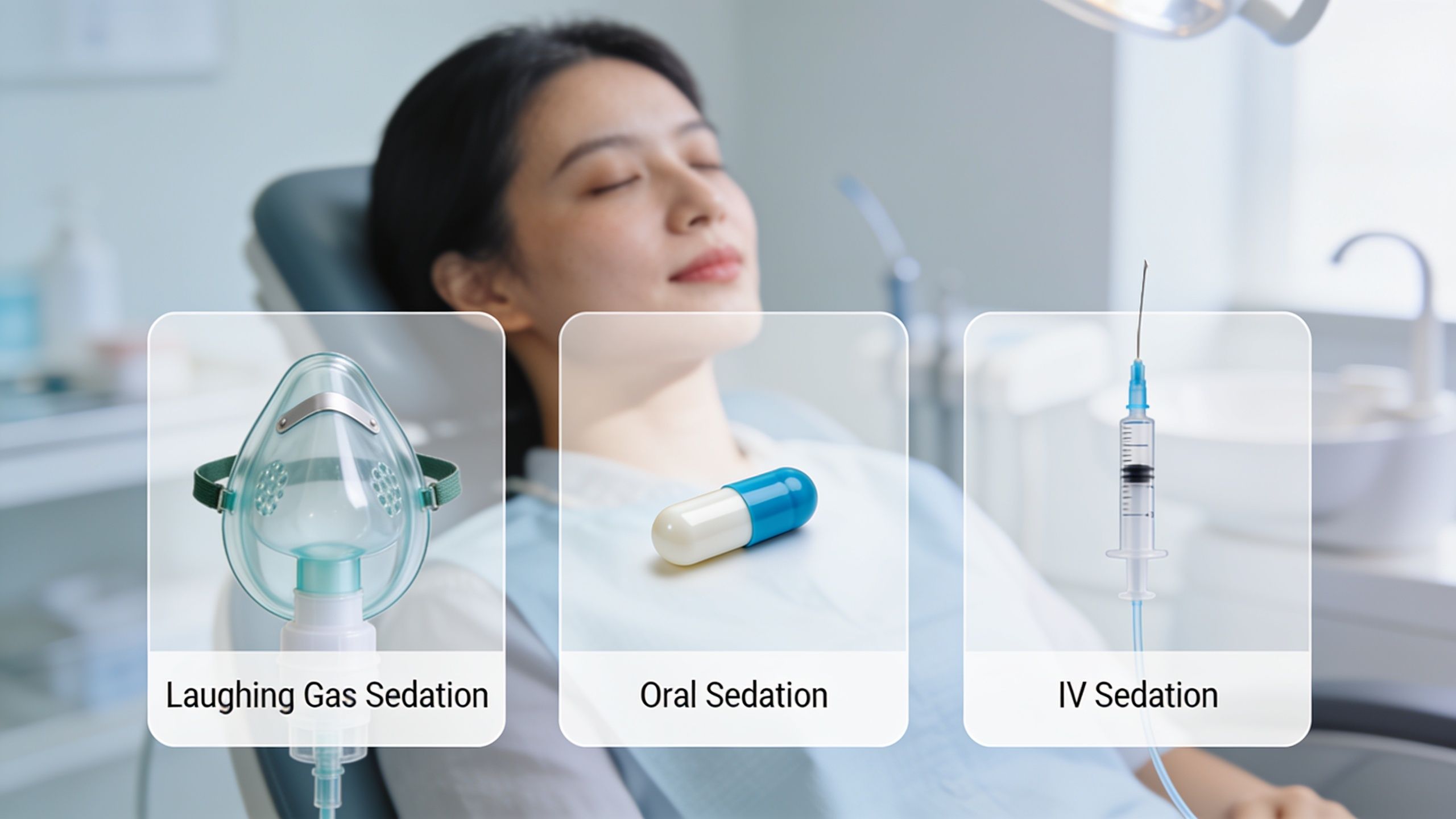
Nitrous oxide
Nitrous oxide, often called laughing gas, is the lightest option. You breathe it through a small nose mask during treatment, and it helps you feel relaxed while staying awake and able to respond.
This works well for mild anxiety, shorter visits, and patients who want to drive themselves home afterward if the dentist confirms that's appropriate. It's often a good fit for cleanings, fillings, dental x-rays, and other general dentistry appointments where the goal is to take the edge off, not make you sleepy.
Oral sedation
Oral sedation uses a prescribed pill taken before the visit. Patients usually describe the feeling as drowsy, calm, and less aware of time. You're still conscious, but the appointment often feels much easier to tolerate.
It can be helpful for longer restorative dentistry visits, root canals, tooth extraction appointments, Invisalign visits for anxious patients, or cosmetic dentistry work when someone gets very tense in the chair. If you want a patient-friendly walkthrough of timing and what the process feels like, this overview of how sedation dentistry works is useful.
Here's a quick visual explanation of the common approaches and how they differ during treatment.
IV sedation
IV sedation is a deeper option. Medication is delivered through a vein, and the level can be adjusted during the procedure. Patients are still monitored closely, and many remember very little of the appointment afterward.
This is often the right choice when anxiety is severe, the procedure is longer, or several treatments are being completed in one visit. Think multiple extractions, implant placement, advanced periodontal treatment, or cases where sitting through treatment feels impossible without stronger support.
General anesthesia
General anesthesia is the deepest level. The patient is fully unconscious during treatment. It's usually reserved for more complex surgical situations or cases where that level of control is medically appropriate.
Practical rule: The best sedation option isn't the strongest one. It's the one that matches the procedure, your health history, and the level of help you actually need.
What patients often feel
A simple comparison helps:
| Sedation type | What it feels like | Best for |
|---|---|---|
| Nitrous oxide | Relaxed, lighter, less tense | Mild anxiety and shorter visits |
| Oral sedation | Drowsy, calm, time feels faster | Moderate anxiety and medium-length procedures |
| IV sedation | Deep relaxation with limited memory of treatment | Severe anxiety and longer procedures |
| General anesthesia | Fully asleep | Complex surgical care in selected cases |
For many patients, the biggest relief comes from learning they have choices. You don't have to force yourself through treatment the hardest way.
Typical Costs for Dental Sedation
Cost depends first on the type of sedation. Nationally, nitrous oxide is typically the lowest-cost option at $25 to $300 per appointment, oral sedation ranges from $150 to $900, IV sedation ranges from $250 to $1,500 per hour, and general anesthesia ranges from $800 to $3,500, according to sedation dentistry cost ranges from Greenville Family Dentistry.

What those ranges usually mean
The cheapest option isn't automatically the best one. Nitrous oxide is affordable partly because it starts quickly, wears off quickly, and doesn't require the same level of monitoring as IV sedation or general anesthesia. For a nervous patient coming in for a routine cleaning, small filling, or brief emergency dentist visit, that can be exactly the right fit.
Oral sedation usually costs more because it provides a stronger calming effect and often requires more planning before the visit. IV sedation costs more because it involves deeper relaxation, closer monitoring, and a higher level of clinical oversight. General anesthesia is at the top end because it's the most intensive approach.
If two treatment plans look similar but one includes sedation and one doesn't, compare the comfort level, length of the appointment, and how likely you are to complete treatment. Price matters, but finishing care matters too.
Why local estimates can still vary
If you're in Cleveland or Chattanooga, you'll still want an office-specific quote. Sedation fees are often separate from the procedure itself, so the total cost for a tooth extraction, dental implants visit, same-day crown, or cosmetic dentist appointment may include both the dental treatment and the sedation method.
A few practical examples:
- Nitrous oxide: often makes sense when the procedure is straightforward and you mainly need help relaxing.
- Oral sedation: can be a smart middle ground when anxiety is stronger but IV care isn't necessary.
- IV sedation: is usually more cost-effective when the procedure is long, complex, or difficult to complete comfortably in stages.
- General anesthesia: tends to be reserved for cases where lighter options won't meet the need.
Patients sometimes compare sedation fees the same way they compare costs in other service settings, including what to consider for appointment software fees. The useful habit is the same. Ask what is included, what is billed separately, and whether the quote covers monitoring, medication, and recovery support.
A simple budgeting mindset
When you're planning care, ask for three numbers:
| Ask for this | Why it helps |
|---|---|
| The treatment fee | This covers the dental work itself |
| The sedation fee | This shows the comfort option separately |
| Any follow-up or financing details | This helps you understand your full out-of-pocket plan |
That kind of transparency matters more than chasing the lowest sticker price. In dentistry, the right sedation plan often saves stress, reduces delays, and makes needed care possible.
Key Factors That Influence Sedation Pricing
A sedation quote can look different from one patient to the next, even when the dental procedure sounds similar on paper. In practice, the fee reflects how much support is needed to keep the visit comfortable and safe from start to finish.
At Winn Smiles, that matters because patients in Cleveland and Chattanooga often call with the same concern: “Why does one sedation option cost more than another?” The answer usually comes down to four things. The type of sedation, the length of the visit, the complexity of your health history, and what is included in the care plan.
The type of sedation changes the setup
Nitrous oxide usually involves the lightest level of support, so it tends to be the most affordable option. Oral sedation adds medication planning, timing, and recovery instructions. IV sedation requires a different level of monitoring, more clinical setup, and closer observation throughout the appointment.
Those differences affect cost because they change how the appointment is delivered, not just how relaxed you feel.
Procedure length matters
Sedation for a short filling visit is different from sedation for multiple extractions, implant surgery, or a longer restorative appointment. The more time a patient needs in the chair, the more staff time, monitoring, and recovery support may be involved.
This is one reason a phone estimate can only be a starting point.
Your medical and anxiety history can shape the plan
Patients do not all respond to sedation the same way. A history of dental trauma, a strong gag reflex, medication interactions, sleep apnea concerns, or past difficulty getting numb may call for a different approach than a straightforward case.
That does not always mean deeper sedation. It does mean the plan should be crafted thoughtfully, and that can affect the final fee.
What is included in the quote matters just as much as the number
Some offices list sedation as one line item. Others separate medication, monitoring, recovery time, or the provider's time. Patients comparing estimates should look beyond the total and ask what the fee covers.
For families trying to make sense of treatment costs, billing structure matters too. Resources like Happy Billing for dental explain why dental charges are often broken into separate clinical and administrative pieces.
A clear estimate should answer questions like these:
- Is the sedation fee separate from the dental procedure fee?
- Does the quote include monitoring during the appointment?
- Are medications included, or billed separately?
- Will recovery time add to the cost?
- Is this estimate based on the expected procedure time, or could it change if treatment runs longer?
The best question to ask is simple: “What am I paying for, and what could change that number?” A good office should be able to answer that clearly, without vague language or pressure.
Does Dental Insurance Cover Sedation
Insurance coverage for sedation is where many patients get frustrated. The short answer is that sometimes it does, and sometimes it doesn't. The deciding issue is usually medical necessity, not whether sedation would make the appointment easier.

When insurance is more likely to help
According to guidance on sedation cost and reimbursement, most PPO plans may reimburse 50 to 70% of IV sedation if it is considered medically necessary, but they often provide zero coverage for sedation used during elective cosmetic cases.
That distinction matters. If a patient has a severe gag reflex, special needs, or a clinical reason that makes sedation appropriate, insurance may view the request differently than it would for whitening or other elective cosmetic dentistry.
Why verification matters before treatment
Even when a plan may cover part of sedation, approval isn't automatic. Every carrier has its own rules, and those rules can change depending on the procedure code, documentation, and whether the treatment is considered essential or elective.
For that reason, patients should ask these questions before the appointment:
- Is the sedation benefit separate from the dental procedure benefit
- Does the plan require documentation of medical necessity
- Will the office submit a pre-estimate or preauthorization if needed
- What amount would still be out of pocket if the claim is reduced or denied
If you want a plain-English look at how claims and coordination can get complicated behind the scenes, Happy Billing for dental gives a useful overview of the billing side patients rarely see.
Coverage isn't the same as certainty. The smart move is to verify benefits before treatment and plan for the possibility that part of the sedation fee may remain self-pay.
Financing can bridge the gap
When insurance doesn't cover sedation, financing can make care more manageable. That's often the difference between delaying treatment and finally moving ahead with it. For patients who need a tooth extraction, implants, emergency dental care, or a longer restorative visit, spreading costs out can be more practical than waiting until the problem worsens.
Your Comfort First Experience at Winn Smiles
For anxious patients, the experience of care matters almost as much as the treatment itself. A calm office, clear communication, and a team that doesn't rush you can change the entire appointment.
What the visit feels like
At Winn Smiles, patients in Cleveland and Chattanooga are welcomed into bright, modern spaces designed to feel less clinical and more calming. That starts at check-in and continues in the treatment room. Instead of assuming every patient wants the same approach, the team talks through what makes visits hard for you personally.
Some people need extra explanation before a cleaning or exam. Others want less detail and more reassurance. Some want to move quickly into treatment because waiting builds anxiety. The comfort-first approach makes room for those differences.
Sedation as part of a bigger comfort plan
Sedation works best when it's matched with thoughtful care. That can include a slower start to the appointment, a clear review of what will happen, and a treatment plan built around your goals and your limits.
This is especially helpful for patients seeking:
- Dental implants near me: longer visits often feel more manageable when comfort is built into the plan
- Cosmetic dentist near me: smile-focused treatments are easier to complete when anxiety doesn't dominate the appointment
- Emergency dentist care: urgent pain is stressful enough without fear making it worse
- Restorative treatment: crowns, root canals, and periodontal care often become more approachable with the right support
Clarity before treatment starts
One of the most reassuring parts of a good sedation consultation is hearing what you need, what you don't need, and why. If nitrous oxide will do the job, there is no reason to push deeper sedation. If oral sedation or IV sedation makes more sense for a complex case, that should be explained in plain language.
Patients also benefit from discussing adjacent services at the same time. Someone considering a same-day crown, veneers, implant care, or treatment after a cracked tooth may be able to combine care efficiently instead of spreading stress across multiple visits.
The best dental visit for an anxious patient usually doesn't feel dramatic. It feels organized, calm, and far easier than expected.
That kind of predictability is what helps people stop avoiding care and start rebuilding trust in the process.
Take the Next Step Toward Fear-Free Dental Care
Sedation dentistry isn't only for extreme cases. It's a practical tool for people who want to get through dental care with less fear, less tension, and more confidence. If you've been putting off a cleaning, tooth extraction, implant consultation, cosmetic treatment, or emergency visit because anxiety keeps getting in the way, there are options.
Before a sedation appointment, a few basics make the day smoother:
- Ask about transportation: If you're receiving oral sedation, IV sedation, or anything stronger, you'll usually need someone to drive you home.
- Follow eating and drinking instructions: Your office may give fasting instructions based on the sedation type and your health history.
- Bring a medication list: Include prescriptions, supplements, and any relevant medical conditions.
- Wear comfortable clothing: This helps if monitoring equipment or a longer appointment is involved.
- Plan for a quiet recovery period: Many patients do best going home to rest after treatment.
The hardest part is often making the call. Once you have a clear consultation, a written estimate, and a sedation plan matched to your needs, the process usually feels much more manageable.
If you're in Cleveland or Chattanooga and want straightforward answers about comfort, treatment options, and what your visit may cost, starting with a consultation is the best next step.
If you're ready for calm, clear dental care, contact Winn Smiles to schedule a consultation in Cleveland or Chattanooga, TN. The team can help you understand your sedation options, review expected costs, and build a treatment plan that fits your comfort level, whether you need a new patient exam, tooth extraction, dental implants, cosmetic dentistry, or urgent care.