A new dental bridge often brings two feelings at once. Relief, because you can chew better and smile with confidence again. Uncertainty, because the next question shows up fast: how do you keep it clean?
That question matters more than many dental patients realize. A bridge doesn't sit in your mouth like a natural tooth. It creates small spaces where food and plaque can collect, especially under the false tooth and near the supporting teeth. If you've been searching for bridge cleaners for teeth, you're already doing the right thing. You're protecting both your smile and the dental work you paid for.
Many patients in Chattanooga and Cleveland say the same thing after treatment. Brushing feels familiar, but the area under the bridge feels awkward. Regular floss seems hard to thread. And if food gets trapped, it can be frustrating enough to make people avoid the area. That's understandable. It also means a simple, realistic cleaning routine makes all the difference.
Your Guide to a Healthy Dental Bridge in Chattanooga & Cleveland
A dental bridge restores more than appearance. It helps you chew more comfortably, speak more clearly, and keeps nearby teeth from drifting into an empty space. But a bridge also asks for a different kind of home care than natural teeth alone.
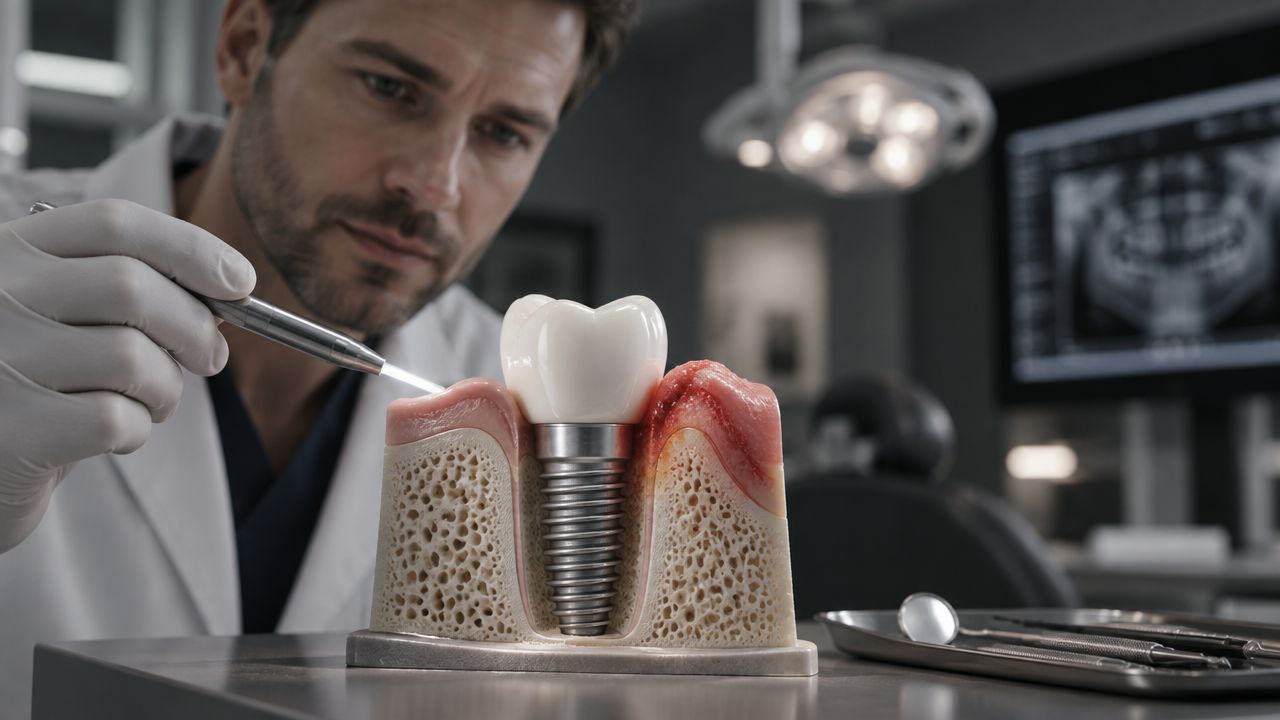
The part most patients need help understanding is the structure. The pontic is the replacement tooth that fills the gap. The abutment teeth are the natural teeth that support the bridge. Because the pontic sits above the gum rather than growing from it, there's a narrow area underneath where your toothbrush bristles usually can't reach.
That's why bridge care isn't just “brush a little better.” It usually means using specific tools that can get under and around the restoration without hurting the gums.
Why patients get confused
Many individuals have spent their entire lives hearing about brushing and flossing. Then they get a bridge and suddenly hear terms like floss threader, proxy brush, or water flosser. It can sound more complicated than it really is.
A simpler way to understand it is:
- A toothbrush cleans the outside surfaces
- A bridge cleaner reaches underneath and between
- Your routine works best when both are used together
Practical rule: If your brush can't physically touch the space under the bridge, you need another tool for that job.
Some people prefer floss threaders because they like the feel of mechanical cleaning. Others do better with interdental brushes because they're quicker to handle. Patients with dexterity issues often find a water flosser easier to use consistently. The best option is the one you can use correctly every day.
Bridge care is a long-term partnership
A bridge isn't a one-time event. It's part of an ongoing relationship between you and your dentist. Home care protects the bridge day to day, while professional exams and cleanings catch small problems before they turn into major ones.
If you're looking for a dentist near me, a dentist in Chattanooga, TN, or a dentist in Cleveland, TN to help you care for a bridge, it helps to work with a team that treats follow-up care as part of the treatment, not as an afterthought. That support matters whether you already have a bridge, are considering dental implants near me, or may need other restorative options such as same-day crowns.
Why Proper Bridge Cleaning is Non-Negotiable
A bridge can look solid and feel stable while problems start at the edges. The weak point usually isn't the visible porcelain. It's the area where plaque sits around the supporting teeth and under the bridge where a standard toothbrush misses.
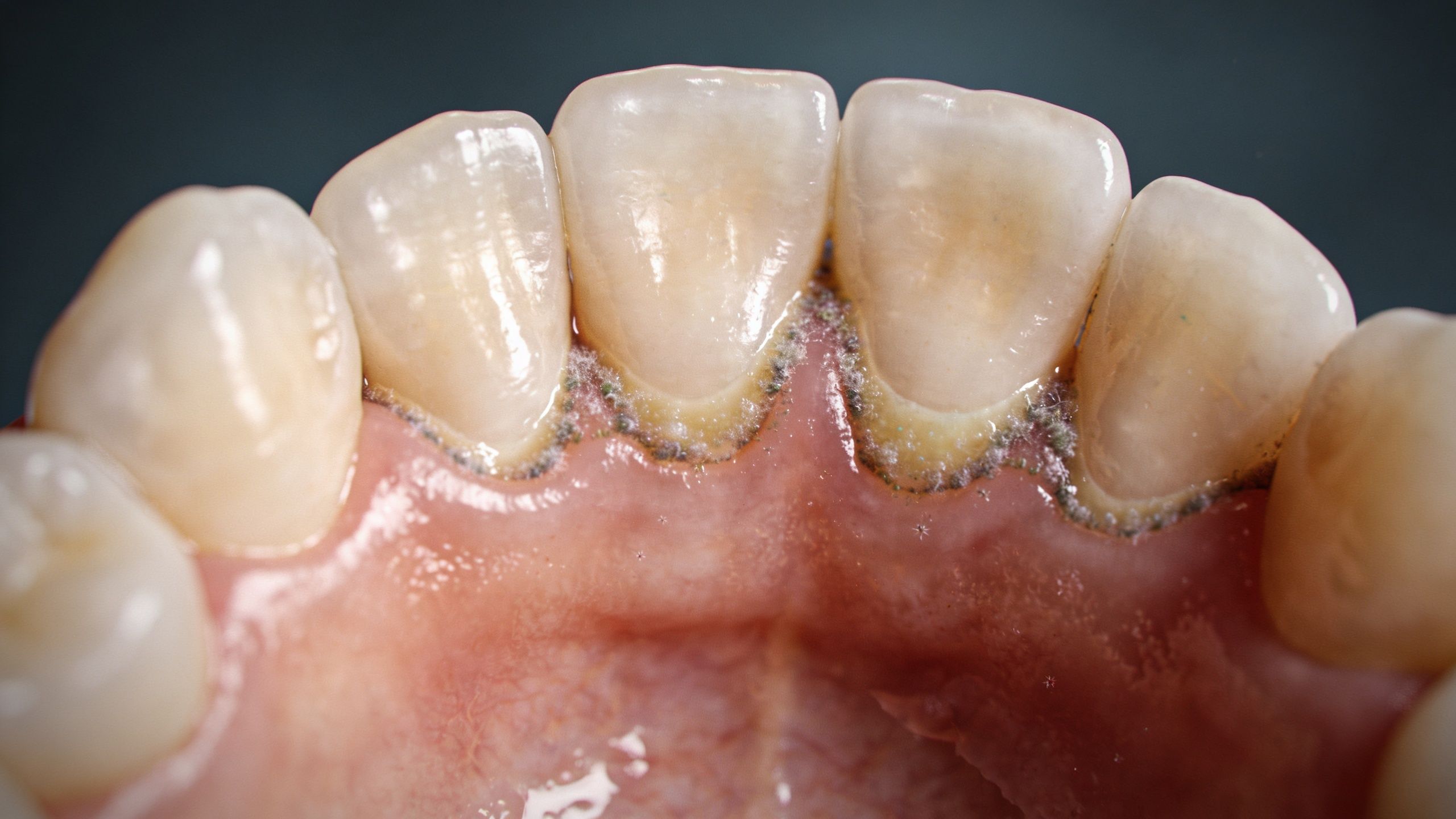
When plaque stays trapped, the gums can become irritated. Food debris can create odor. Of greater concern, the teeth holding the bridge can start to decay where the margins meet the restoration. That's the kind of problem people usually can't see on their own.
What's really at risk
A bridge depends on healthy support. If the supporting teeth weaken, the whole restoration is in danger. That's why cleaning under a bridge isn't cosmetic maintenance. It's structural maintenance.
According to this clinical discussion of fixed bridge hygiene, dental bridges have a documented failure rate of approximately 60% within 7-12 years, primarily due to decay around the margins of supporting teeth. The same source notes that replacement can cost $2,000-$5,000 per bridge.
Those numbers explain why bridge hygiene deserves daily attention. A few minutes of cleaning protects a much larger investment.
What neglect usually looks like at home
Patients don't usually say, “I think I have plaque around my abutment teeth.” They say things like:
- Food keeps getting stuck
- My breath doesn't feel fresh
- The gums around the bridge look red
- That side feels harder to clean, so I avoid it
Each of those complaints can point to biofilm buildup around a bridge. Avoiding the area often makes the problem worse.
A bridge doesn't fail all at once. Small hygiene problems tend to come first.
Why brushing alone isn't enough
Brushing twice a day is still important. It cleans the outer surfaces of the bridge, the gumline, and the nearby teeth. But it can't slide under a fixed pontic. That's the missing piece for many patients.
Think of bridge cleaners for teeth as specialty tools for a specialty shape. They help remove what your toothbrush leaves behind. That includes plaque under the artificial tooth, debris near the gumline, and buildup around the supporting teeth where decay often begins.
If you've had a bridge placed as part of restorative dentistry, or you're comparing a bridge with options like cosmetic dentist near me services, crowns, or implants, hygiene should be part of the decision. The bridge itself is only part of the outcome. The daily care that follows is what helps it last.
Your Toolkit The Best Bridge Cleaners for Teeth
The best cleaning kit is usually small. Most patients don't need a drawer full of gadgets. They need a few tools that each do one job well.
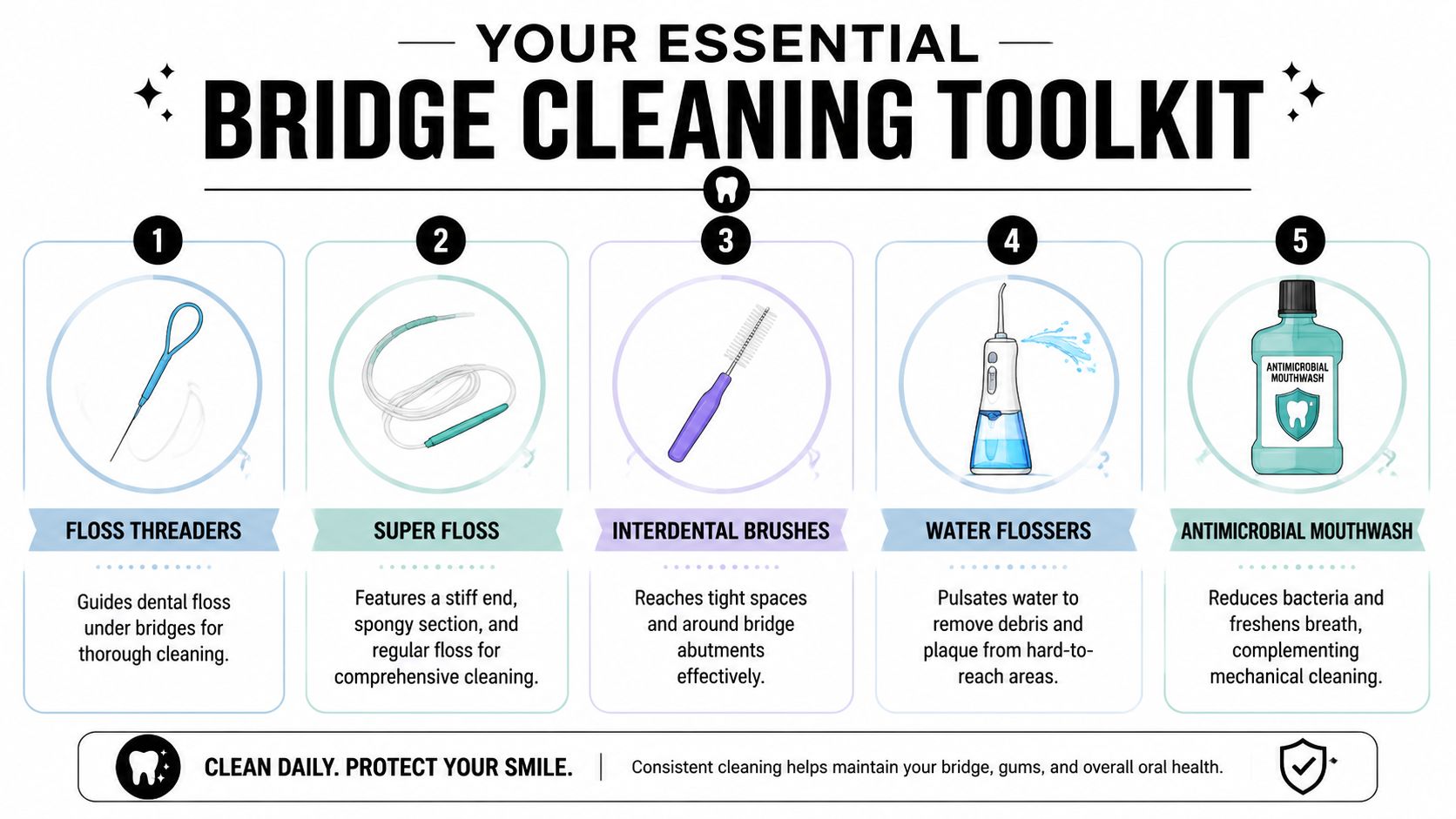
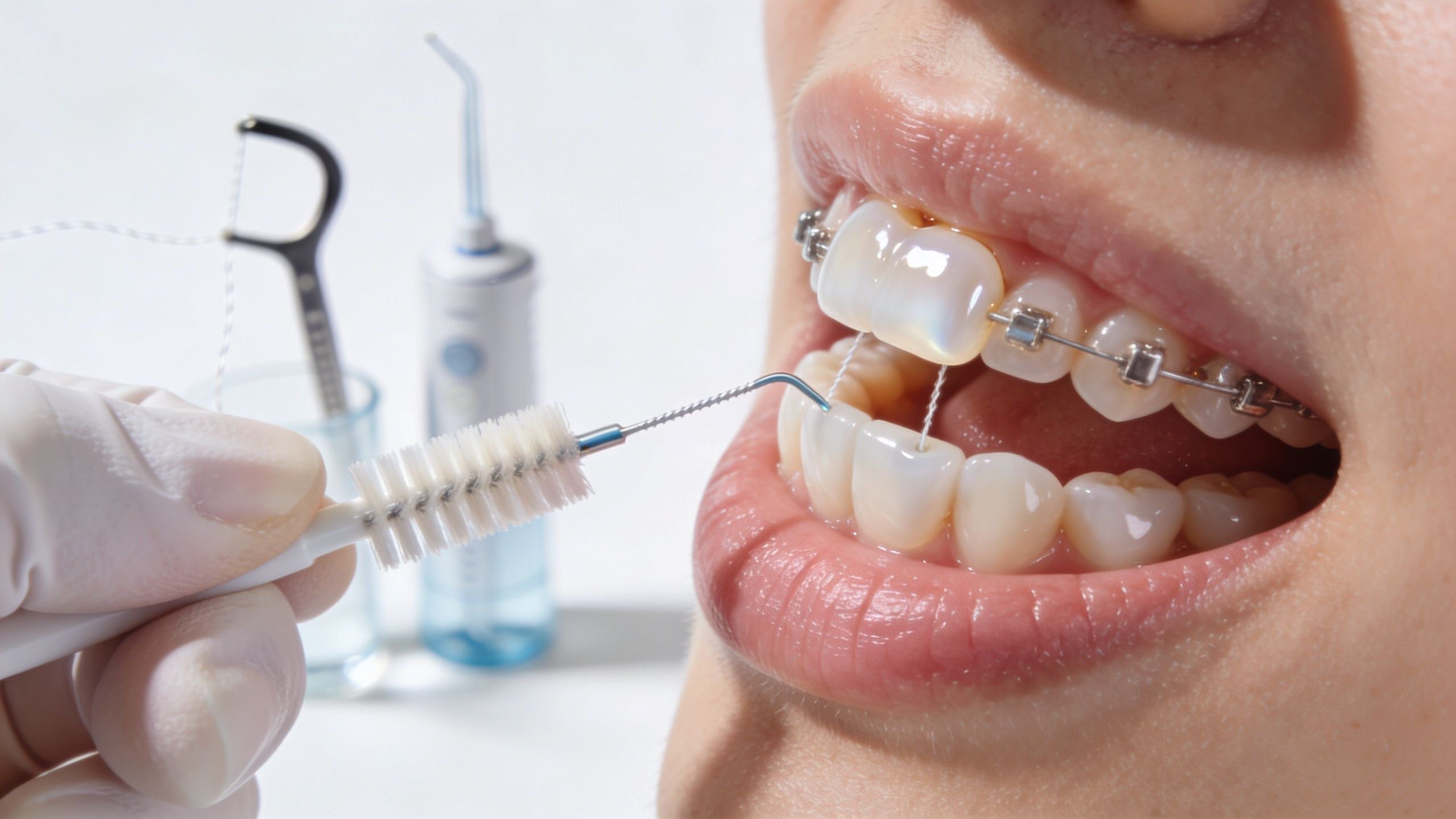
Floss threaders and Super Floss
A floss threader is a small flexible loop that helps guide floss under the bridge. It turns regular floss into something you can position beneath the pontic. For patients who want a very targeted clean, this is often the most familiar starting point.
Super Floss combines a stiff end, a spongier middle section, and regular floss. That design can make bridge cleaning easier because you don't have to pair separate floss with a separate threader.
These tools are often a good fit for people who:
- Prefer direct contact cleaning
- Don't mind spending a little more time on technique
- Want to feel exactly where the floss is going
The tradeoff is ease of use. If hand coordination is difficult, flossing under a bridge can feel fiddly at first.
Interdental brushes
An interdental brush, sometimes called a proxy brush, is a tiny brush that slips into tight spaces around the bridge. This tool is especially helpful for cleaning around the supporting teeth and certain open areas beneath or beside the bridge.
According to a review on interdental cleaning, interdental brushes used daily with toothbrushing have been shown to outperform floss for proximal cleaning, and a 2014 study found straight interdental brushes achieved superior plaque removal over angled variants and floss, with plaque reduction scores 20-30% higher in critical areas under bridges.
That doesn't mean every patient should stop flossing. It means interdental brushes deserve serious consideration, especially if floss hasn't been working well for you.
Good fit: Interdental brushes often work best when there's enough space for the brush to pass gently without force.
Water flossers
A water flosser uses a pressurized stream of water to flush debris from under and around a bridge. Many patients like it because it feels cleaner and easier than threading floss, especially around back teeth.
Water flossers are often useful for:
- People with limited dexterity
- Patients with gum tenderness
- Anyone who struggles with food traps under the pontic
They're excellent for rinsing and flushing, but they work best when paired with solid brushing and, in many cases, another interdental tool.
Antimicrobial mouthwash
Mouthwash doesn't replace mechanical cleaning. It can't scrub plaque off the bridge or supporting teeth. But as a finishing step, it can freshen breath and support a cleaner-feeling mouth after brushing and interdental cleaning.
Use it as a complement, not the main event.
Comparing Dental Bridge Cleaning Tools
| Tool | Best For | How It Works | Pro-Tip |
|---|---|---|---|
| Floss Threader | Tight spaces under a fixed bridge | Guides floss beneath the pontic for manual plaque removal | Go slowly and hug the side of the supporting tooth instead of snapping the floss |
| Super Floss | Patients who want an all-in-one floss option | Uses a stiff end to thread and a thicker segment to clean under the bridge | Keep gentle tension so the floss wipes rather than saws |
| Interdental Brush | Open spaces around abutment teeth and bridge margins | Small brush sweeps plaque from hard-to-reach areas | Ask your dentist to size it correctly so it slides without scraping |
| Water Flosser | Food traps, back teeth, and easier daily rinsing | Pulsed water flushes debris and plaque from under and around the bridge | Aim along the gumline and beneath the bridge, not randomly across the teeth |
| Antimicrobial Mouthwash | Breath support after mechanical cleaning | Rinses the mouth after debris has been disrupted | Use it after brushing and bridge cleaning, not instead of either one |
Your Daily and Weekly Bridge Cleaning Routine
Good bridge care works best when it feels repeatable. You don't need a complicated ritual. You need a sequence you can follow even on a busy night.
Start with your toothbrush. Use a soft-bristled brush and clean around the bridge just as carefully as you clean your natural teeth. Focus on the gumline where the bridge meets the supporting teeth. The goal is gentle disruption of plaque, not hard scrubbing.
A brushing technique refresher can help if you're unsure whether your daily routine is reaching the gumline effectively. This guide to better tooth brushing techniques is a useful companion to bridge care.
The daily routine that protects the bridge
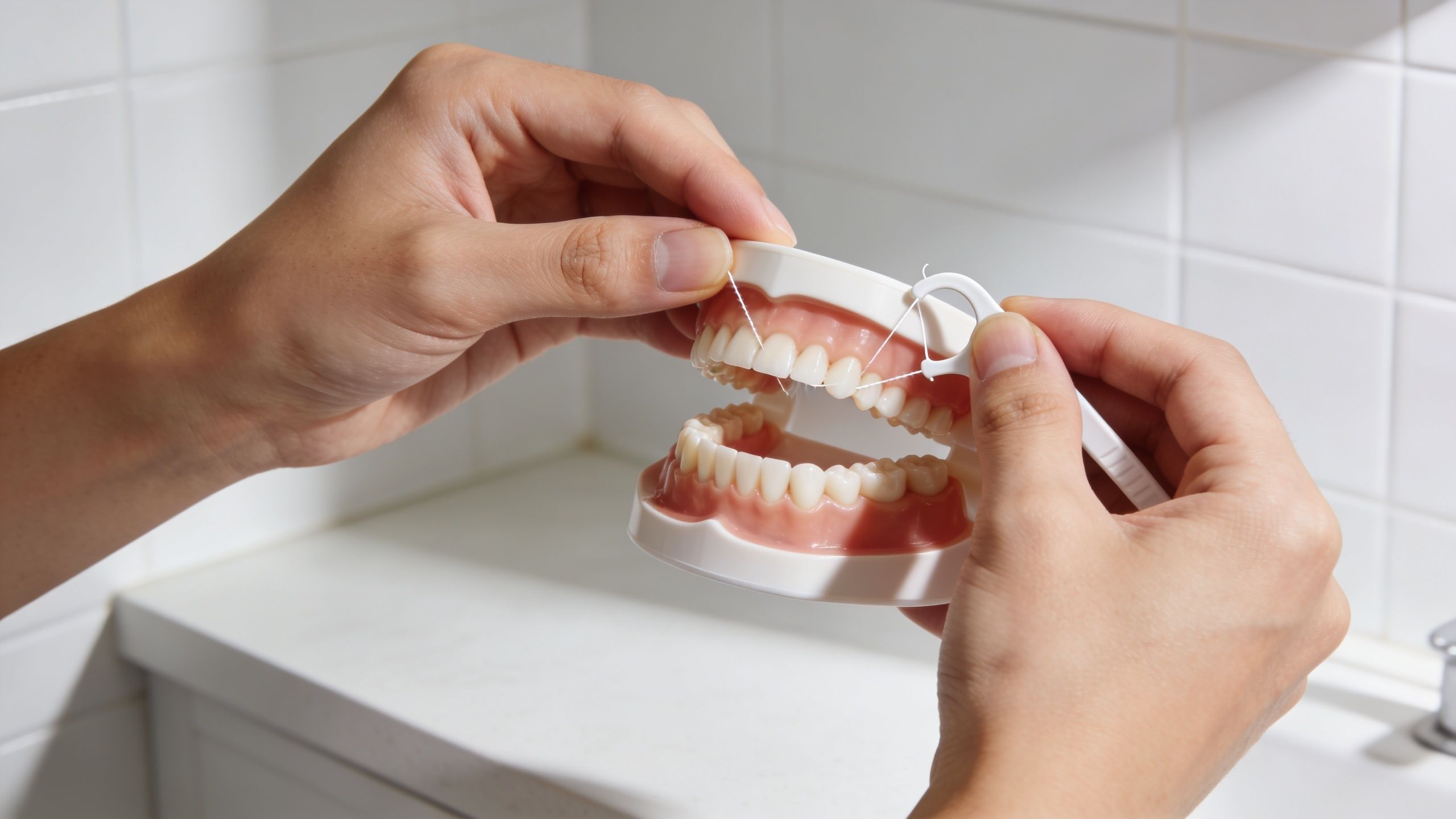
After brushing, clean under the pontic with your chosen tool. If you use a floss threader or Super Floss, guide it under the bridge and wipe along the underside of the false tooth and the sides of the supporting teeth. Move with control. Don't snap or force the floss into the gums.
If you use an interdental brush, slide it gently into the space your dentist recommended. It should feel snug, not tight. The brush should clean by contact, not by pressure.
A water flosser can follow as a flushing step. In a 2024 clinical trial comparing bridge cleaning methods, water flossers showed a superior reduction in the inflammation biomarker IL-6 at 42%, compared with 28% for floss and 35% for interproximal brushes. That finding supports what many patients notice at home. Water flossers can be very effective for reducing inflammation around hard-to-clean areas when used properly.
If a bridge area bleeds a little when you first start cleaning it well, that may reflect existing irritation. If bleeding continues, gets heavier, or cleaning hurts, it's time for professional guidance.
Here's a simple daily flow many patients can stick with:
- Brush first to remove plaque from visible surfaces and the gumline
- Clean under the bridge with floss threaders, Super Floss, or an interdental brush
- Flush the area with a water flosser if you use one
- Rinse last with mouthwash if it's part of your routine
The weekly reset
Once or twice each week, slow down and check your bridge area more carefully in the mirror. Look for gum redness, trapped debris, or spots where your tool doesn't seem to reach well. This is also a good time to clean your water flosser tip or replace worn interdental brushes.
A short demonstration can make the hand motions easier to understand than written instructions alone:
What proper technique feels like
Proper bridge cleaning usually feels deliberate and gentle. It should not feel like scraping, jabbing, or forcing a tool into place. If your floss shreds, your brush bends sharply, or your gums feel torn up afterward, your technique or tool size may need to change.
That's why two people with the same type of bridge may not use the same toolkit. The best routine is the one matched to your bridge design, gum condition, and comfort level.
Troubleshooting Food Traps Bad Breath and Gum Irritation
The most common bridge complaints are practical ones. Food gets stuck. Breath doesn't feel fresh. The gums look irritated, and patients wonder whether they're doing something wrong.
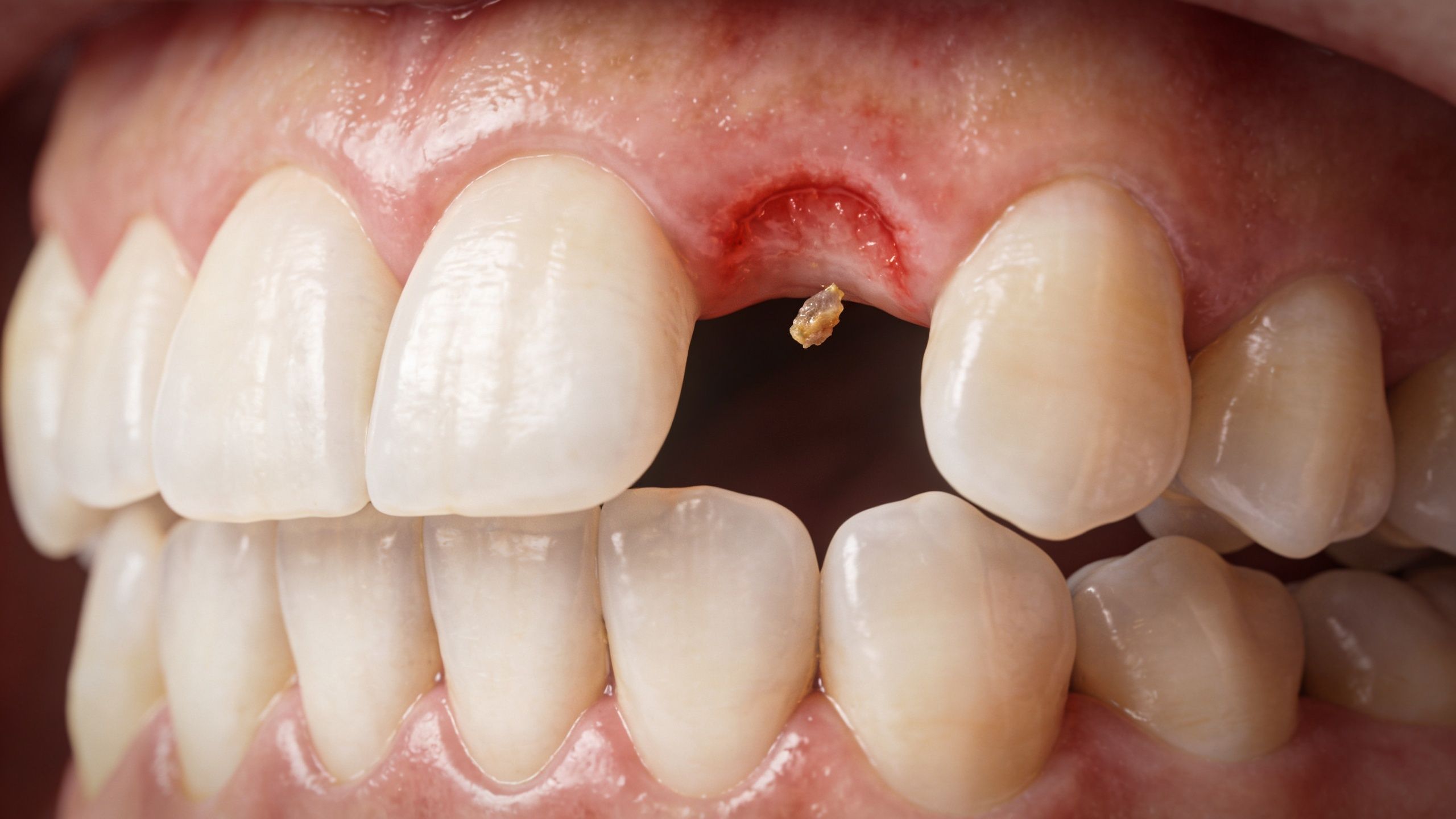
If food keeps getting trapped
Start by changing the order of your routine. Brush, then clean under the bridge, then flush with water. If you only brush, loose debris may stay tucked underneath. If you only water floss, sticky plaque may remain attached.
If the area feels stubborn, a water flosser often helps dislodge trapped particles more comfortably than repeated picking with floss. And if something is painfully wedged in the gum, this guide on what to do when something is stuck in your gum can help you decide what's safe at home and what needs attention.
If your breath still smells off
Persistent bad breath around a bridge usually means bacteria are lingering in an area that isn't being cleaned thoroughly. Check whether you're reaching the underside of the pontic and both sides of the supporting teeth. Mouthwash can help with freshness, but it won't solve buildup that's still physically attached.
A sour smell, repeated bad taste, or odor that comes back quickly can also mean the bridge area needs a professional exam.
If the gums feel sore or bleed
Technique matters. In the same clinical trial referenced earlier, 22% of floss users reported gum trauma, while improper interproximal brush sizing led to enamel abrasion in 15% of users. Those findings come from the bridge cleaning study discussed in the daily routine section, and they're a good reminder that the wrong tool or the wrong size can create new problems.
Try these adjustments first:
- Use less force if you've been sawing floss or pushing a brush too hard
- Check the brush size because an interdental brush should glide, not scrape
- Slow down so the tool follows the shape of the tooth and bridge instead of jabbing the gum
- Switch tools if one method consistently causes discomfort
Bleeding that improves as plaque is removed is different from pain caused by an aggressive tool. The first can settle down. The second needs correction.
Call your dentist if irritation continues, if the bridge feels loose, if you notice swelling, or if the area has persistent odor or tenderness. Troubleshooting at home is useful. It has limits.
When to Visit Your Chattanooga Dentist for Professional Care
Even a strong home routine can't remove tartar once it hardens. It also can't confirm whether the bridge margins still fit well, whether a supporting tooth is developing decay, or whether gum inflammation is tied to something deeper.
That's where professional care changes the picture. A dental exam and cleaning give your dentist a chance to check the bridge itself, the health of the abutment teeth, and the tissues around it. If something looks off, you can address it early instead of waiting for discomfort or damage to build.
This matters whether your needs are preventive or restorative. Some patients need routine cleanings and exams. Others may need treatment to protect a supporting tooth, such as a same-day crown. Some eventually decide that a different long-term replacement option, including implants, fits their goals better. If you're comparing a bridge with dental implants near me, or you're also looking for an emergency dentist, tooth extraction, or a cosmetic dentist near me, it helps to work with one team that can look at the full picture of your oral health.
A good bridge care plan should leave you feeling clear, not overwhelmed. You should know what tool to use, what warning signs to watch for, and when to come in for help. If you're in Chattanooga, Cleveland, or nearby service areas, staying ahead of bridge problems is often much simpler than fixing them later.
If you'd like help choosing the right bridge cleaners for teeth, improving your technique, or checking the health of an existing bridge, Winn Smiles offers patient-centered care in Chattanooga and Cleveland, TN. Schedule a visit for a cleaning, exam, or restorative consultation and get a bridge care plan that's built around comfort, clarity, and long-term results.