You’re eating dinner, everything seems fine, and then one spot in your mouth starts needling you. It might feel like a popcorn hull, a seed, or a tiny shred of meat is tucked under the gum and refuses to move. You can’t stop touching it with your tongue, flossing hasn’t helped, and now you’re wondering if this is something you should wait out or something that needs an emergency dentist.
That feeling is common, but it’s not something to ignore. A small piece of debris under the gum can turn a simple nuisance into a sore, swollen area if it stays there. If you’re looking for a dentist near me, an emergency dentist in Chattanooga, TN, or help in Cleveland, TN, knowing what’s safe to try at home and when to stop can save you a lot of pain.
That Annoying Feeling Something Is Stuck in Your Gum
The description tends to be consistent. One exact spot feels sharp, pokey, or swollen. You chew on the other side. You rinse. You floss again. The sensation stays put.
That’s usually what makes this problem so stressful. It’s small, but it’s hard to ignore. If you’re dealing with something stuck in gum tissue, the issue is often less about the size of the object and more about where it’s lodged.

Why this feels more urgent than it looks
There’s a big difference between swallowing something and having something physically caught under the gumline. The old claim that swallowed gum stays in your stomach for 7 years is false. Medical sources note that swallowed gum passes through the digestive system in 24 to 48 hours, and stomach emptying happens in 30 to 120 minutes after ingestion, as explained in Ohio State’s review of the swallowed gum myth.
A piece of food or other debris stuck in gum tissue is different. It doesn’t just pass on its own the way swallowed gum does.
Practical rule: If the sensation is sharply localized to one spot in your gum, treat it like a real dental problem, not a myth or something you should “give time.”
What patients usually notice first
The early signs are often subtle:
- A pinpoint irritation that gets worse when chewing
- Tenderness in one area near a tooth or crown
- A feeling of pressure even when nothing is visible
- Mild swelling or bleeding after repeated flossing
In Chattanooga and Cleveland, this is one of those issues people often hope will disappear by morning. Sometimes gentle cleaning works. Sometimes it doesn’t. The key is knowing the difference between safe home care and the point where more trying only makes the gums angrier.
Identifying the Culprit What Gets Stuck and Why
Some foods are repeat offenders. They’re small enough to slip into tight spaces and firm enough to stay there. Others fray into tiny fibers that wrap around rough edges or drift under the gumline.
The usual troublemakers
A few examples show up again and again in everyday dental care:
- Popcorn hulls because they’re thin and sharp
- Berry or sesame seeds because they’re tiny and easy to miss
- Meat fibers because they can wedge between teeth
- Leafy greens because they fold into narrow spaces
- Nut fragments because they can break into hard little pieces
One patient may notice it after movie night. Another after a salad, barbecue, or seeded fruit. The exact food matters less than the shape and where it lands.
Why one area keeps catching food
If food gets stuck in the same place over and over, there’s usually a reason. Common causes include crowded teeth, spaces that naturally trap debris, gum recession, or edges around dental work that create a catch point.
A simple way to think about it is this:
| Situation | Why food catches there |
|---|---|
| Tight contact between teeth | Debris gets pinched and won’t rinse out |
| Slight gum recession | Food can slide lower than normal brushing reaches |
| Crowded or rotated teeth | Irregular angles create hiding spots |
| Crown or filling margin | Tiny ledges can trap fibers or seeds |
A stuck object often says as much about the shape of the area as it does about the food itself.
Special consideration for restorations
If you have a crown, bridge, or other restorative work, don’t assume the problem is just “bad flossing.” Restored teeth can create unusual contours that collect food differently than natural enamel. That doesn’t mean something is wrong with the restoration, but it does mean the area may need a more deliberate cleaning method or a professional adjustment if the problem keeps returning.
Safe First Steps for At-Home Removal
When you feel something stuck in gum tissue, the first goal is gentle removal, not aggressive removal. Most of the damage happens when people panic and start digging with whatever is nearby.
Start with rinsing and a calm check
Rinse with warm water and swish around the area for several seconds. Sometimes that’s enough to loosen soft debris before the gum becomes more irritated.
Then look in the mirror under good lighting. If you can see the debris and it looks superficial, that helps. If you can’t see anything, don’t start probing blindly.
Avoid using fingernails, pins, tweezers, or wooden toothpicks under the gum. Those tools can cut the tissue, push the object deeper, or leave behind splinters.
How to use floss when standard flossing fails
Technique matters. Standard back-and-forth flossing often misses debris that’s slipped below the gumline. More targeted flossing can work better.
Effective removal often requires a specialized method. Form the floss into a C shape against the tooth, guide it gently below the gumline, and sweep upward along the tooth surface. Standard horizontal flossing often fails for subgingival debris, which is why patients report it as ineffective in 30 to 40% of these cases, as described in this review of specialized flossing for debris stuck under the gumline.
A practical sequence looks like this:
- Ease the floss through the contact with control, not force
- Wrap the floss around the tooth in that C shape so it hugs the side
- Slide it gently below the gumline only as far as it goes comfortably
- Sweep upward several times rather than sawing side to side
- Stop if bleeding or pain ramps up instead of trying harder
If you want a visual refresher on the basics before trying this, learn how to floss properly with a simple guide that shows the hand position and tooth-hugging motion clearly.
If floss feels like it’s scraping the gum instead of gliding along the tooth, reset your angle before trying again.
When a water flosser makes sense
A water flosser can help when the object is loose enough to flush out but too deep for standard floss to catch easily. Use a gentle setting and direct the stream along the gumline, not into the tissue with force.
What doesn’t work well is repeating the same failed move over and over. If a couple of careful attempts haven’t helped, the gums usually need less pressure, not more.
Red Flags That Demand an Emergency Dentist Visit
A small trapped object can stay small. It can also become an inflamed, infected area that’s much harder to ignore. The shift usually shows up in your symptoms before you ever see it.
Signs you should stop trying at home
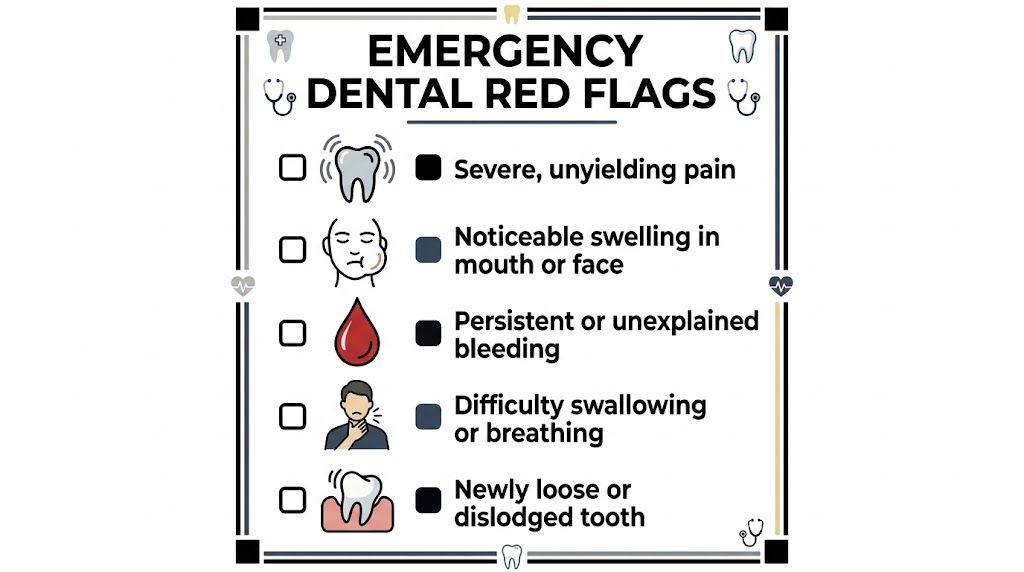
If any of these are happening, home care has reached its limit:
- Severe pain that is sharp, throbbing, or getting worse
- Visible swelling in the gum, cheek, or jaw
- Persistent bleeding that doesn’t settle
- A bad taste or drainage that suggests infection
- Trouble swallowing or breathing
- A tooth that suddenly feels loose
Why waiting can backfire
At first, this is a mechanical problem. Something is stuck. If it stays there, the gum tissue reacts. The area swells, gets more tender, and becomes harder to clean. Once that happens, what started as debris can turn into a more painful gum infection or abscess.
This is especially important if the area is getting larger, not smaller, or if chewing on that side feels impossible. The more inflamed the gums become, the less useful home tools tend to be.
Pain that localizes to one spot and worsens after repeated attempts is a signal to stop, not a sign you should keep going.
When to contact an emergency dentist
If you need prompt care, don’t wait for the discomfort to “declare itself.” It already has. If you’re searching for an emergency dentist in Chattanooga or Cleveland, this is the kind of issue that deserves a same-day call when swelling, persistent pain, or bleeding enters the picture.
Emergency dental care isn’t only for broken teeth or dramatic injuries. A lodged object under the gum can become urgent quickly when soft tissue starts reacting around it.
How Winn Smiles Provides Relief in Chattanooga and Cleveland
A stuck hull, seed, or fiber under the gum can feel small and miserable at the same time. Once home care stops helping, the safest next step is a focused exam, gentle removal, and a check for the reason that spot keeps catching food.

What professional removal usually involves
Office care is more controlled than anything you can do in the bathroom mirror. We use better lighting, magnification, irrigation, and instruments made for narrow spaces, so the gum can be treated gently instead of getting poked over and over.
That visit may include:
- A focused exam to pinpoint the irritated area
- Careful removal with instruments designed for tight spaces
- Irrigation of the area to wash away remaining debris
- Evaluation of the tooth and gum to see why the material lodged there
- Follow-up recommendations if a crown edge, open contact, or gum pocket contributed
For patients searching dentist in Chattanooga, TN, dentist near me, or emergency dentist care, this is often a short visit with quick relief once the area is cleaned properly.
Help for patients with dental anxiety
This kind of problem can feel bigger than it looks. Patients often come in worried they made things worse by flossing too hard or trying tweezers at home. That concern is understandable.
A comfort-focused appointment helps. Clear explanations, a slower pace, topical numbing when appropriate, and sedation options for patients with high anxiety can make the visit feel manageable. At Winn Smiles, we take that part seriously because a problem that seems minor on paper can still feel overwhelming in the chair.
Some gum problems are physically small and emotionally intense. Good care addresses both.
Special care around implants and full-arch restorations
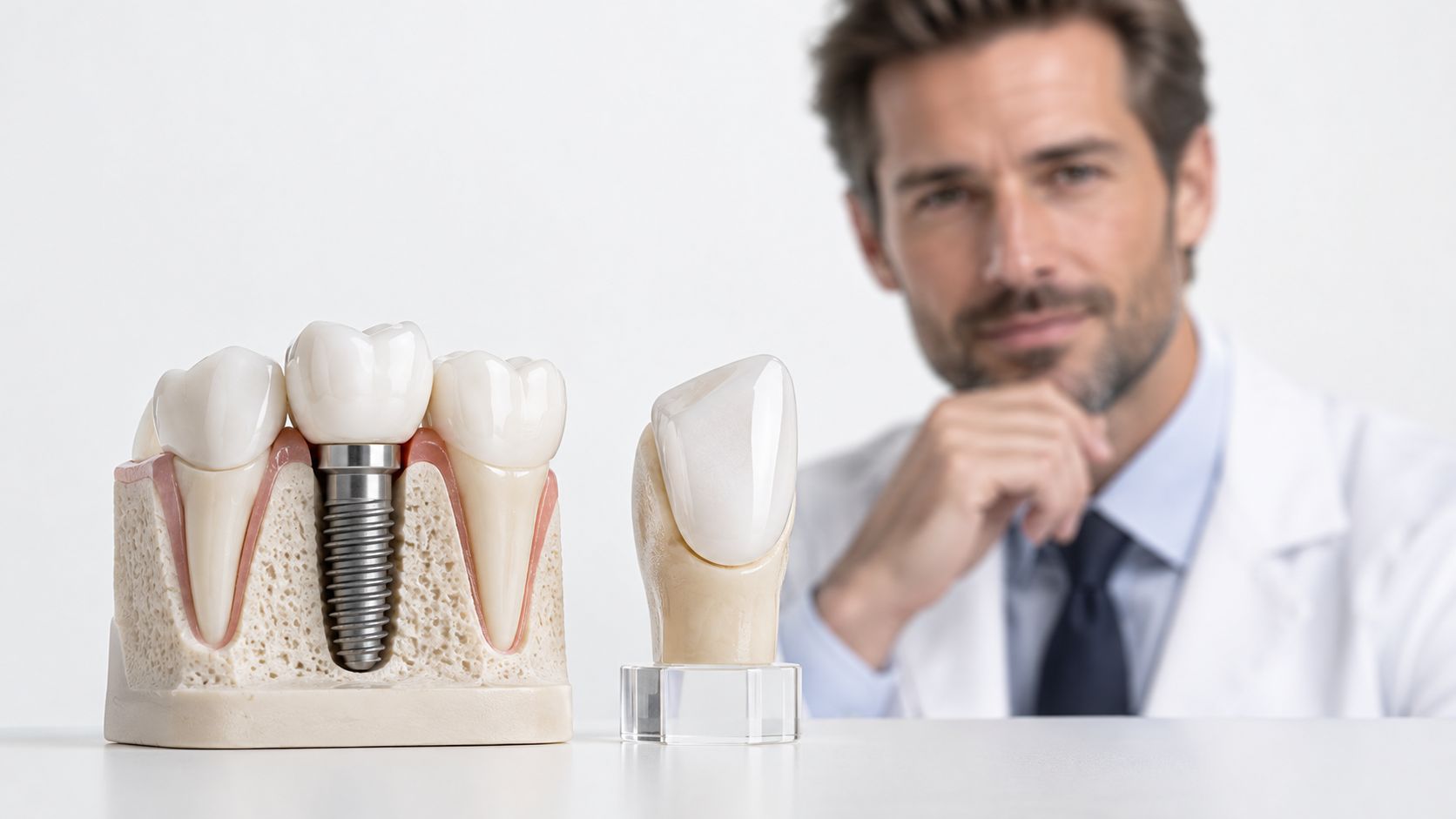
Patients with implants need different instructions than patients with natural teeth. A piece of food caught near an implant crown or under a full-arch prosthesis should not be scraped aggressively with household tools, metal picks, or forceful floss snaps. Those attempts can irritate the tissue or damage the surface around the restoration.
In those cases, treatment focuses on implant-safe cleaning, irrigation, and checking the surrounding tissue for inflammation. If food trapping keeps happening, the visit should also assess the shape of the restoration, the contact between teeth, and the health of the gum around it. Patients who have struggled with recurring soreness may also benefit from guidance on ways to improve gum health naturally, especially when inflammation is making debris harder to clear.
Winn Smiles may also use laser dentistry for soft-tissue management when the tissue is irritated, along with sedation options for anxious patients and a careful evaluation of implant or full-arch areas that trap food repeatedly.
Here’s a short look at the kind of patient concerns that matter during treatment:
| Patient situation | What the visit should focus on |
|---|---|
| Natural tooth with a trapped hull or seed | Removal, irrigation, and tissue check |
| Crown or filling keeps catching food | Check contact, margin, and gum response |
| Dental implant area feels sore | Implant-safe cleaning and peri-implant tissue evaluation |
| High anxiety about treatment | Comfort options and a slower, explained approach |
A closer look at one of the tools patients often ask about can help:
What to expect at your appointment
Most visits for this issue are straightforward. You describe where the sensation is, the team checks the area closely, and treatment starts with getting you comfortable.
If the same site traps food again and again, that pattern matters. Relief is important, but so is finding the cause. A cracked filling, a rough crown edge, gum recession, an open contact, or a deeper pocket can all create a spot where debris packs in easily.
Care may also connect with cleaning and exams, dental x-rays, periodontal evaluation, restorative dentistry, or replacement of worn dental work. Catching the source early usually means less irritation, less repeat trouble, and a simpler fix.
Preventing Future Incidents and Maintaining Healthy Gums
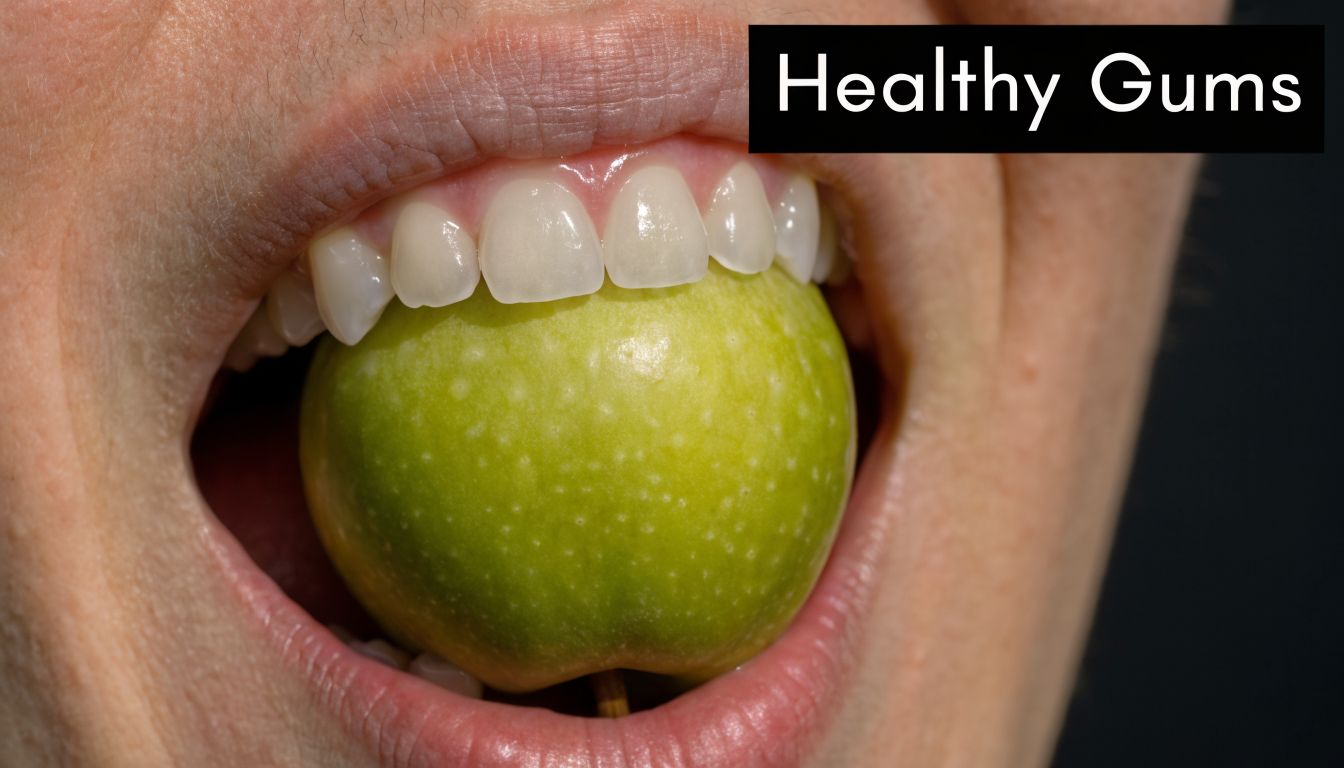
Once you’ve had something stuck under the gum once, you usually remember the feeling. Prevention comes down to reducing the chance of debris packing into vulnerable spots and keeping the gums healthy enough to resist irritation.
Small habits that make a big difference
Be more cautious with foods that tend to splinter or seed easily. Popcorn, seeded berries, fibrous meats, and leafy greens aren’t off limits, but slower chewing helps.
Daily cleaning matters too. Brushing removes surface buildup, but the spaces between teeth need attention from floss or another tool that fits your mouth well. If one area catches food repeatedly, don’t just work harder. Mention it at your next exam.
One simple habit after meals
Chewing sugar-free gum for 10 minutes after a meal can trap and remove up to 100 million bacteria, helping clean the teeth and reduce debris that could get stuck, according to a peer-reviewed study available through PMC on chewing gum and bacterial trapping.
That doesn’t replace brushing, flossing, or professional care. It’s a useful add-on, especially after meals when you can’t clean right away.
Why regular dental visits matter
A routine exam can reveal the patterns behind repeated food trapping. Dentists look for recessed gums, rough restorative margins, spaces between teeth, and early gum inflammation. Those are the details that often explain why the same site becomes a problem.
For more practical daily tips, this guide on how to improve gum health naturally is a helpful next read.
Frequently Asked Questions About Gum Discomfort
Can a water flosser get it out
Sometimes, yes. A water flosser can help if the debris is loose enough to be rinsed away gently. Keep the pressure low and aim along the gumline. If the area is getting more painful or swollen, stop trying and schedule care.
How long is too long to wait before calling a dentist
If the sensation isn’t improving, or if home removal attempts are making the gum more irritated, it’s time to call. You should also contact a dentist sooner if you notice swelling, bleeding that won’t settle, or pain that interferes with eating.
Could it be something other than food
Yes. What feels like something stuck could be irritation from the gum itself, a rough edge on a tooth or restoration, or a sore spot. If the tissue looks ulcerated rather than packed with debris, information on mouth ulcers may help you tell the difference before your visit.
Does dental insurance cover an emergency visit for this
Coverage depends on your plan. Many patients do have benefits for emergency evaluation, but the exact amount varies. The fastest approach is to call the office and ask what information to bring so the team can review benefits with you.
Should I try to sleep on it and see if it’s better tomorrow
Only if it’s mild and improving. If it’s getting sharper, more swollen, or more tender, waiting usually means a rougher night and angrier gums in the morning.
If you’ve got something stuck in gum tissue and home care isn’t helping, Winn Smiles can help you get the area evaluated and treated in Chattanooga or Cleveland. Whether you need an emergency dentist, help around a crown or implant, or a calm visit with sedation options, the next step is simple. Call and schedule care before a small irritation turns into a more painful problem.