Invisalign: What It Is, How It Works, and Who It’s For
A straight, healthy smile is something many of us desire, but the path to getting there hasn't always been appealing. For decades, traditional metal braces were the primary option for correcting misaligned teeth. While effective, the prospect of brackets, wires, and dietary restrictions often deterred adults and teens from seeking treatment. You might have found yourself wishing for a solution that didn’t broadcast your dental work to the world.
Fortunately, orthodontic technology has evolved significantly. Clear aligner therapy has emerged as a popular alternative, shifting teeth into place without the visual impact of metal hardware. Among these options, Invisalign stands out as a leading choice for patients seeking a discreet, comfortable way to improve their smile. It allows you to address orthodontic concerns while maintaining your professional image and daily lifestyle.
Whether you have always wanted to fix a gap in your front teeth or you are noticing crowding as you get older, understanding your options is the first step. This guide covers the essentials of clear aligner therapy, detailing how the technology works, the specific benefits it offers over traditional methods, and what you can expect from the process at Winn Smiles.
Introduction to Invisalign
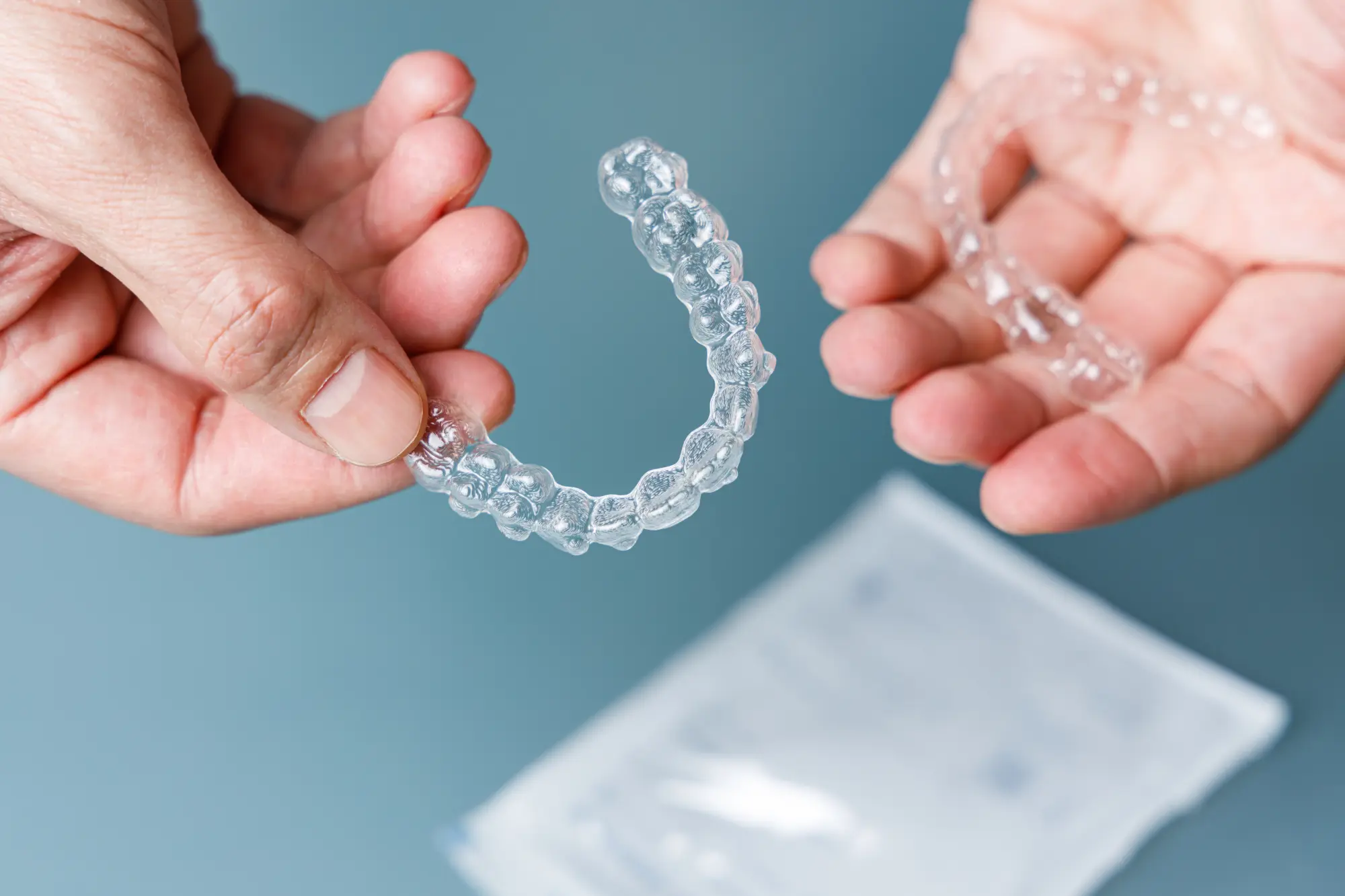
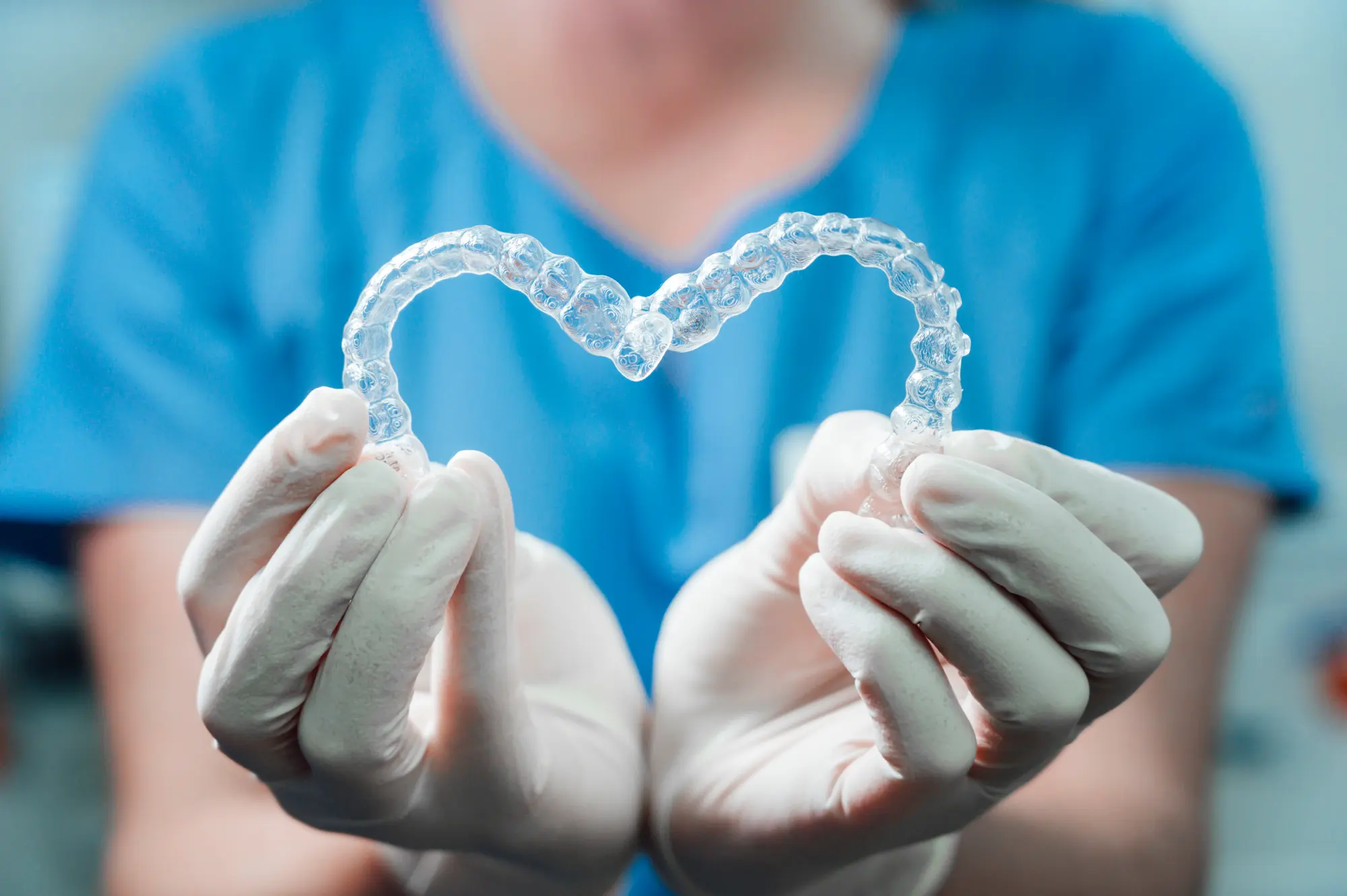
Invisalign is an orthodontic treatment system that uses a series of custom-made, clear plastic aligners to move teeth. Unlike traditional braces, which rely on fixed brackets and wires to apply tension, these aligners are removable and virtually invisible when worn. This makes them an attractive option for anyone who feels self-conscious about the aesthetic of metal appliances.
The system gained popularity because it solved the biggest complaints associated with orthodontics: visibility and discomfort. The aligners are made from a proprietary thermoplastic material designed specifically for medical use. They fit snugly over your teeth, applying controlled force to specific teeth at specific times. As you progress through the series of aligners, your teeth gradually move toward their projected final positions.
How Invisalign Works
The journey to a straighter smile with Invisalign is highly structured and digital-focused. It eliminates much of the guesswork associated with manual adjustments of metal wires. Here is what the typical process looks like, from the first appointment to the final reveal.
The Initial Consultation
Everything begins with an assessment. Not every smile is right for every treatment, so a dentist must examine your teeth, gums, and jaw structure. During this visit, you will discuss your dental cosmetic goals and any functional issues, like difficulty chewing or jaw pain. This is the time to ask questions about timelines and expectations.
Digital Scanning and Planning
If you are a good candidate, the next step involves gathering precise data. Instead of uncomfortable, gooey physical impressions that make you gag, modern providers often use 3D intraoral scanners. These devices create a detailed 3D digital model of your teeth in minutes.
Using this digital model, your dentist maps out the exact movements of your teeth. You can often see a virtual representation of how your teeth will move during each stage of the treatment and what the final result should look like before you even wear the first tray.
Fabrication and Fitting
Once the plan is finalized, the data is sent to a lab where your custom aligners are fabricated. You will receive a series of trays—typically several sets at a time. When you pick them up, your dentist will ensure the first set fits correctly and explain how to insert and remove them safely.
The Treatment Phase
You wear each set of aligners for about one to two weeks, as directed by your dentist, before switching to the next set in the series. You must wear them for 20 to 22 hours a day, removing them only to eat, drink, brush, and floss.
You will visit the dental office periodically—usually every six to eight weeks—so the team can monitor your progress and hand off the next batch of aligners. These check-ups are generally shorter and less invasive than wire-tightening appointments for braces.
Refinement and Retention
After you finish your last set of trays, your dentist will assess the final position of your teeth. Sometimes, a few stubborn teeth need a little extra help, requiring a short phase of "refinement" trays. Once the treatment is complete and you are happy with the smile, you will transition to retainers. Retainers are crucial to prevent teeth from shifting back to their original positions.
Benefits of Invisalign
While the dental cosmetic advantage is the most obvious selling point, the benefits of clear aligners extend into hygiene, comfort, and lifestyle freedom.
Aesthetic Appeal
The primary reason patients choose this method is discretion. The clear plastic is difficult to detect from a conversational distance. This is particularly valuable for adults in client-facing jobs or teens who are sensitive about their appearance in photos and social settings. You can undergo significant dental correction without it being the central feature of your face.
improved Oral Hygiene
Traditional braces present a major challenge for dental cleaning. Food gets trapped in brackets and wires, and flossing requires threading the floss between the main wire and the gum line—a tedious task that many patients neglect. With Invisalign, you simply remove the aligners. You can brush and floss normally, ensuring your gums stay healthy and your breath stays fresh throughout treatment.
Dietary Freedom
Brackets come with a long list of forbidden foods: popcorn, sticky candy, hard nuts, and whole apples are off-limits because they can break the hardware. Since you take your aligners out to eat, there are no food restrictions. You can continue to enjoy corn on the cob, chewy bagels, and crunchy snacks without fear of an emergency orthodontic visit.
Comfort and Safety
Metal braces can irritate the soft tissues of the mouth. Wires can poke into cheeks, and brackets can cause sores on the lips. Invisalign trays are smooth and trimmed to the gum line, minimizing irritation. While you will feel pressure when teeth move, you won't have to deal with the sharp edges associated with metal hardware.
Who Is Invisalign For?
Invisalign is versatile, but it is not a catch-all solution for every dental scenario. It is most effective for mild to moderate orthodontic issues.
Ideal Candidates
The treatment is fantastic for fixing:
- Crowded Teeth: When there is not enough room in the jaw for all teeth to fit normally.
- Gapped Teeth: Spacing issues where there are large gaps between teeth.
- Overbite: When the upper teeth bite over the lower teeth.
- Underbite: When the lower teeth protrude past the front teeth.
- Crossbite: When some upper teeth sit inside the lower teeth rather than outside.
- Open Bite: When upper and lower teeth don't meet when the mouth is closed.
Teens and Adults
Invisalign offers specific options for teenagers that include "compliance indicators"—small blue dots that fade as the aligners are worn, helping parents and dentists verify the teen is wearing them enough. For adults, it offers a way to correct relapsed orthodontic work (from braces worn in childhood) or fix lifelong alignment issues without the stigma of "adult braces."
Complex Cases
For severe jaw misalignments or extremely rotated teeth, traditional braces might still be the superior tool because they offer more mechanical leverage. Your dentist will be honest with you if your specific case requires metal orthodontics for the best result.
Taking Care of Your Invisalign Aligners
Protecting your investment involves keeping your aligners clean and clear. Poor maintenance can lead to stained trays that make your teeth look yellow, or worse, trap bacteria against your enamel.
Daily Cleaning Routine
Rinse your aligners with lukewarm water every time you take them out. Hot water is a major mistake; it can warp the thermoplastic, changing the fit and ruining the tray. Brush the aligners gently with a soft-bristled toothbrush and clear liquid soap or a specific aligner cleaning solution. Avoid abrasive toothpaste, which can scratch the plastic and make it look cloudy.
Oral Hygiene Habits
Never put your aligners back in without brushing your teeth first. If you eat and then immediately replace the trays, you trap food particles and sugar directly against the tooth surface. This creates a perfect environment for cavities to form. If you are out for lunch and cannot brush, rinse your mouth thoroughly with water and brush as soon as you get home.
Storage
Always put your dental aligners in their case when they are not in your mouth. Wrapping them in a napkin during a meal is the most common way they get thrown in the trash accidentally. Keep a case with you at work, school, and home to avoid expensive replacements.
Invisalign at Winn Smiles
At Winn Smiles, we believe dental care should be a supportive and positive experience. We treat you like an extension of our dental family, which means we focus on clear communication and putting your needs first. When you choose us for your Invisalign journey, you aren't just getting trays; you are getting a team dedicated to redefining your dental experience.
We understand that visiting the dentist can be stressful for some. That is why we have designed our offices in Chattanooga and Cleveland to be light, airy spaces where you can relax. We offer a personalized comfort menu and sedation options tailored to you, ensuring that every visit—from your initial scan to your final retainer check—is as pleasant as possible.
We are proud to offer free consultations for Invisalign. This allows you to explore the possibility of clear aligners without any financial pressure. Our team will evaluate your smile, discuss the process, and help you determine if this is the right path for your dental health. We want you to feel confident and informed before making a decision.
Addressing Common Concerns
It is natural to have reservations before starting a new medical treatment. Here are the facts regarding the most frequent questions patients ask.
The Cost Factor
Many patients assume clear aligners are significantly more expensive than braces. In reality, the cost is often comparable. The price depends on the complexity of your case and how many aligners you need. During your free consultation at Winn Smiles, we can discuss payment options and check your insurance benefits to help make the treatment affordable.
Treatment Duration
How long does it take? The average treatment time is between 12 and 18 months, though you may start seeing results in a matter of weeks. Simple cases can be faster, while complex alignment issues may take longer. The biggest factor in keeping treatment on track is compliance—wearing your aligners for the required 22 hours a day is non-negotiable for timely results.
Pain and Discomfort
Will it hurt? You will likely experience some pressure or minor discomfort for a day or two after switching to a new set of aligners. This is actually a good sign—it means the trays are working to move your teeth. However, this sensation is generally described as pressure rather than the sharp pain often associated with tightening metal braces.
Ready to Transform Your Smile?
Invisalign offers a modern, lifestyle-friendly solution for straightening teeth. It combines the effectiveness of orthodontic science with the aesthetics and comfort you deserve. By choosing clear aligners, you are investing in both your oral health and your self-confidence.
If you are ready to see if Invisalign is right for you, we invite you to experience the difference at Winn Smiles. Whether you visit our Chattanooga or Cleveland location, you will find a team ready to support you with expert care and genuine hospitality.
Contact us today to schedule your free consultation. Let's work together to achieve the winning smile you have always wanted.
Winn Smiles - Cleveland
https://maps.app.goo.gl/T2WzhZS2SUre9taH6
148 Stuart Crossing NW, Cleveland, TN 37312, United States
(423) 894-5607
https://www.winnsmiles.com/