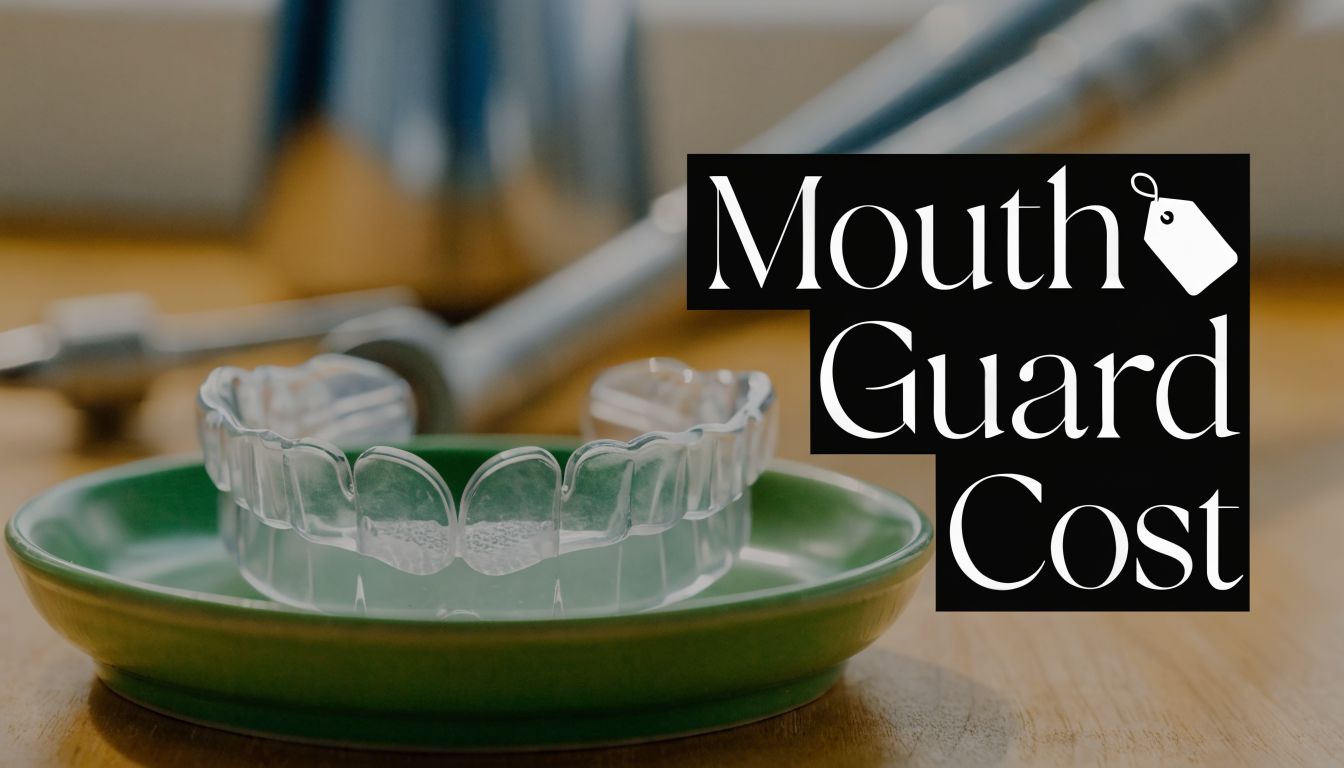
A custom-fit sleep apnea mouth guard from a dentist typically costs $1,800 to $3,500 without insurance. For many patients, insurance coverage, HSA or FSA funds, and financing options can reduce the out-of-pocket expense significantly.
If you're reading this after another rough night, you're probably not just shopping for a number. You're trying to figure out whether there’s a practical, comfortable way to sleep better without committing to a machine you already suspect you won’t like. That’s a fair question, and it’s one many people in Chattanooga and Cleveland ask before they ever schedule a visit.
Sleep apnea treatment can feel complicated at first because the price isn’t just for a device. It includes diagnosis, planning, fitting, adjustments, and follow-up care. When people understand that full picture, the cost usually makes a lot more sense.
The other part that matters is this: cheap options and good options are rarely the same thing when the goal is keeping your airway open safely through the night. Comfort matters. Precision matters. Long-term health matters. A good oral appliance is meant to help you breathe and sleep, not just quiet snoring for a few nights.
Your Guide to Restful Nights in Chattanooga and Cleveland TN
A lot of adults live with sleep apnea symptoms longer than they should. They get through the day tired, rely on caffeine, hear complaints about snoring, and keep telling themselves they’ll deal with it later. Later usually arrives when the fatigue starts affecting work, mood, or relationships.
In Tennessee, I see the same pattern often. Someone wants help, but they hesitate because they assume the process will be expensive, confusing, or uncomfortable. That hesitation is understandable. It’s also why clear cost information matters.
What people are usually deciding between
Most patients who search for sleep apnea mouth guard cost are trying to answer three real-life questions:
- Will this fit my budget: They want to know whether a custom oral appliance is even realistic.
- Will it be easier than CPAP: They’re looking for a treatment they’ll use.
- Will it be worth doing right: They don’t want to waste money on something that sounds convenient but doesn’t address the problem.
Practical rule: If a device isn’t custom-made and adjustable for your bite, it shouldn’t be treated as an equivalent substitute for a medically managed oral appliance.
A custom oral appliance can be a very good option for the right patient, especially when comfort and portability matter. The cost is real, but so is the value of a treatment that’s designed around your mouth, your jaw position, and your response to therapy.
Why the process matters as much as the price
A sleep apnea mouth guard isn’t like buying a standard night guard online. The treatment works best when a dentist and sleep physician are looking at the same problem from two angles. One confirms the diagnosis and severity. The other makes sure the appliance fits, moves the jaw appropriately, and stays comfortable over time.
That’s why the price range includes more than the appliance itself. It reflects professional evaluation, records, fabrication, delivery, and follow-up adjustments that help the device do its job night after night.
The most reassuring aspect is discovering that this isn’t an all-or-nothing decision. There’s a path forward. It can be planned carefully. It can be made affordable. And it can lead to better sleep without making your bedtime routine harder.
Understanding Your Options Custom vs OTC Guards
A patient in Chattanooga or Cleveland often starts in the same place. They want something simple, reasonably priced, and easy to wear at night. The question is whether that lower upfront cost buys real treatment or just a trial run that delays proper care.
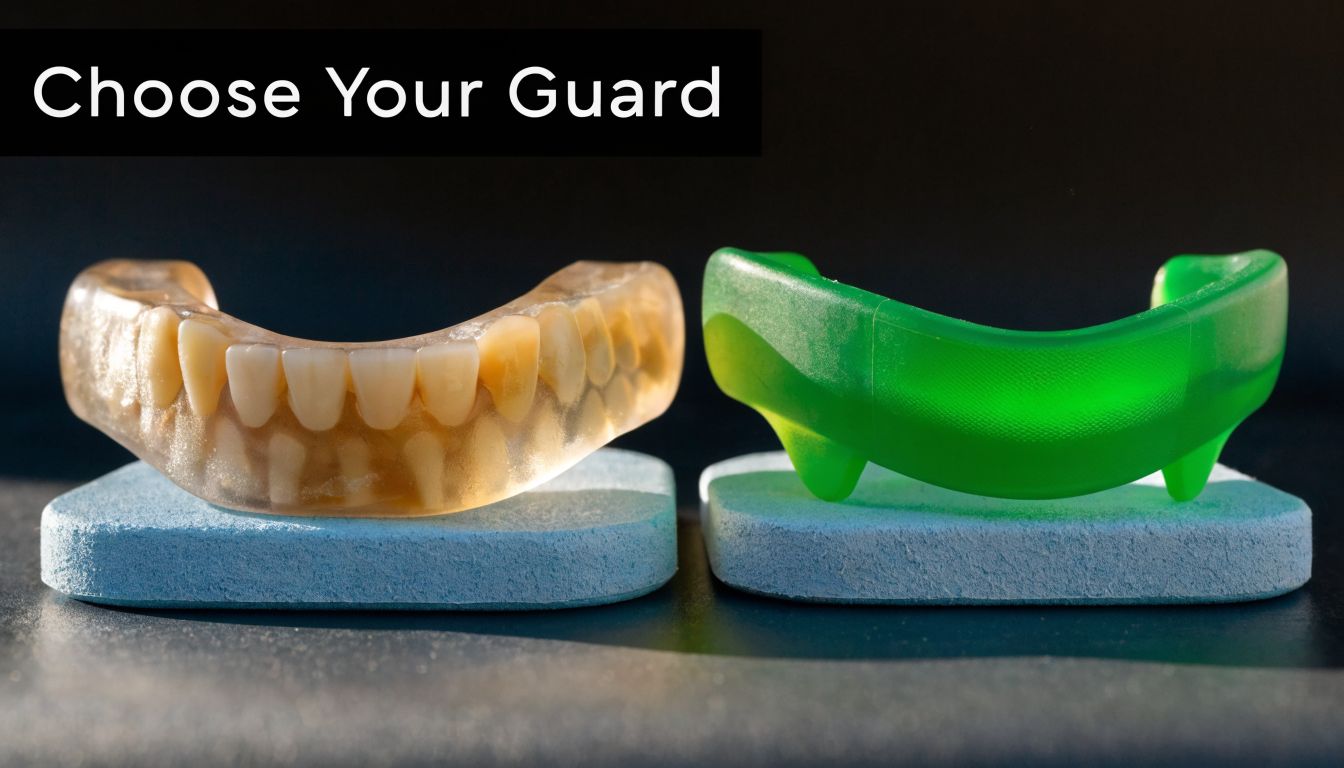
If you want a clearer picture of how a professionally made device is designed and adjusted, this overview of a dental mouthguard for sleep apnea explains the basics.
Why custom appliances are different
A custom oral appliance is made from your teeth, your bite, and the way your jaw can move comfortably. That matters because sleep apnea treatment depends on controlled jaw positioning, stable fit, and the ability to make small changes over time. A device that shifts, pinches, or seats unevenly may be hard to wear, and a treatment you stop wearing does not help much.
In practice, the biggest difference is precision.
A professionally fitted appliance is built to stay in place through the night and to work within a treatment plan. It is also selected with your dental history in mind. Crowns, bridgework, jaw tension, missing teeth, and grinding habits all affect what will work safely and comfortably.
What over-the-counter guards can and can’t do
Over-the-counter guards appeal to people for an obvious reason. They cost less at checkout. For mild snoring concerns, that may sound reasonable. For diagnosed obstructive sleep apnea, the trade-off is usually much less favorable.
Most store-bought or online boil-and-bite guards have clear limits:
- Fit: They are softened and shaped at home, not fabricated from detailed records of your mouth.
- Jaw control: They offer less predictable positioning of the lower jaw.
- Adjustability: They usually do not allow measured changes as your treatment is refined.
- Follow-up care: They do not include professional evaluation, monitoring, or adjustments if soreness, bite changes, or poor results show up.
That is the part patients rarely hear in the product description. The lower purchase price can turn into more cost if the guard sits in a drawer, causes discomfort, or gives a false sense that the sleep apnea is being managed.
What tends to hold up better over time
The practical comparison is not just custom versus OTC. It is one-time investment with follow-up care versus repeated spending on products that may never become a dependable treatment.
Custom appliances usually make more sense for patients who want a realistic long-term plan, especially if comfort, travel, and day-to-day usability matter. OTC guards remain retail products. They may have a place for someone experimenting with snoring relief, but they are not built to replace a medically managed oral appliance for sleep apnea.
That distinction becomes even more important for patients with restorations, jaw discomfort, bite concerns, or tooth grinding. In those cases, a poor fit can create a second problem while the airway problem remains untreated.
Breaking Down the Cost of a Custom Oral Appliance
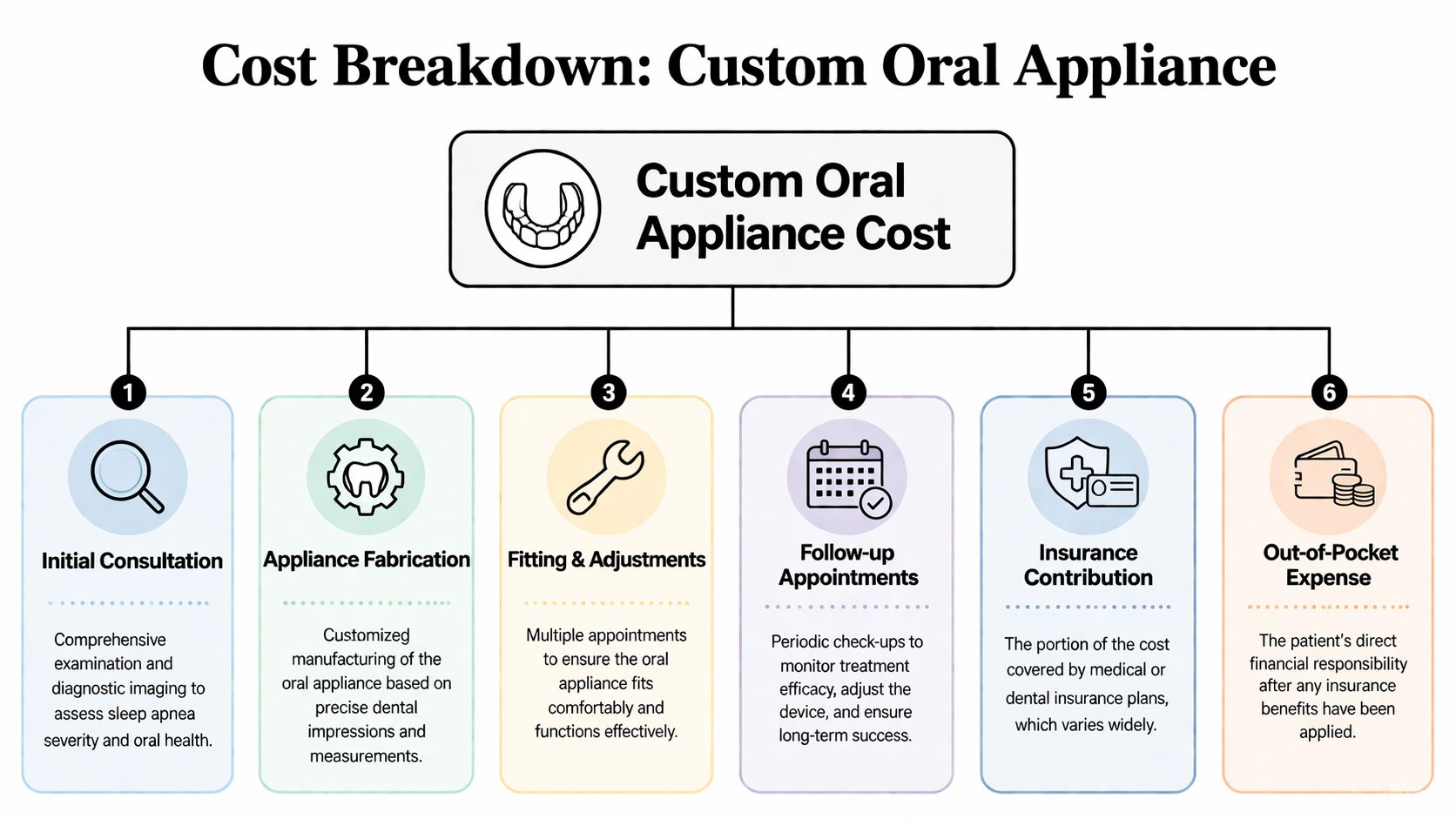
A patient in Chattanooga or Cleveland will often call the office after seeing a price online and ask the same fair question. “Why does a sleep apnea mouth guard cost so much?” The short answer is that they are not paying for a single item. They are paying for diagnosis support, precise records, a custom-made appliance, fitting, measured adjustments, and follow-up care that helps the treatment work.
What the fee usually includes
In practice, the total fee often covers several stages of care.
| Part of care | Typical cost range |
|---|---|
| Initial assessment | $200 to $300 |
| Custom fitting | $800 to $1,200 |
| Appliance fabrication | $1,000 to $1,500 |
| Follow-up visits | $200 to $500 |
Those categories matter because each one affects comfort, fit, and long-term success. A custom oral appliance is made from detailed records of your teeth and bite, then adjusted over time so it improves the airway without putting too much strain on the jaw joints or teeth.
That adjustment phase is where much of the true value sits.
Why the treatment process affects the price
A well-made appliance still has to be calibrated to the patient wearing it. If the lower jaw is advanced too little, snoring or apnea symptoms may continue. If it is advanced too aggressively, the patient may wake up with jaw soreness, tooth pressure, or bite changes. The follow-up visits are how those problems are caught early and corrected.
This is also why I tell patients to ask a simple question when comparing fees. “What is included after delivery?” A lower quote can sound attractive until it leaves out the visits needed to refine the appliance and monitor how the bite and jaw are responding.
What can change the final cost
Fees vary from office to office because treatment plans vary too. The final number may be affected by:
- Appliance type: Some designs allow more measured titration and added durability.
- Records and diagnostics: Digital scans, impressions, and bite records add precision.
- Complexity of the case: Tooth wear, restorations, grinding, or TMJ symptoms can require more planning.
- How the office structures treatment: Some practices bundle the visits and appliance together, while others separate them.
For patients trying to compare estimates, one helpful detail is whether the office explains the clinical coding and billing side clearly. Our team believes that transparency matters, especially for a medical condition like sleep apnea. Patients who want more background on billing language can review this guide to the ADA dental code for a snore guard.
The long-term cost matters more than the sticker price
A custom appliance should be viewed as a health investment, not a retail purchase. It may need maintenance, occasional adjustment, and eventual replacement after years of nightly use. That is part of total cost of ownership, and it deserves an honest conversation at the start.
For many patients in Cleveland and Chattanooga, the better comparison is not “What does the device cost today?” It is “What will this treatment cost over time, and how likely am I to keep using it?” A custom appliance often carries a higher upfront fee than an over-the-counter option, but it also gives the patient a realistic path to consistent wear, better comfort, and ongoing support from a local team that can make changes when needed.
How Insurance and Financing Make Treatment Affordable
Many people assume a sleep apnea mouth guard is paid for like a routine dental service. In reality, coverage often runs through medical insurance because sleep apnea is a medical condition. That one detail changes the conversation for a lot of patients.
According to WebMD’s overview of sleep apnea treatment costs, most health insurance companies and Medicare cover oral devices when patients have a documented sleep apnea diagnosis and a physician prescription, and some medical plans may leave the patient with zero out-of-pocket cost.
The documents that usually matter
Coverage decisions usually depend on the paper trail being complete. Patients often have a smoother experience when these pieces are in place:
- Sleep apnea diagnosis: Documentation from a sleep study.
- Physician prescription: A doctor’s recommendation for an oral device.
- Clinical records: Information showing the appliance is medically appropriate.
- Pre-authorization when needed: Some plans want approval before treatment starts.
If you’ve ever tried to sort insurance details on your own, you know how frustrating it can be. That’s why patients benefit when an office knows how to coordinate the clinical and administrative side carefully.
Helpful ways patients reduce their share
Even when insurance doesn’t cover the full amount, several tools can make treatment more manageable.
- HSA and FSA funds: Verified cost summaries note that these accounts can often be used toward oral appliance therapy.
- Financing plans: Payment plans can turn one larger expense into a predictable monthly commitment.
- Benefit verification support: Offices that help review coverage can often spot issues before treatment starts.
For people trying to understand billing codes and insurance categories, this explanation of an ADA dental code for snore guard can help clarify how these cases are often documented.
Insurance confusion stops many patients before treatment ever begins. The fix is usually not guessing harder. It’s getting the right documentation and submitting it correctly.
Why affordability is about process, not just price
A lower sticker price doesn’t always mean lower real cost. If a patient buys a device that doesn’t qualify for coverage, doesn’t fit well, or doesn’t treat the condition effectively, they may still end up paying for proper care later.
The more practical approach is to look at affordability in layers. First, confirm the diagnosis. Next, find out whether medical benefits apply. Then use tax-advantaged funds or financing if needed. That sequence often makes treatment feel much more reachable.
Oral Appliances vs CPAP and Surgery A Cost Comparison
A patient in Chattanooga tells me the same thing I hear in Cleveland. “I can handle the cost if I understand what I’m signing up for.” That is the right way to compare sleep apnea treatment. The starting price matters, but the long-term routine matters just as much.
An oral appliance is usually a one-time custom purchase with follow-up visits, adjustments, and eventual replacement after years of use. CPAP often starts with a lower entry price, but it also brings a continuing stream of supply costs and equipment upkeep. Surgery is a different category altogether because the expense is tied to the procedure, the recovery period, and the fact that you cannot stop using it if it feels like a poor fit.
Sleep Apnea Treatment Cost Comparison
| Treatment | Upfront Cost | Ongoing Costs | Key Features |
|---|---|---|---|
| Custom oral appliance | $1,500 to $4,500 | Periodic follow-up and eventual replacement | Small, portable, no electricity, professionally adjusted |
| CPAP | $500 to $2,000+ depending on equipment | Replacement masks, hoses, filters, and routine maintenance | Effective, but equipment-based and supply-dependent |
| Surgery | Often significantly higher than device-based treatment | Varies by procedure, follow-up care, and recovery needs | Invasive, recovery required, not reversible in the same way |
For many adults, the practical difference shows up at bedtime.
A custom appliance travels easily, fits into a simple nightly routine, and does not depend on a mask, tubing, or a power source. That convenience does not make it the right answer for every case, but it often makes long-term use more realistic for patients who struggle with CPAP tolerance. In practice, a treatment that gets used consistently usually delivers better value than one that sits on the nightstand.
Surgery can be appropriate in selected cases, especially when anatomy or severity points in that direction. Still, it carries a different set of costs. Time away from work, discomfort during recovery, and the uncertainty of outcome all belong in the conversation. Patients deserve that comparison in plain language.
I encourage patients to look at total cost of ownership, not just the invoice for day one. The purchase includes not just a mouth guard, but a full treatment plan with fitting, calibration, and follow-up. That is a very different experience from buying a generic device online or replacing CPAP supplies on a recurring schedule.
That same broader cost view helps in other parts of dentistry too. Practices comparing dental practice AI receptionist pricing do not stop at the subscription fee. They also look at staffing impact, consistency, and daily workload. Sleep apnea treatment decisions benefit from the same kind of clear-eyed comparison.
A treatment saves money only if it fits into real life well enough to be used.
For the right candidate, an oral appliance often lands in a sensible middle ground. It is less invasive than surgery and, for many patients, easier to live with than CPAP over the long run. That balance is why many people in Chattanooga and Cleveland see it as a sound investment in better sleep and better health.
Your Path to Better Sleep The Winn Smiles Process
Starting sleep apnea treatment feels easier when the steps are clear. Most adults don’t want a complicated handoff between multiple offices, repeated uncertainty, and vague next steps. They want a plan.
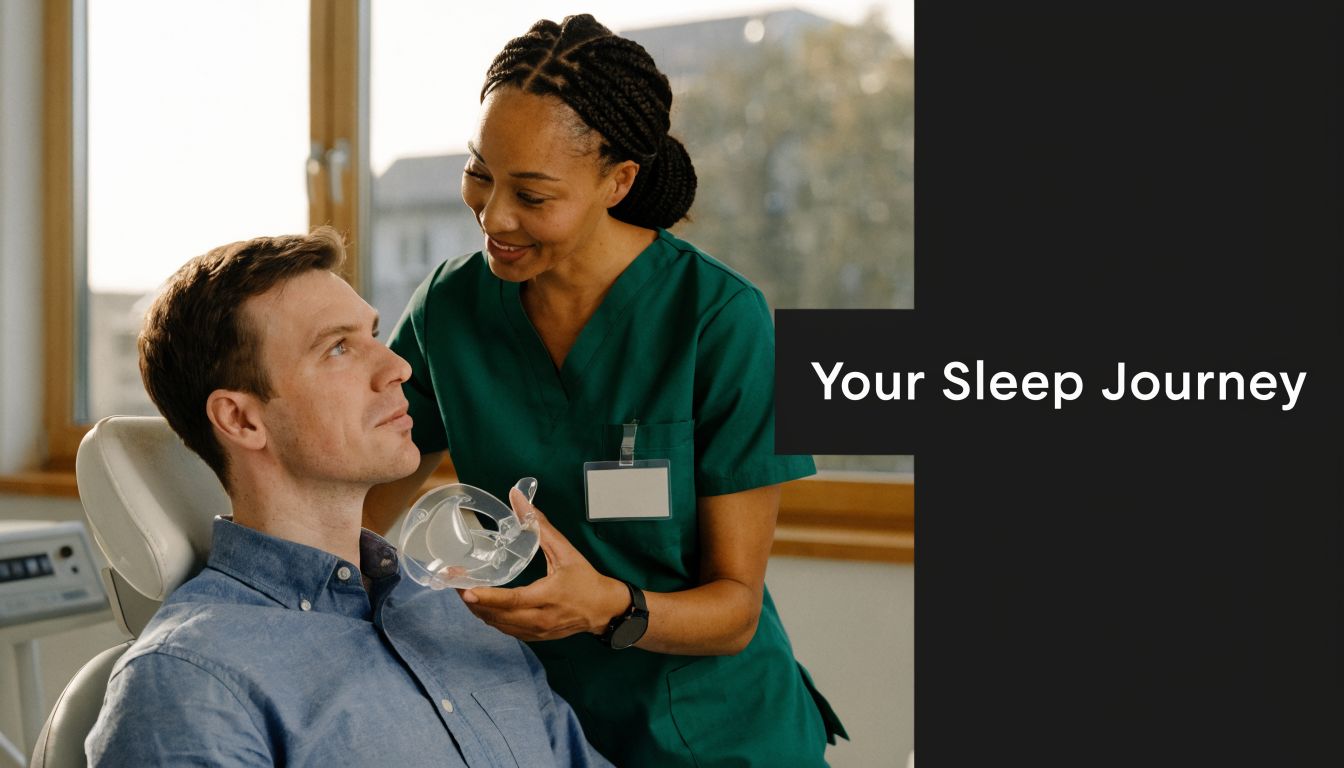
A strong patient experience usually comes down to communication, comfort, and follow-through. Many of the same principles show up in broader Recepta.ai healthcare practice tips, especially around reducing confusion and helping patients feel guided rather than rushed.
Step one starts with listening
The first visit should focus on symptoms, history, sleep study information, and whether an oral appliance makes sense for the individual patient. This isn’t the stage for pressure. It’s the stage for clarity.
A good consultation should answer questions such as:
- Is this the right treatment path: Some patients are good candidates, others need a different solution.
- What records are needed: Sleep study and physician documentation often guide the process.
- What will daily use look like: Patients should understand comfort, cleaning, and adjustment expectations.
Precision matters during fitting
Once the case is moving forward, detailed records are taken so the appliance can be fabricated accurately. Many modern practices use digital scanning because it gives a highly specific view of the bite and helps support a more precise fit.
That precision matters at delivery. A sleep appliance should feel secure and intentional, not bulky and random. The first fit sets the tone for whether the patient feels confident using it.
Here’s a short overview that helps visualize how the treatment conversation often starts in practice.
Follow-up is where treatment becomes personal
The first version of a custom appliance is rarely the final word. Patients often need measured adjustments so the appliance is effective and comfortable over time. That’s normal. It’s part of the work.
The best follow-up care pays attention to both symptom improvement and oral comfort. If the jaw feels strained, the settings may need refinement. If snoring or fatigue continue, the appliance may need further adjustment or coordination with the patient’s physician.
Good sleep appliance care is steady, not rushed. The small adjustments are often what turn a usable device into a successful one.
That kind of process tends to lower anxiety for patients. Instead of wondering whether they’re on their own after delivery, they know the appliance will be checked, refined, and supported.
FAQ About Sleep Apnea Mouth Guard Cost
Can I just buy a cheaper guard online?
A lower sticker price online can be appealing, especially after a poor night’s sleep and a quick search for answers. The trade-off is that an over-the-counter guard is not made for your bite, your airway, or your diagnosis. For snoring, some store-bought devices may seem like a shortcut. For diagnosed sleep apnea, they are not a reliable substitute for a custom appliance prescribed and adjusted as part of treatment.
I tell patients to look at total cost, not just checkout price. If a cheap guard is uncomfortable, sits in the drawer, or never addresses the breathing problem, you still have the same health issue and have spent money getting nowhere.
How long does a custom sleep apnea mouth guard last?
A custom oral appliance usually lasts several years with normal use and regular follow-up. The exact timeline depends on the material, nightly wear, teeth grinding, and how well the appliance is cleaned and stored.
That matters for budgeting. A custom device is a real investment up front, but it is not a monthly supply expense. In many cases, patients find that easier to plan for than treatments with ongoing equipment, replacement parts, or higher maintenance costs over time.
Is this covered by dental insurance or medical insurance?
Sleep apnea treatment is often billed through medical insurance because obstructive sleep apnea is a medical condition. Coverage usually depends on a formal diagnosis, documentation from a physician, and the specific details of your plan.
The helpful part is transparency early in the process. A good dental team should help you check benefits, explain expected out-of-pocket costs, and discuss payment options before treatment starts.
If you’re ready to talk through your options with a local team that serves Chattanooga, Cleveland, and nearby communities, Winn Smiles can help you understand whether a custom oral appliance makes sense, what the process involves, and how to approach the cost with clarity and confidence.