Waking up tired after what should have been a full night of sleep is frustrating. So is hearing from your spouse that your snoring was loud again, or finding that the CPAP machine you wanted to tolerate still ends up on the nightstand instead of staying on through the night.
For many adults in Chattanooga and Cleveland, that cycle goes on for months or years. You feel worn out in the afternoon, your mornings start with a dry mouth or headache, and sleep becomes something you chase instead of something that restores you. In a lot of cases, the problem isn’t just snoring. It’s obstructive sleep apnea, and it deserves real treatment.
Sleep apnea dental treatment gives many patients a practical option that feels manageable. Instead of relying only on a mask and machine, some patients do well with a custom oral appliance made by a dentist and coordinated with a sleep physician. That treatment is often a good fit for people who want something quieter, simpler, and easier to live with every night.
Your Local Solution for Restful Sleep in Chattanooga and Cleveland
A common story sounds like this. Someone finally decides to ask for help because they’re exhausted, their partner is fed up with the snoring, and they’ve already tried to “push through it.” Sometimes they’ve been diagnosed and couldn’t adapt to CPAP. Sometimes they suspect sleep apnea but haven’t started the process because it feels overwhelming.
That’s where local care matters. When you’re searching for answers in Chattanooga or Cleveland, you don’t want a confusing process. You want clear guidance, a comfortable office, and a team that understands how sleep problems affect daily life, mood, work, and family routines.
When poor sleep starts affecting everything
Sleep apnea rarely stays boxed into nighttime. It spills into your mornings, your focus, and your patience. Patients often describe a pattern of:
- Morning fatigue that doesn’t match the number of hours spent in bed
- Loud snoring that disrupts the whole household
- Daytime brain fog during work, driving, or parenting
- CPAP frustration because the mask feels bulky, noisy, or hard to keep on
If that sounds familiar, you’re not alone. Many people start by searching online for a sleep apnea dentist near me because they want a treatment option that feels realistic in day-to-day life.
Good sleep treatment has to work in the real world, not just on paper.
A dental approach that feels more manageable
Dentists trained in oral appliance therapy can play an important role in treating obstructive sleep apnea. The goal isn’t to replace a proper diagnosis. The goal is to coordinate care so a patient who needs treatment can move toward something they’ll use.
In Chattanooga and Cleveland, patients often prefer a path that feels less intimidating. A custom oral appliance is small, quiet, and fitted to your mouth. It doesn’t involve a mask, hoses, or bedside equipment. For the right patient, that can make the difference between starting treatment and avoiding it.
That matters because untreated sleep apnea affects more than rest. It affects health, safety, and quality of life. The right dental treatment can help turn a discouraging situation into a workable plan.
What Is Sleep Apnea and Why Is It a Health Concern
Obstructive sleep apnea, often called OSA, happens when the airway repeatedly narrows or closes during sleep. A simple way to picture it is a soft straw that pinches shut when the support around it relaxes. Air tries to move through, but the passage keeps collapsing.
When that happens, breathing becomes shallow or stops for brief periods. Your body responds by pulling you out of deeper sleep so the airway can reopen. You may not remember those interruptions, but your body feels them.
What’s happening during the night
OSA is not a rare problem. It affects about 25 million adults in the United States and more than 936 million people globally, making it a major public health concern, according to sleep prevalence data summarized here. The same source notes that effective management is associated with a 37% lower coronary mortality rate.
That’s why sleep apnea shouldn’t be dismissed as “just snoring.” Snoring can be a symptom, but the bigger concern is repeated drops in airflow and repeated strain on the body overnight.
A few signs often raise suspicion:
- You snore heavily and someone notices pauses or gasping
- You wake unrefreshed even after enough time in bed
- You fall asleep easily during the day, especially in quiet settings
- You wake with dry mouth or headaches
- Your sleep feels fragmented even if you can’t say why
For many patients, it also helps to learn more about sleep stages and why disrupted sleep feels so draining. A simple explainer on understanding REM sleep can make that easier to connect to what you’re feeling.
Why treatment matters beyond snoring
Sleep apnea can affect the cardiovascular system, blood pressure, and overall daily function. It can also make concentration, mood, and energy worse. Some people get used to functioning at a low level and don’t realize how much better they could feel until treatment starts working.
Practical rule: If your breathing repeatedly stops during sleep, the problem is medical, not cosmetic.
That’s also why proper diagnosis comes first. A dentist can help with treatment, but sleep apnea needs to be identified clearly so care is based on evidence, not guesswork. Once that diagnosis is in place, the next step is choosing a treatment you can realistically use night after night.
Oral Appliance Therapy A Comfortable CPAP Alternative
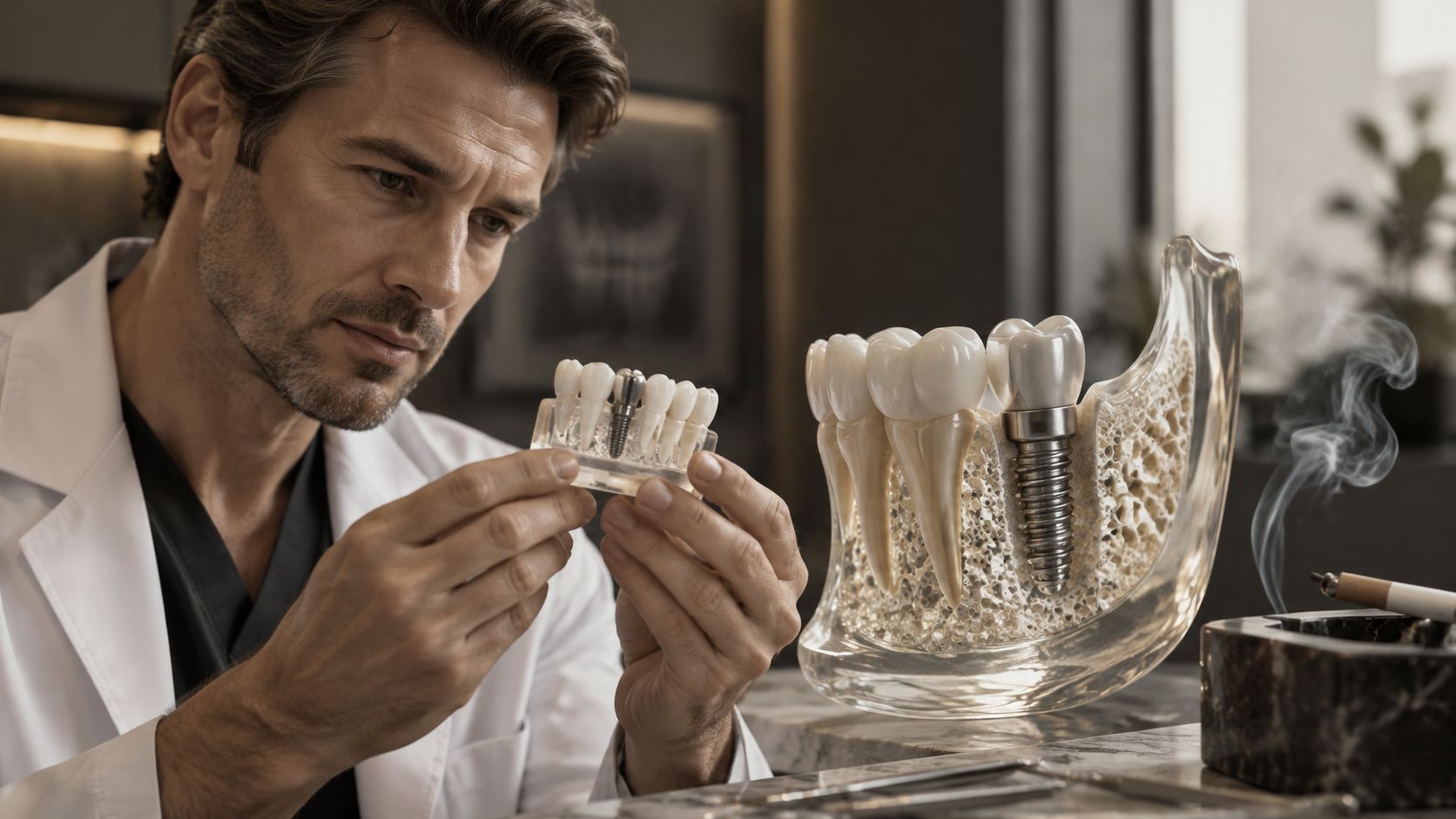
For many patients, the most practical form of sleep apnea dental treatment is a mandibular advancement device, often shortened to MAD. It’s a custom oral appliance worn during sleep that gently moves the lower jaw forward. That small shift helps keep the airway more open.
A simple comparison helps: it functions as a doorstop for the jaw. It doesn’t force anything aggressively. It holds the jaw in a more favorable position so the soft tissues are less likely to fall back and block airflow.

How a custom oral appliance works
This isn’t the same thing as a sports mouthguard or an over-the-counter snore device. A true sleep appliance is made for your bite and adjusted in a controlled way. The fit, jaw position, and follow-up all matter.
Clinical data from Cleveland Clinic notes that mandibular advancement devices increase pharyngeal airway space by 3 to 5 mm and reduce AHI by 50% or more in 60 to 80% of patients with mild to moderate OSA. The same source reports 70 to 90% adherence for MADs compared with 40 to 60% for CPAP in long-term use, as explained in this overview of oral appliance therapy for sleep apnea.
Why some patients prefer it over CPAP
CPAP is effective for many people, and it remains an important treatment. But effectiveness in theory and consistent use in real life are not always the same thing. A treatment only helps if you can sleep with it.
Patients often like oral appliances because they are:
- Quiet and don’t add machine noise to the bedroom
- Portable for travel, weekends away, and simple routines
- Non-invasive because there’s no mask or forced air
- Custom-fit to the teeth and jaw, rather than a generic shape
That doesn’t mean every patient should skip CPAP. It means a custom appliance is a valid medical option for the right case, especially when comfort and nightly adherence are the deciding factors.
What works and what usually doesn’t
Custom treatment works better than improvised treatment. That includes properly designed, titratable devices rather than generic boil-and-bite products bought online. The jaw position often needs to be adjusted gradually, and that takes professional oversight.
The best appliance is the one that fits your mouth well, advances the jaw carefully, and gets checked after you start using it.
When patients want a quieter alternative and have the right diagnosis, sleep apnea dental treatment can be a very reasonable next step.
Are You a Candidate for a Dental Sleep Appliance
Not everyone with sleep apnea needs the same treatment. The right choice depends on the severity of the condition, your anatomy, your oral health, and whether you can tolerate other therapies. That said, many adults who feel stuck are stronger candidates for an oral appliance than they realize.
A dental sleep appliance is commonly considered for patients with mild to moderate obstructive sleep apnea. It’s also a well-established option for people who’ve tried CPAP and are unable to stay consistent with it. If the mask leaks, the pressure feels uncomfortable, or you remove it halfway through the night, that matters.

The clearest signs you should ask
You may be a candidate if any of these sound familiar:
- You’ve already been diagnosed with obstructive sleep apnea and want an alternative to CPAP
- You suspect sleep apnea because of heavy snoring, poor sleep, and daytime exhaustion
- You travel often and want something simpler to use consistently
- Your teeth and gums are stable enough to support a custom device comfortably
Oral health matters here. Before fitting an appliance, the dentist has to make sure the teeth, gums, restorations, and jaw joints can handle treatment well. Sometimes that means addressing routine care first, such as a cleaning, exam, or restorative work to stabilize crowns, fillings, or worn teeth.
Severe sleep apnea may still deserve a conversation
Many patients often receive incomplete information. While oral appliances are frequently associated with mild to moderate cases, their utility is not limited to these instances. According to a PubMed summary of a cited 2020 study, custom oral appliances dramatically improved breathing in patients with severe sleep apnea, challenging the usual assumption that they are only for less severe cases.
That doesn’t mean every severe case should use an appliance. It means severe OSA patients who are CPAP-intolerant should not assume they have no non-surgical options.
If you haven’t completed testing yet, a good starting point is learning more about a sleep study in Chattanooga. Diagnosis guides everything that follows.
If CPAP sits unused, it’s worth asking whether a custom appliance would be a better fit for your life and your sleep.
Your Treatment Journey at Winn Smiles
A lot of patients come in tired, frustrated, and unsure what happens next. They may already have a diagnosis and a CPAP machine in the closet, or they may have just learned they have sleep apnea and want a treatment they can live with. The process at Winn Smiles is designed to answer those concerns step by step, with clear expectations and close follow-up.
It starts with the right diagnosis and a careful dental evaluation
Oral appliance therapy begins after sleep apnea has been diagnosed through a sleep study ordered or reviewed by a physician. Once that diagnosis is in place, the dental question is more specific. Can your teeth, gums, bite, and jaw support a custom appliance safely and comfortably?
That evaluation matters. A patient with stable teeth and healthy jaw joints may move ahead quickly. A patient with loose restorations, active gum disease, significant clenching, or TMJ symptoms may need dental care first so treatment has a better chance of working well long term.
This appointment is also where goals become clearer. Some patients want a quieter option than CPAP. Others want something easier to travel with, or something they are more likely to wear every night. Good treatment planning has to account for daily life, not just the diagnosis on paper.
Records are taken to build a truly custom appliance
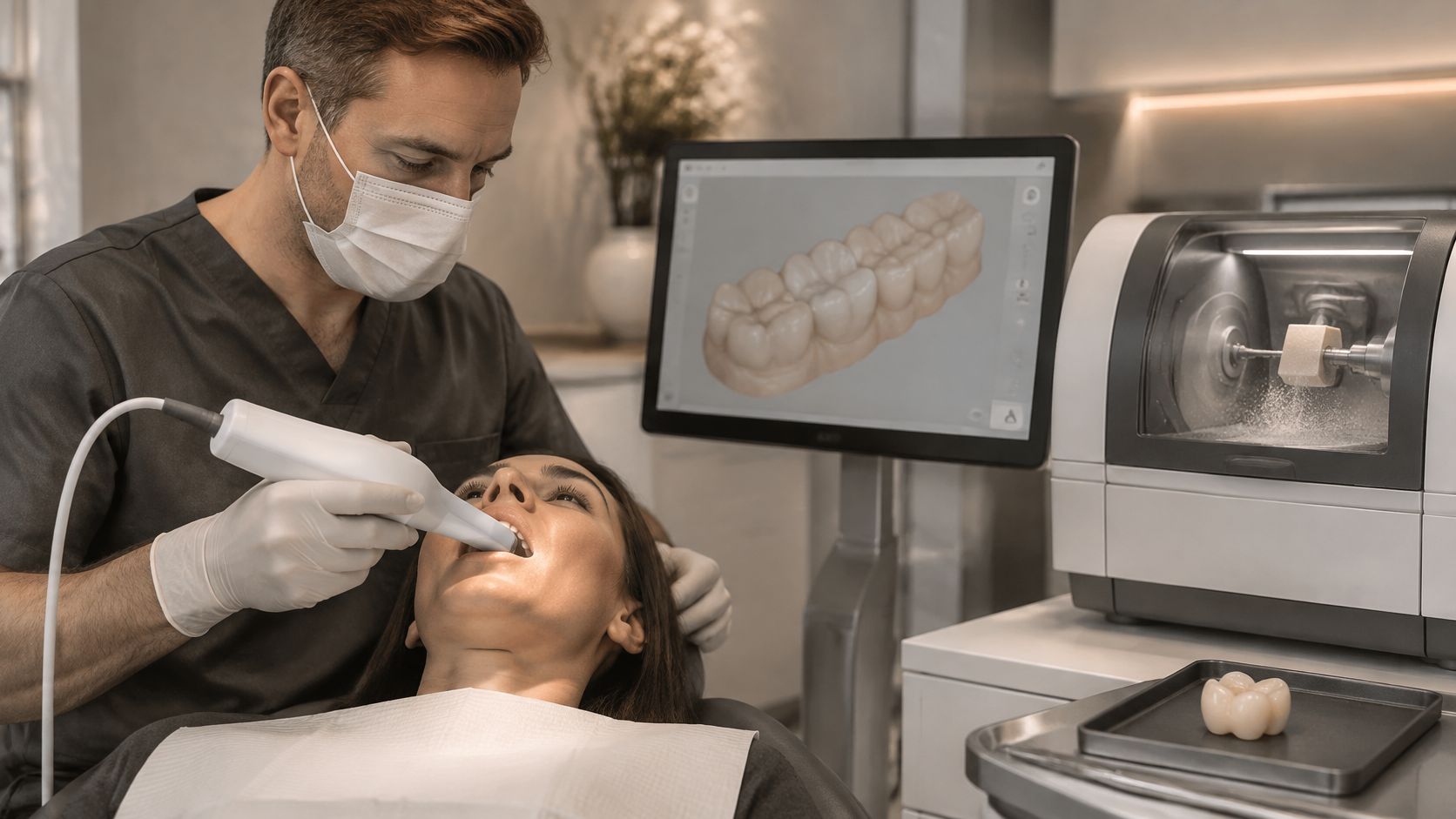
After candidacy is confirmed, the next step is gathering the records used to make the device. That usually includes a detailed exam, bite analysis, jaw measurements, and impressions or digital scans.
Custom matters here. A sleep appliance should fit your mouth precisely, hold up to regular use, and allow controlled adjustment over time. That is very different from a boil-and-bite device bought online.
One outside overview of the dental appliance process for sleep apnea describes the usual sequence of diagnosis, records, fabrication, and adjustment. In practice, what patients need to know is simpler. The appliance is made for your anatomy, then adjusted based on how you respond during sleep.
The fitting visit focuses on comfort first
When your appliance is ready, you will try it in, learn how to insert and remove it, and review how to clean and store it. We also go over what is normal during the first few nights, including temporary tightness, extra saliva, dry mouth, or mild jaw soreness.
The first setting is usually conservative. Pushing the jaw too far, too fast can create discomfort and reduce the odds that you will stick with treatment. A better approach is to start with a position you can tolerate, then adjust gradually.
Patients usually leave that visit knowing how to:
- Put the appliance in and take it out without struggling at bedtime
- Clean it properly so the material stays in good shape
- Use morning guidance if the bite feels off right after waking
- Watch for early symptoms that should be adjusted instead of ignored
A short video can help make that process feel more familiar before your appointment.
Adjustment visits are part of treatment, not an extra
Most appliances need several follow-up visits to reach the best position. That process is called titration. Small changes in lower jaw position can improve airflow, but they also affect comfort, so those changes need to be deliberate.
This is one of the biggest differences between custom care and a generic device. If the jaw position is off, the appliance may feel miserable, fail to help enough, or both.
At Winn Smiles, oral appliance therapy is provided in coordination with physician diagnosis, with digital records and follow-up adjustments built into the process. That coordination matters even more for CPAP-intolerant patients and for some severe OSA cases, where careful monitoring helps determine whether the appliance is giving enough benefit.
A custom sleep appliance works best when the fit, jaw position, and follow-up plan are all handled carefully.
Final verification confirms that treatment is helping
Comfort alone is not the finish line. Once the appliance is adjusted to the best working position, treatment should be verified with the sleep physician. That often means repeat sleep testing to see whether breathing disruptions improved enough with the appliance in place.
That step gives patients something better than guesswork. It shows whether snoring has decreased, whether sleep apnea is controlled well enough, and whether any changes are still needed.
For patients in Chattanooga and Cleveland, that kind of coordinated care tends to bring real peace of mind. You know where you are in the process, what the appliance is supposed to do, and how the result will be checked.
Effectiveness Limitations and Long-Term Care
Oral appliance therapy works well for many patients, but it isn’t magic and it isn’t right for everyone. Honest treatment planning matters here. If a device is recommended, it should be because your diagnosis, anatomy, dental condition, and goals make sense for that approach.
The biggest strength of sleep apnea dental treatment is usability. Many patients tolerate it better than CPAP. The biggest limitation is that some patients need something else, either because their OSA is complex, their dental support is limited, or their symptoms don’t improve enough with an appliance alone.
Common concerns patients ask about
Most long-term concerns fall into a few predictable categories:
- Jaw soreness in the early adjustment phase
- Dry mouth or excess saliva while adapting to nighttime wear
- Bite changes or tooth movement over time
- Fit changes if dental work changes or the appliance wears down
These issues are real, but they are also manageable when follow-up is consistent. Small refinements often solve comfort problems early. Ignoring those issues is what tends to let them grow.
What usually helps
A careful dentist monitors how your jaw joints, bite, and teeth respond over time. That may involve appliance adjustments, guidance for morning jaw exercises, checking restorations, or coordinating additional dental care if something has changed.
Patients with crowns, bridges, implants, clenching habits, or prior TMJ symptoms often need closer supervision. That doesn’t automatically rule them out. It means the treatment has to be planned thoughtfully.
| Concern | What the team watches for | Why follow-up matters |
|---|---|---|
| Jaw tightness | Tender muscles or joint strain | Adjustment can improve comfort |
| Bite changes | Teeth not meeting normally in the morning | Early management is easier |
| Appliance wear | Cracks, looseness, poor retention | Replacement timing affects effectiveness |
| Dental changes | New crowns, fillings, or shifting teeth | Fit may need updating |
Some discomfort at the start can be normal. Ongoing discomfort should be evaluated, not ignored.
A balanced expectation is the right one
The goal is better sleep, better breathing, and a treatment you can live with. Some patients notice improvement quickly. Others need time and several adjustments. Some do very well. Some need a different or combined approach.
That balance is important. A trustworthy treatment plan doesn’t promise that every patient will get the same result. It focuses on matching the right therapy to the right person and staying involved long enough to make it work well.
Navigating Cost and Insurance for Your Treatment
One of the most common questions is whether a sleep apnea appliance is paid for through dental insurance or medical insurance. In many cases, sleep apnea is handled as a medical condition, so coverage may run through medical benefits rather than routine dental coverage.
That can surprise people. They assume that because the device fits over the teeth, it must be a dental-only expense. In reality, the purpose of the appliance is medical treatment for a diagnosed sleep disorder.

What to ask before you begin
The clearest starting questions are:
- Has your sleep apnea been formally diagnosed
- Which medical plan is primary for this treatment
- What documentation is needed from the sleep physician
- Are follow-up visits and appliance adjustments included
That process can feel technical, especially if you’re already tired and frustrated by poor sleep. Good administrative support matters just as much as good clinical care here.
If you want background on billing language connected to these devices, this article on the ADA dental code for snore guard can help clarify why insurance conversations sometimes get confusing.
Why patients still move forward
The cost question is real, but so is the cost of doing nothing. Untreated sleep apnea can keep affecting energy, health, and daily functioning for years. Many patients decide that pursuing coverage and getting clear estimates is worth it because the problem is affecting too much of their life.
A helpful office will usually walk through benefits, paperwork, and expected out-of-pocket responsibility in plain language. That doesn’t make insurance simple, but it does make it less stressful.
The financial conversation should feel clear. If it feels vague, keep asking questions until it doesn’t.
For some families, it’s also useful to review broader health coverage options during open enrollment periods. A general guide to Pounds Health Insurance family plans may help if you’re comparing medical and dental benefits at the household level.
Frequently Asked Questions About Sleep Apnea Dental Treatment
Is this the same as a boil-and-bite night guard
A sleep apnea appliance is a custom medical device made for diagnosed obstructive sleep apnea. It is chosen and adjusted based on your airway, bite, and jaw position. Store-bought boil-and-bite guards do not give that level of precision, and that precision affects both comfort and results.
Will it be uncomfortable to sleep with
Expect an adjustment period.
For the first several nights, the appliance may feel bulky or unfamiliar. That is normal. A well-made device should become easier to wear as your mouth adapts and as small adjustments are made. Ongoing pain, jaw locking, or sore teeth should be checked in the office instead of handled at home, because those symptoms usually mean the fit or setting needs correction.
How quickly will I notice a difference
Some patients notice quieter sleep and better mornings within days. Others improve more gradually over a few weeks as the appliance is advanced to the position that holds the airway open without overloading the jaw.
I usually tell patients not to judge treatment by one good night or one bad night. Consistency matters more.
Can I still get one if I have crowns, veneers, or dental implants
Often, yes. Existing dental work does not automatically rule you out, but it does change how the appliance should be designed.
Crowns, veneers, bridges, implants, and areas with gum recession all affect where the appliance grips and how force is distributed. Before I recommend a device, I want to know which teeth are stable enough to support it and whether any restorations need extra protection. That step helps us avoid creating a new dental problem while we treat the sleep problem.
What if my sleep apnea is severe
Severe OSA does not automatically mean you are limited to CPAP. In practice, oral appliance therapy can still help some patients with severe disease, especially when CPAP has already failed because of pressure intolerance, mask leak, claustrophobia, or poor adherence.
There are limits. Some severe cases still do better with CPAP, combination therapy, or referral for surgical evaluation. The goal is not to force every patient into one treatment. The goal is to choose a therapy you can use, then confirm with follow-up testing whether it is controlling the apnea well enough. For many CPAP-intolerant patients in Chattanooga and Cleveland, that is where a dentist-guided appliance becomes a very reasonable part of care.
Do I need a dentist if I already know I snore
If snoring is frequent, loud, or paired with daytime fatigue, morning headaches, dry mouth, or witnessed pauses in breathing, self-treating is not a good idea. Snoring can be simple snoring, but it can also be a sign of obstructive sleep apnea. A proper evaluation tells us which problem you have and whether an oral appliance makes sense.
Will insurance cover a sleep apnea appliance
Coverage varies more than patients expect. Many plans treat oral appliance therapy for diagnosed sleep apnea as a medical benefit, not a routine dental benefit, so preauthorization, documentation, and physician involvement may all be part of the process.
If you are comparing household coverage options, reviewing Pounds Health Insurance family plans can also help you understand how medical and dental benefits may fit together.
If poor sleep, loud snoring, or CPAP frustration is affecting your life, Winn Smiles provides sleep apnea evaluations and oral appliance guidance for patients in Chattanooga and Cleveland, TN, with a focus on comfort, clarity, and coordinated care.