You wake up tired. You push through coffee, work, errands, and family responsibilities, then wonder why the scale won't move no matter how hard you try. Many people in Chattanooga and Cleveland live in that pattern for years before they realize the problem may not be motivation, diet, or age alone. It may be disrupted breathing during sleep.
When sleep is poor night after night, the whole body feels it. Energy drops. Focus slips. Cravings get louder. Exercise feels harder to start and harder to sustain. If that sounds familiar, obstructive sleep apnea may be part of the picture.
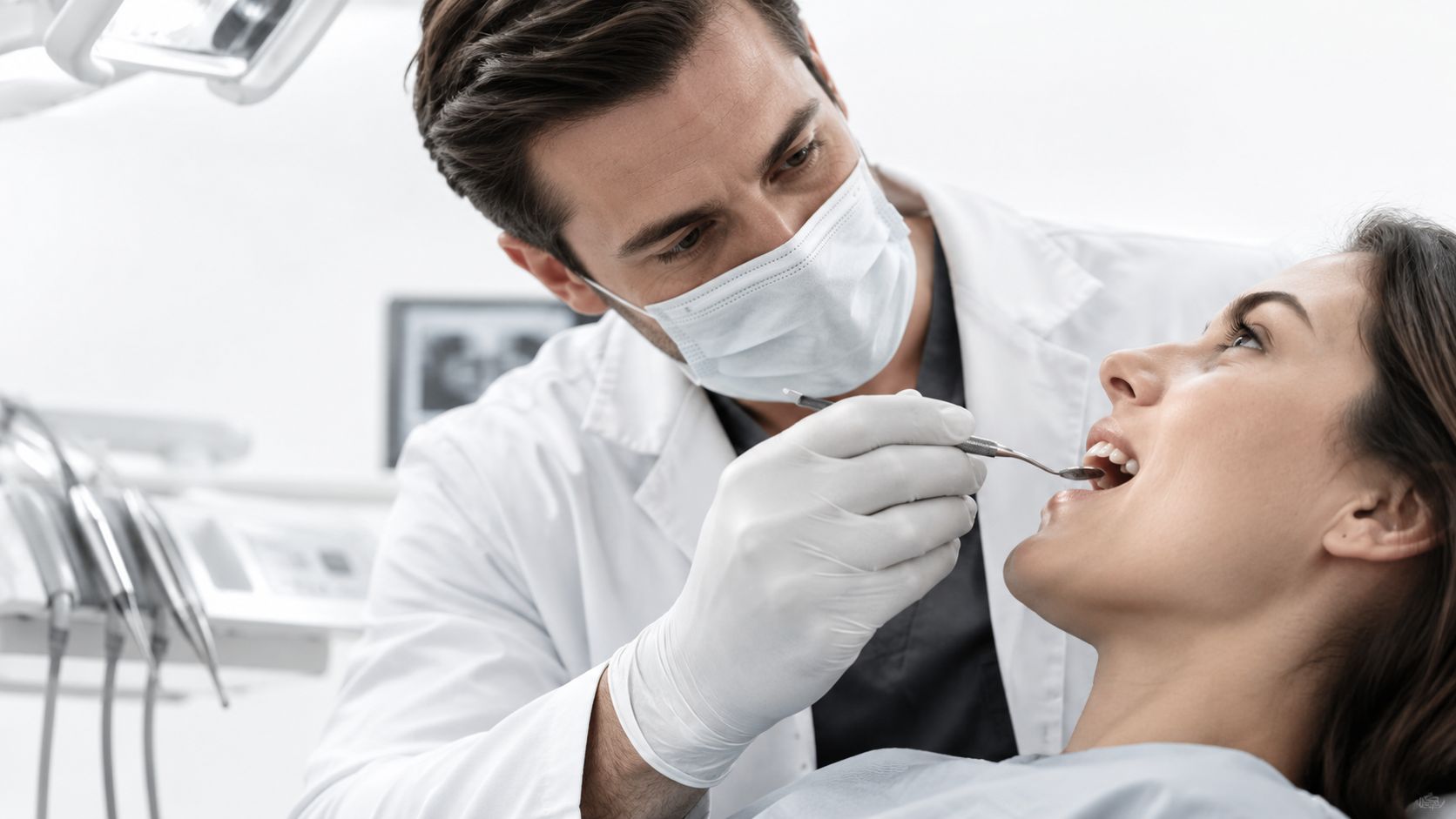
A dental practice can play an important role here. Dentists who treat sleep apnea work with airway-focused solutions that can help patients breathe better at night, sleep better, and feel more capable of making progress on other health goals. That includes weight management, which is often tied closely to sleep quality.
Your Trusted Sleep Apnea Dentist in Chattanooga and Cleveland TN
A common story sounds like this. Someone feels exhausted every morning, even after what should have been a full night of sleep. Their partner mentions snoring, restless sleep, or pauses in breathing. During the day, they feel foggy, short-tempered, and hungry at odd times. They may also feel discouraged because weight loss seems much harder than it used to.
That pattern isn't a personal failure. It often points to a real medical issue that interrupts normal sleep over and over again. In obstructive sleep apnea, the airway narrows or collapses during sleep, which forces the brain and body into repeated stress responses just to keep breathing.
Why patients often miss the signs
Many adults don't realize how broken their sleep has become. They assume feeling tired is normal because life is busy. Others connect snoring with annoyance, not health. Some even focus only on the weight struggle and never consider that sleep may be making the situation worse.
Dentists who evaluate sleep-related breathing problems often hear concerns like:
- Morning fatigue: You slept for hours but still feel unrefreshed.
- Snoring complaints: A spouse or partner notices loud or irregular breathing.
- Weight frustration: You're trying to eat better but feel tired, hungry, and stuck.
- Daytime drag: Concentration, patience, and stamina all seem lower than they should be.
A local care path that makes sense
For patients in Chattanooga, TN, Cleveland, TN, and nearby communities, the goal is simple. Find out whether sleep apnea is contributing to your symptoms, then build a treatment plan that fits your life. Some patients need a medical sleep study first. Some are already diagnosed and are looking for an alternative to CPAP. Others want a practical, comfortable option they can use consistently.
Poor sleep doesn't stay in the bedroom. It affects appetite, mood, heart health, productivity, and long-term wellness.
That's why sleep apnea treatment and weight loss are often part of the same conversation. Better breathing at night doesn't replace nutrition or movement, but it can remove a major barrier that keeps people from feeling like themselves.
The Vicious Cycle of Sleep Apnea and Weight Gain
Sleep apnea and weight gain often feed each other. Extra tissue around the neck and airway can make nighttime breathing more difficult. Then poor sleep changes hunger, energy, and daily habits in ways that can make weight management harder.

How excess weight can worsen airway blockage
Obstructive sleep apnea is a physical airway problem. When the throat relaxes during sleep, a narrower airway is more likely to collapse. For some people, weight around the neck, jawline, tongue, and upper airway increases that risk. That's one reason weight and OSA are so often linked.
But the relationship doesn't move in only one direction. Sleep apnea also makes healthy routines harder to maintain.
Why poor sleep can push weight in the wrong direction
When sleep is fragmented, patients often notice stronger cravings, especially for quick energy and highly processed foods. They also tend to feel less motivated to prepare healthy meals or stay active. Daytime fatigue can turn a short walk into something that feels impossible by the end of the day.
For a useful patient-friendly overview, this guide on addressing weight to improve sleep apnea explains the relationship in practical terms.
Later in the day, the body often starts looking for relief. That may mean caffeine, sugar, larger portions, or constant snacking. The issue isn't weak willpower. It's that the body is trying to compensate for chronic poor sleep.
A short explanation can help make the connection clearer:
What weight loss can change
Weight loss can improve sleep apnea severity, and the effect is measurable. A review of randomized and long-term studies reported an average improvement of 0.78 apnea-hypopnea index events per hour for every 1 kg of weight lost, according to this review of weight loss and obstructive sleep apnea outcomes.
That matters because it shows patients don't necessarily need a dramatic all-or-nothing change to start seeing benefit. Meaningful progress can happen in increments.
Practical rule: If sleep apnea is part of the problem, treating sleep and addressing weight together usually works better than treating either one in isolation.
How Oral Appliance Therapy Can Break the Cycle
For many adults, the most realistic first step is a treatment they can tolerate and use every night. Oral appliance therapy does exactly that for many people with obstructive sleep apnea.

A custom oral appliance looks similar to a slim mouthguard. It's designed to gently reposition the jaw and support a more open airway during sleep. Instead of blowing air through a mask, it works by improving the anatomy of the airway space.
Why many patients prefer it
The biggest advantage is often consistency. Patients are more likely to stick with a treatment that feels manageable at home and while traveling.
Oral appliance therapy is often appealing because it is:
- Custom-fit: Made for your mouth rather than bought off the shelf.
- Quiet: No machine noise, hose, or bedside setup.
- Portable: Easy to carry for work trips or vacations.
- Simple to wear: No mask across the nose or face.
For patients who want to understand the process in more detail, oral appliance therapy for sleep apnea explains how this treatment works and who may be a good fit.
Why better sleep supports weight goals
An oral appliance is not a weight loss device. It won't burn calories or directly lower body weight. What it can do is improve sleep quality by reducing airway obstruction. That can help patients wake up with more energy, fewer interruptions, and a better foundation for healthy decisions.
That shift matters. Patients who sleep better are often more capable of exercising consistently, following nutrition plans, and staying engaged with broader treatment goals. In that sense, oral appliance therapy can help break the cycle by removing one of the biggest obstacles.
One local option is Winn Smiles, which offers oral appliance therapy as part of a broader sleep apnea care pathway. From a dental perspective, this approach makes sense because it targets nighttime airway support in a way many patients find easier to live with.
A treatment only helps if you can keep using it. Comfort and fit are not small details in sleep apnea care. They often determine whether treatment becomes part of real life.
Comparing Sleep Apnea Treatment Options
Patients deserve a clear explanation of what each treatment can and can't do. Sleep apnea care is not one-size-fits-all. The right option depends on the severity of OSA, anatomy, tolerance, medical history, and daily habits.

Side by side overview
| Treatment | How it works | Main strengths | Main trade-offs |
|---|---|---|---|
| CPAP | Delivers continuous air pressure through a mask | Highly effective for many patients | Mask discomfort, noise, travel inconvenience, maintenance |
| Oral appliance therapy | Repositions the jaw to help keep the airway open | Small, quiet, portable, often easier to tolerate | Not ideal for every case, requires proper fitting and follow-up |
| Surgery | Alters airway structures to reduce obstruction | May help in selected anatomical cases | Invasive, recovery time, outcomes vary by procedure and patient |
| Lifestyle changes | Focuses on weight, sleep habits, alcohol reduction, and related factors | Supports overall health and long-term improvement | Usually not enough as a stand-alone solution for many patients |
CPAP and weight loss
CPAP remains a very important treatment. For many patients, it is highly effective at stabilizing the airway during sleep. It can also support other health goals indirectly when patients use it consistently.
There is some evidence that treating OSA while dieting can improve short-term weight loss in certain patients. In adults with obesity and OSA, CPAP plus caloric restriction produced greater short-term weight loss than dieting alone in one reported cohort, with the CPAP-treated group losing 5.7 lb more over 4 months, according to the Endocrine Society report on CPAP and diet-driven weight loss.
That doesn't mean CPAP is a weight loss treatment by itself. It means active OSA treatment may make it easier for some people to follow through on diet changes.
How to think about the trade-offs
A practical way to choose is to ask a few direct questions:
- Can I use this every night?
- Does this fit my sleep study results and anatomy?
- Will I tolerate it when I travel or when life gets hectic?
- Am I also addressing weight, sleep habits, and medical follow-up?
Some patients do best with CPAP. Others are much more successful with an oral appliance. Surgery can make sense in selected cases, especially where anatomy plays a major role. Weight management should usually be treated as part of the plan, not the entire plan.
The best treatment on paper is not always the best treatment in real life. The right choice is the one that is clinically appropriate and sustainable.
Weight Loss Strategies That Support Your OSA Treatment
Once sleep apnea treatment begins, patients often want to know what they can do next. That's the right question. Better sleep creates an opening, but you still need a separate plan for weight management.

Start with realistic expectations
Patients often assume that once sleep apnea is treated, weight should start dropping automatically. That usually isn't how it works. A major 12-month randomized lifestyle trial in adults with moderate-to-severe obstructive sleep apnea found that participants lost an average of 3.7 kg, and starting CPAP did not change the amount of weight lost at 12 months, according to the randomized trial on CPAP initiation and weight outcomes.
The practical takeaway is straightforward. Airway treatment helps breathing during sleep. Weight loss usually requires a separate nutrition and activity plan.
What tends to help most
The most effective strategies are usually the least flashy. They're consistent, boring in a good way, and built around habits patients can maintain.
- Prioritize regular meals: Extreme restriction often backfires when sleep debt and cravings are already in the mix.
- Choose simple whole foods: Lean proteins, vegetables, fruit, high-fiber carbohydrates, and fewer ultra-processed foods are often easier to sustain than rigid diet rules.
- Move even when motivation is low: A short daily walk still counts. Patients don't need perfect workouts to start changing the pattern.
- Protect sleep hours: If bedtime shifts constantly, appetite and energy often shift with it.
- Get expert help when needed: Primary care physicians, sleep physicians, and dietitians can all be valuable partners.
For patients who want ideas on building a more sustainable routine, BionicGym's approach to weight loss is one example of a lifestyle-focused discussion centered on combining diet and exercise over time.
A practical week-to-week approach
Instead of trying to overhaul everything at once, use a narrow focus:
- Treat the airway consistently at night.
- Pick one food change you can repeat daily.
- Add one repeatable form of movement.
- Track energy, not only the scale.
That last point matters. When sleep improves, patients often notice changes in alertness, mood, and stamina before major changes in body weight. Those early wins are worth noticing because they help people stay engaged.
What to Expect at Your Winn Smiles Sleep Consultation
The first appointment should make things clearer, not more confusing. Most patients arrive with questions, not answers. They know they're tired, they may snore, and they may suspect sleep apnea, but they often don't know what the next step should be.

The first conversation
A sleep consultation usually begins with symptoms and history. That includes snoring, morning headaches, daytime fatigue, dry mouth, witnessed breathing pauses, and past sleep testing if you've had it. Dental and jaw factors matter too, because oral appliance therapy must fit your bite comfortably and function properly.
For patients who haven't been formally diagnosed, the dental team may recommend a medical sleep study pathway before treatment decisions are finalized. If you're unsure what that process involves, sleep study information for Chattanooga patients can help explain the basics.
The exam and treatment planning
The exam looks at more than teeth. It often includes airway-related observations, jaw position, oral anatomy, and whether an appliance is likely to fit and function well. If oral appliance therapy is appropriate, the next step is custom planning rather than a generic one-size-fits-all device.
Patients can usually expect:
- A symptom review: Fatigue, snoring, sleep quality, and relevant health history.
- An oral and airway evaluation: Bite, jaw, teeth, and structures that affect appliance fit.
- Discussion of options: Oral appliance therapy, CPAP coordination, sleep physician referral, or other next steps.
- Custom records: Digital scans or impressions so the appliance is made specifically for your mouth.
- Follow-up visits: Adjustments and monitoring to improve comfort and effectiveness.
A calmer experience for anxious patients
Many adults put off care because they already feel overwhelmed. If they also have dental anxiety, even scheduling the consultation can feel like a burden. A comfort-focused dental setting helps reduce that stress. Clear explanations, a slower pace, and practical next steps matter just as much as the device itself.
You do not need to arrive knowing exactly which treatment you want. You only need to start with an evaluation that points you in the right direction.
For patients in Chattanooga, Cleveland, TN, and nearby areas, that local access matters. The easier the process feels, the more likely people are to follow through and finally address a problem that may have been affecting their health for years.
Reclaim Your Energy and Health Today
Better sleep and healthier weight management often move together. If your body is working hard to breathe all night, it's much harder to feel rested, think clearly, and stay consistent with the habits that support long-term health.
If you're tired of waking up exhausted, it may be time to get evaluated. Sleep apnea treatment and weight loss don't compete with each other. They support each other when the plan is built the right way. A consultation can help you understand what's causing the fatigue and what options fit your needs in Chattanooga or Cleveland, TN.
Frequently Asked Questions
Can weight loss cure sleep apnea
Sometimes weight loss reduces sleep apnea significantly, but it doesn't always eliminate it. Airway anatomy, jaw position, tongue posture, and other structural factors can still contribute even after weight changes. Weight loss should be seen as helpful and important, but not as a guaranteed cure.
Do I need a sleep study before getting an oral appliance
In many cases, yes. A formal diagnosis helps determine whether obstructive sleep apnea is present and how severe it is. That information guides treatment decisions and helps the dental team coordinate with your physician when needed.
Is an oral appliance more comfortable than CPAP
Many patients find it easier to tolerate because it is small, quiet, and doesn't involve a mask or hose. That said, comfort is personal. Some people do very well with CPAP, and some do much better with an oral appliance. The best option depends on your diagnosis, anatomy, and ability to use the treatment consistently.
Will treating sleep apnea make weight loss automatic
No. Treating sleep apnea can improve energy, sleep quality, and your ability to follow through on healthy habits, but it is not a direct fat-loss treatment. Most patients still need a separate plan for food choices, activity, and long-term behavior change.
Can a dentist really help with sleep apnea
Yes. Dentists trained in dental sleep medicine can evaluate whether oral appliance therapy is appropriate and provide a custom device for eligible patients. They also coordinate with sleep physicians when a sleep study or medical diagnosis is needed.
Is sleep apnea treatment covered by insurance
Coverage varies. Sleep apnea treatment often falls under medical insurance rather than standard dental benefits, especially when it involves a diagnosed sleep disorder and a prescribed oral appliance. Coverage details depend on your plan, documentation, and diagnosis.
If you're ready to stop guessing why you feel so tired, schedule a consultation with Winn Smiles. Patients in Chattanooga and Cleveland, TN can get guidance on sleep apnea evaluation, oral appliance therapy, and next steps that support both better sleep and better overall health.