Waking up with a tight jaw, a dull headache, or a clicking sound when you chew can make the whole day feel off before it even starts. If you're in Chattanooga or Cleveland and you've been wondering whether the soreness in front of your ear means something serious, you're not overreacting. Jaw pain is common, it's frustrating, and it's worth getting checked by a dentist who treats it as part of your overall oral health.
Many people first notice the problem after a rough night of clenching, a stressful week, or a morning where their jaw just won't open comfortably. Sometimes the pain spreads into the temples, neck, or teeth, which makes the cause feel even less clear. If your sleep position seems to be making your neck and jaw feel worse, a guide on how to correct your sleeping position can be a useful place to start while you're figuring out what's going on.
At Winn Smiles, patients are welcomed as people first, not symptoms. That matters when you're anxious, because jaw problems can feel mysterious until someone takes time to sort through the details, explain what's happening, and help you move toward relief with a plan that fits your situation.
Waking Up With Jaw Pain and Finding Answers
A patient might come in saying, “My jaw hurts every morning, but by lunch it eases up,” or “I keep hearing a click when I open wide, and now I'm chewing on one side.” Those stories are familiar in dental care, because jaw pain often shows up in everyday moments rather than in one dramatic event. It can feel small at first, then start interfering with meals, sleep, and even speaking comfortably.
That's why a careful exam matters. The jaw joint is part of how you talk, chew, and yawn, so when it's irritated, the effects can ripple outward into the face, ears, and head. A local dental team that knows how to evaluate jaw symptoms can help you decide whether the issue is likely temporary irritation, muscle strain, or something that needs a more specific treatment plan.
For many people, the first concern isn't even the diagnosis, it's whether they should wait it out or call now. That question is reasonable. If the soreness is mild and short-lived, watchful waiting may be appropriate, but persistent pain, jaw locking, or difficulty chewing deserves a professional look.
Practical rule: if the pain is changing how you eat, sleep, or open your mouth, it's time for an evaluation instead of guessing.
Winn Smiles serves patients in Chattanooga and Cleveland with that kind of practical, patient-centered approach. The goal isn't to alarm you, it's to sort out what's causing the discomfort and help you feel normal again.
Understanding the TMJ Joint and TMD Conditions
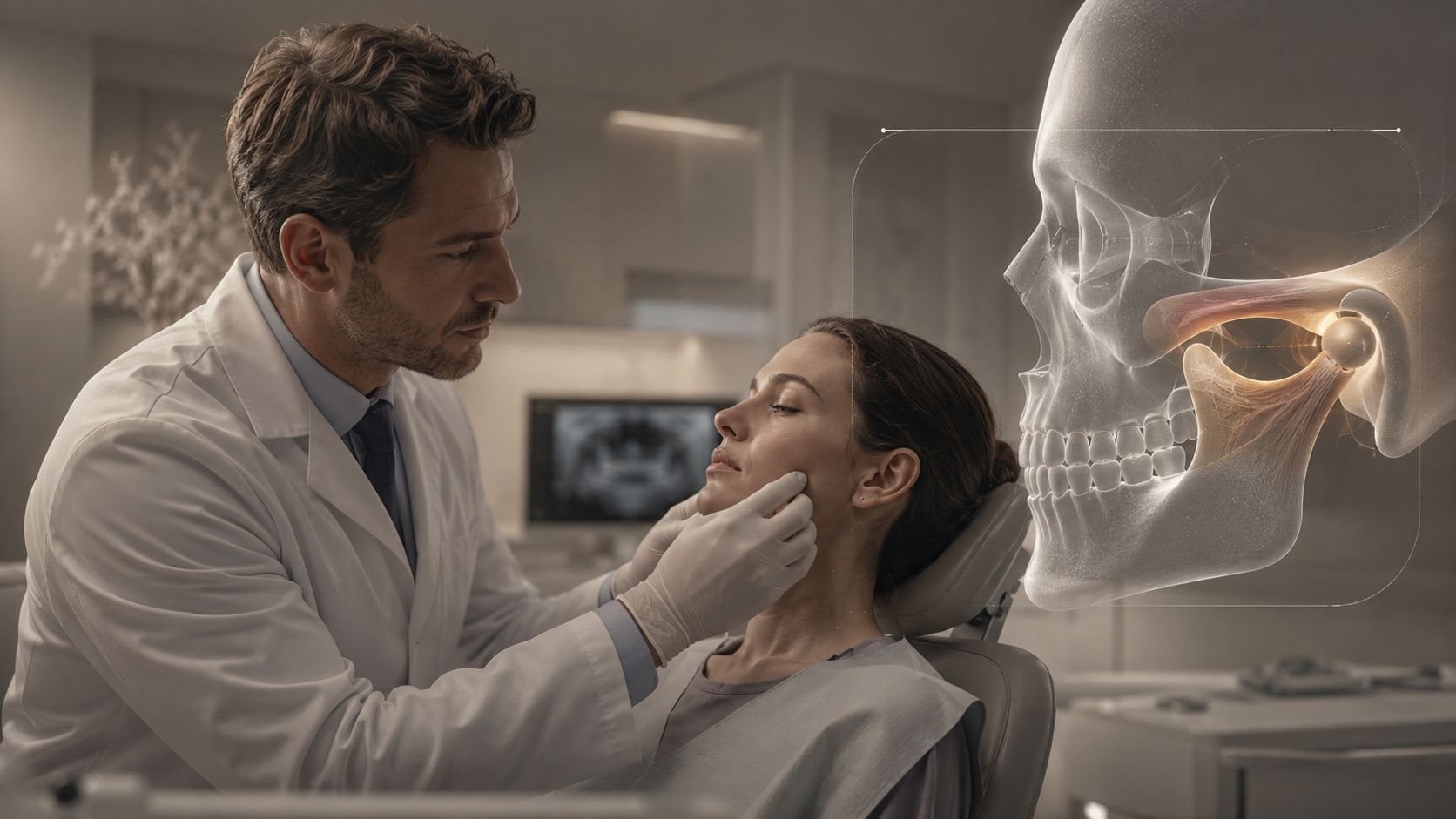
The TMJ, or temporomandibular joint, is the hinge that connects your lower jaw to your skull. You use it constantly without thinking about it, every time you chew, swallow, speak, or yawn. When that joint and the tissues around it stop working the way they should, the condition is usually called TMD, short for temporomandibular disorders.
That distinction matters because the names point to different things. TMJ is the joint itself. TMD is the broader group of problems that can involve the joint, the muscles, the nerves, and nearby structures. The National Institute of Dental and Craniofacial Research notes that TMDs are a group of more than 30 conditions, which is why jaw symptoms do not all mean the same thing. A clicking jaw, a sore muscle, and a joint that will not open fully can each point to a different issue, even when the discomfort feels similar.
Why the label changes the conversation
A complaint like “knee pain” could describe a sprain, arthritis, tendon irritation, or a tracking problem, and the right response depends on which one is present. Jaw pain works the same way. The label TMD helps separate symptoms that come mainly from the muscles from those that come mainly from the joint, so a good exam looks beyond the exact spot that hurts.
In myogenous TMD, the muscles do much of the talking. In articular TMD, the joint itself is more central, and disc displacement is a common structural issue. That is why a careful dental evaluation is more useful than guessing, because treatment should match the subtype, not just the pain.
The practical takeaway is simple. An occasional click does not automatically mean something serious is going on. Pain, locking, or a change in how your jaw works deserves a closer look, especially when the symptoms keep returning or start affecting daily function.
For teams that want consistent patient messaging, a compliance platform that helps dental practices organize educational materials can help keep educational materials organized and aligned with clinical communication.
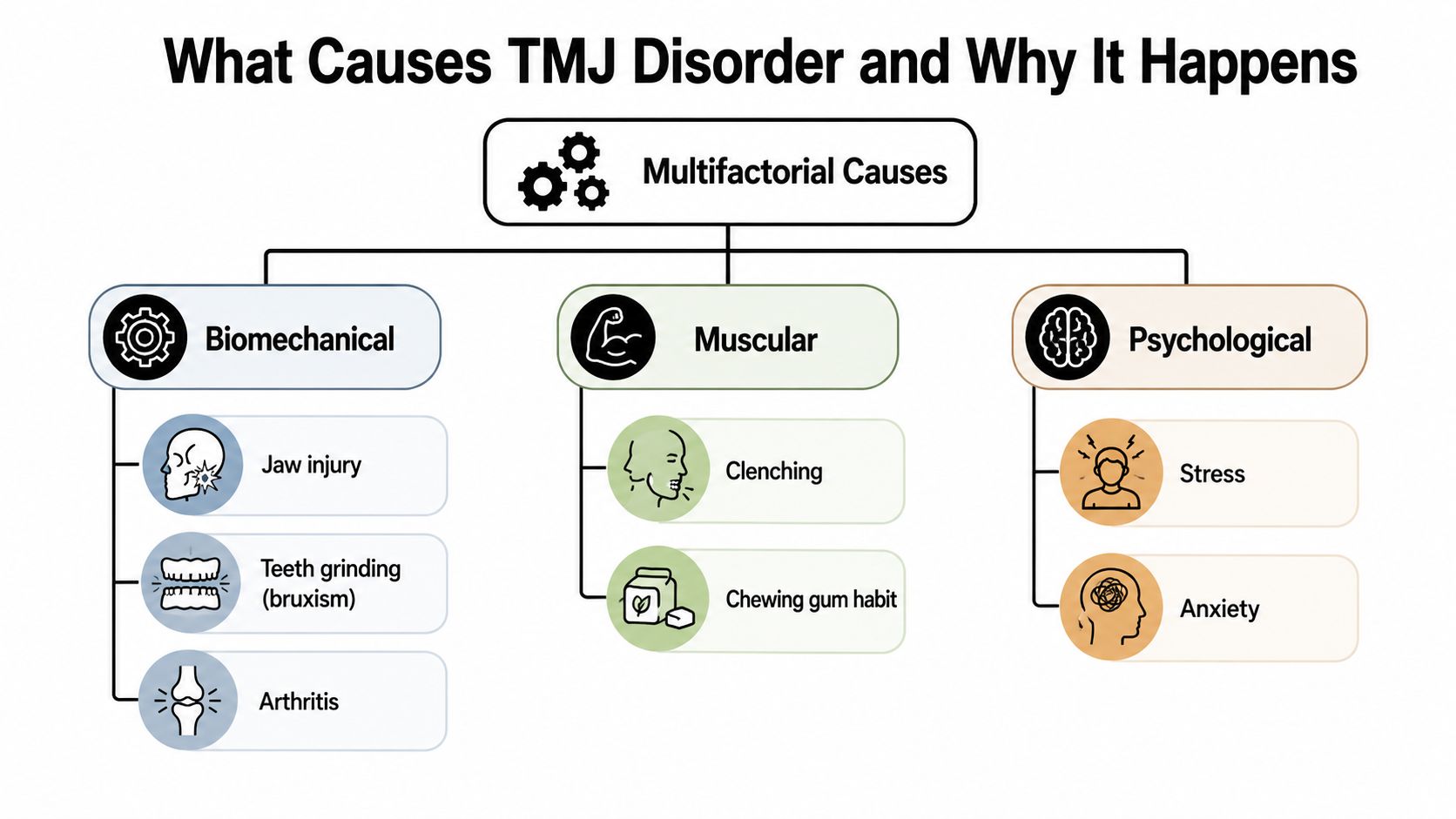
What Causes TMJ Disorder and Why It Happens
TMD usually develops from a mix of pressures, not one single mistake. Expert reviews describe it as multifactorial, with common drivers including biomechanical overload, clenching or grinding, trauma, and psychosocial stress. In plain English, the jaw is often dealing with more load than it was meant to carry, and the surrounding muscles may be working overtime in response. Medscape review of TMD causes
The overloading cycle
One technical mechanism that matters is repeated mechanical overloading. The NCBI State of the Science on TMDs notes that cartilage degeneration in the joint may begin when loads rise above normal physiologic conditions. That helps explain why chronic microtrauma can turn ordinary jaw use into irritation, inflammation, and sometimes degenerative change. NCBI State of the Science on TMDs
That's also why the old idea that TMD is just a “bite alignment problem” can be too simple. A bite can play a role, but it's usually one piece of a larger pattern that also includes sleep habits, muscle tension, and stress-related clenching. Someone who grinds at night may never notice it until the jaw starts feeling sore in the morning.
Stress shows up in the jaw
Stress doesn't stay abstract. In many people, it shows up as a tight jaw, pressed teeth, or a habit of clenching during the day without realizing it. Sleep can make the problem harder to spot, because the patient wakes up with pain but never sees the behavior that caused it.
Stress may not start the problem by itself, but it can make a small jaw issue harder to ignore.
That's why a thoughtful dentist listens for patterns, not just symptoms. A recent injury, heavy gum chewing, or a period of poor sleep can all add to the load. Once the cycle starts, the jaw muscles often stay guarded, and that guarding keeps the discomfort going.
Recognizing Common Symptoms and When to Seek Help
TMD symptoms often show up in clusters. A patient may have pain in the jaw, then notice clicking when opening wide, and later realize they're also waking up with headaches. The National Institute of Dental and Craniofacial Research says TMD/TMJD prevalence is between 5% and 12% in the U.S., and the condition tends to affect younger people more often than older adults, which is unusual for many chronic pain conditions. NIDCR prevalence data
The U.S. burden has been fairly steady over time. National Academies data cited survey estimates showing 11.2 to 12.4 million U.S. adults with TMJ-region pain in 2018, about 4.8% of adults, while earlier and later surveys reported similar prevalence levels, though the time window measured changed. National Academies chapter
Common symptoms patients notice
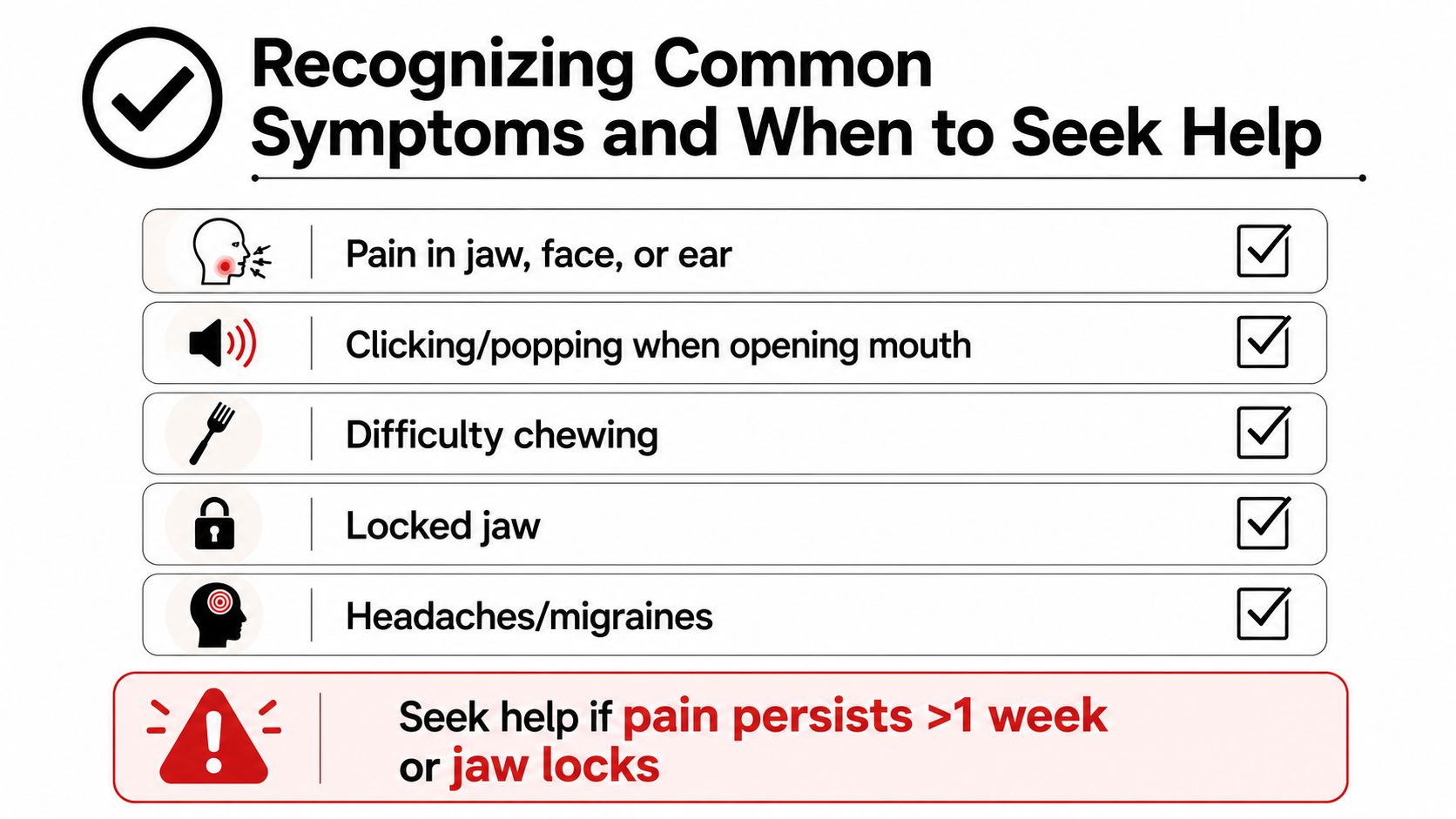
Typical complaints include:
- Jaw tenderness or soreness, especially near the front of the ear.
- Clicking or popping when the mouth opens or closes.
- Headaches on waking, especially after a night of clenching.
- Ear fullness or ear pain without an obvious ear infection.
- Neck discomfort that seems tied to jaw tension.
- Limited opening or a locking feeling when chewing.
The American Family Physician review also notes that TMD symptoms can include jaw popping or clicking, headache, neck pain, tinnitus, dizziness, and reduced hearing, and it estimates U.S. management costs at $4 billion annually. AAFP rapid evidence review
The question many people ask next is whether it will just go away. For some patients, symptoms settle down on their own with time, much like a sprained ankle, and the TMJ Association notes that can happen without formal treatment. For others, symptoms linger or return in cycles, which is where a professional evaluation becomes important. TMJ Association
If your jaw is locking, your pain is interfering with eating, or the symptoms are sticking around and not improving, that's a sign to stop waiting and get checked.
How Winn Smiles Diagnoses TMJ Disorder
A jaw problem is easier to sort out when you start with the story behind it. At Winn Smiles, the first step in a new patient exam is usually a conversation about when the pain began, what sets it off, whether you clench or grind, and whether you've also noticed headaches, limited opening, or a tired feeling in the jaw. That history gives the clinician a map before the hands-on exam begins. new patient dental exam
What the exam usually includes
The clinical exam is careful and practical. The dentist feels the jaw muscles and joint, watches how the mouth opens and closes, listens for clicking or popping, and looks for wear patterns that can point to bruxism. If the symptoms suggest the problem may involve the joint itself rather than only the muscles, dental X-rays or advanced imaging may help rule out other concerns and show the structure more clearly.
Diagnosis is not only about naming TMJ discomfort. It is about sorting out whether the main issue is the joint, the muscles around it, or a combination of both.
That distinction matters because TMJ refers to the joint, while TMD describes the broader group of conditions that affect that area. A person with muscle tension from clenching may need a very different plan from someone whose jaw clicks, catches, or locks. The exam helps avoid treating a short-lived flare as if it were a major structural problem, and it also helps avoid ignoring a pattern that has been building for months.
Some symptoms are reasonable to watch for a short time if they are mild and settling down. If the jaw is locking, the pain is interfering with eating, or the symptoms are not improving, professional evaluation in Chattanooga or Cleveland makes more sense. The goal is to sort out whether this is something that may calm with time or something that needs a more specific diagnosis.
For practices that want tighter workflow support, practical guides for dental office workflow support can be a useful reference for organizing patient communication around exams, follow-up, and case presentation.
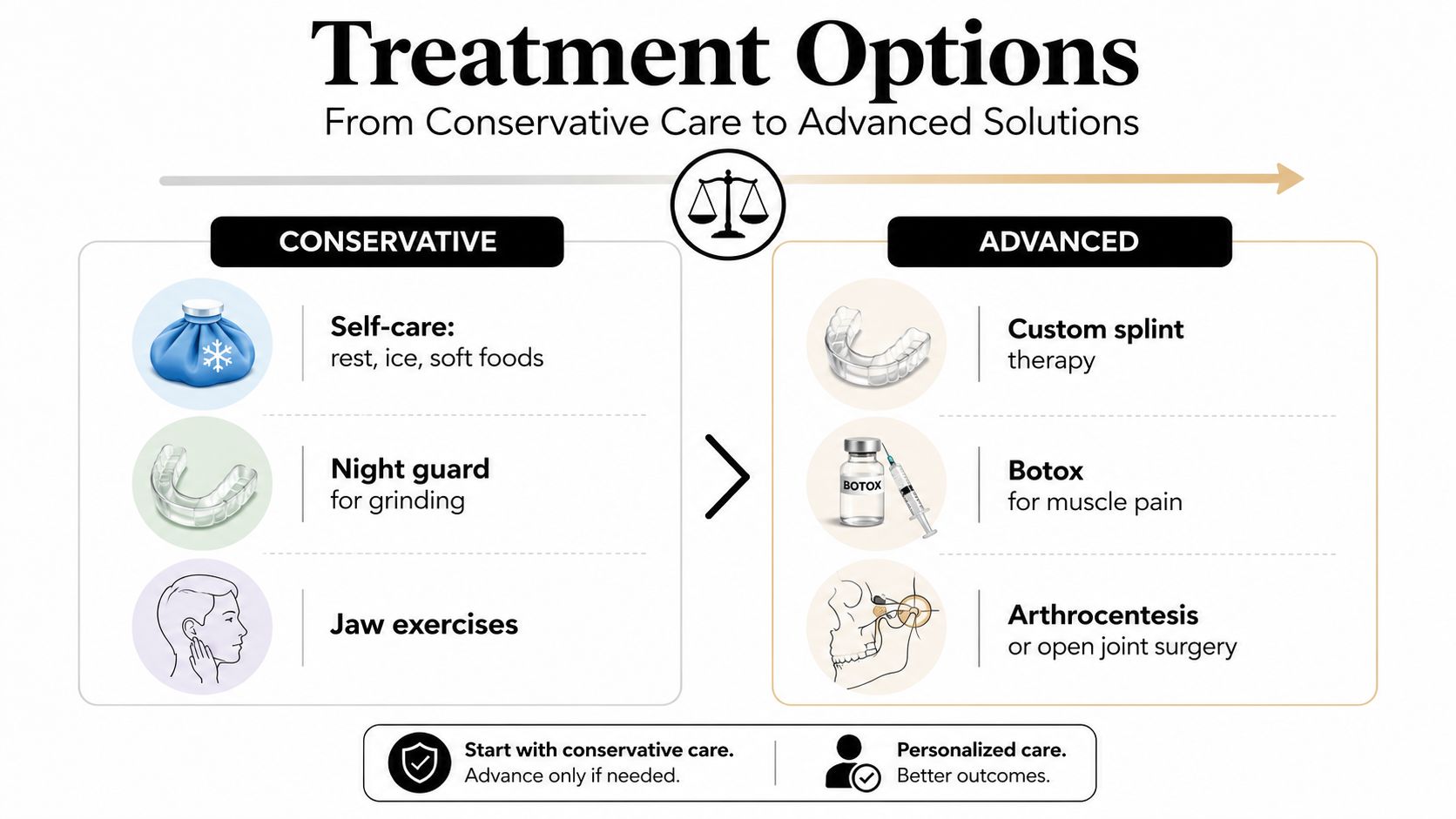
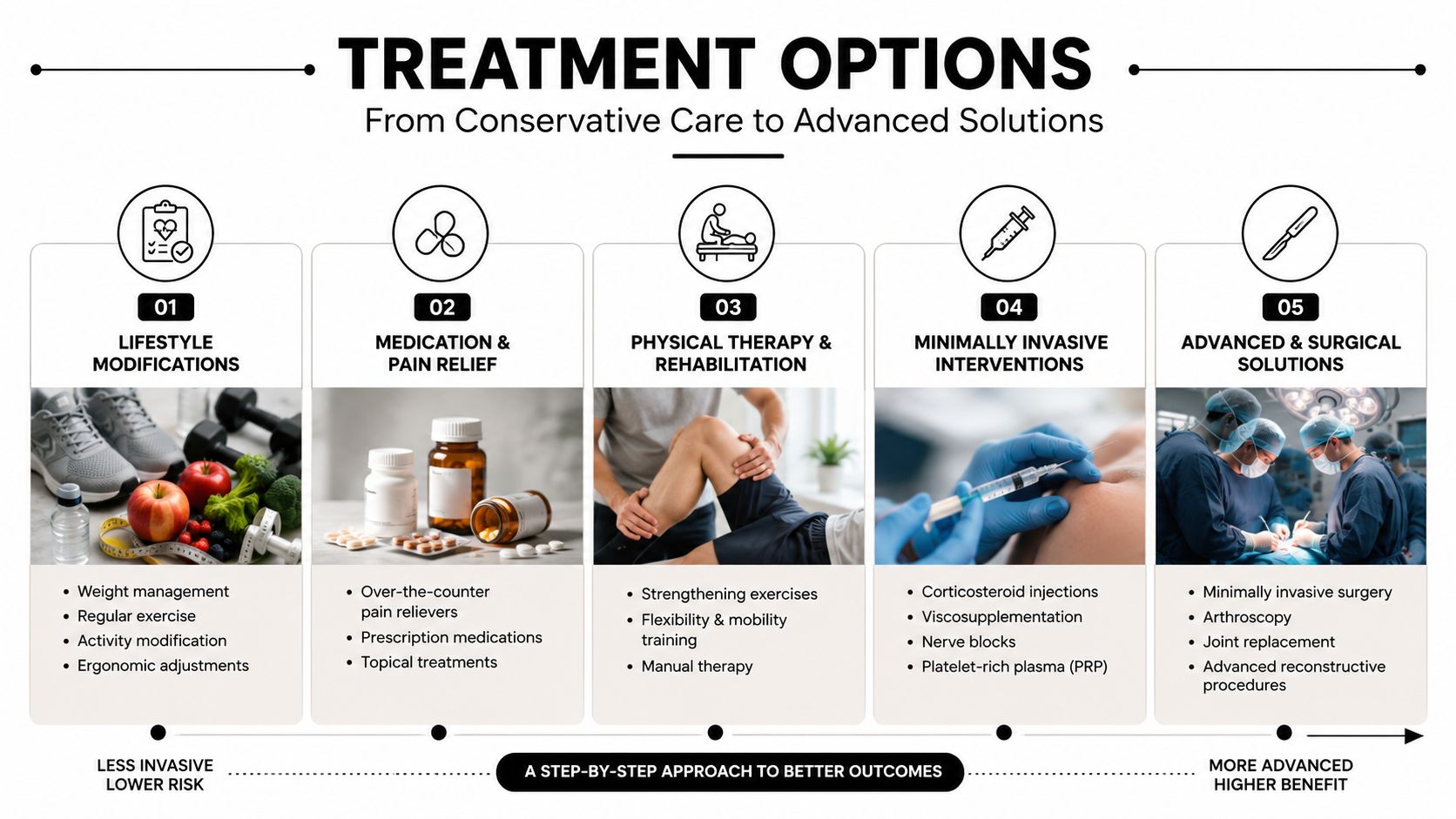
Treatment Options From Conservative Care to Advanced Solutions
Most TMJ care starts with the least invasive step that fits the patient's symptoms. That approach matters because jaw pain often comes from irritated muscles, overworked joints, or both, and those tissues may settle when the load is reduced. A short period of calm care can also help show whether the problem is easing on its own or whether it is continuing to build.
Conservative care first
Self-care usually includes soft foods, avoiding gum, reducing wide yawning, and easing jaw strain while the tissues calm down. These steps give the joint and the surrounding muscles a chance to stop guarding, which can reduce soreness and make chewing less tiring. A custom night guard can be useful when grinding or clenching is part of the picture, because it helps protect the teeth and may reduce pressure on the joint during sleep. For a closer look at that option, see why a teeth grinding night guard may be recommended. Jaw exercises and physical therapy techniques can also help when the muscles are stiff or overworked.
If nighttime grinding is part of your story, that kind of appliance can be worth discussing before your visit. It does not fix every cause of jaw pain, but it can protect worn teeth and reduce one more source of strain while the rest of the plan is taking shape.
When more advanced care enters the plan
For persistent muscle pain, some patients may be candidates for Botox injections aimed at relaxing overactive jaw muscles. In structural cases that do not respond to conservative measures, procedures such as arthrocentesis or open joint surgery can be considered, though those are generally reserved for more serious situations. The point is not to rush to these options. It is to match the treatment to the problem that is causing the symptoms.
Winn Smiles also offers oral appliance therapy that can support patients whose jaw symptoms overlap with sleep-related breathing issues, which matters because clenching and sleep disruption often travel together. A patient who wakes with tight jaw muscles may need a different plan from someone whose joint is inflamed, and that distinction changes the care path. The right treatment can protect the teeth, ease muscle overuse, and make it easier to eat and talk without aggravating the joint.
A simple way to think about the treatment spectrum is this.
- Start with protection: reduce strain, protect the teeth, and calm inflammation.
- Add support when needed: use appliances or muscle-focused care when habits keep loading the joint.
- Escalate only if necessary: advanced procedures belong in the cases that need them.
Self-Care Tips and Your Next Steps to Relief
While you're waiting for an appointment, keep the jaw as calm as possible. Try moist heat or a cold pack, whichever feels better, and stick to softer foods for a few days if chewing is making the pain flare. Gentle stretching can help, but don't force the jaw open if it feels stuck or sharp.
Daytime awareness matters too. Many people clench without noticing while driving, working, or concentrating, so a simple reminder to let the teeth stay apart can reduce strain. Stress-reduction habits like slow breathing can also help interrupt the clenching cycle.
If the jaw is locking, pain is lasting, or eating is becoming difficult, don't wait for it to sort itself out.
For patients in Chattanooga and Cleveland, the next step is a dental evaluation that looks at the joint, the muscles, and the bite together. Winn Smiles provides that kind of patient-focused care, along with a comfort menu, sedation options for anxious patients, and clear conversations about treatment cost and next steps. If you're ready to stop guessing about your jaw pain, visit Winn Smiles to request an appointment and get a plan that fits your needs.