If you’re searching for the best toothpaste for healthy gums, there’s a good chance something has already gotten your attention. Maybe you noticed a little pink in the sink when you spit. Maybe your gums feel puffy. Maybe your breath seems off even though you brush every day. That moment can make anyone uneasy.
I talk to patients in Chattanooga and Cleveland about this all the time. Patients aren’t ignoring their gums. They’re trying to do the right thing, but the toothpaste aisle is packed with claims, colors, and buzzwords that don’t explain what helps.
The good news is that bleeding or irritated gums don’t automatically mean something severe. They do mean your gums need attention. Choosing a better toothpaste can help, but it works best when you understand what your gums are asking for and when to bring in a local dentist for a closer look.
Your Guide to Healthier Gums from Your Chattanooga Dentist
A patient might tell me, “I thought I was brushing too hard, but then it kept happening.” That’s often how gum concerns start. Not with major pain. Not with a dramatic emergency. Just a small change that keeps showing up.
If that sounds familiar, you’re not overreacting by looking up the best toothpaste for healthy gums. You’re being proactive. That’s a smart first step.
Why the toothpaste question matters
Toothpaste isn’t just there to freshen your mouth. The right formula can support your gums by helping reduce the bacterial plaque that irritates them day after day. The wrong formula, or the wrong brushing habits, can leave you spinning your wheels.
Many people also assume all fluoride toothpastes work the same way. They don’t. Some are mainly aimed at cavity protection. Others are designed to do more for gum tissue.
Practical rule: If your gums bleed, feel swollen, or look redder than usual, don’t just switch flavors. Look at the active ingredients.
Patients who want to learn more about home care often find it useful to read about simple general dentistry practices and how everyday habits shape long-term oral health. If you want a practical local guide, this post on how to improve gum health naturally can help too: https://www.winnsmiles.com/post/how-to-improve-gum-health-naturally
What worried patients usually ask
In the office, the questions are usually very direct:
- “Why are my gums bleeding if I brush every day?” Plaque can sit at the gumline even when someone brushes regularly.
- “Do I need a special toothpaste?” Sometimes yes, especially when the goal is gum support rather than cavity prevention alone.
- “Can toothpaste fix gum disease?” It can help control early inflammation, but it can’t replace professional treatment when the problem has progressed.
- “Should I see a dentist near me or just try a new product first?” If the issue is mild and recent, a better home routine may help. If it keeps happening, a dental exam matters.
A local, practical approach
As a dentist serving Chattanooga and Cleveland, TN, I want patients to know they don’t have to guess their way through gum care. A thoughtful plan usually includes the right toothpaste, a better brushing method, regular cleanings and exams, and sometimes periodontal treatment when needed.
That’s the goal. Not just finding a tube that says “gum health” on the box, but building habits that keep your gums healthy for the long run.
Understanding the Stages of Gum Disease
Healthy gums act like firm soil around a plant. They hold everything in place. When that “soil” gets irritated and begins to break down, the foundation becomes weaker.
That process usually starts small.

Gingivitis means the gums are inflamed
Gingivitis is the early stage. The gums may look red, feel tender, or bleed when you brush or floss. At this point, the irritation is mostly in the gum tissue itself.
That’s why early gum problems are so easy to dismiss. Your teeth may not hurt. You may still eat normally. You may think the bleeding is just from flossing “too hard.”
In many cases, gingivitis can improve with better plaque control and professional cleanings.
Periodontitis means the support structures are involved
Periodontitis is more advanced. This is when the irritation isn’t just sitting on the surface. The deeper support around the teeth starts to break down.
Patients might notice:
- Persistent bleeding
- Gums pulling away from teeth
- Bad breath that doesn’t improve
- Teeth that feel different when biting
- Loose teeth in more severe cases
If gingivitis is like irritated soil, periodontitis is soil erosion. The tooth may still be there, but the support around it is less stable.
Why this progression matters
People often search for an emergency dentist in Chattanooga when gum symptoms suddenly become painful or scary. I understand that. But most gum disease doesn’t begin as an emergency. It builds through daily plaque accumulation.
That’s why products and technique matter. Some toothpaste formulas are built to do more than polish teeth. Research from UCI Beckman Laser Institute & Medical Clinic found that a novel dental gel achieved pocket depth improvements in more than 80% of diseased periodontal sites, with 2.5 times less gum inflammation and 1.9 times less gum bleeding compared with conventional toothpaste controls (study details).
That kind of result helps illustrate an important point. The formula you use at home can influence gum health, especially when it’s paired with proper cleaning and professional care.
Gum disease usually doesn’t announce itself with sharp pain at first. It tends to show up as bleeding, swelling, odor, or tenderness that lingers.
Where people get confused
Many patients mix up recession and infection. Receding gums can happen for more than one reason, including brushing habits, inflammation, and anatomy. If you’ve wondered how that works, this explanation of what causes gum recession gives a helpful overview.
Another common point of confusion is this: if your gums don’t hurt, are they really unhealthy? Sometimes yes. Gum disease can be surprisingly quiet in the early stages.
A simple way to think about it
Use this quick mental checklist:
| Sign | What it may mean |
|---|---|
| Bleeding when brushing | Early inflammation may be present |
| Puffy or red gums | Gingivitis is possible |
| Gums pulling back | Support may be changing |
| Ongoing bad breath | Plaque and gum irritation may be involved |
| Tooth looseness | More advanced disease needs prompt evaluation |
When caught early, gum problems are much easier to manage. That’s one reason I encourage patients in Chattanooga and Cleveland not to wait for pain before they act.
Key Ingredients for a Gum-Healthy Toothpaste
A toothpaste for healthy gums should do more than make your mouth feel minty. It should help control the bacterial plaque that irritates gum tissue, support a cleaner gumline, and be gentle enough for regular use.
The ingredient list matters more than the marketing on the front of the box.
Stannous fluoride stands out for gum support
If a patient asks me where to start, stannous fluoride is usually high on the list. It’s different from fluoride formulas that focus mainly on enamel protection.
A 2023 clinical study in the Journal of Periodontology found that a toothpaste with 0.454% stannous fluoride produced “clinically and statistically significant improvements in whole-mouth plaque levels and signs of gingival inflammation and bleeding” compared to other common fluoride toothpastes (American Academy of Periodontology summary).
That matters because gum disease starts with plaque sitting where it shouldn’t. A toothpaste that helps reduce plaque and calm inflammation gives you a better shot at improving your gum health at home.
Some patients recognize product names like Parodontax or Crest Gum Detoxify because these are often discussed for gum-focused care. When I recommend a toothpaste, I’m looking past the brand and checking the active ingredient first.
Why this ingredient works differently
Stannous fluoride isn’t just there for cavities. It has a broader job in gum care.
It can help by:
- Targeting plaque bacteria at the gumline
- Reducing inflammation signals in irritated tissue
- Supporting daily maintenance for people prone to bleeding gums
- Offering cavity protection at the same time
That combination is why it often comes up in conversations about the best toothpaste for healthy gums.
If your main concern is bleeding gums, a cavity-only toothpaste may not be the most helpful choice.
Other label features that may matter
Not every useful feature is a headline active ingredient. Some patients do well with toothpaste choices that are designed to be less irritating overall.
SLS-free formulas
Some people find that SLS-free toothpaste feels gentler, especially if they deal with mouth irritation, tissue sensitivity, or a dry mouth feeling after brushing. This doesn’t mean SLS is harmful for everyone. It means comfort can affect consistency, and consistency matters.
Mild abrasives
Toothpaste still needs to clean. But for patients with exposed roots, gum recession, or restorations, gentler polishing agents are often a better fit than harsh “deep clean” styles.
Ingredients aimed at plaque control
You may also see ingredients meant to support plaque control and fresh breath. What matters is whether the toothpaste is clearly built around gum health, not just whitening.
Active ingredients in gum health toothpastes
| Ingredient | Primary Function | Best For |
|---|---|---|
| Stannous fluoride | Helps control plaque bacteria, supports gum health, and protects against cavities | Bleeding gums, gingivitis concerns, patients needing cavity and gum support |
| Sodium fluoride | Helps protect enamel and prevent cavities | Patients focused mainly on cavity prevention |
| SLS-free formulation | May feel gentler for sensitive oral tissues | Patients with mouth irritation or gum sensitivity |
| Mild abrasives | Clean teeth while being gentler on exposed roots and restorations | Receding gums, sensitivity, cosmetic dental work, implants |
| Plaque-fighting additives | Support cleaner surfaces around the gumline | Patients prone to buildup and gum irritation |
What not to rely on alone
A “whitening” label doesn’t mean a toothpaste is ideal for gums. A strong mint flavor doesn’t mean it treats inflammation. A natural label doesn’t automatically tell you how well it handles plaque.
Those details can distract people from the two questions that matter most:
- What is the active ingredient?
- Is this toothpaste built for gum support or just general cleaning?
What I’d tell a concerned patient in the aisle
If you’re standing in a pharmacy in Chattanooga trying to compare ten boxes at once, keep it simple:
- Look for stannous fluoride if gum bleeding or gingivitis is the concern.
- Choose a gentle formula if you have recession, sensitivity, veneers, crowns, or implants.
- Don’t assume whitening equals healthier gums.
- If symptoms keep going, book an exam instead of switching products over and over.
Toothpaste can be a useful tool. It’s not magic. But when the ingredient matches the problem, patients often feel like they’ve finally stopped guessing.
How to Read Toothpaste Labels Like a Pro
The front of a toothpaste box is built to get your attention. The side panel is where the useful information lives.
If you know what to look for, the toothpaste aisle gets a lot less confusing.
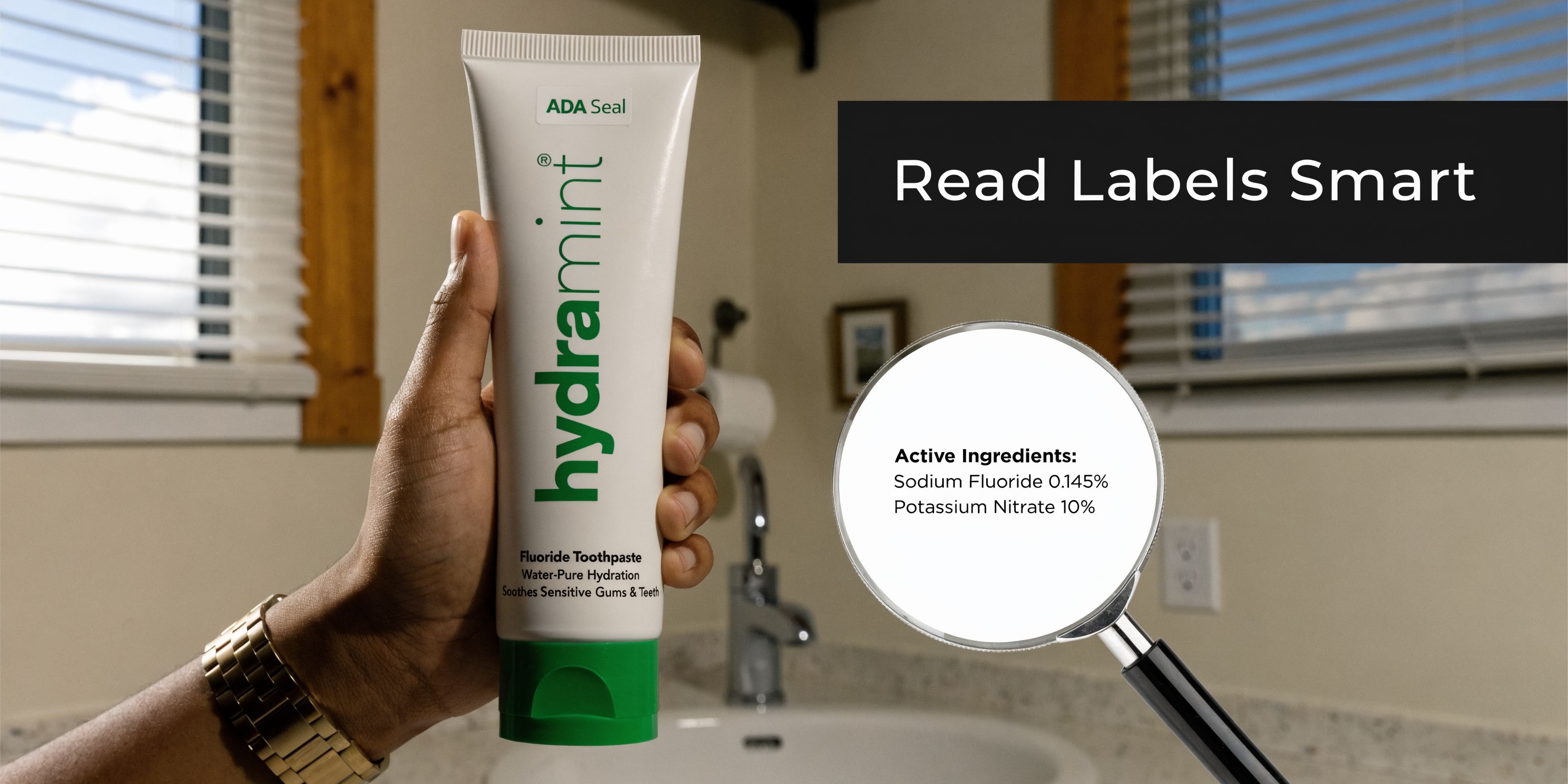
Start with the active ingredient panel
That small section tells you whether the toothpaste is mainly about cavity prevention or whether it may offer added gum support. On the active ingredient panel, you’ll spot names like stannous fluoride or sodium fluoride.
The active ingredient panel is more useful than big phrases like “advanced clean” or “complete care.” Those phrases can mean almost anything.
The ADA standard matters
Another smart thing to watch for is whether the toothpaste aligns with accepted safety standards. The American Dental Association states that any toothpaste with a Relative Dentin Abrasivity (RDA) value of 250 or less is considered safe for lifelong use, producing limited wear to dentin and virtually no wear to enamel with proper brushing technique (ADA toothpaste guidance).
That’s especially important if you have:
- Sensitive teeth
- Receding gums
- Exposed root surfaces
- Crowns, veneers, or implants
- A habit of brushing too hard
Why abrasivity matters more than most people think
Patients often believe a “stronger” toothpaste cleans better. In reality, aggressive formulas can be a poor fit for people whose gums have pulled back or whose teeth are already sensitive.
A toothpaste can clean effectively without being overly abrasive. Safe daily use matters because brushing isn’t a one-time event. It’s something you do for life.
A toothpaste should help you keep your teeth, not wear them down while trying to clean them.
A quick label checklist
When you compare products, check for these details:
- Active ingredient first. Is it stannous fluoride, sodium fluoride, or something else?
- Gum-specific wording. Does it mention gum care, gingivitis, plaque, or bleeding?
- A gentle cleaning profile. This matters if your roots are exposed or your smile includes restorations.
- Clear directions for use. Good products tell you how often and for whom they’re intended.
What patients in our area should remember
If you’re choosing between several options at a store in Chattanooga or Cleveland, don’t let flashy packaging make the decision for you. Read the active ingredient line, think about your own symptoms, and pick a formula that fits your needs.
And if you still aren’t sure, bring the toothpaste you’re using to your next dental visit. That gives your dentist something concrete to review with you.
Proper Brushing and Flossing for Optimal Gum Health
Even the best toothpaste for healthy gums can’t do much if it never reaches the area where plaque builds up most. The gumline is the key zone.
A lot of people brush the visible part of the tooth well enough, but they miss the edge where the tooth and gum meet. That’s where technique matters.
Here’s a simple visual guide you can keep in mind each day:

Brush for the gumline, not just the tooth surface
The Modified Bass technique is a common brushing method used to help clean around the gumline more effectively.
Here’s the basic idea:
- Angle the bristles toward the gumline. Aim the toothbrush at about a 45-degree angle where the tooth meets the gum.
- Use small, gentle motions. Think short wiggles or tiny circles, not hard back-and-forth scrubbing.
- Move methodically. Clean a few teeth at a time so you don’t miss areas.
- Cover all sides. Outer surfaces, inner surfaces, and chewing surfaces all matter.
- Use a light grip. If the bristles are flattening quickly, you may be brushing too hard.
Patients are often surprised by this. They assume harder brushing means cleaner teeth. Usually it just means more irritation.
For a closer look at brushing technique, this guide is worth reviewing: https://www.winnsmiles.com/post/tooth-brushing-techniques
Flossing should be gentle and deliberate
Flossing isn’t about snapping string between the teeth and hoping for the best. Done well, it cleans the side of the tooth and reaches slightly under the gumline.
Try this:
- Guide the floss gently between the teeth instead of forcing it.
- Curve it into a C-shape against one tooth.
- Slide it up and down along the tooth surface.
- Repeat on the neighboring tooth before moving on.
- Use a clean section as you progress through the mouth.
If your gums bleed when you floss, many people stop. I understand why. But when bleeding is caused by inflammation, gentle daily flossing often becomes part of the fix.
Bleeding gums don’t always mean you should stop flossing. Often they mean that area needs better, gentler cleaning.
Mouthwash and water flossers can help
These tools can support your routine, but they don’t replace brushing and flossing.
A therapeutic mouthwash may be useful for some patients who need added help with plaque control or fresh breath. A water flosser can be a nice option for people with braces, bridges, implants, or dexterity challenges.
This short video offers a useful brushing refresher many patients find easy to follow:
Small habits that make a real difference
The patients who improve their gum health usually don’t do anything dramatic. They get consistent.
A strong daily routine often includes:
- Brushing twice a day with a gum-focused toothpaste if bleeding or inflammation is present
- Flossing once a day with a careful technique
- Cleaning the tongue to reduce bacterial buildup
- Replacing worn toothbrush heads so the bristles can still clean properly
- Keeping regular cleaning and exam visits so plaque and tartar don’t stay in place
Professional cleanings matter because home brushing can’t remove tartar once it hardens. If you’ve been trying everything at home and your gums still look angry, that’s often the missing piece.
Choosing Toothpaste for Dental Implants and Cosmetic Dentistry
Patients with implants, crowns, veneers, or other cosmetic work often assume any toothpaste that’s good for natural teeth is fine for everything else. Not always.
Restored teeth and implants can change what “best” means.
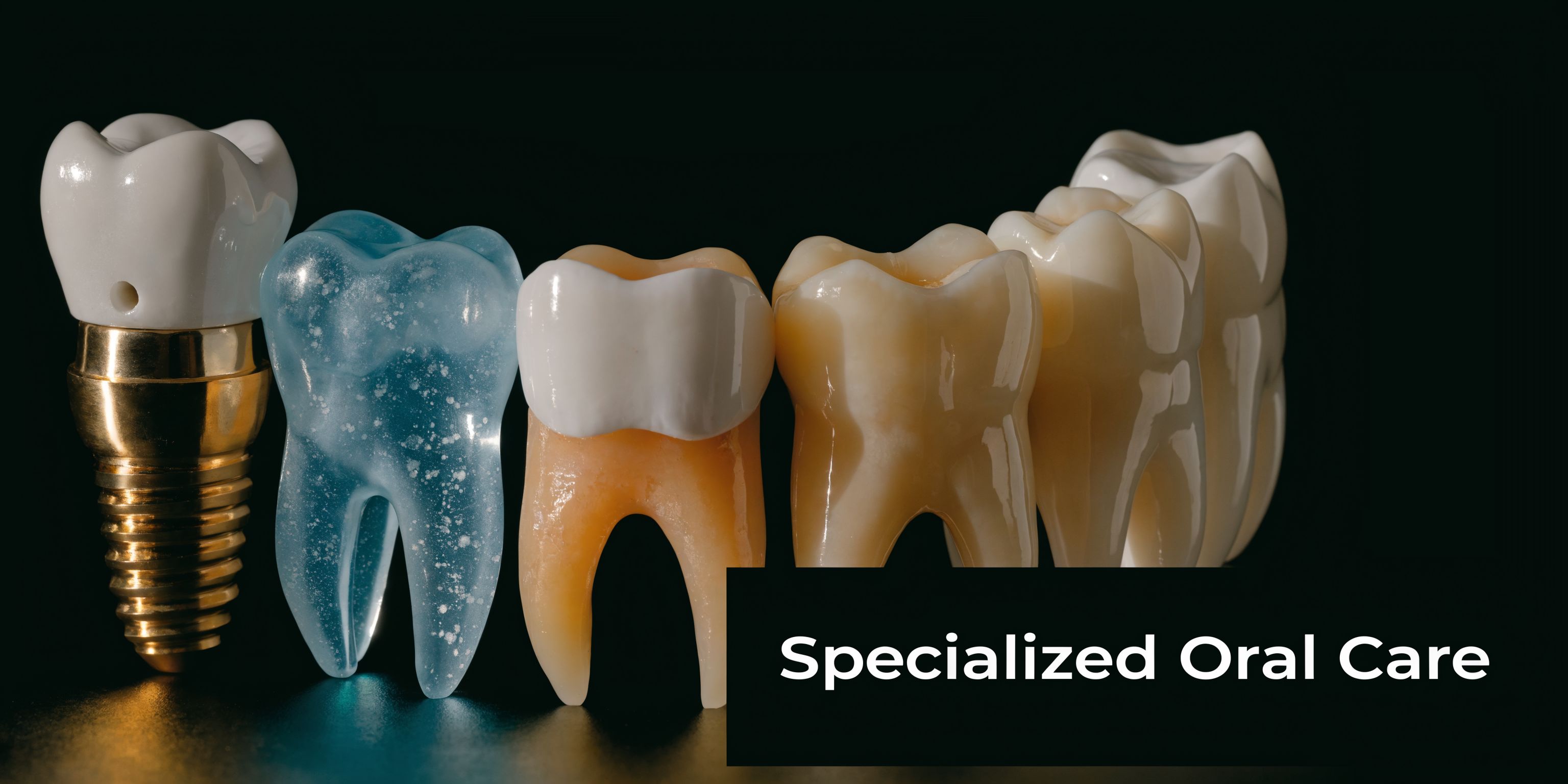
Implants need plaque control without unnecessary abrasion
An implant doesn’t get a cavity, but the tissue around it can still become inflamed. That’s where patients can get into trouble if they focus only on the crown they see above the gumline and not the health of the surrounding tissue.
For patients with dental implants, non-abrasive, plaque-fighting ingredients are critical to prevent peri-implantitis. Emerging research suggests that ingredients like zinc citrate can reduce biofilm on implants by up to 40% more than standard fluoride pastes, which matters given the 5-10% global implant failure rate often linked to poor hygiene (implant-focused overview).
That doesn’t mean every patient needs a complicated regimen. It means you want a toothpaste that cleans effectively without scratching surfaces or irritating tissues.
Cosmetic dentistry also changes the conversation
If you have veneers, bonding, crowns, or whitening goals, highly abrasive toothpaste can work against you. A rougher formula may not be ideal for polished surfaces or exposed root areas.
In those cases, I usually want patients thinking about two things:
- How well does this toothpaste support gum health?
- How gentle is it on the dental work and surrounding tissue?
A toothpaste marketed only for whitening may not be the best fit if your gums are already irritated.
Practical shopping advice for restored smiles
If you have implants or cosmetic dental work, here’s a simpler way to choose:
| Situation | What to prioritize |
|---|---|
| Single or multiple implants | Low-abrasion, plaque-fighting formula |
| Veneers or bonding | Gentle cleaning over harsh whitening |
| Crowns with gum tenderness | Gum-focused ingredients and careful brushing |
| Receding gums around restorations | Mild toothpaste and soft technique |
Patients looking for dental implants near me or a cosmetic dentist near me in Chattanooga often focus on the procedure itself. That makes sense. But maintenance after treatment is part of protecting that investment.
This is one area where personalized advice matters. A patient with implants, exposed roots, and sensitive gums doesn’t need generic toothpaste advice. They need a home-care plan that matches their mouth.
Partner with Winn Smiles for Lasting Gum Health
Toothpaste helps. Technique helps. Daily habits help. But there’s a point where self-care isn’t enough.
If your gums bleed often, stay swollen, feel sore, smell unpleasant, or seem to be pulling away from your teeth, it’s time for a professional evaluation. If a tooth feels loose or your bite feels different, don’t wait.
Some symptoms need more than a product switch
Many patients spend months trying new toothpastes without getting real answers. The reason is simple. Gum disease can sit below the surface where a mirror and a mint flavor won’t tell the full story.
Stannous fluoride operates through a distinct molecular pathway, actively inhibiting bacterial metabolism and biofilm formation, which is especially relevant for patients in periodontal maintenance care (clinical explanation). That supports specific product recommendations, but it doesn’t replace diagnosis.
What a dental visit should do
A useful exam should answer questions like:
- Are you dealing with simple gingivitis or something deeper?
- Is there gum recession, pocketing, or tartar buildup?
- Are your implants, crowns, or other restorations affecting home care choices?
- Would you benefit from a cleaning, periodontal therapy, or a change in routine?
At Winn Smiles, patients in Chattanooga and Cleveland can get care that connects the home routine with what’s happening clinically. That may include cleaning and exams, periodontal care, implant maintenance, restorative dentistry, cosmetic dentistry, same-day crowns, emergency dentist visits, or tooth extraction when a problem has advanced too far to save predictably.
The right toothpaste is helpful. The right diagnosis is what keeps a small gum problem from becoming a bigger one.
Why local follow-up matters
Seeing a local dentist means your care can be adjusted as your mouth changes. A toothpaste that makes sense after a routine cleaning may not be enough if gum pockets deepen later or if you’ve had implant treatment, veneers, or other restorative work.
That’s why I encourage patients not to treat gum bleeding as a small nuisance. It’s feedback. Your mouth is telling you something.
If you’re tired of guessing which toothpaste to buy or wondering whether your gum symptoms are normal, schedule a visit with Winn Smiles. A personalized exam can help you find the cause, choose the right home-care routine, and protect your smile with a plan that fits your needs in Chattanooga or Cleveland, TN.