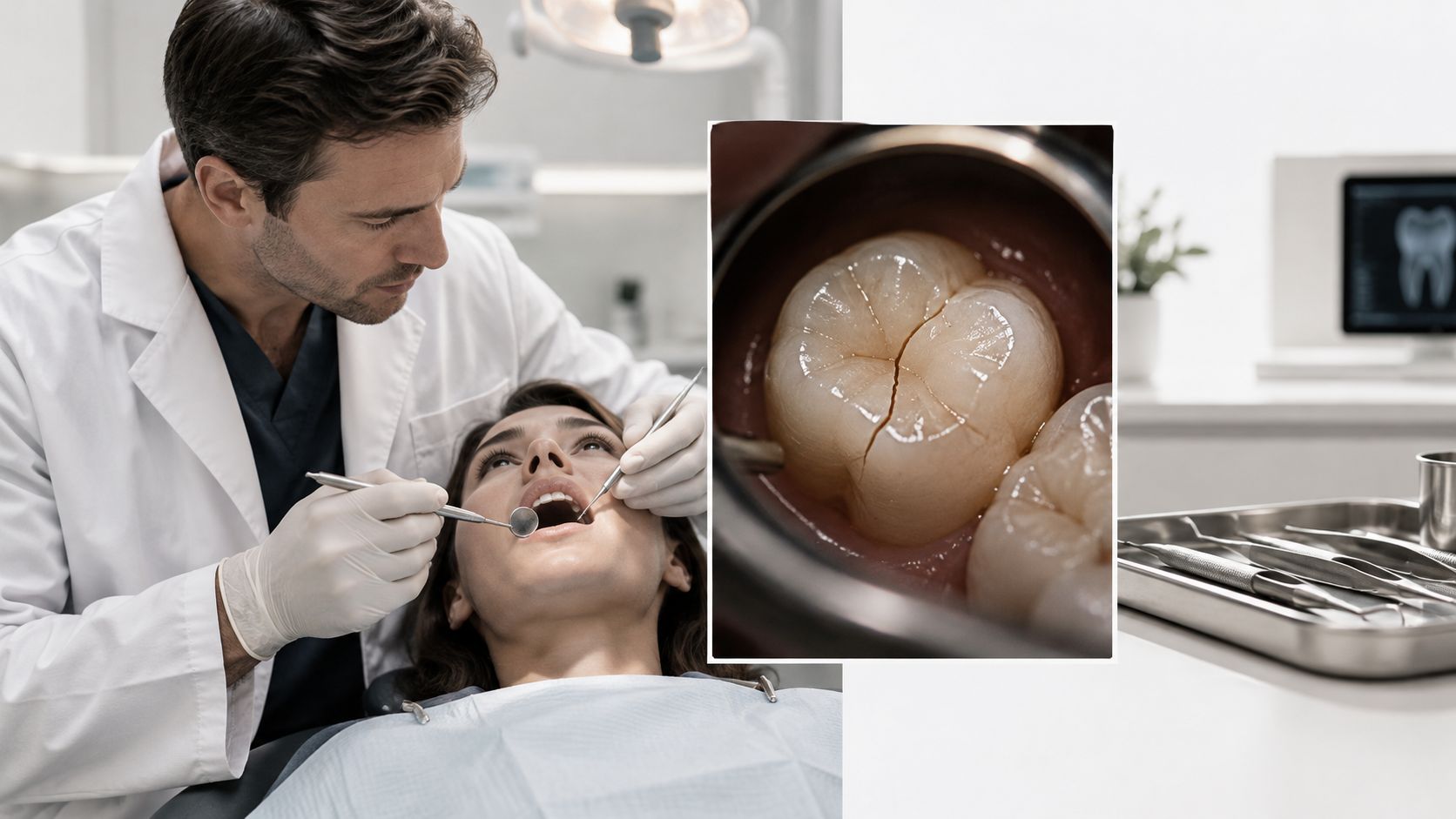
A sore tooth can set off a fast spiral of worry. If you already live with high blood pressure, it’s normal to wonder whether the ache in your mouth is coming from your teeth, your medication, or your blood pressure itself.
That concern is reasonable. The mouth and the rest of the body don’t operate in separate lanes, and dental pain can feel especially unsettling when you’re also trying to manage a heart-related condition. Some people notice gum tenderness after starting a medication. Others feel a dull throb and assume it must be stress or blood pressure. Sometimes they wait, hoping it passes.
That’s where confusion can create risk. Tooth pain may come from decay, a cracked tooth, an infection, gum inflammation, clenching, or medication-related changes in the mouth. High blood pressure can be part of the picture, but usually not in the simple way people expect.
If you’re uncomfortable right now and trying to get through the day, these gentle ideas for a home remedy for toothache may help temporarily. They aren’t a substitute for an exam if the pain lingers, worsens, or comes with swelling.
That Sudden Tooth Pain Is It Your Blood Pressure
A lot of adults have the same first thought. “My blood pressure has been up lately. Is that what’s making my tooth hurt?”
Sometimes the timing makes it feel obvious. You’ve had a stressful week. Your readings have been higher. Then a tooth starts throbbing during dinner or wakes you up at night. It’s easy to connect the two and assume the blood pressure itself is the cause.
The situation is more nuanced.
What people often notice first
A blood pressure problem usually doesn’t create sharp, localized tooth pain by itself. If one tooth hurts when you bite, reacts to cold, or feels tender around the gumline, a dental issue is often involved. That could be decay, a crack, gum inflammation, or infection.
High blood pressure can still matter. It may influence inflammation, healing, and pain perception. Medication can also change the mouth in ways that make tooth or gum discomfort more likely.
A throbbing tooth and high blood pressure can be connected, but they usually aren’t the same problem. One may be affecting the other.
When the worry becomes the hardest part
Patients often get stuck on questions like these:
- Is this just stress? Stress can raise blood pressure and also increase jaw clenching, which may make teeth sore.
- Could my medication be causing it? Yes, some blood pressure medicines can affect the gums or contribute to dry mouth.
- If my blood pressure is high, should I wait? Usually no. Ongoing tooth pain deserves dental attention, especially if it’s paired with swelling, a bad taste, or trouble chewing.
The safest mindset is simple. Treat tooth pain as real until proven otherwise. Even if blood pressure plays a role, your mouth still needs an exam.
The Two-Way Link Between Your Heart and Your Smile
This question is typically considered in one direction: people inquire whether high blood pressure can cause tooth pain. A better question is whether oral health and blood pressure affect each other.
They can.

Your mouth isn’t separate from the rest of you
Your gums are full of blood vessels. Your teeth sit in bone and connective tissue. When inflammation stays active in the mouth, the body has to respond to it. When circulation and blood vessel health change, the mouth can feel it too.
That’s why this isn’t just a “tooth problem” or a “heart problem.” It’s a whole-body issue.
A large review found that people with tooth loss had 2.22 times higher odds of developing hypertension, and completely edentulous patients had an odds ratio of 4.94, showing that more severe tooth loss tracked with greater hypertension risk (PMC meta-analysis on tooth loss and hypertension).
A simple way to think about it
Think of your mouth as one of the body’s front doors. If the tissues there stay irritated or infected, your body keeps reacting. If your cardiovascular system is already under strain, that extra burden matters.
This doesn’t mean every cavity causes hypertension, and it doesn’t mean every person with high blood pressure will get tooth pain. It means the connection is strong enough that ignoring either side is a mistake.
How the two-way relationship shows up in daily life
Here’s what that can look like for an adult in Chattanooga or Cleveland:
| Situation | What may be happening |
|---|---|
| You have long-term gum problems | Ongoing oral inflammation may add stress to overall health |
| You’ve lost several teeth | Chewing changes, diet changes, and chronic oral disease may all affect wellness |
| Your blood pressure is hard to manage | Gum disease or untreated dental pain may be part of the picture |
| A tooth hurts and you delay care | Pain, infection, and stress can make the body work harder |
Main takeaway: If you’re asking “can high blood pressure cause tooth pain,” the most helpful answer is that the relationship goes both ways. Your blood pressure can affect your mouth, and your mouth can affect your blood pressure.
That’s why regular exams, cleanings, dental X-rays, and prompt treatment matter. They protect more than your smile.
How Hypertension Can Trigger Tooth and Gum Problems
When people ask this question, they usually want the mechanism. Not just “are these connected,” but “how would that happen?”
There are a few pathways.
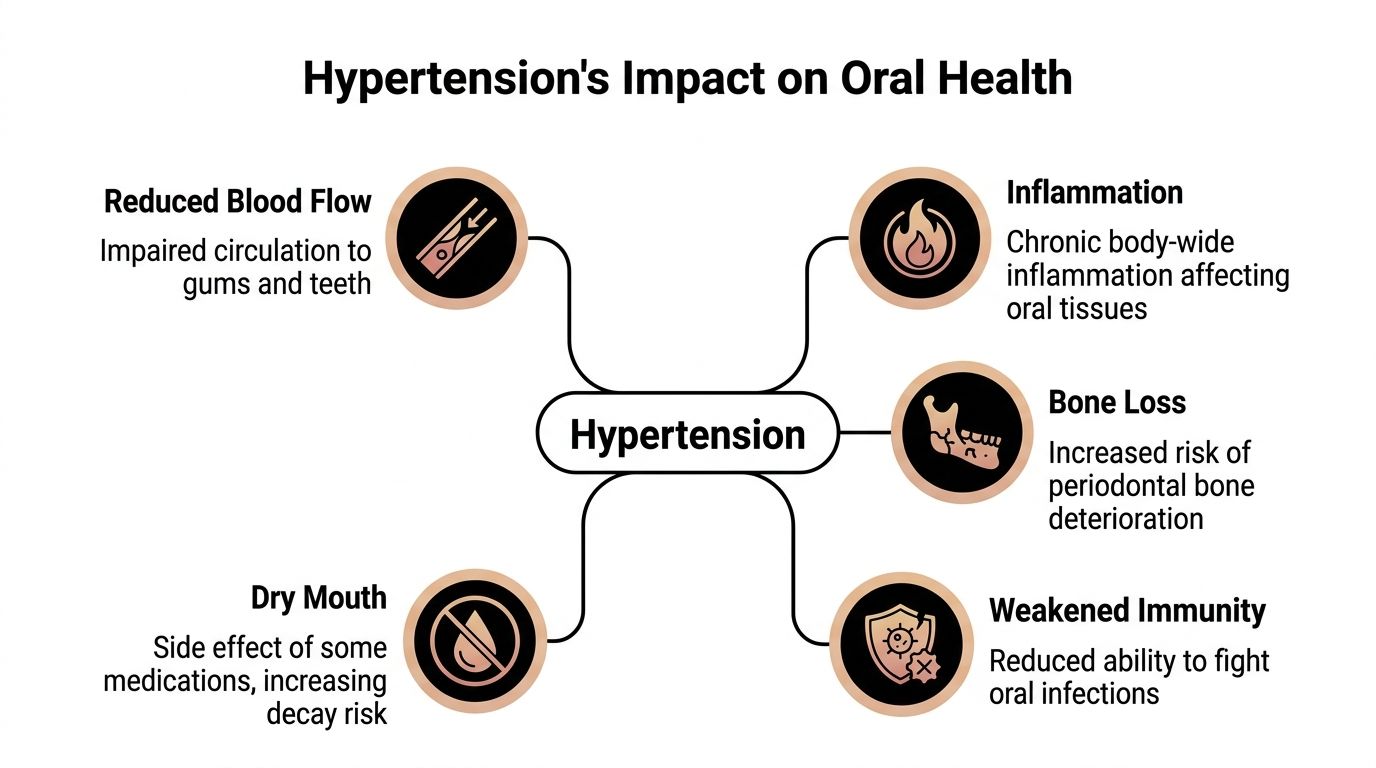
Inflammation can travel beyond the gums
Gum disease isn’t only a surface problem. Inflamed gums release markers associated with broader cardiovascular stress, including C-reactive protein, and research cited in a clinical overview reports that patients with periodontal disease had a 20% lower success rate in controlling high blood pressure (clinical discussion of gum inflammation and blood pressure control).
If you’ve ever wondered why dentists care so much about bleeding gums, this is one reason. Inflamed gum tissue isn’t passive. It signals.
For patients trying to understand the bigger health picture, it can also help to review common causes of high blood pressure, since blood pressure often rises from several overlapping factors rather than one single trigger.
Pain itself can raise the body’s stress response
A painful tooth doesn’t just stay in the tooth. Ongoing pain can push the body into a stress state. Stress hormones rise. Muscles tighten. Sleep gets worse. People clench more and eat less comfortably.
That chain reaction can make blood pressure management harder over time.
If your gums have been sore, swollen, or bleeding, simple daily habits can make a difference alongside professional care. This guide on how to improve gum health naturally covers practical steps you can start at home.
Here’s a short explainer that helps visualize the oral-systemic connection:
Infection adds another layer
Untreated dental infections can allow bacteria to enter the bloodstream. That doesn’t mean every toothache becomes a medical emergency, but it does explain why dentists take swelling, draining gums, bad taste, and deep pain seriously.
A few symptoms should move you from “I’ll wait and see” to “I need to call”:
- Pain with swelling means pressure and infection may be building.
- A foul taste or odor can point to drainage from an infected area.
- Pain when biting may signal a cracked tooth, inflamed ligament, or abscess.
- Bleeding gums that don’t improve may reflect active periodontal disease.
The body reads chronic oral inflammation as a real burden. It doesn’t ignore the mouth just because the problem started there.
Is Your Blood Pressure Medication Causing Tooth Pain
Sometimes the blood pressure itself isn’t the direct issue. The medication is.
That catches many people off guard, especially when they’ve been doing their best to manage a health condition responsibly and then start noticing gum tenderness, trapped food, dry mouth, or sensitive teeth.

Gum overgrowth is one important clue
Some calcium channel blockers, including nifedipine and amlodipine, can cause gingival hyperplasia in up to 20% of patients, and untreated cases are linked to a 30% risk of tooth loss over 5 years (overview of blood pressure medication effects on teeth and gums).
When gums overgrow, they can create pockets that trap plaque and bacteria. That makes brushing and flossing harder. The result may feel like tooth pain, but the source is often inflamed gum tissue around the tooth.
Dry mouth can quietly lead to decay
Another medication-related issue is dry mouth. Saliva helps protect enamel and wash away food debris. When the mouth stays dry, teeth become more vulnerable to cavities, sensitivity, and irritation.
You might notice:
- A sticky mouth that feels worse at night
- Burning or soreness along the gums or tongue
- More sensitivity to sweets, cold drinks, or air
- Cavities near the gumline that seem to appear quickly
Don’t stop medication on your own
If you suspect a blood pressure medicine is affecting your mouth, the next step isn’t to stop taking it. It’s to talk with your dentist and physician so they can coordinate care.
If you’ve been prescribed common blood pressure medicines and want a plain-language overview, this guide to amlodipine and losartan can help you understand the basics before you bring questions to your medical team.
A dentist can identify whether the pain is coming from overgrown gums, plaque buildup, decay, or another condition entirely. Treatment may include a professional cleaning, periodontal therapy, closer home care guidance, or restorative treatment if a tooth has already been damaged.
The Hidden Danger When High BP Masks Serious Dental Issues
There’s a less obvious side to this question. High blood pressure may not only be linked to dental pain. In some people, it may dull it.
That matters because pain is often what pushes someone to seek treatment.

A quieter problem can still be a serious one
A clinical study found significant differences in dental pain threshold between hypertensive and normotensive individuals, with P=0.002, and pain sensitivity was inversely correlated with blood pressure levels, meaning some patients with higher blood pressure may not feel the full intensity of a dental problem (PubMed study on hypertension and dental pain sensitivity).
In plain language, a person with high blood pressure may underestimate a problem that would feel much more urgent to someone else.
What this means in real life
A “small” annoyance could still be:
- A cracked tooth that only hurts when pressure hits it just right
- An abscess that hasn’t caused dramatic swelling yet
- Deep decay close to the nerve
- An infection under an old crown or filling
Mild pain does not always mean a mild problem.
This is one reason routine exams, cleanings, and dental X-rays matter so much for adults with hypertension. If your body isn’t sounding the alarm clearly, screening becomes even more important.
If something feels off, trust the change, not just the pain level.
Find Clarity and Comfort at Winn Smiles in Chattanooga and Cleveland
When tooth pain and blood pressure concerns overlap, people often delay care because they aren’t sure where to start. They don’t want to overreact, but they also don’t want to ignore something important.
A dental exam usually answers the immediate question faster than guessing at home.
What a visit can uncover
Tooth pain can come from several different sources that feel similar without imaging or an exam. A dentist may look for:
| What the patient feels | What needs to be ruled out |
|---|---|
| Sharp pain with chewing | Crack, failing filling, bite stress |
| Lingering sensitivity | Decay, exposed root, nerve irritation |
| Soreness near the gums | Gum inflammation, trapped plaque, medication effect |
| Deep throbbing | Infection, abscess, inflamed nerve |
That matters because untreated cracked teeth or infections can trigger systemic inflammation and stress hormone release, potentially raising blood pressure and creating a cycle where the dental problem worsens the cardiovascular one (discussion of cracked teeth, infection, and blood pressure strain).
What helps most
The best next step depends on the cause. Some people need a cleaning and gum treatment. Others need a filling, root canal, crown, or tooth extraction. If a tooth can’t be saved, restorative dentistry may include options like dental implants.
Many adults also need comfort as much as they need treatment. Dental anxiety and health anxiety often show up together, especially when blood pressure is already a concern. A calm office, clear explanations, and a measured pace can make a major difference.
If you’ve been putting off care because you feel embarrassed, nervous, or overwhelmed, you’re not the only one. Those feelings are common, and they shouldn’t keep you from getting relief.
Why local follow-through matters
If you’re searching for a dentist near me, an emergency dentist, a dentist in Chattanooga, TN, or a dentist in Cleveland, TN, convenience matters. Pain rarely arrives on a perfect schedule.
A local practice that offers new patient exams, dental X-rays, cleaning and exams, restorative dentistry, same-day crowns, cosmetic dentistry, and tooth replacement options makes it easier to move from diagnosis to relief without unnecessary delays.
That’s especially useful when the question started as “can high blood pressure cause tooth pain” and turned out to involve your gums, a cracked tooth, or a medication side effect.
Your Next Step for a Healthy Mouth and Healthy Heart
If you remember only one thing, remember this. Don’t assume tooth pain is “just” your blood pressure.
Sometimes high blood pressure contributes to oral problems. Sometimes medication changes the gums or dries the mouth. Sometimes high blood pressure may even make a serious dental problem feel less dramatic than it really is. None of those situations improve by waiting too long.
A simple rule for what to do next
Start with a dentist if you have:
- Tooth pain when chewing, biting, or drinking something hot or cold
- Swollen or bleeding gums
- A cracked tooth
- Bad taste, bad breath, or drainage
- Jaw soreness or facial swelling
Contact your physician as well if your blood pressure readings are unusually high, your symptoms feel broader than a dental issue, or you have questions about whether a medication may be affecting your mouth.
Don’t split your health into separate boxes
Your dentist should know about your blood pressure history and medications. Your physician should know if you’ve had dental infections, ongoing gum disease, or significant oral pain. That shared information helps both sides of your care.
If you’ve been searching for a dentist near me, tooth extraction, emergency dentist, dental implants near me, or a cosmetic dentist near me in Chattanooga or Cleveland, the most important thing is to get a clear diagnosis instead of guessing.
Pain is stressful. Uncertainty is stressful too. A good exam gives you answers, a treatment plan, and a safer path forward.
If you’re dealing with tooth pain, gum discomfort, a cracked tooth, or questions about how high blood pressure may be affecting your oral health, Winn Smiles can help you get clear answers and compassionate care. With offices serving Chattanooga and Cleveland, TN, the team provides new patient exams, emergency dentistry, cleaning and exams, dental X-rays, same-day crowns, restorative dentistry, cosmetic dentistry, tooth extraction, and dental implants. Schedule a visit or request a consultation to take the next step toward a healthier mouth and greater peace of mind.