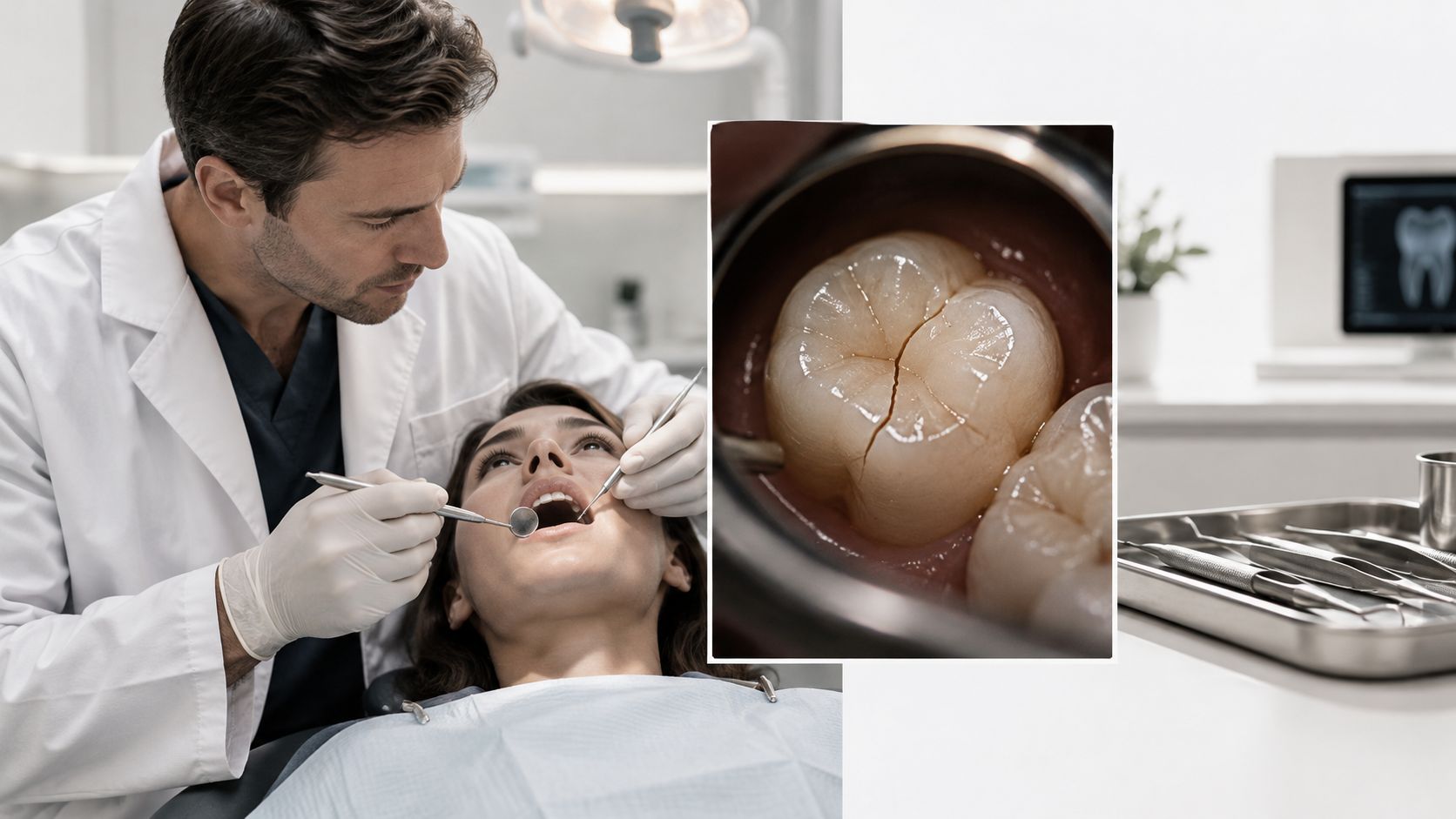
You finally feel settled with your implant, then something small changes. Maybe the gum looks a little red when you brush. Maybe there's a faint pressure when you chew on one side. Maybe the crown doesn't feel quite the way it did a month ago. That's often the moment worry sets in.
If you're in Cleveland or Chattanooga and you're searching for a dentist near me, dental implants near me, or an emergency dentist because something feels off, you're not overreacting. Implant problems aren't always dramatic. Many begin subtly, and the earlier you get them checked, the easier they usually are to manage.
Navigating Concerns About Your Dental Implants
A lot of patients feel conflicted when an implant starts to worry them. They're grateful they chose treatment. They like how it looks. They like being able to chew again. Then a new sensation appears, and they wonder if they're being too cautious by calling.
You're not.
A patient might notice light bleeding around an implant while flossing. Another may feel tenderness that comes and goes. Someone else may say, “It doesn't hurt exactly. It just doesn't feel normal.” Those details matter. They're often the first clues that the gum, bone, or restoration needs attention.
Research shared by News-Medical on long-term implant complications reported that more than 4 out of 10 patients experienced some form of complication within a nine-year follow-up period, with soft tissue complications being the most commonly observed over time. That doesn't mean implants are a bad option. It means follow-up care matters, and it means your instincts are worth listening to.
What worry often feels like
Patients usually don't walk in saying, “I think I have peri-implant disease.” They say things like:
- “It feels sore when I bite down.”
- “The gum looks puffy around that tooth.”
- “I've got a strange taste near the implant.”
- “It seems slightly loose, but I'm not sure.”
Those are useful observations. They help narrow down whether the issue is related to healing, inflammation, bite pressure, or the implant crown itself.
Practical rule: If an implant feels different for more than a few days, or if the area looks different, it deserves a professional look.
Why local evaluation matters
When you're looking for a dentist in Cleveland, TN or dentist in Chattanooga, TN, convenience matters for implant concerns. Problems can change over time, and it helps to have a nearby office for exams, dental x-rays, follow-up visits, and routine maintenance.
That's true whether you need reassurance, a second opinion, or active treatment. Many implant concerns turn out to be manageable. The key is not waiting until a small change becomes a larger one.
Understanding Common Dental Implant Complications
Most dental implant complications fall into two simple groups. Some happen early, during healing after placement. Others show up later, sometimes long after the implant seemed fully settled.
The easiest way to understand them is to separate biological problems from mechanical problems. Biological problems affect the gum and bone. Mechanical problems affect the restoration or parts connected to the implant.
Early problems during healing
Soon after surgery, the tissues are trying to close around the implant and the bone is trying to integrate with it. That's why swelling, tenderness, and mild sensitivity can be part of normal recovery at first. The concern starts when those symptoms persist, worsen, or return after they had improved.
According to a review available through PMC on postoperative implant complications, infection is the most common postoperative complication at 15.3% of cases, followed by peri-implantitis at 12.0% and outright implant failure at 8.0%. In plain language, infection is the issue seen most often after implant surgery.
Early concerns can include:
Infection
Gum redness, swelling, tenderness, discharge, or a bad taste can point in this direction.Delayed healing
The tissue may stay irritated longer than expected, especially if plaque collects around the site.Early implant failure
Sometimes the implant never bonds properly to bone and remains unstable.
Late problems that can appear years later
Later complications often develop more subtly. A patient may feel fine for a long time, then notice bleeding during brushing or a change in how the crown sits.
One of the most important terms to know is peri-implantitis. This means inflammation around the implant that affects both gum and supporting bone. It isn't just irritated tissue on the surface. Left untreated, it can threaten the support around the implant.
A stable implant isn't judged only by whether it's still in place. We also look at the health of the gum, the supporting bone, and how the restoration functions under daily chewing.
Biological issues versus mechanical issues
This distinction helps patients understand why symptoms vary.
| Type of problem | What it affects | What patients may notice |
|---|---|---|
| Biological | Gum and bone around the implant | Bleeding, swelling, bad taste, tenderness, recession |
| Mechanical | Crown, abutment, screw, bite forces | Looseness, clicking, shifting bite, crown movement |
Mechanical problems don't always mean the implant itself has failed. Sometimes the implant is stable, but the crown is loose or a component needs adjustment. That's one reason an exam matters. What feels like “the implant is loose” may turn out to be a more limited repair.
Primary Causes and Risk Factors for Implant Issues
Implant problems usually don't come from one single cause. They tend to develop from a mix of biology, habits, anatomy, and long-term wear. When patients understand those categories, the problem feels less mysterious and the next step becomes clearer.

Health and habit factors
Some risks come from what the body is dealing with every day. Smoking is a major one. Diabetes matters too, especially when healing is slower or inflammation is harder to control. Plaque buildup around the implant also raises concern because bacteria collect at the gumline the same way they do around natural teeth.
Patients who've dealt with gum disease in the past often need closer monitoring around implants. If that's part of your history, this overview of gum disease and implants can help explain why soft tissue health matters so much.
Surgical and structural factors
Some implants begin with a more complex starting point. Bone quantity, bone quality, and implant dimensions all influence how much support the implant has and how forces get distributed over time.
A retrospective study discussed in PMC on grafted versus non-grafted implant complications found that patients who undergo bone grafting for their dental implants face 3.25 times higher odds of experiencing implant-related complications compared to those with non-grafted implants. That doesn't mean bone grafting is a mistake. It often makes implant treatment possible. It does mean those cases deserve careful planning and regular follow-up.
Wear over time
Even a well-placed implant lives in a demanding environment. You chew, clench, grind, sip acidic drinks, miss a cleaning now and then, and use the area thousands of times before your next exam. Over time, those small stresses add up.
Common contributors include:
- Night grinding that overloads a crown or screw
- Heavy bite pressure on one side
- Missed maintenance visits that allow inflammation to develop unnoticed
- Home care gaps around hard-to-clean areas near the gumline
The cause isn't always dramatic. In many cases, implant trouble starts with a series of small stresses that nobody noticed early enough.
This is why patients searching for dental implants near me should think beyond placement alone. Long-term success depends on diagnosis, maintenance, bite management, and healthy tissue support.
Warning Signs You Should Never Ignore
Some implant problems announce themselves clearly. Others stay subtle for a long time. Both deserve attention, but the quiet ones are often the most important because they're easy to dismiss.
One of the more frustrating realities of peri-implant disease is that symptoms may not show up quickly. Medical News Today's discussion of implant problems notes that peri-implantitis typically takes about 5 years to progress and cause detectable symptoms like bleeding or swelling, which is why long-term monitoring matters even after an implant seems completely healed.
Dental Implant Warning Signs at a Glance
| Symptom You Experience | What It Might Mean | Recommended Action |
|---|---|---|
| Bleeding when brushing or flossing around the implant | Gum inflammation or developing peri-implant disease | Schedule an exam and professional cleaning evaluation |
| Swelling or puffiness of the gum | Irritation, infection, or inflammation around the implant | Don't wait for pain. Book a visit promptly |
| Persistent soreness when chewing | Bite overload, inflammation, or a mechanical issue | Have the bite and restoration checked |
| Bad taste or unpleasant odor near the implant | Bacterial buildup or possible infection | Call for an evaluation |
| A loose feeling in the crown or implant area | Loose crown, loose component, or support problem | Avoid chewing there and seek care soon |
| Gum recession around the implant | Tissue changes that may expose more of the implant surface | Get the area examined before it worsens |
| Pressure, numbness, or unusual sensation | Tissue irritation or a structural issue | Seek prompt dental assessment |
Signs that deserve same-week attention
Bleeding, swelling, and tenderness often get brushed off because they seem minor. Around an implant, they're meaningful. If they keep happening, the tissues may be telling you that bacteria are collecting below the gumline or that the area is under too much stress.
A loose-feeling crown also shouldn't be ignored. Patients often assume the implant has failed, but sometimes the implant is still stable and the top restoration needs tightening or repair. That's good news when it's caught early.
What patients often miss at home
A lot of people expect severe pain if something is wrong. That isn't always how implant complications behave. You may notice only a small visual change, a little blood in the sink, or a slight change in pressure while chewing.
If you're ever unsure whether a change inside your mouth is related to the implant or to nearby soft tissue, it can help to compare symptoms with other oral issues. For example, this guide on what to do for a lip bump gives a simple patient-friendly way to think about when an oral change can be watched and when it should be examined.
If you're asking yourself whether you should call, that's usually your answer. It's better to hear “everything looks fine” than to let an early problem keep progressing.
How We Diagnose and Treat Implant Problems in Chattanooga
The most helpful implant visits are calm, methodical, and specific. If something feels wrong, the first job is to identify whether the issue is coming from the gum, the bone, the bite, or the restoration. Those are very different problems, and they don't all need the same treatment.

What a proper implant evaluation includes
A good exam usually starts with conversation. When did the change begin. Is it pain, pressure, looseness, or bleeding. Does it happen only when chewing. Has anything changed in your health, medications, or oral hygiene routine.
From there, the clinical exam may include:
- Visual tissue assessment to check redness, swelling, gum shape, and plaque retention
- Gentle probing around the implant when appropriate
- Dental x-rays or 3D imaging to assess bone support and component fit
- Bite analysis to see whether excess force is landing on the implant
- Restoration check to determine whether the crown or screw is the underlying problem
This kind of visit is why people often search for a dentist in Chattanooga, TN or dentist near me when an implant changes. You need answers tied to your actual anatomy, not guesswork.
Treatment depends on the cause
When inflammation is caught early, treatment may focus on deep cleaning around the implant, improving plaque control, and adjusting home care tools. If the bite is too heavy, a simple bite adjustment can reduce repeated stress. If the crown or abutment is loose, replacing or tightening a component may solve the issue.
More advanced cases can require more involved treatment. If support around the implant has been compromised, the goal becomes stopping further damage and deciding whether the existing implant can be maintained safely.
A large-scale study summarized in PubMed on implant risk factors and outcomes reported that smoking significantly increases complication rates, especially in the upper jaw, while diabetes impairs healing, and short implants under 10 mm can increase failure risk by nearly four times. Those details matter because treatment planning should account for the whole patient, not only the implant itself.
Gentle care matters when patients are anxious
Many people with implant concerns delay care because they're embarrassed or worried the news will be bad. In reality, the visit should feel straightforward. The goal is clarity first, then a practical plan.
Most implant problems become harder when they're ignored, not when they're examined. Diagnosis lowers uncertainty.
For patients also searching for tooth extraction, restorative dentistry, or emergency dentist services, this same careful approach matters. A modern implant practice should be able to assess the full picture and recommend the least invasive next step that still protects your long-term oral health.
Prevention and Aftercare for Long-Term Implant Success
Implants do best when home care and professional care stay connected. Even a beautifully placed implant can run into trouble if plaque sits undisturbed at the gumline or if bite pressure keeps overloading the restoration.
The daily habits that protect implants
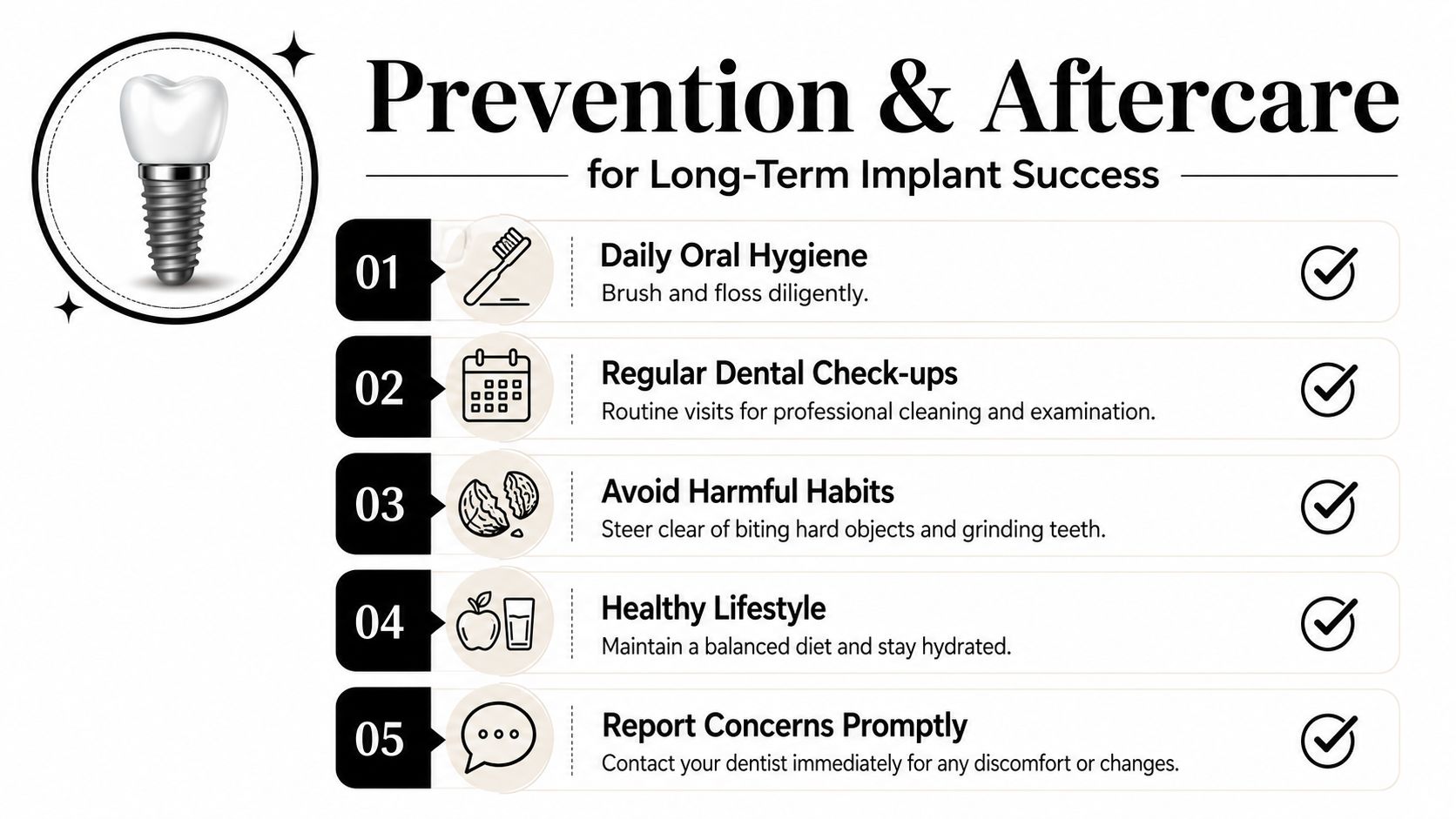
Patients usually do best with simple, repeatable routines:
- Brush thoroughly around the implant and gumline, not just the visible crown
- Clean between teeth and implants with floss, floss threaders, or other tools your dentist recommends
- Use a water flosser if food traps or tight spaces make standard cleaning difficult
- Pay attention to changes in taste, bleeding, or tenderness instead of waiting for pain
- Avoid chewing hard objects like ice or similar items that can stress restorations
For a more focused home-care overview, this guide on how to care for dental implants is a helpful starting point.
Why professional maintenance is part of the treatment
Implants aren't “set it and forget it” dentistry. Regular cleanings and exams give your dental team a chance to catch inflammation, tissue changes, and bite issues early. That matters just as much as brushing at home.
If you're a patient who likes to understand how clinical safety works behind the scenes, even outside dentistry, a clear step-by-step equipment sterilization guide can help explain why careful protocols matter in any treatment setting.
A quick visual overview can also make aftercare easier to remember:
The biggest mindset shift
Implant success is a partnership. Your part is daily care, paying attention, and keeping recall visits. Your dental team's part is cleaning, monitoring, imaging when needed, and addressing small changes before they become expensive or uncomfortable.
That approach supports more than the implant itself. It supports comfort, chewing function, cleaner breath, healthier gums, and confidence in your smile. It also connects naturally with broader dental care, cleaning and exams, dental x-rays, and new patient exams that help protect the rest of your mouth.
Your Partners in Implant Care at Winn Smiles
When an implant worries you, you need more than a quick look. You need a team that listens closely, explains clearly, and doesn't make you feel embarrassed for asking questions. That kind of care matters whether you need maintenance, a second opinion, or treatment for an active problem.

Patients in Cleveland, TN and nearby Chattanooga often want one office that can handle both the technical side and the comfort side of care. That includes thoughtful diagnostics, clear treatment planning, and support for dental anxiety. It also helps when the office can coordinate related services, whether that's restorative dentistry, cosmetic dentistry, teeth whitening, tooth extraction, or urgent care from an emergency dentist when something suddenly changes.
What patients often need most
Sometimes it's not major treatment. Sometimes it's reassurance.
At other times, patients need a true second opinion before deciding what to do next. A practice that offers modern imaging, comfort-focused care, and sedation options can make that process much easier. If you've avoided care because you were afraid of what you might hear, that's understandable. A good implant consultation should leave you feeling informed, not overwhelmed.
Why local care makes follow-up easier
Implant care isn't always one visit. You may need an exam, x-rays, a cleaning, a bite adjustment, and a follow-up to confirm the tissues are settling well. That's why many patients prefer a trusted dentist in Cleveland, TN or dentist in Chattanooga, TN who can stay involved over time.
Winn Smiles serves patients who want that kind of relationship. The practice offers a patient-first environment, advanced technology, free consultations and second opinions for select services, and comfort options that help anxious patients move forward with confidence.
If you're worried about bleeding, swelling, soreness, or looseness around an implant, Winn Smiles can help you get clear answers and a practical plan. Whether you're in Cleveland, Chattanooga, or a nearby community, schedule an appointment for an implant evaluation, a second opinion, or gentle follow-up care so you can protect your smile and feel comfortable again.