If you're missing a tooth, or you've been told one may not be savable, dental implants can sound like the answer you've been hoping for. Then the worry shows up. Your gums have bled in the past. Maybe you've had deep cleanings. Maybe someone mentioned bone loss. Now you're wondering if gum disease means implants are off the table.
That fear is common, and it doesn't mean you've run out of options. Many people in Chattanooga and Cleveland who search for a dentist near me, dental implants near me, or even an emergency dentist after a broken or failing tooth are dealing with this exact question. The good news is that a history of gum problems doesn't automatically rule out implants. It changes the plan.
Your Guide to Dental Implants in Chattanooga When You Have Gum Disease Concerns
A lot of patients arrive with the same story. They want a steady, natural-feeling replacement for a missing tooth, but they also know their gums haven't always been healthy. They don't want dentures if they can avoid them. They don't want another temporary fix. What they want is clarity.
That concern is frequently underestimated. Approximately 47.2% of Americans over age 30 and 70.1% of adults aged 65+ have some form of gum disease, which means worries about gum health and implant readiness are extremely common, according to this overview of gum disease and implant risk in adults.
Why this question feels so personal
Missing teeth affect more than your smile. You notice it when you chew. You notice it when you avoid one side of your mouth. Some people stop smiling in photos. Others keep putting off care because they assume the answer will be no.
For many patients in Chattanooga, TN, and nearby Cleveland, the question isn't, "Can I get an implant?" It's, "Can I trust my mouth to hold one long term?"
You don't need a guess. You need an honest evaluation of your gums, bone support, and the steps required to make treatment safer.
A permanent solution may still be possible
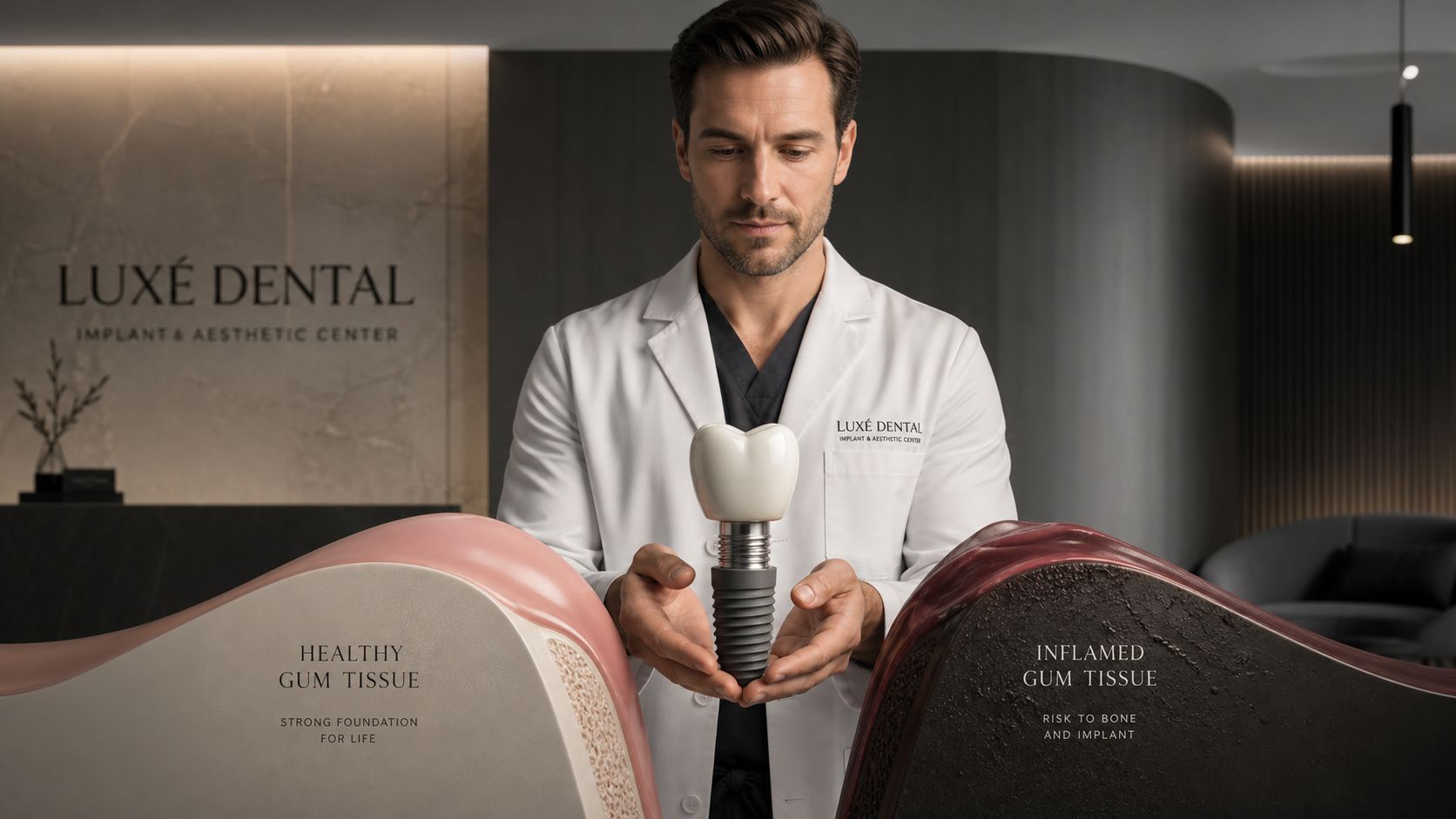
Dental implants work by anchoring into the jawbone. That makes them feel stable and functional in a way removable options often don't. But it also means the gums and bone around the implant matter just as much as the implant itself.
If you've had gum disease before, the path usually isn't "no." It's "not until the foundation is healthy." That's an important difference. It gives you a direction.
Patients who start with concerns about gum health often end up needing a combination of services, not just implant care. That may include dental x-rays, new patient exams, periodontal treatment, restorative dentistry, or sometimes a tooth extraction before replacement planning begins. For patients looking for a dentist in Chattanooga, TN or a dentist in Cleveland, TN, that kind of step-by-step planning matters more than a quick sales pitch.
Understanding Gum Disease and Its Impact on Your Health
Gum disease usually starts subtly. Early on, you may notice bleeding when you brush or floss, some tenderness, or puffiness around the gums. That early stage is often called gingivitis. At that point, the damage is still limited to the soft tissue.
The bigger problem begins when the infection moves deeper. That's periodontitis, the stage where the tissues and bone supporting the teeth begin to break down.
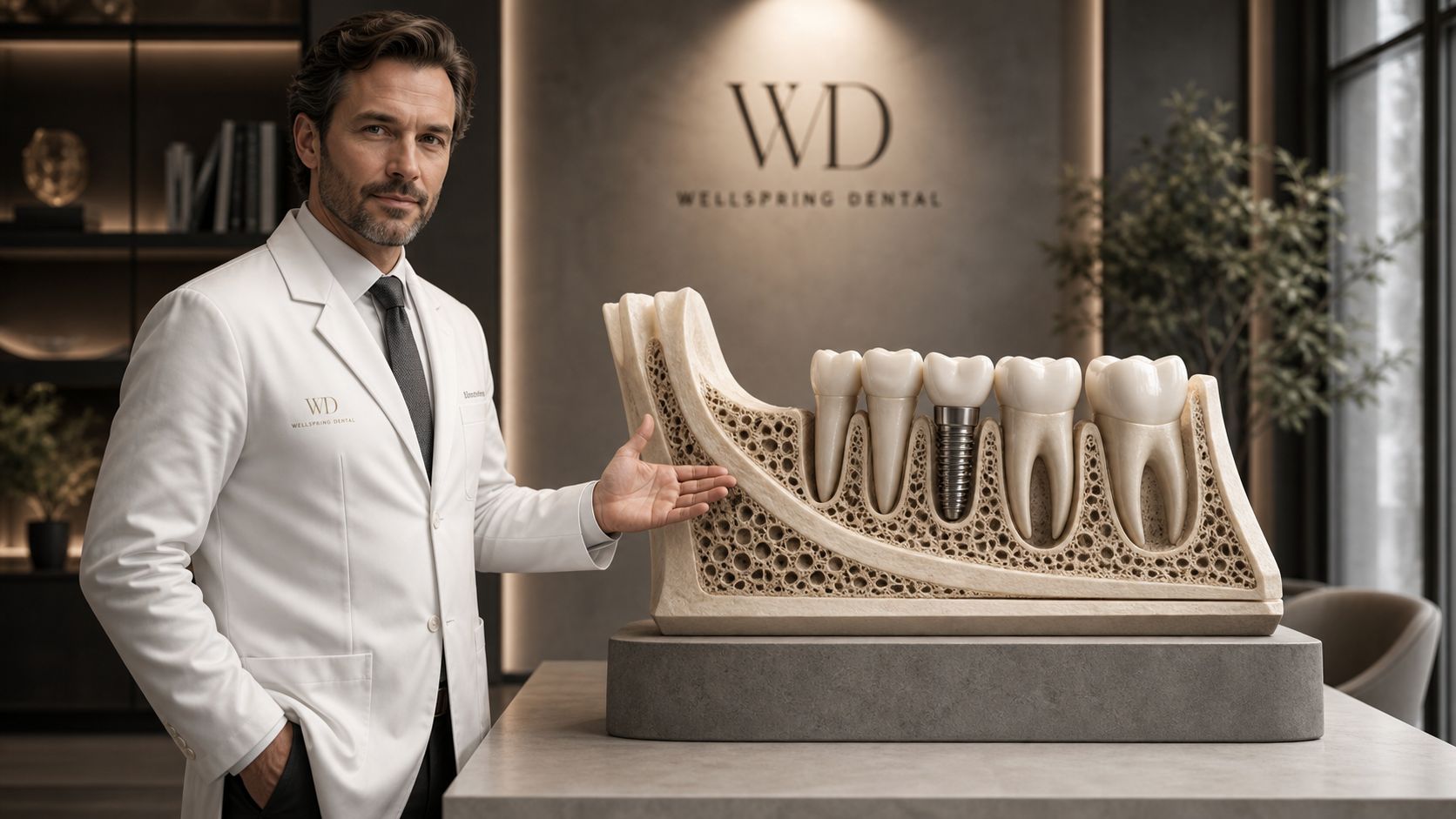
Think of your jawbone like a home's foundation
A tooth isn't held in place by the part you see above the gumline. It depends on the bone and supporting structures below the surface. If that support weakens, the tooth can loosen even if the crown still looks fairly normal.
A home with a cracked foundation may look fine from the street. Inside, though, the support is failing. Gum disease works the same way. It can destroy the support system before the problem feels dramatic.
What periodontitis does over time
When periodontitis stays active, bacteria and inflammation keep irritating the tissues around the teeth. The gums can pull away. Pockets can form. Bone can gradually disappear. That's why some people say their teeth suddenly became loose, when the process had been developing for a long time.
This matters for natural teeth first, but it also matters for future replacement planning. Patients with a history of periodontal disease have a significantly lower dental implant success rate of 71% compared with 95% for patients without gum disease, showing how untreated periodontitis can compromise the implant foundation, based on this discussion of periodontal disease and implant success.
Signs people often ignore
Some symptoms seem small until they aren't. Watch for patterns like these:
- Bleeding gums: Not just once in a while, but repeatedly when brushing or flossing.
- Bad taste or odor: Ongoing infection can create a persistent unpleasant taste.
- Receding gums: Teeth may start to look longer.
- Loose teeth: This can mean bone support has already been affected.
Practical rule: If your gums bleed regularly, don't assume it's normal. Healthy gums generally don't bleed from gentle daily care.
Gum disease also affects the choices available in restorative dentistry and cosmetic dentistry. Before talking about veneers, crowns, or implants, the support underneath has to be healthy enough to protect the result.
The Critical Link Between Periodontitis and Peri-Implantitis
A natural tooth can get gum disease. An implant can't get a cavity, but it can still develop inflammation and infection in the tissue around it. That's where many patients get confused.
The implant itself is artificial. The bone and gum around it are not.
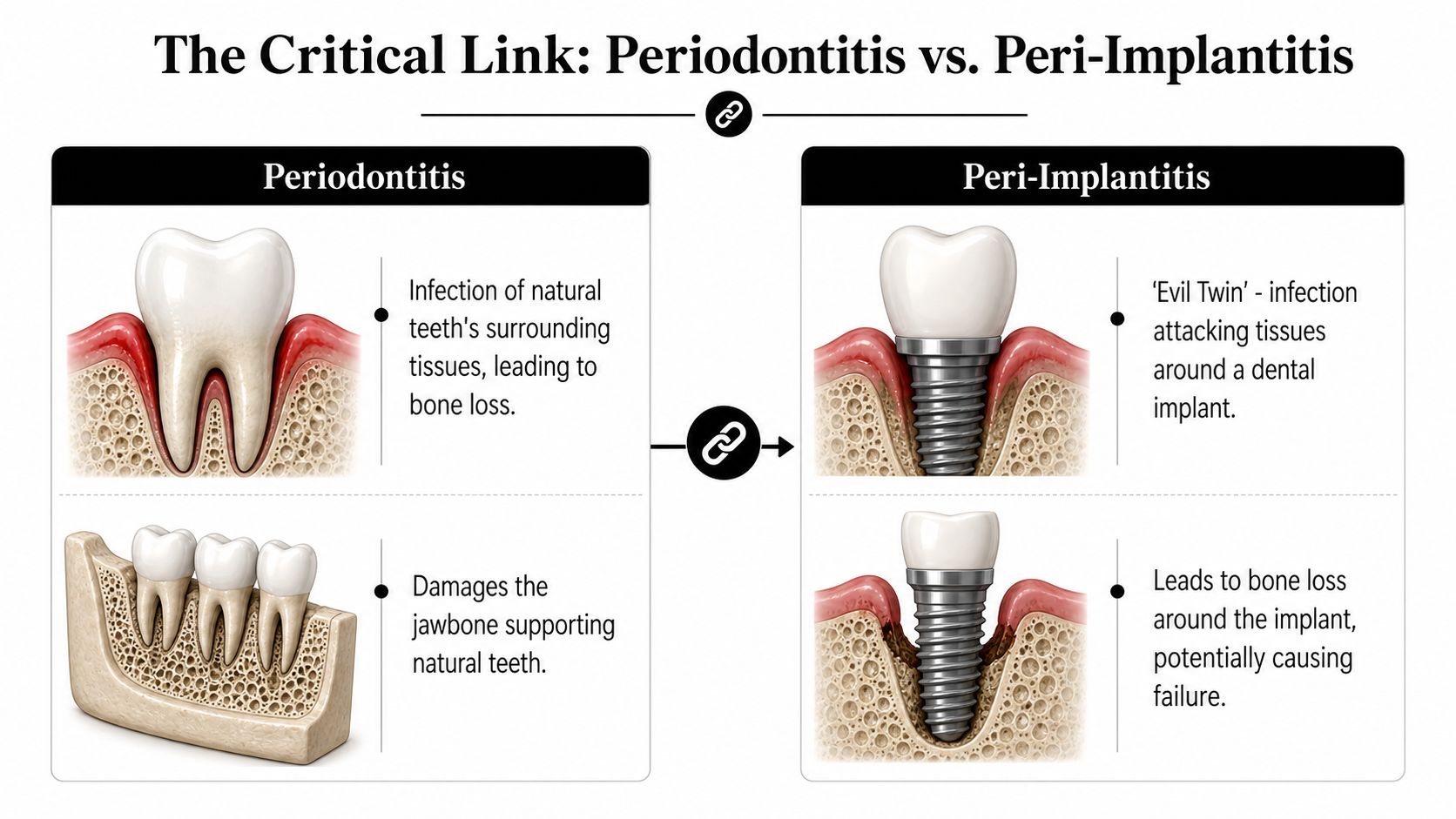
The disease and its evil twin
Peri-implantitis is often easiest to understand as periodontitis' close relative. It affects the tissue around an implant instead of a natural tooth. The same basic problem is still there: bacterial plaque triggers inflammation, and if the condition isn't controlled, the supporting bone can be lost.
That isn't just a minor irritation. Peri-implantitis is an inflammatory condition analogous to periodontitis that targets the tissues surrounding the implant, driven by similar bacterial plaque accumulation. This can lead to progressive bone loss and eventual implant failure if left untreated, as described in this review of peri-implantitis and implant complications.
Side-by-side comparison
| Condition | Affects | Main problem | What can happen |
|---|---|---|---|
| Periodontitis | Natural teeth | Infection and inflammation around the tooth | Bone loss and tooth loosening |
| Peri-implantitis | Dental implants | Infection and inflammation around the implant | Bone loss and implant instability |
Why past gum disease still matters
A common misunderstanding is that once a tooth is removed and replaced with an implant, the old gum disease risk disappears. It doesn't. If your mouth has a history of destructive gum infection, the tissues may still be more vulnerable over time.
That hidden long-term risk is the part many short articles skip. A patient may hear, "Your gums are treated now, so you're fine," and assume the story ends there. In reality, treatment may make implants possible, but history still shapes the maintenance plan.
An implant can replace a tooth. It can't replace the need for healthy tissue around that tooth.
Clues that need prompt attention
Patients don't need to memorize dental terms, but they should know what deserves a call:
- Bleeding around an implant: Especially if it starts after the area had been stable.
- Swelling or tenderness: Soft tissue irritation can be an early warning.
- Bad taste or drainage: Infection may be present.
- A changing feel when chewing: Even subtle changes matter.
When considering dental implants near me in Chattanooga or Cleveland, this is one of the most important questions to ask during a consultation: "How will you monitor me differently if I've had gum disease before?"
Can You Get Dental Implants with a History of Gum Disease
Yes, in many cases you can. The condition is that active gum disease must be treated first and your periodontal health must be stable before surgery.
That answer can feel disappointing if you're ready to move quickly, but it's also encouraging. A history of gum disease isn't the same as uncontrolled gum disease. Those are very different situations.
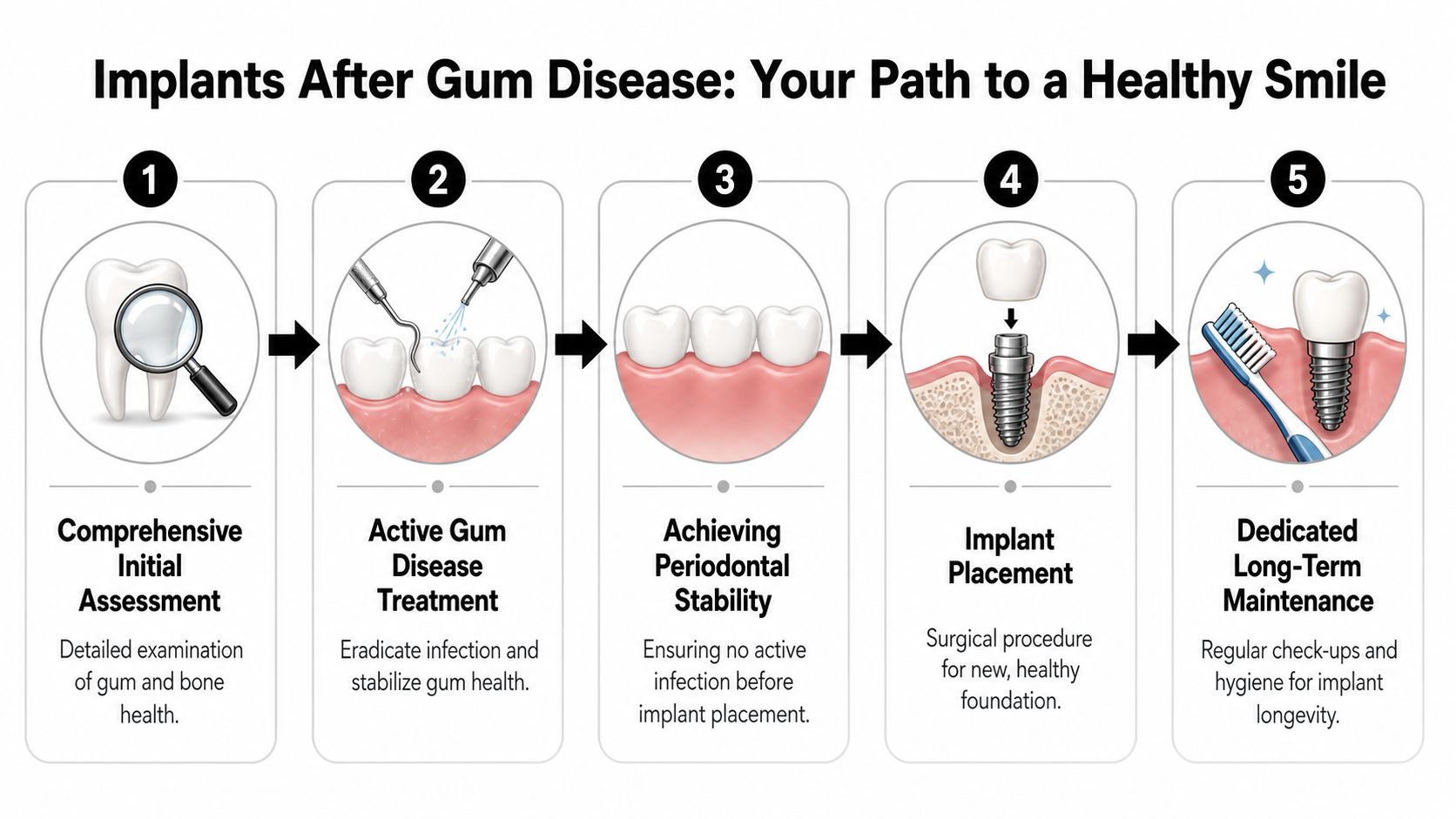
What "stable" really means
Stability means your dental team isn't seeing active signs that the infection is still damaging the gums and bone. In practical terms, that often involves periodontal therapy first. Depending on the case, this may include deep cleaning below the gumline, detailed home care instruction, and follow-up visits to confirm the tissues are responding well.
According to this patient resource on implants after treated periodontitis, the 10-year survival rate for dental implants placed after periodontitis has been successfully treated ranges between 90% and 95%. That's the hopeful part. Treated and stable is not the same as disqualified.
The roadmap from "not yet" to "yes"
Most patients move through a sequence like this:
Assessment first
Your gums, bone levels, and remaining teeth need a full review. That usually includes an exam and imaging.Infection control
If gum disease is active, treatment comes before implant planning. This step protects the future implant site.A stability period
Your dentist needs to see that the tissues are staying healthy, not just looking better for a week or two.Implant planning
Once the mouth is ready, the implant can be placed into a healthier foundation.
For a deeper look at how dentists evaluate readiness, this guide on dental implant candidacy helps explain the factors that shape the decision.
Why patience improves outcomes
Patients sometimes feel frustrated by the waiting period. That's understandable, especially if they're dealing with a visible gap or a tooth that has already failed. But placing an implant into an unhealthy environment raises the chance of future complications.
The safer message is simple. If the gums aren't ready, the answer isn't "never." It's "prepare first, then place the implant under better conditions."
That approach also helps with more than implants. If you need cleaning and exams, restorative dentistry, a crown, or even help from an emergency dentist because a compromised tooth suddenly becomes painful, the condition of the gum tissue still affects the treatment plan.
Your Implant Journey at Winn Smiles in Cleveland TN
Patients frequently don't walk into a consultation calm and confident. They come in with questions they've been carrying for months. Some are worried about pain. Some are worried they'll be told they aren't a candidate. Others have already searched for a dentist near me, a cosmetic dentist near me, or dental implants near me and still don't feel sure who to trust.
The first appointment should lower that stress, not add to it.

What the visit often looks like
A patient with missing teeth and a history of gum issues usually starts with a conversation, not a sales pitch. The team reviews symptoms, previous treatment, and goals. If you're dealing with active discomfort, loose teeth, or a failing restoration, that becomes part of the planning from the beginning.
Then comes the clinical workup. That may include dental x-rays, a close look at the gum tissue, and an evaluation of whether periodontal treatment needs to happen before implant placement. Some patients also need a second opinion about whether a tooth should be saved or removed.
Why follow-up is more customized in these cases
The long-term risk becomes a key consideration. Patients with a history of chronic periodontitis have nearly 4 times higher odds of developing peri-implantitis, according to this analysis of periodontal history and peri-implantitis odds. That is why care plans for these patients should not look identical to plans for someone with no periodontal history.
A careful office may recommend a different maintenance rhythm, different home care tools, or a more watchful review of tissue changes around the implant. In practice, that means your plan is built around your risk, not a generic script.
Comfort matters too
For many adults, the hardest part isn't the dentistry. It's the anticipation. If you've had difficult dental experiences before, you may care just as much about comfort as the clinical plan.
That can include things like:
- Clear explanations: Knowing what happens first, what waits, and why.
- Sedation options: Helpful for anxious patients or longer visits.
- Laser dentistry when appropriate: A gentler option in certain soft tissue procedures.
- Thoughtful scheduling: Breaking care into manageable stages.
Some patients like to read real-world feedback before choosing a provider. Looking through organized dental practice reviews can help you see what people tend to value in a dental experience, especially communication, comfort, and consistency.
In the Cleveland and Chattanooga area, that process may also connect implant planning with other needs such as tooth extraction, same-day crowns, periodontal therapy, or cosmetic finishing after healing. The important part is that the care sequence makes sense for your mouth, not just for your calendar.
Long-Term Success Preventing Implant Complications
Getting the implant isn't the finish line. Keeping the tissues around it healthy is what protects your result year after year.
For patients with a history of gum disease, the maintenance phase isn't optional. It's part of the treatment itself.
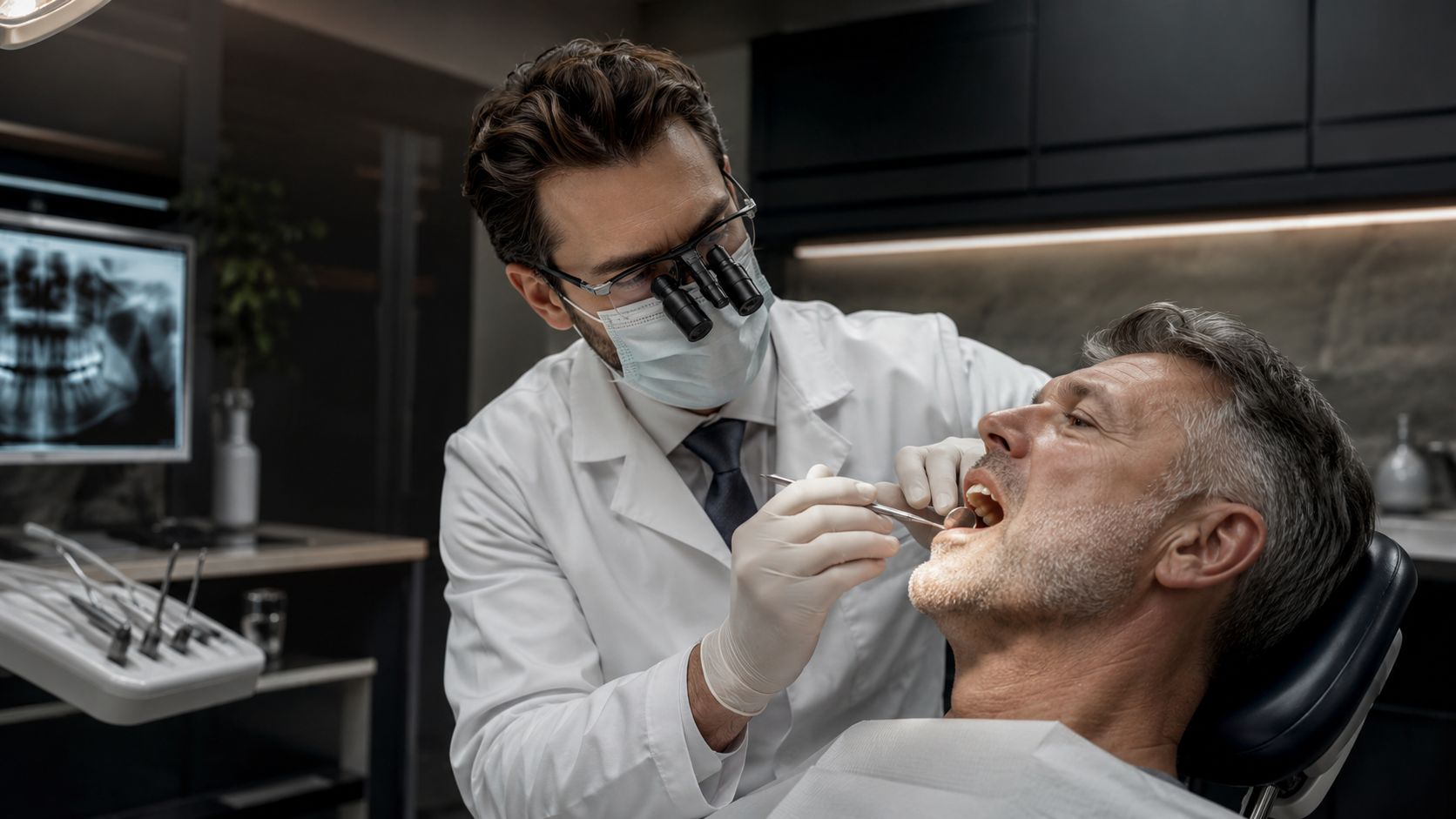
Why long-term care has to be stricter
A history of periodontitis doesn't only affect the early healing window. It changes the long game. According to this review of long-term implant failure risk after periodontitis, a history of periodontitis is a significant risk factor for implant failure, with the risk more than doubling at follow-ups greater than 5 years (Relative Risk 2.26).
That number explains why some patients need a more rigorous recall schedule and more detailed home care. It isn't punishment. It's protection.
If you've had gum disease before, your implant maintenance plan should be more intentional than a standard twice-yearly routine.
What daily care usually includes
Home care has to clean around the implant without damaging the surrounding tissue. That often means being more specific than "brush better."
- Soft, precise brushing: Low-abrasive toothpaste and gentle brushing help remove plaque without rough scrubbing.
- Targeted cleaning between teeth: Many patients do better with implant-friendly brushes or other small cleaning aids for hard-to-reach areas.
- Water flossing or oral irrigation: This can help disrupt biofilm below the gumline where a toothbrush can't reach well.
If you need periodontal therapy before or after implant planning, learning about periodontal scaling and root planing can make the process easier to understand.
What professional maintenance may involve
Professional visits aren't just a quick polish. For implant patients with periodontal history, these appointments may focus on:
- Monitoring tissue changes: Bleeding, swelling, pocketing, or recession need attention early.
- Checking how the implant is functioning: Bite forces and access for cleaning matter.
- Reviewing your technique: Even small improvements at home can help protect the area.
A short visual overview can help make these habits easier to picture:
The partnership mindset
Patients do best when they stop thinking of implant maintenance as a chore and start seeing it as part of preserving something valuable. The dental team monitors what you can't easily see. You control the daily habits that keep bacterial buildup from getting out of hand.
That partnership matters whether you came in for one implant, multiple implants, or a broader restorative plan that also involved cleaning and exams, crowns, or cosmetic finishing.
Schedule Your Dental Implant Consultation in Chattanooga or Cleveland
If you've been putting this off because of past gum trouble, the most important takeaway is simple. A history of gum disease does not automatically end the conversation about dental implants. It means the conversation needs to be more careful, more personalized, and more honest.
For many adults in Chattanooga, TN, Cleveland, TN, and nearby communities, that's exactly what they're looking for. Not pressure. Not vague reassurance. A clear answer about what's healthy now, what still needs treatment, and what path gives the implant the strongest chance to last.
When it's time to come in
You should schedule an evaluation if any of these sound familiar:
- You're missing a tooth and want a fixed replacement
- You've had bleeding gums or prior periodontal treatment
- A loose, painful, or broken tooth may need extraction
- You want to know whether implants, crowns, or another restorative option makes the most sense
Treated gum disease can become a manageable part of implant planning. Ignored gum disease usually becomes a bigger obstacle.
For those seeking a dentist in Chattanooga, TN, a dentist in Cleveland, TN, dental implants near me, or even a cosmetic dentist near me to restore their smile and function, the next step is an exam that looks at the whole picture. That includes your gums, bone support, bite, and long-term maintenance needs.
You don't have to figure out candidacy on your own. A consultation can turn uncertainty into a plan.
If you're ready to talk through your options, schedule a consultation with Winn Smiles. Whether you need implant planning, periodontal care, a second opinion, or help deciding between restorative and cosmetic treatment, the next step is a clear, local evaluation in Chattanooga or Cleveland.