If you've noticed bleeding when you brush, a metallic taste in your mouth, or gums that look a little puffy, it's easy to wonder whether you're dealing with a simple irritation or something more important. Many people put it off because the discomfort seems minor. The surprise is that your gums can tell us a lot about your health beyond your teeth.
That matters because high blood pressure often develops subtly. You may feel completely fine while inflammation is building in your mouth and stress is affecting your blood vessels. For patients in Chattanooga and Cleveland, this is one reason dental visits can do more than protect a smile. They can help catch warning signs early.
Your Trusted Local Dentist in Chattanooga and Cleveland TN
A common story goes like this. Someone searches for a dentist near me after noticing blood in the sink while brushing for the third time that week. They aren't in severe pain, so they wonder if it can wait. They also have a nagging feeling that repeated bleeding can't be normal.
That concern is worth taking seriously. Gums usually don't bleed without a reason, and when they do, the issue can reach beyond the mouth. In a dental office, those early clues often show up before a patient realizes how much inflammation has been building.
In Chattanooga and Cleveland, patients want answers that are calm, clear, and practical. They don't want a lecture. They want to know what the symptom means, what needs to happen next, and whether the problem can be treated comfortably.
Why local trust matters
When you're choosing a dentist in Chattanooga, TN or a Cleveland TN dentist, trust starts before the appointment. You want a practice that listens, explains findings in plain language, and takes concerns seriously. For patients who compare practices online, this overview of dentist reputation management gives useful context on how dental offices build patient confidence through communication and reviews.
Bleeding gums are easy to dismiss. Repeated bleeding is still a signal your body is sending.
People also get confused because oral health and heart health are often talked about as separate topics. In real life, they aren't completely separate. The mouth is part of the body, and inflammation in one area can affect other systems.
What patients are really asking
Most readers who ask does gum disease cause high blood pressure aren't looking for a biology lesson. They're asking a practical question. If my gums are inflamed, could that be affecting the rest of me?
The short answer is yes, there is a real connection. The helpful part is that gum disease is treatable, and early care can make a meaningful difference for your comfort, your oral health, and your overall wellness.
The Undeniable Link Between Gum Disease and High Blood Pressure
The answer to does gum disease cause high blood pressure is more than a vague maybe. Research has identified a clear link between severe gum disease and higher blood pressure.
A 2021 case-control study from UCL Eastman Dental Institute published in Hypertension found that adults with severe periodontitis were twice as likely to have high systolic blood pressure, and 14% of the periodontitis group met that threshold compared with 7% of the control group. The same report notes that hypertension affects 30% of adults worldwide.

What periodontitis actually is
Periodontitis is an advanced form of gum disease. It isn't just a little redness along the gumline. It's an infection and inflammatory condition that damages the tissues and bone that hold your teeth in place.
Here's a simple way to understand it:
- Gingivitis starts early: Gums may look red, swollen, or bleed during brushing.
- Periodontitis goes deeper: The infection moves below the gumline and starts affecting support around the teeth.
- The body stays activated: Your immune system keeps reacting to that infection, and that ongoing inflammatory burden doesn't stay neatly contained.
Why this finding matters to patients
Many people assume gum disease only threatens teeth. The bigger takeaway is that inflamed gums may also be part of a broader health pattern involving your circulation and blood vessels.
The UCL study is especially important because it looked at otherwise healthy adults rather than only people already known to have multiple medical problems. That helps answer a common patient question: can gum disease matter even if I feel generally healthy? Yes, it can.
If you're also trying to understand your numbers outside the dental office, this guide to managing blood pressure can help you make sense of blood pressure categories and monitoring.
Severe gum disease is not just a mouth problem. It can be part of a larger inflammation problem.
How Gum Infections Can Affect Your Entire Body
Your gums are full of tiny blood vessels. When gum tissue becomes inflamed and infected, that area becomes easier for bacteria and inflammatory byproducts to enter the bloodstream. Once that happens, your mouth is no longer an isolated problem spot.
One useful way to picture this is to think of gum inflammation like a small fire near wiring in a house. The initial problem starts in one room, but the effects can travel into connected systems. Your immune system reacts, blood vessels can become irritated, and the body stays on alert longer than it should.

Inflammation and blood vessel stress
A large analysis of more than 11,750 US adults found that people with gum disease had 2.3 to 3 mmHg higher systolic blood pressure than peers with healthy gums. That same summary notes that even a 5 mmHg increase in systolic pressure can raise stroke and heart attack mortality risk by 25%.
That doesn't mean every person with bleeding gums will develop a cardiovascular event. It does mean small blood pressure differences matter, and chronic oral inflammation isn't something to shrug off.
What endothelial dysfunction means in plain English
Dentists and physicians sometimes use the term endothelial dysfunction. That sounds technical, but the idea is simple. The endothelium is the thin inner lining of your blood vessels. Healthy vessel lining helps blood flow smoothly and respond normally to the body's needs.
When inflammation keeps irritating that lining, blood vessels may not relax and function as well as they should. Over time, that can contribute to higher blood pressure.
A simple comparison helps:
| Body area | Healthy state | Inflamed state |
|---|---|---|
| Gums | Firm tissue, little or no bleeding | Swollen tissue, infection, bleeding |
| Blood vessels | Flexible lining, smoother regulation | Irritated lining, poorer vessel response |
Why treatment matters even if symptoms seem mild
Some patients say, "My gums bleed a little, but I don't have tooth pain." That's common. Gum disease often progresses subtly. You may not feel a sharp problem the way you would with a broken tooth or an abscess.
Practical rule: If gums bleed regularly during brushing or flossing, treat that as a reason to schedule an exam, not as something normal to work around.
Dental care supports whole-body health. Reducing infection and inflammation in the mouth doesn't replace medical care for hypertension, but it can remove one ongoing source of inflammatory stress.
Recognizing the Warning Signs of Gum Disease
The earliest signs of gum disease can be subtle. Patients often notice changes slowly, then realize the pattern has been going on for months. Paying attention early is useful because high blood pressure itself may not cause obvious symptoms.

Signs in your mouth to watch for
If you're wondering whether your gums need professional attention, look for patterns like these:
- Bleeding during brushing or flossing: Occasional irritation can happen, but repeated bleeding is a common warning sign.
- Red or swollen gums: Healthy gums usually look firm and pink rather than puffy or shiny.
- Tenderness near the gumline: Soreness when brushing, eating, or touching the area can point to inflammation.
- Persistent bad breath: Ongoing odor may come from bacteria collecting below the gumline.
- Gum recession: Teeth may appear longer when the gum tissue pulls back.
- Loose teeth or shifting bite: In more advanced cases, the structures supporting the teeth may weaken.
Why blood pressure can be easy to miss
High blood pressure is often called silent because many people don't feel it. You may not have a headache, dizziness, or any clear warning at all. That's one reason dental findings can be so valuable. Inflamed gums may be one of the visible clues that tell you it's time to look more closely at your overall health.
This short video gives a helpful overview of why gum disease deserves attention:
When to schedule an exam
You don't need to diagnose yourself at home. What matters is noticing a pattern and acting on it.
Consider booking a visit if:
- Your gums bleed more than once in a while
- Bad breath keeps returning despite brushing
- You see gum recession or feel tooth sensitivity near the roots
- You haven't had a cleaning and exam in a long time
A dental exam can sort out whether you're dealing with mild gingivitis, more advanced periodontal disease, or another issue entirely.
Your Proactive Plan for a Healthy Mouth and Heart
The most helpful way to think about prevention is this. You don't have to wait for a blood pressure diagnosis before paying attention to your gums. Research summarized in this article on the gum disease and hypertension connection notes that the link between gum disease and high blood pressure can appear before a patient is diagnosed with hypertension, and severe periodontitis can increase hypertension risk by nearly 50%.
That creates an important opportunity. A routine dental evaluation can act as an early warning system, especially when bleeding, swelling, or active gum inflammation shows up before other health problems become obvious.
Daily habits that lower your oral inflammation burden
Home care isn't complicated, but consistency matters.
- Brush thoroughly: Clean along the gumline, not just the chewing surfaces.
- Floss or clean between teeth daily: A toothbrush often misses bacteria and debris.
- Watch for repeated bleeding: Don't assume bleeding means you should stop flossing. It usually means the area needs attention.
- Avoid tobacco: Tobacco use can make gum problems harder to control and slower to heal.
- Choose foods that support oral health: A balanced diet can help lower the inflammatory burden on the body.
For practical home tips, this article on how to improve gum health naturally offers patient-friendly guidance.
What to do beyond the bathroom sink
At-home care is the foundation, but it can't remove hardened buildup below the gumline or measure the depth of gum pockets. That's where professional care changes the picture.
A proactive plan often includes:
- Regular exams and cleanings so inflammation is caught before it progresses.
- Prompt evaluation of bleeding gums rather than waiting for pain.
- Blood pressure awareness at home or with your physician if gum inflammation is persistent.
- Follow-through on periodontal treatment when a dentist identifies deeper infection.
Healthy gums can be part of catching health risks early, not just keeping teeth clean.
How Winn Smiles Treats Gum Disease and Protects Your Health
When gum disease is present, treatment starts with knowing how far it has progressed. A proper evaluation looks at the gums, measures periodontal pocketing, reviews your symptoms, and checks supporting bone levels with dental x-rays. That gives a clear map of what needs attention.
Some patients need a routine cleaning and closer home care. Others need scaling and root planing, often called a deep cleaning, to remove plaque and tartar below the gumline where a toothbrush can't reach.

Treatment options patients may hear about
The plan depends on what the exam shows. Common approaches include:
- Deep cleaning below the gumline: This removes bacteria, tartar, and infected buildup from root surfaces.
- Periodontal maintenance visits: These help keep inflammation from returning after active treatment.
- Laser dentistry in selected cases: Laser technology may be used for precise, gentle periodontal care.
- Home-care coaching: Patients often need small changes in brushing or flossing technique, not just more effort.
Patients looking for more detail on this type of care can review periodontal care services.
If gum disease has already caused tooth loss
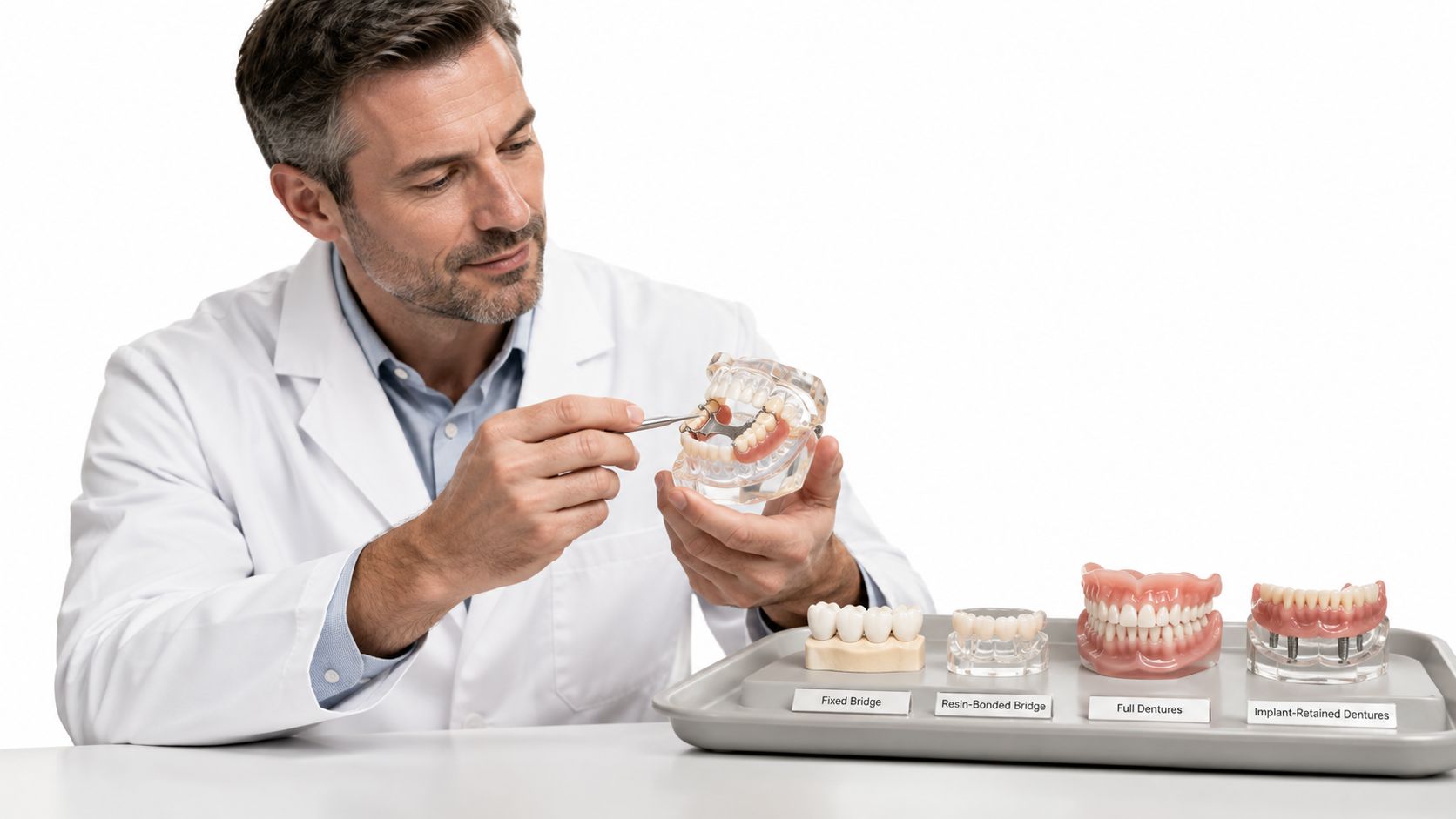
Advanced periodontitis can lead to loose teeth or missing teeth. When that happens, treatment may include restorative planning after the infection is under control.
That may involve options such as:
| Situation | Possible dental solution |
|---|---|
| Tooth can't be saved | Tooth extraction, followed by a replacement plan |
| One or more missing teeth | Bridges or dental implants near me searches often lead patients to implant consultations |
| Functional or cosmetic concerns after damage | Restorative dentistry or cosmetic dentistry planning |
Sedation options can also help patients who feel anxious about periodontal treatment, extractions, or more involved restorative care. Some people delay care for years because they're afraid of discomfort or embarrassment. A calmer experience often makes it much easier to move forward.
In this setting, Winn Smiles provides periodontal treatment, laser dentistry, restorative options, and implant planning for patients in Chattanooga and Cleveland who need care after gum disease has been diagnosed.
Your First Visit What to Expect at Our Chattanooga and Cleveland Offices
A first visit for gum concerns shouldn't feel mysterious. Most patients feel more comfortable once they know what the appointment will involve.
You can expect a conversation first. The team asks what you've noticed, whether your gums bleed, whether your teeth feel loose, and whether you've had discomfort, bad breath, or swelling. If you've been searching for a dentist near me because something feels off, this is the point where those details become useful.
What happens during the exam
A detailed visit may include several steps:
- A review of your symptoms and health history
- A clinical exam of the teeth and gums
- Dental x-rays when needed to check bone support and hidden concerns
- Periodontal charting to measure gum pocket depths around the teeth
- A clear explanation of findings in plain language
Patients often worry that they'll be judged for waiting too long. That isn't helpful, and it isn't the point of the appointment. The purpose is to identify what's happening now and decide what care will protect your mouth going forward.
Comfort and communication matter
Many adults put off cleanings, tooth extraction visits, or even an emergency dentist appointment because they expect an uncomfortable experience. A calmer office setting changes that. Friendly communication, a comfort-focused atmosphere, and sedation options for selected procedures can make treatment feel much more manageable.
If you're nervous, say so early. Dental teams can adapt the visit when they know what makes you uneasy.
For patients in Chattanooga, Cleveland, and nearby service areas, the first appointment is about answers, not pressure. You should leave knowing what your gums need, what can wait, and what the next step looks like.
Take the First Step Toward Better Health Today
Bleeding gums aren't just an annoyance to ignore. Gum disease has a documented connection to higher blood pressure, and that makes early dental care more important than many people realize. The good news is that gum disease can be identified, treated, and managed.
If you've been noticing bleeding, swelling, bad breath, gum recession, or changes in how your teeth feel, don't wait for the problem to become painful. Caring for your gums is part of caring for your whole body.
For patients looking for dental care in Chattanooga or a dentist in Cleveland, TN, getting answers early can protect your smile and support better overall health.
If you're ready to schedule a new patient exam, a periodontal evaluation, or a consultation for ongoing gum concerns, contact Winn Smiles. Patients in Chattanooga, Cleveland, and nearby areas can reach out to discuss symptoms, ask questions about treatment, and take the next step toward a healthier mouth and a healthier future.