You may be reading this because you've noticed your teeth look different, feel more sensitive, or seem to be breaking down faster than they should. You may also be carrying a private concern that feels hard to say out loud. That combination is common, and it deserves calm, respectful dental care.
Eating disorders and teeth are closely connected. The mouth often shows changes early, sometimes before other health issues are obvious. If you're looking for a dentist in Chattanooga, TN or dentist near Cleveland, TN who can help you understand what's happening and what can be done next, it helps to know that this is a health issue, not a character issue.
A Compassionate Dentist for Sensitive Health Concerns in Chattanooga
A patient in this situation often walks in worried about two things at once. First, the condition of their teeth. Second, whether they'll be judged. The dental concerns might sound familiar: “My front teeth look thinner.” “Cold drinks hurt.” “I'm embarrassed to smile.” “I've put this off because I didn't want to explain.”
That fear is real, but it shouldn't keep anyone from getting care.
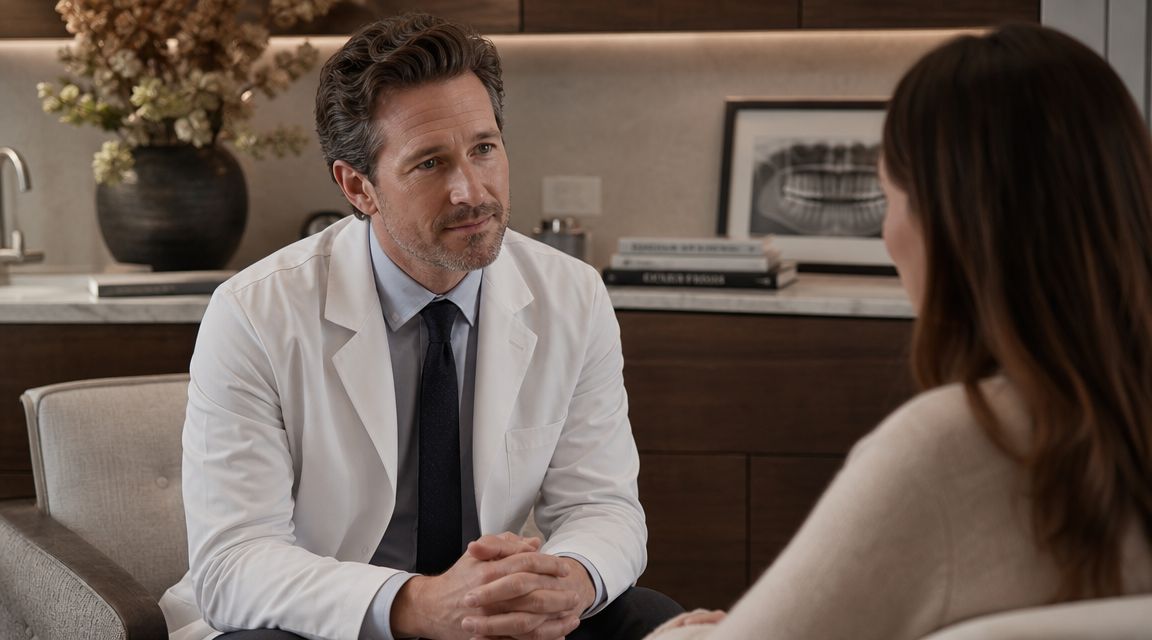
What a safe dental visit should feel like
Sensitive care starts with the tone of the conversation. A dental team should ask clear questions, explain what they see without shame, and give you room to answer at your own pace. That matters because oral damage tied to disordered eating is rarely just a cosmetic issue. It can affect comfort, chewing, sleep, confidence, and long-term tooth survival.
Many patients also struggle with dental anxiety on top of everything else. If that sounds like you, it may help to read about options for patients looking for the best dentist for dental anxiety near me. Comfort planning is not a luxury in this setting. It's part of good care.
Some people need treatment first. Others need a calm conversation first. Both are valid.
Care works better when trust comes first
The best dental treatment plan won't help much if a patient doesn't feel safe enough to return. That's why trust matters as much as technique. In mental health care, the idea of building a strong therapeutic relationship is a useful reminder that healing often starts with consistency, respect, and being heard. Dental care for eating-disorder-related damage works the same way.
For families in Chattanooga and Cleveland, TN, this can be a turning point. A person who has delayed exams, avoided photos, or lived with pain may finally be ready to talk. When that happens, the first goal isn't perfection. The first goal is to protect teeth, reduce discomfort, and create a treatment path that feels manageable.
How Eating Disorders Affect Your Teeth and Gums
The damage usually happens through a few different pathways at once. Acid can weaken enamel. Dry mouth can raise cavity risk. Poor nutrition can make gums and soft tissues more fragile. When these issues overlap, the mouth has a harder time defending itself.
The National Eating Disorders Association says more than 10 million Americans are currently affected by serious eating disorders, and oral changes are often among the first physical signs seen in the mouth, including changes to the color, shape, and length of teeth, while poor nutrition can cause gums and other soft tissues to bleed easily, as noted by the ADA's patient resource on eating disorders and oral health.
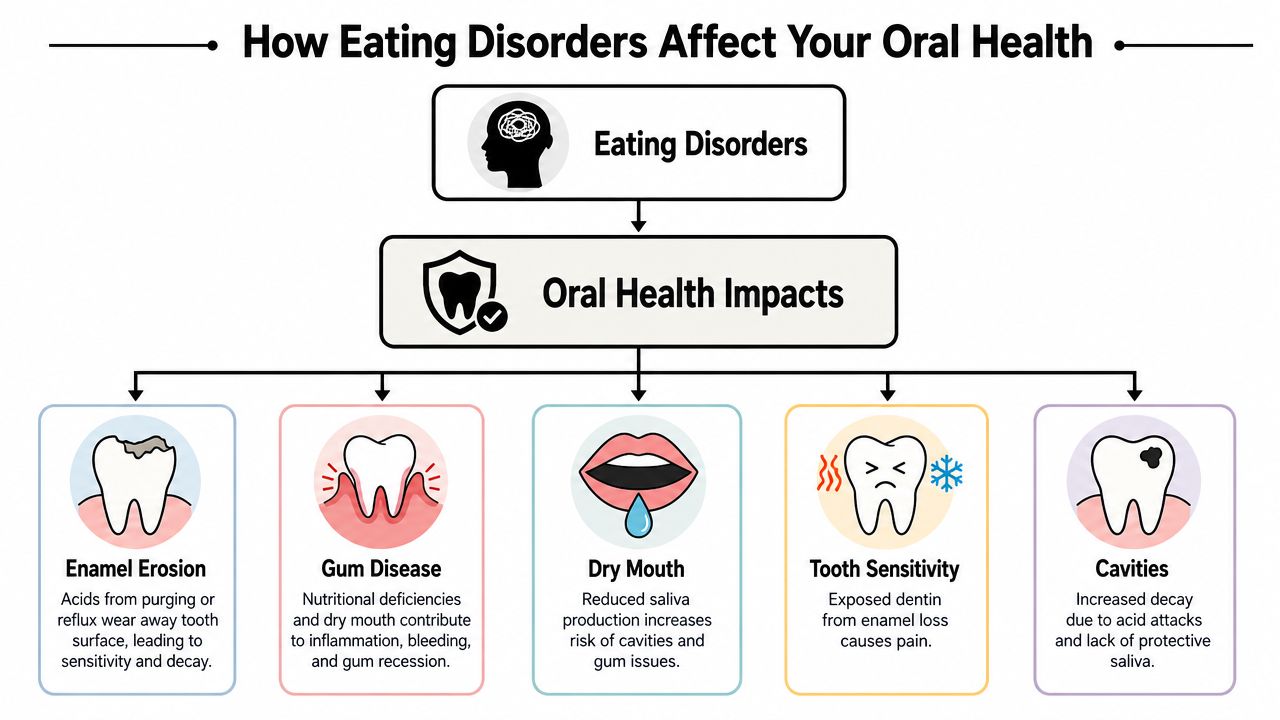
Acid erosion changes the tooth surface
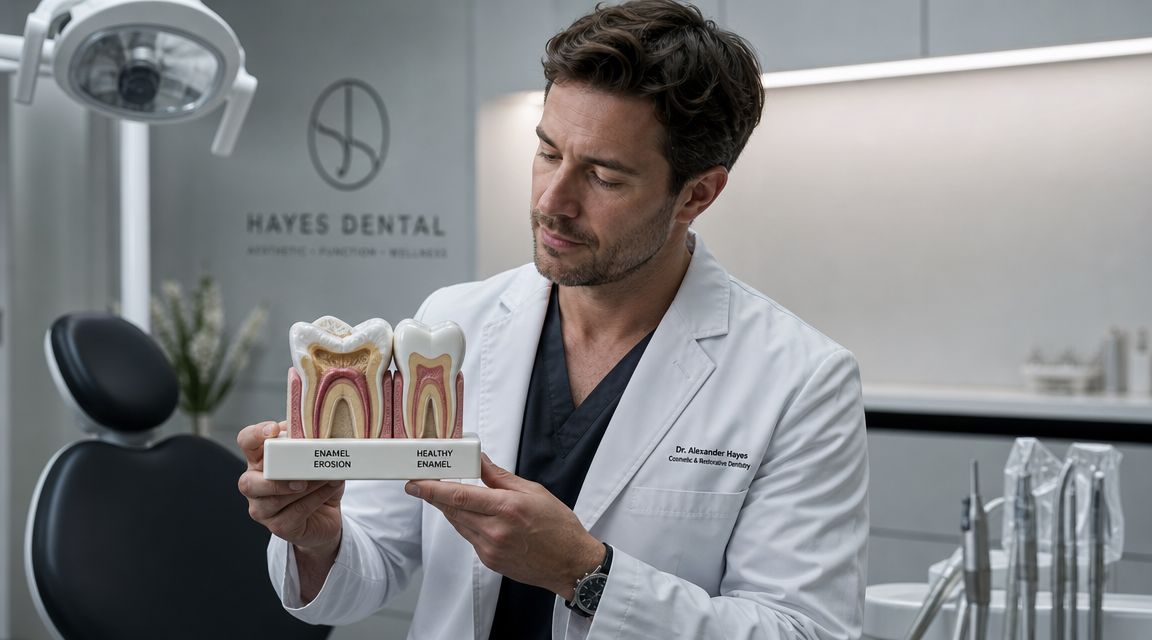
Think of enamel like a hard outer shell. It's strong, but it isn't indestructible. Repeated contact with stomach acid softens that surface, especially on the backs of the front teeth and the biting edges. Over time, teeth can look smoother, thinner, shorter, or more translucent.
That's one reason eating disorders and teeth are such an important topic in preventive dentistry. Once enamel is gone, the body doesn't grow it back. Dental treatment can protect and restore teeth, but it can't regenerate lost enamel naturally.
Dry mouth removes one of your mouth's best defenses
Saliva does a lot of quiet work. It helps wash away food debris, buffers acids, and supports remineralization. When the mouth becomes dry, those defenses drop. Cavities become easier to develop, and tissues often feel irritated or sticky.
Dry mouth may happen because salivary glands swell or don't function normally. Patients often notice thirst, bad breath, a rough tongue, or a feeling that they need to sip water constantly.
Nutrition affects gums and soft tissues
Teeth don't exist in isolation. The gums, cheeks, tongue, and bone all depend on adequate nutrition. Restrictive eating patterns can reduce the nutrients needed for normal maintenance of these tissues. The result may be bleeding gums, delayed healing, irritation, or a mouth that feels sore more often than it should.
Practical view: Dental damage linked to eating disorders is rarely caused by one thing. Acid, dryness, nutrition, and daily habits often work together.
That's why a useful exam looks beyond a single chipped tooth or cavity. It looks for patterns.
Dental Signs and Symptoms to Watch For
Some people notice obvious changes. Others don't realize anything is happening until sensitivity starts or a dentist points it out on an exam. That delay matters because individuals with eating disorders have more than eight times the risk of tooth decay, and visible dental erosion may take 6 months to 2 years after self-induced vomiting begins to become apparent, meaning damage can progress before it's easy to see, according to CareQuest's overview of how dental providers can help.
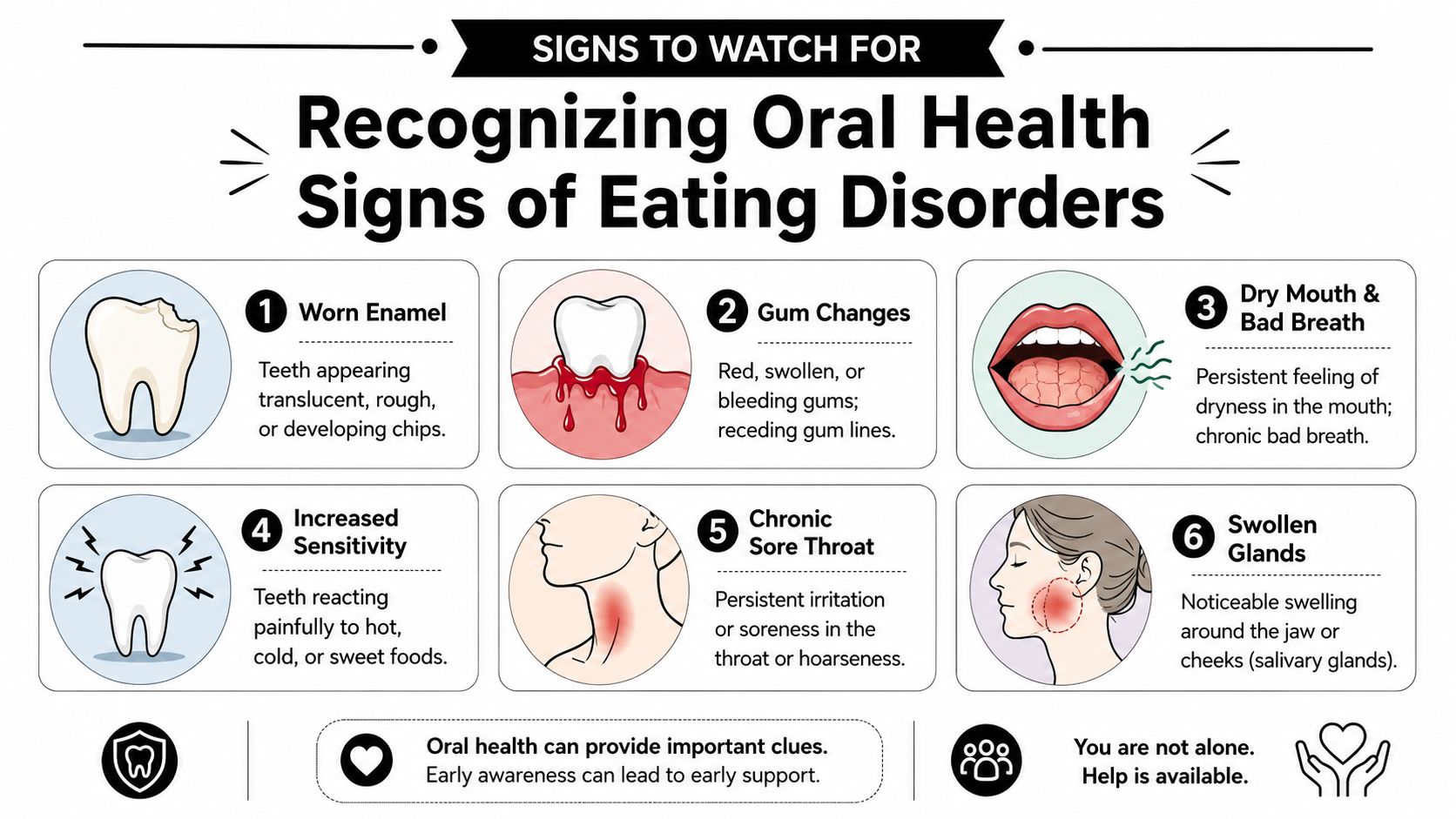
Changes you might see in the mirror
Several signs are visual before they become painful.
- Edges that look thin or clear can mean enamel has worn down.
- Teeth that appear more yellow may be showing more of the underlying tooth structure as the outer layer gets thinner.
- Shorter or flatter teeth often point to ongoing erosion or wear.
- Small chips and rough spots can happen because weakened enamel breaks more easily.
These changes often show up gradually. That's why many patients say they didn't notice the progression until they compared older photos.
Changes you might feel day to day
Other signs are sensory. They affect how your mouth feels rather than how it looks.
A sharp reaction to cold water, hot coffee, sweets, or even air can suggest that protective enamel has been lost. A constant dry feeling, unpleasant taste, or stubborn bad breath can point toward reduced saliva. Some people also notice mouth soreness, throat irritation, or swelling around the cheeks or jaw from salivary gland problems.
When to book a dental exam
A checkup is a good idea if any of these sound familiar:
- New sensitivity that wasn't there before
- Frequent cavities or recurring decay
- Bleeding gums without a clear reason
- Changes in tooth shape or bite
- Pain with chewing or visible cracks
You don't need to wait until things look severe. Early evaluation gives a dentist more conservative options, which often means less drilling, less cost, and fewer emergencies later.
Restoring Your Smile with Your Chattanooga & Cleveland Dentist
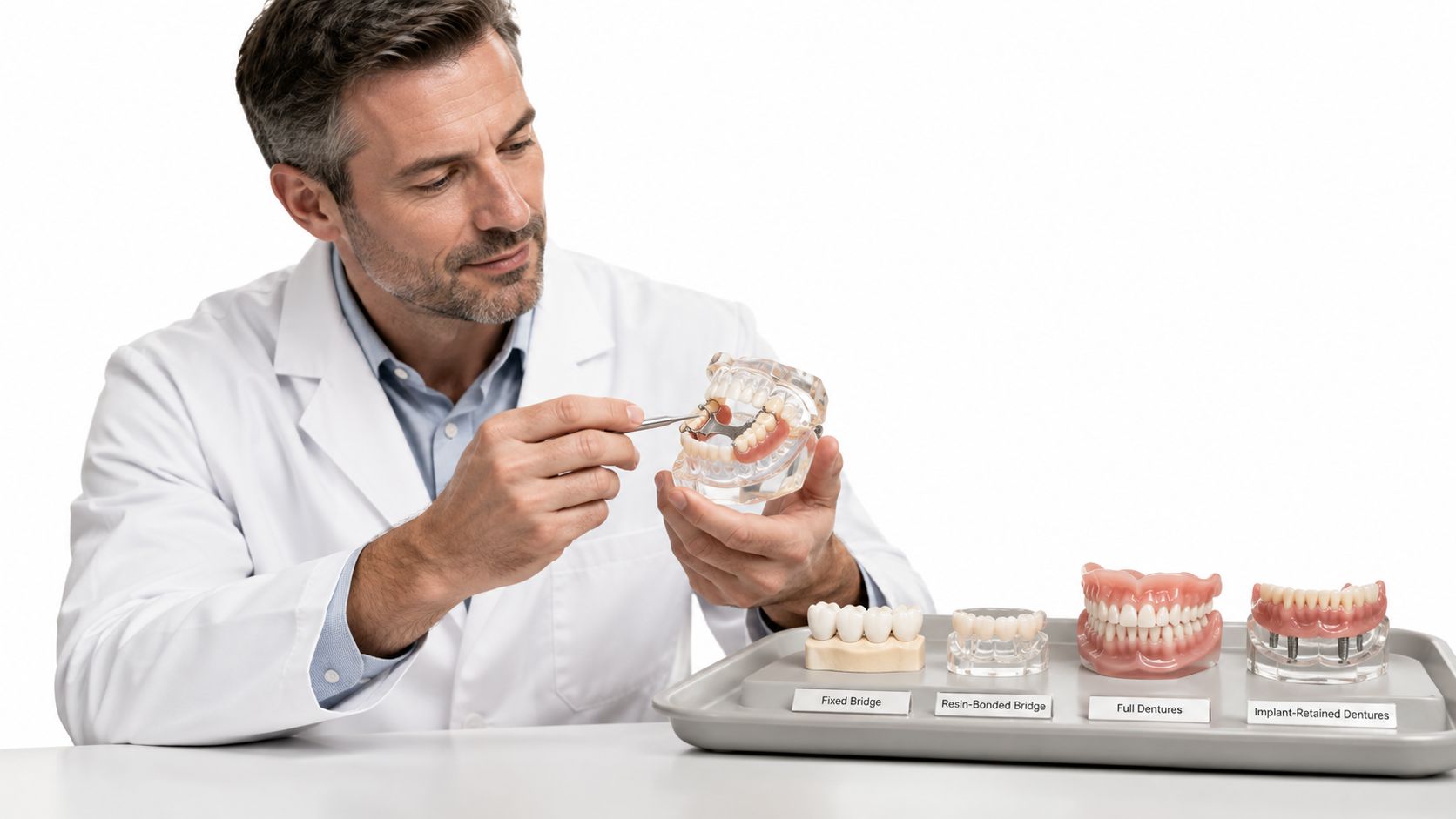
Once teeth have been affected, the right treatment depends on what's been damaged and what still has enough healthy structure to save. Some patients need protection more than cosmetic change. Others need both. The key is matching the repair to the problem instead of choosing a one-size-fits-all fix.
A systematic review found erosive lesions in 42.1% of patients with eating disorders overall, with prevalence at 54.4% in bulimia nervosa and 26.7% in anorexia nervosa. The same review found that self-induced vomiting was associated with more than 16-fold higher odds of dental erosion compared with healthy controls, as detailed in this systematic review and meta-analysis.
What works for mild to moderate damage
When front teeth have lost shape or have small chips, cosmetic bonding can often rebuild worn edges in a conservative way. Bonding is useful when the main goals are to improve appearance, reduce sensitivity, and restore symmetry without removing much additional tooth structure.
For more advanced visible wear, veneers may be part of the conversation. They can improve color, contour, and smile balance, but they're not always the first move if active erosion is still going on. A cosmetic solution lasts better when the underlying causes are also being managed.
Here's the trade-off in simple terms:
| Treatment | Best use | Main limitation |
|---|---|---|
| Bonding | Small chips, edge wear, early shape loss | Can stain or chip over time |
| Veneers | More visible front-tooth changes | Not ideal if active acid damage is continuing |
| Fluoride-based protection | Sensitive, softened teeth | Protects and slows damage, but doesn't replace lost enamel |
When stronger reinforcement is the better answer
Back teeth take heavy chewing pressure. If erosion or decay has weakened them, same-day crowns can protect the tooth and restore strength more predictably than patchwork repairs. In the right case, a crown is less about appearance and more about preventing fractures and keeping the tooth usable.
Sometimes a tooth can't be saved. When that happens, dental implants can replace a missing tooth with a more stable long-term option than leaving the space open. If a patient has pain, a broken tooth, or sudden swelling, seeing an emergency dentist quickly matters because waiting usually narrows the treatment choices.
Restorative dentistry works best when the plan protects what remains, not just what shows in photos.
Families also often need support beyond dentistry. If you're a parent trying to understand what help looks like outside the dental office, this guide to eating disorder support for parents may be a useful starting point.
At-Home Care and Prevention Strategies
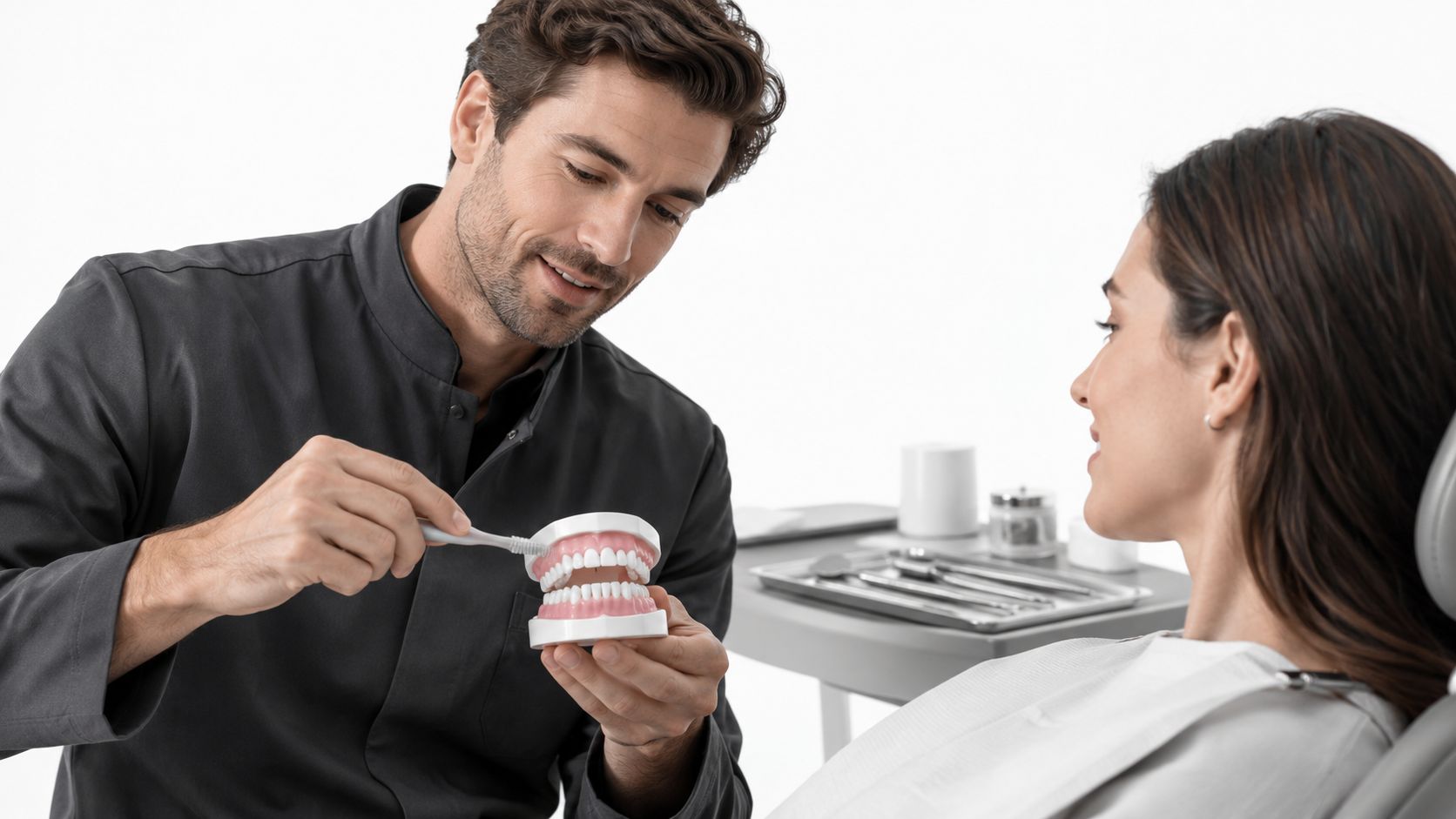
The goal at home is simple. Reduce acid contact when you can, avoid scrubbing softened enamel, support saliva, and make daily care gentle enough that it helps rather than harms.
This visual covers the basics well.
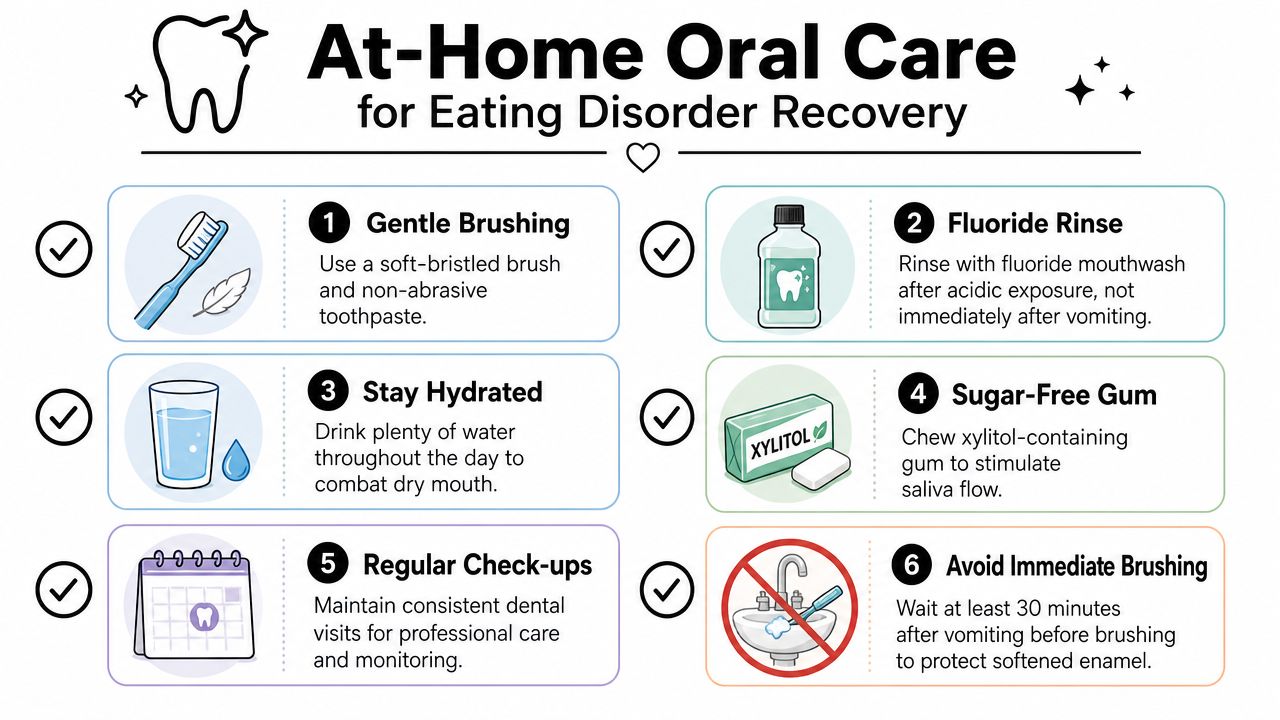
What to do right away after acid exposure
Dental guidance recommends rinsing with water or a bicarbonate solution and waiting at least 1 hour before brushing after vomiting because immediate brushing can increase enamel loss on the softened surface, according to this patient guidance on eating disorders and oral health care.
That advice surprises many people. Brushing feels like the clean choice, but right after acid exposure it can act like sandpaper on a surface that has temporarily softened.
Important rule: Rinse first. Brush later.
A few practical habits help:
- Use water or bicarbonate rinse after an episode of vomiting instead of brushing immediately.
- Choose a soft-bristled toothbrush and a non-abrasive toothpaste.
- Ask about high-fluoride options if your teeth are sensitive or showing early erosion.
- Cut back on extra acids like soda, juice, and sparkling water when teeth are already under stress.
Daily habits that protect sensitive teeth
Dry mouth needs attention too. Frequent sips of water can help. Sugar-free gum may stimulate saliva for some people. Nighttime mouth dryness, mouth breathing, and certain medications can make the problem worse, so it's worth mentioning those factors during your exam.
If sensitivity is a major problem, this guide on tooth sensitivity relief may help you understand what makes discomfort flare up and what usually works better than guesswork.
This short video also offers a helpful overview of oral care habits during recovery.
The biggest misconception is that aggressive cleaning fixes the problem. It doesn't. Gentle, consistent care protects teeth better than overbrushing, whitening products, or harsh scrubs.
What to Expect at Your Winn Smiles Consultation
The first appointment should feel straightforward. You arrive, meet a team that understands dental anxiety is real, and talk through what's bothering you most. For some people it's pain. For others it's the look of the teeth. For many, it's both.
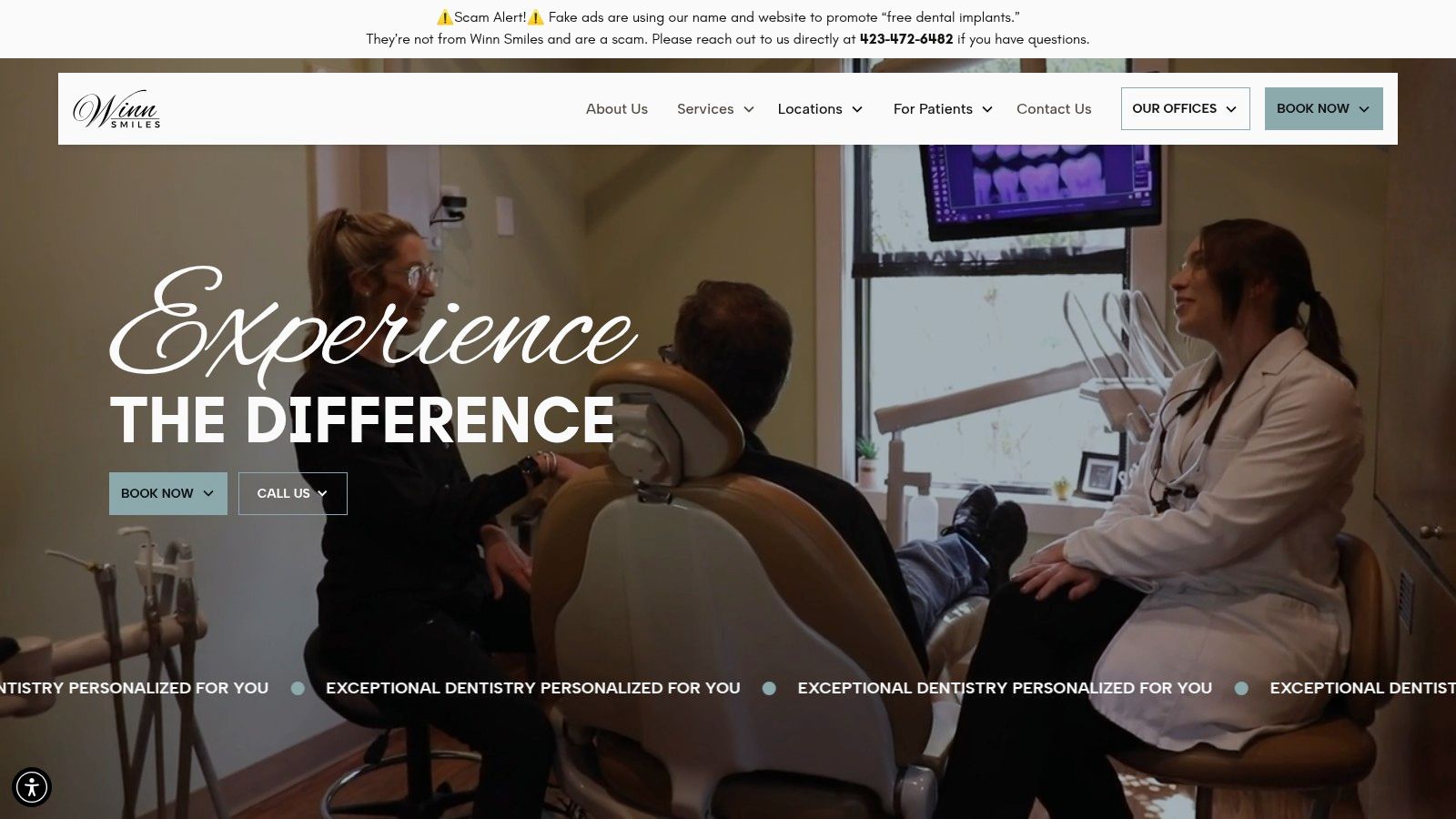
The first conversation
A good consultation starts with listening. You should be able to describe symptoms, sensitivities, dental fears, and goals without feeling rushed. If a patient isn't ready to discuss every detail of their health history immediately, a respectful team can still begin with the dental concerns that are clear and urgent.
That first conversation often includes questions such as:
- Where are you feeling pain or sensitivity
- Have you noticed changes in shape, color, or length
- Are there certain foods or temperatures that trigger discomfort
- What kind of dental visits have felt hardest in the past
The exam and treatment planning
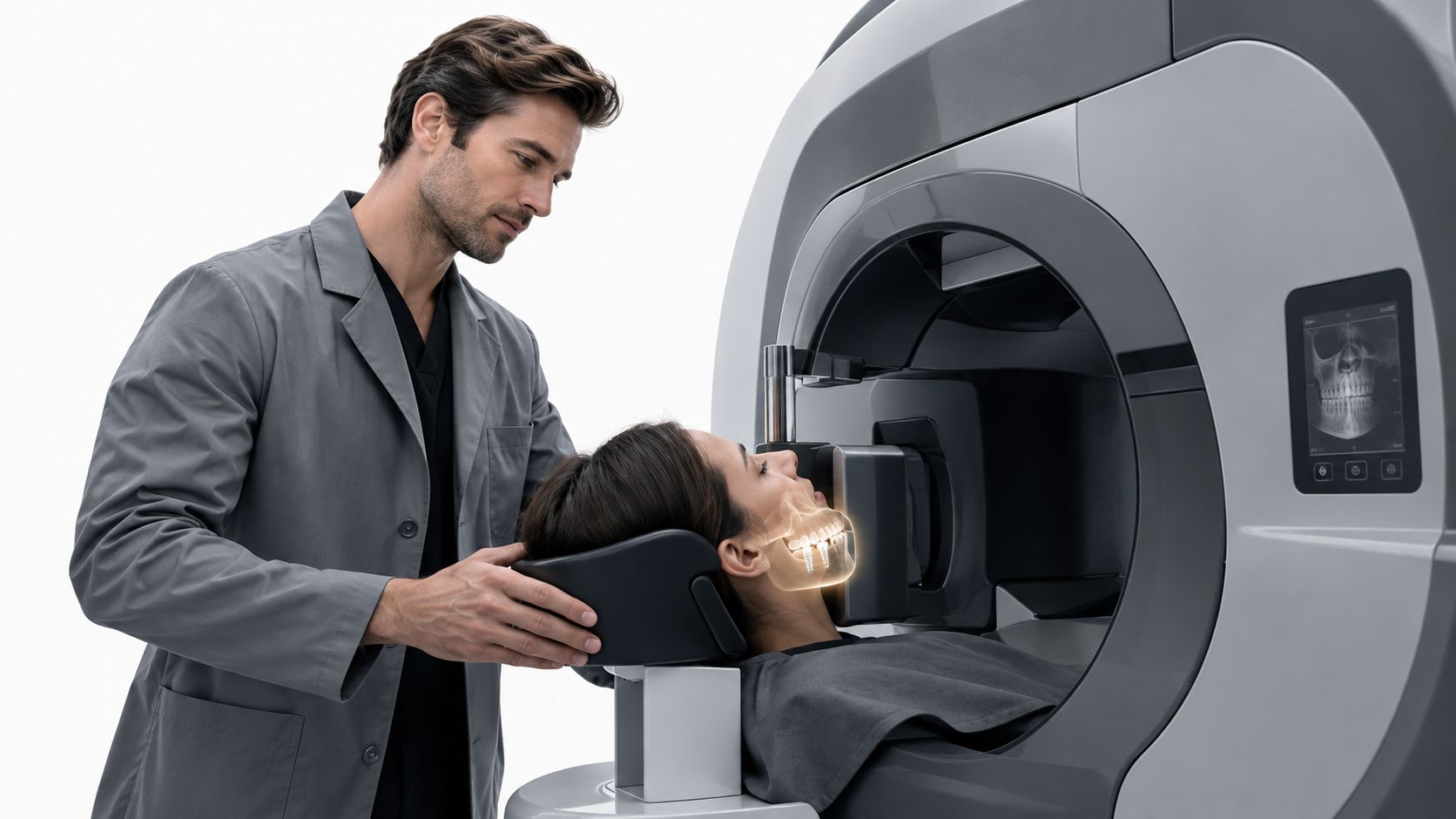
After that, the clinical part usually includes an exam and any needed imaging to see how much tooth structure remains and whether there are cracks, cavities, or gum changes. From there, treatment planning becomes more practical than abstract.
Some patients need preventive steps and monitoring. Some need restorative dentistry such as fillings, bonding, crowns, or replacement options. Others may need urgent treatment first and cosmetic planning later. A good plan explains the order of care, the reasons behind it, and where there's room to pace treatment.
Comfort matters during care
People searching for a dentist near me or emergency dentist in Chattanooga often care just as much about comfort as clinical skill. That's reasonable. Sensitive oral health issues are hard enough without white-knuckling through treatment.
Sedation options, a calm setting, and a team that explains each step can lower the barrier to getting started. For many patients, that's the difference between postponing care and following through.
Frequently Asked Questions About Dental Care and Eating Disorders
Can eating disorders affect teeth even without vomiting
Yes. Dental problems are not limited to purging disorders. A recent review notes that binge-eating disorder, restrictive eating, and other non-purging presentations can still contribute to caries, dry mouth, gingival problems, plaque-control issues, and other oral health changes across diagnoses, as discussed in this review of oral health effects across eating disorder types.
That matters because some people dismiss their symptoms if they don't purge. They shouldn't. Restriction, dry mouth, nutrition-related tissue changes, and disrupted oral hygiene can still harm teeth and gums.
Will my visit be confidential
Yes. Dental visits are private health visits, and confidentiality matters even more when the concern feels personal. If you're nervous about what to say, start with the symptom that brought you in. You can say, “My teeth have become very sensitive,” or “I've noticed enamel wear and I want help.” A respectful dental team can meet you there.
What if I'm scared of the dentist or ashamed to come in
That's common. Shame keeps a lot of people out of the chair long after pain or visible damage starts. The most helpful next step is often a low-pressure exam where the focus is on relief and protection, not blame.
If you or someone you love may also need broader behavioral health support, these eating disorder treatment options can help you understand what complete care may include outside the dental office. Dental treatment protects the mouth. Recovery support addresses the larger condition.
You do not need to have everything figured out before making a dental appointment. You just need a place to begin.
If you're looking for compassionate help with eating disorders and teeth, Winn Smiles offers supportive dental care for patients in Chattanooga, Cleveland, and nearby communities. Whether you need a new patient exam, relief from tooth sensitivity, restorative dentistry, cosmetic repair, or an emergency dentist, the team can help you take the next step in a calm, judgment-free setting. Schedule a consultation and get a clear plan to protect your oral health and restore your confidence.