How Much Are Dental Implants? Understanding The True Costs
When considering a permanent solution for missing teeth, the first question on almost everyone's mind is naturally about the financial aspect. It is completely normal to wonder, "how much are dental implants?" before committing to a treatment plan. Because this procedure is often categorized as a major dental restoration, patients want to ensure they can plan their budget accordingly while seeking the best possible care for their smile.
However, viewing this procedure solely through the lens of a price tag misses the bigger picture of what you are actually purchasing. The true cost of dental implants represents a long-term investment in your overall health, oral function, and self-confidence rather than just a simple expense for a product.
In this guide, the goal is to demystify the financial side of restoring your smile and help you understand exactly where your investment goes.
The National Average: A Helpful Starting Point
Providing a Realistic Ballpark
While searching online for "how much are dental implants" might yield a wide array of numbers, understanding the national landscape helps set expectations. Generally, the cost reflects the sophisticated nature of the procedure, the high-quality materials used, and the expertise required for placement.
Why There's No "One-Size-Fits-All" Price
The reason you rarely see a flat fee advertised on a trustworthy dental website is that every person’s mouth is entirely unique. Your dental anatomy, the condition of your jawbone, and your specific aesthetic goals dictate a customized treatment plan that cannot be standardized.
The Cost of Waiting vs. Acting
It is also worth considering the financial and physical implications of delaying treatment. When a tooth is missing for an extended period, the jawbone begins to deteriorate, which can lead to more complex and costly issues down the road, such as the need for extensive bone grafting.
The Main Factors That Influence Your Final Cost
The Number of Implants Needed
The most obvious factor influencing the total investment is the scope of the restoration required to bring back your smile. Replacing a single missing tooth involves one implant post and one crown, which will naturally be less of an investment than a procedure requiring multiple implants to support a bridge or a full-arch restoration.
The Location and Complexity of the Implant
Where the implant is placed in the mouth plays a significant role in the technical difficulty of the procedure. For example, replacing a front tooth often requires a high degree of artistic skill and specific components to ensure a flawless aesthetic result, whereas a molar in the back of the mouth might require a different surgical approach to handle heavy chewing forces.
Your Geographic Location
Just as the cost of living varies from city to city, dental care costs can fluctuate depending on where a practice is located. Overhead costs for dental offices in major metropolitan areas may differ from those in smaller rural towns, and these economic factors can be reflected in the pricing of professional services.
Preparatory Procedures: Setting the Stage for Success
The Need for Bone Grafting
For a dental implant to be successful, it requires a solid foundation of bone to hold it securely in place. If a patient has experienced bone loss due to gum disease or waiting too long to replace a tooth, a bone graft may be necessary to rebuild that density before the implant can be placed.
Tooth Extractions
Sometimes, the site where an implant is needed is still occupied by a damaged or failing tooth that cannot be saved. If an extraction is required before the implant process can begin, this adds a step to the timeline and the budget. The complexity of the extraction—whether it is a simple removal or a surgical one—will be assessed during the initial examination.
Treating Gum Disease
A healthy environment is non-negotiable for the success of implant surgery. If active periodontal disease is present, it poses a risk of infection that could cause the implant to fail, so the gums must be treated and healed first. Addressing gum health is a crucial prerequisite that ensures the investment in implants is safe and secure, though it may add to the initial phase of treatment.
What Is Typically Included in the Price?
The Three Core Components
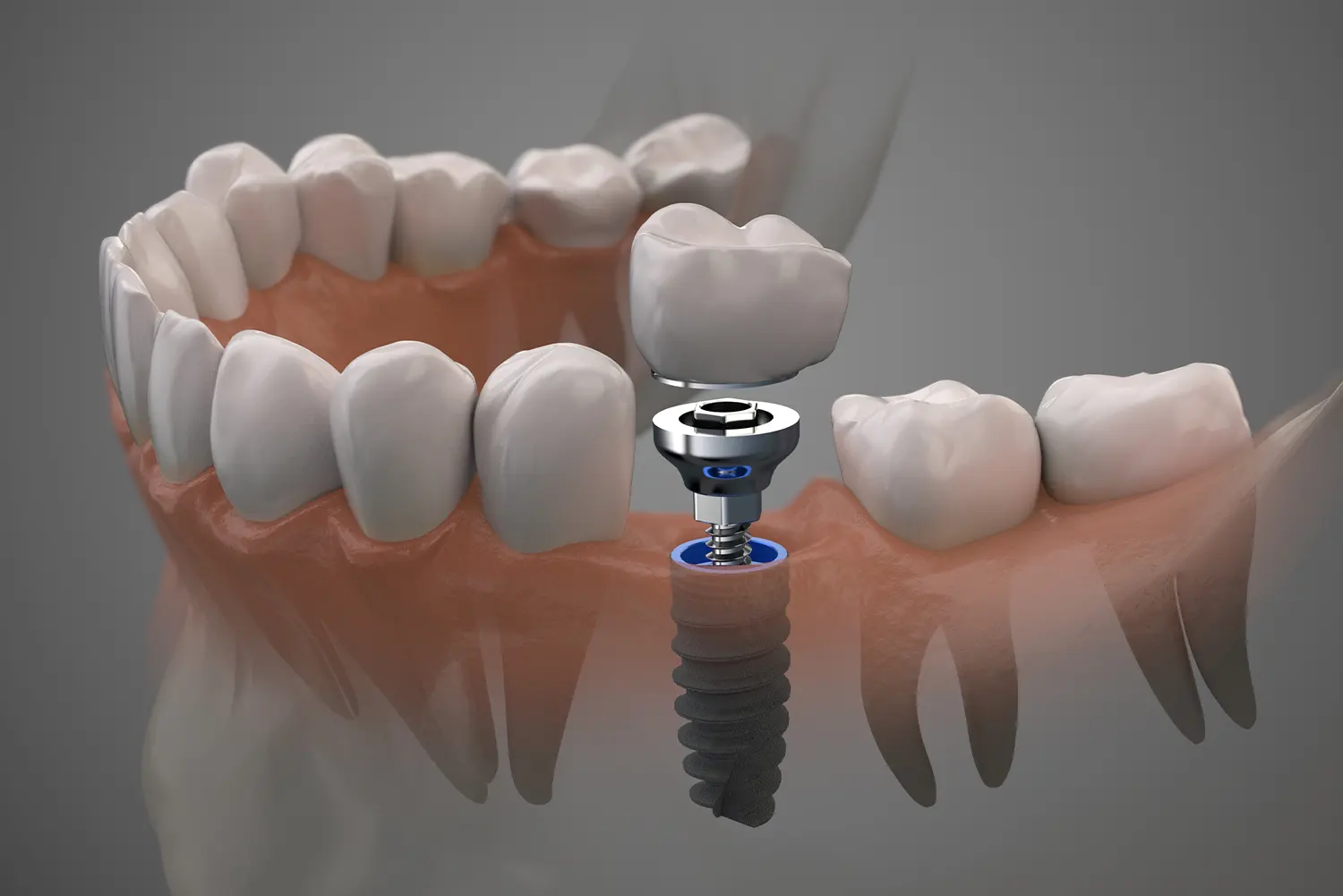
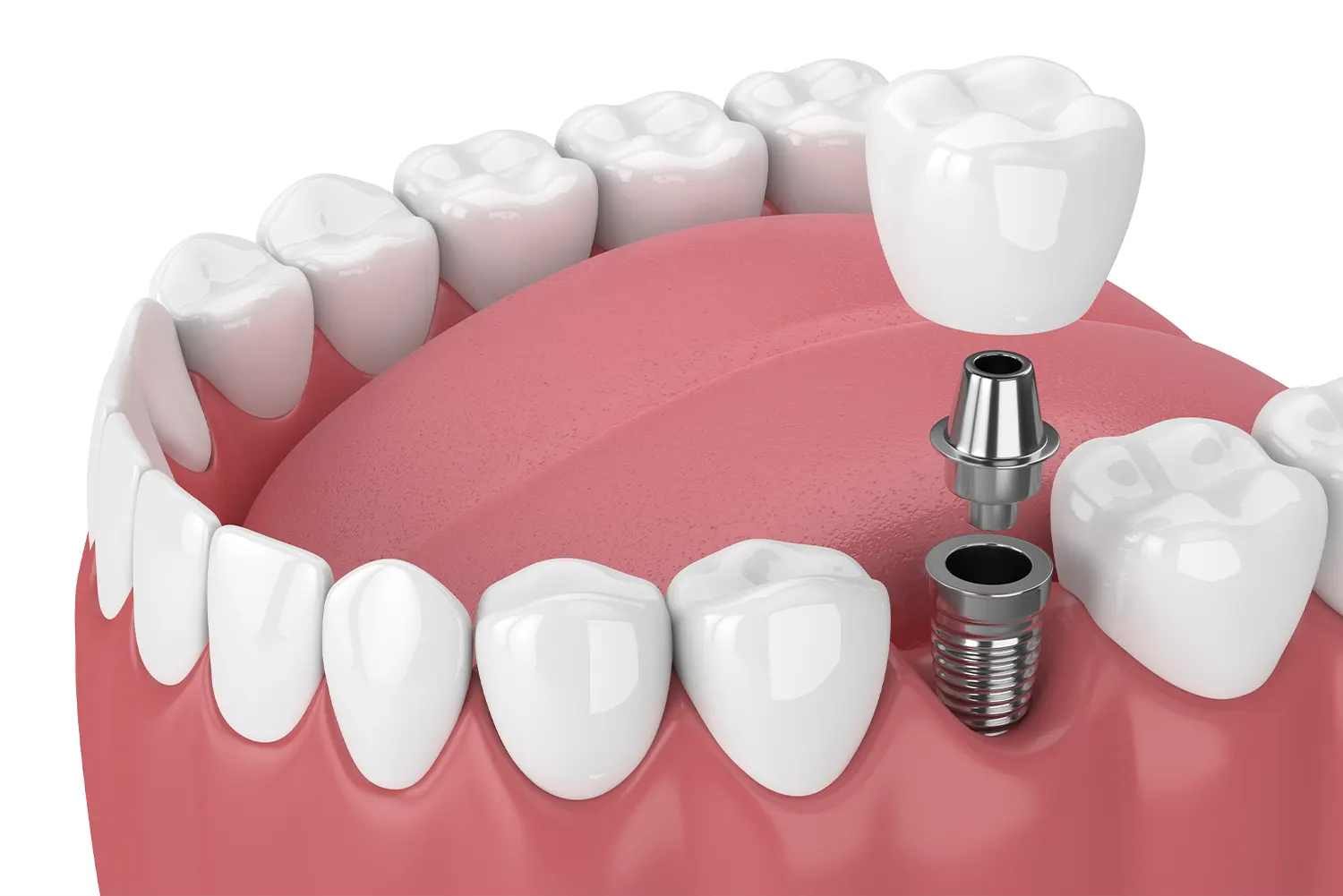
When looking at a quote, it helps to understand that a "dental implant" is actually a system made of three distinct parts. The cost generally covers the titanium post that fuses with the jawbone, the abutment which acts as a connector, and the final custom-made crown that looks like a natural tooth.
Surgical Placement and Follow-Up Visits
A comprehensive quote usually encompasses the professional time and expertise required for the surgery itself. This fee typically includes the surgical appointment where the implant is placed, as well as the necessary follow-up visits to monitor healing and ensure osseointegration (the fusing of bone to implant) is proceeding correctly.
Advanced 3D Imaging and Planning
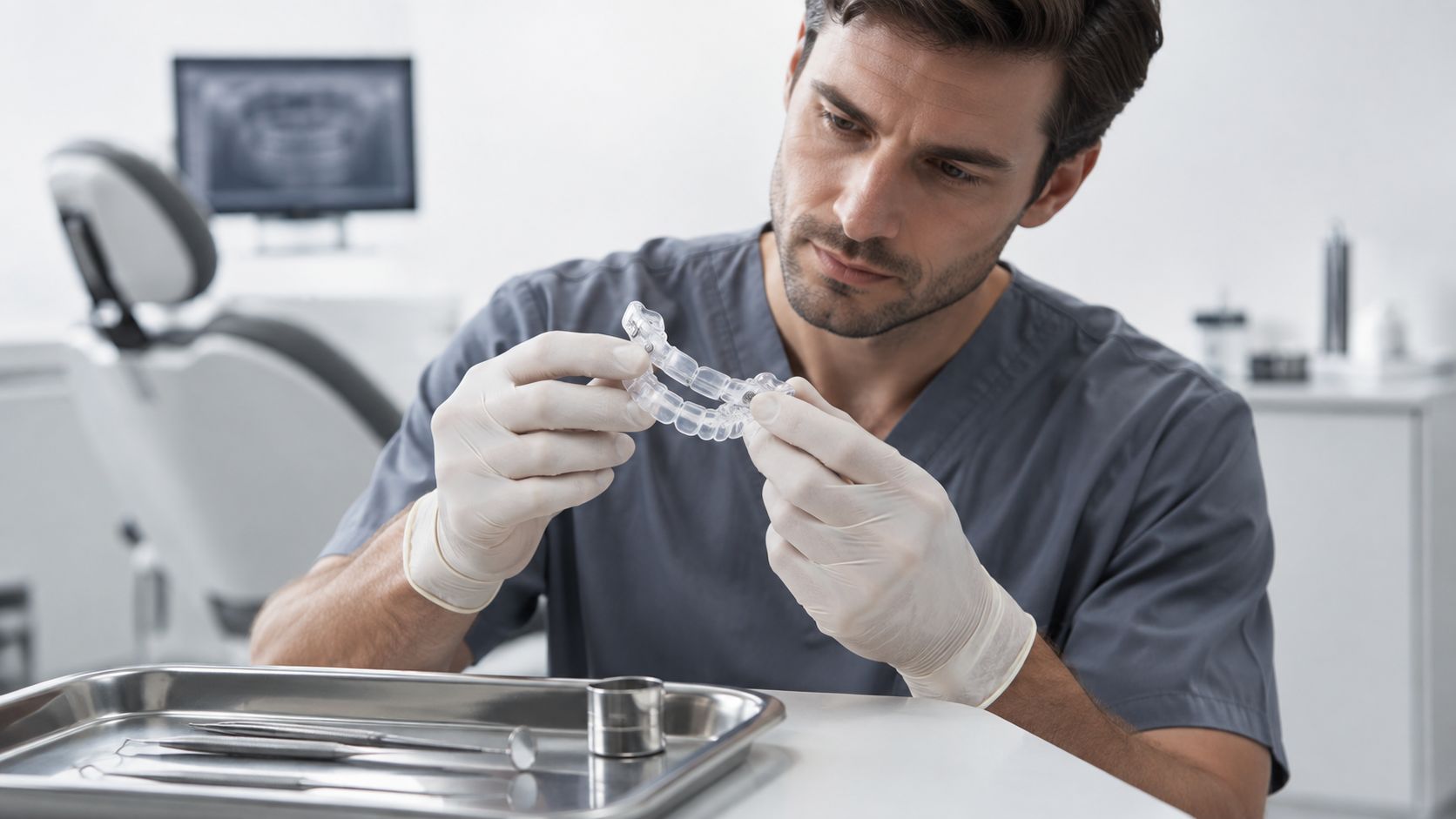
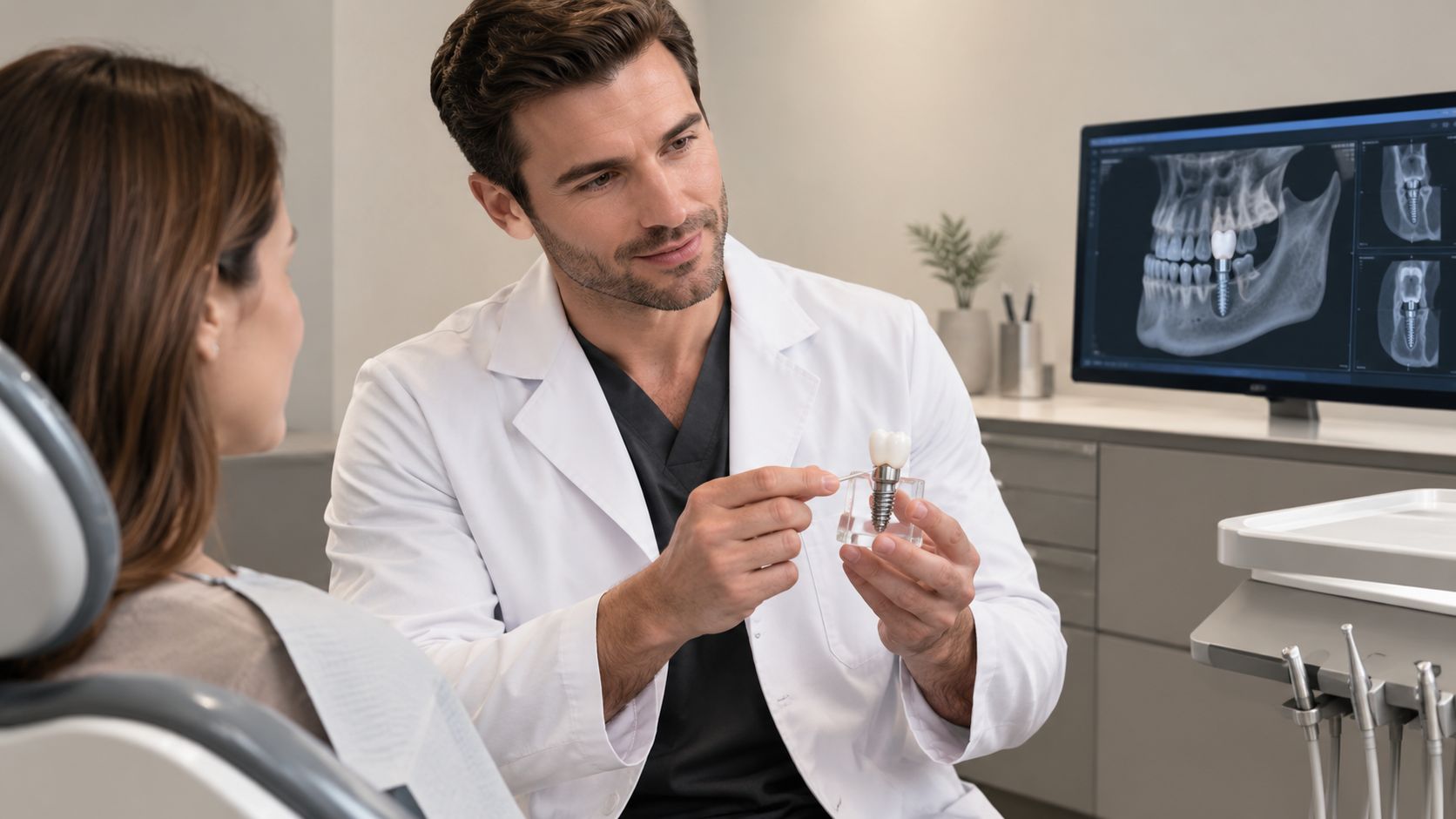
Modern implant dentistry relies on precision technology to ensure safety and predictability. The cost often reflects the use of advanced digital scans and 3D imaging, which allow the dental team to map out nerves, sinus cavities, and bone density with incredible accuracy.
Making Implants Affordable: Your Financial Options
Using Your Dental Insurance
Many patients are pleasantly surprised to find that their dental insurance may help with a portion of the cost. While it is rare for a plan to cover the entire procedure, many policies provide coverage for specific stages, such as the extraction, anesthesia, or the final crown restoration.
Health Savings (HSA) and Flexible Spending (FSA) Accounts
Using pre-tax dollars is an excellent strategy for making dental implants more affordable. Health Savings Accounts (HSA) and Flexible Spending Accounts (FSA) allow patients to set aside money tax-free for medical expenses, effectively lowering the overall cost of treatment.
In-House and Third-Party Financing
To ensure that cost does not stand in the way of health, many practices offer flexible financing solutions. Third-party lenders like CareCredit often provide low-interest or interest-free payment plans that allow patients to break the total cost into manageable monthly payments.
The Long-Term Value: An Investment, Not an Expense
Durability That Lasts a Lifetime
When asking "how much are dental implants," it is helpful to compare the lifespan of implants against other alternatives. While bridges or dentures may need to be relined, repaired, or replaced every 5 to 10 years, a well-cared-for dental implant has the potential to last for the rest of a patient's life.
Protecting Your Jawbone and Facial Structure
One of the most overlooked values of dental implants is their ability to preserve bone. Implants stimulate the jawbone just like natural tooth roots, preventing the bone resorption that typically occurs with tooth loss. This preservation helps maintain the natural shape of the face and prevents the premature aging look often associated with missing teeth or long-term denture use.
The Freedom to Eat, Speak, and Smile Confidently
The return on investment for tooth implants extends far beyond monetary value; it restores quality of life. The stability provided by implants allows for biting into crisp apples, laughing without covering the mouth, and speaking clearly without fear of slipping dentures.
The Winn Smiles Experience: Clarity and Compassionate Care
A Clear, No-Surprises Quote
Winn Smiles believes in removing the anxiety around billing by ensuring complete transparency from the very first visit. During a consultation, patients receive a detailed breakdown of all associated costs, explaining exactly what is needed and why. This approach ensures that every patient feels fully informed and empowered to make decisions without fear of hidden fees or unexpected charges later in the process.
Your Comfort is Our Priority
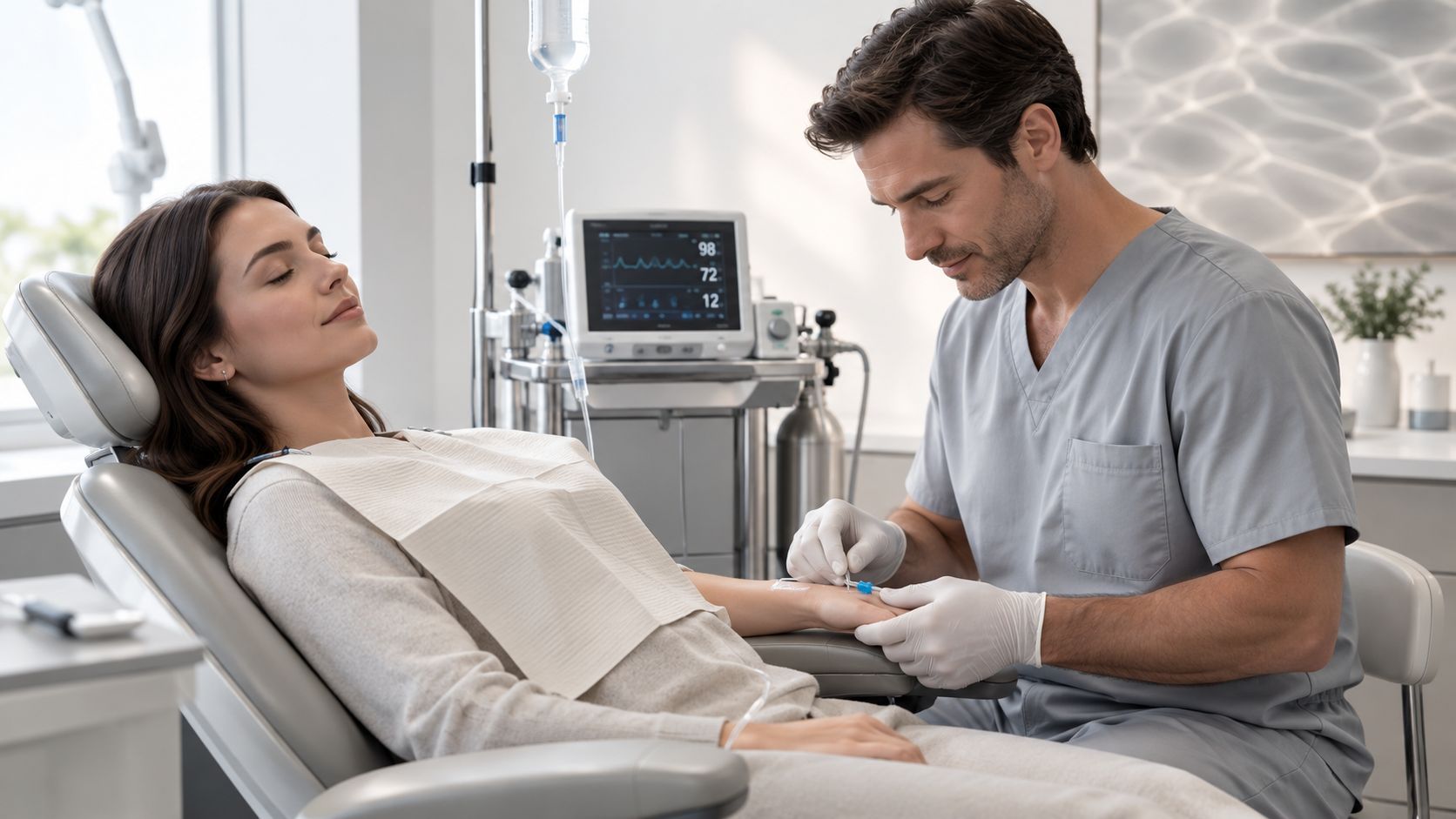
The value received at this practice extends to the atmosphere and the level of care provided. With a focus on a gentle approach, a relaxing environment, and options for sedation tailored to individual needs, the experience is designed to be as stress-free as possible. Patients are treated not just as a set of teeth, but as members of the dental family who deserve to feel safe and pampered.
A Partner in Navigating Your Options
Navigating insurance benefits and financing applications can be confusing, which is why the knowledgeable team at Winn Smiles is dedicated to helping every step of the way. Staff members are available to review insurance policies to maximize benefits and assist in setting up financing plans that fit individual budgets.
Comparing Costs: Implants vs. Other Options
Dental Implants vs. a Traditional Bridge
While a dental bridge may have a lower upfront cost, it involves filing down healthy adjacent teeth to support the prosthetic. This irreversible alteration can compromise the long-term health of those supporting teeth, potentially leading to more dental work in the future. Implants stand alone and preserve the integrity of the surrounding natural teeth.
Dental Implants vs. Removable Dentures
Dentures can be an economical quick fix, but they often come with hidden costs regarding comfort and convenience. Removable options can slip, require messy adhesives, and do not stop bone loss, which leads to a changing fit over time. The superior stability and chewing power of implants eliminate these daily frustrations and maintenance costs.
Why a "Cheaper" Option Isn't Always Better
Choosing a provider based solely on the lowest price tag carries significant risks in oral surgery. Discounted options may reflect lower-quality materials, less experienced surgeons, or a lack of advanced planning technology. Investing in skill, quality, and experience helps ensure a successful outcome and avoids the high cost of correcting failed procedures later.
Conclusion
While the financial component is a significant consideration, viewing a dental implant as a powerful investment in long-term health and well-being shifts the perspective. It is a choice that prioritizes physical health, aesthetic confidence, and daily function for decades to come.
With clear information, transparent pricing, and flexible financial paths available, a beautiful, permanent smile is often more accessible than many patients initially think. There is no need to let uncertainty about cost prevent the pursuit of optimal oral health.
You are invited to schedule a no-pressure consultation to receive a personalized plan and a precise quote tailored to your unique needs. Contact Winn Smiles today to explore the best solutions for your smile and start the journey toward renewed confidence.
Winn Smiles - Cleveland
https://maps.app.goo.gl/T2WzhZS2SUre9taH6
148 Stuart Crossing NW, Cleveland, TN 37312, United States
(423) 894-5607
https://www.winnsmiles.com/