Invisalign vs Braces? How to Choose the Perfect Option for Your Smile
Deciding to straighten your teeth is an exciting milestone. It marks the beginning of a journey toward a healthier bite and a smile that makes you feel truly confident. However, standing at the crossroads of treatment options can feel a little overwhelming. With different technologies and varying advice from friends or the internet, it is completely normal to have questions about which path is the right one for your unique needs.
Fortunately, you do not have to choose between a good option and a bad one. Traditional braces and Invisalign are both excellent, effective tools designed to achieve the same beautiful goal. Think of them as two different routes to the same destination. One might offer a scenic drive while the other provides a more direct path, but both will get you exactly where you want to go. This guide is here to help simplify that decision. By breaking down the essential differences in mechanics, daily life, and comfort, you can feel empowered to make a choice that suits you.
The Basics: How They Work
Traditional Braces: The Tried-and-True Method
Traditional braces have been the gold standard in orthodontics for decades because they are incredibly reliable. This method uses high-grade stainless steel or ceramic brackets bonded to the front of each tooth, connected by a thin archwire. By periodically tightening this wire, steady and gentle pressure is applied to the teeth, gradually guiding them into their ideal positions over the course of treatment.
Invisalign: The Modern, Clear Alternative
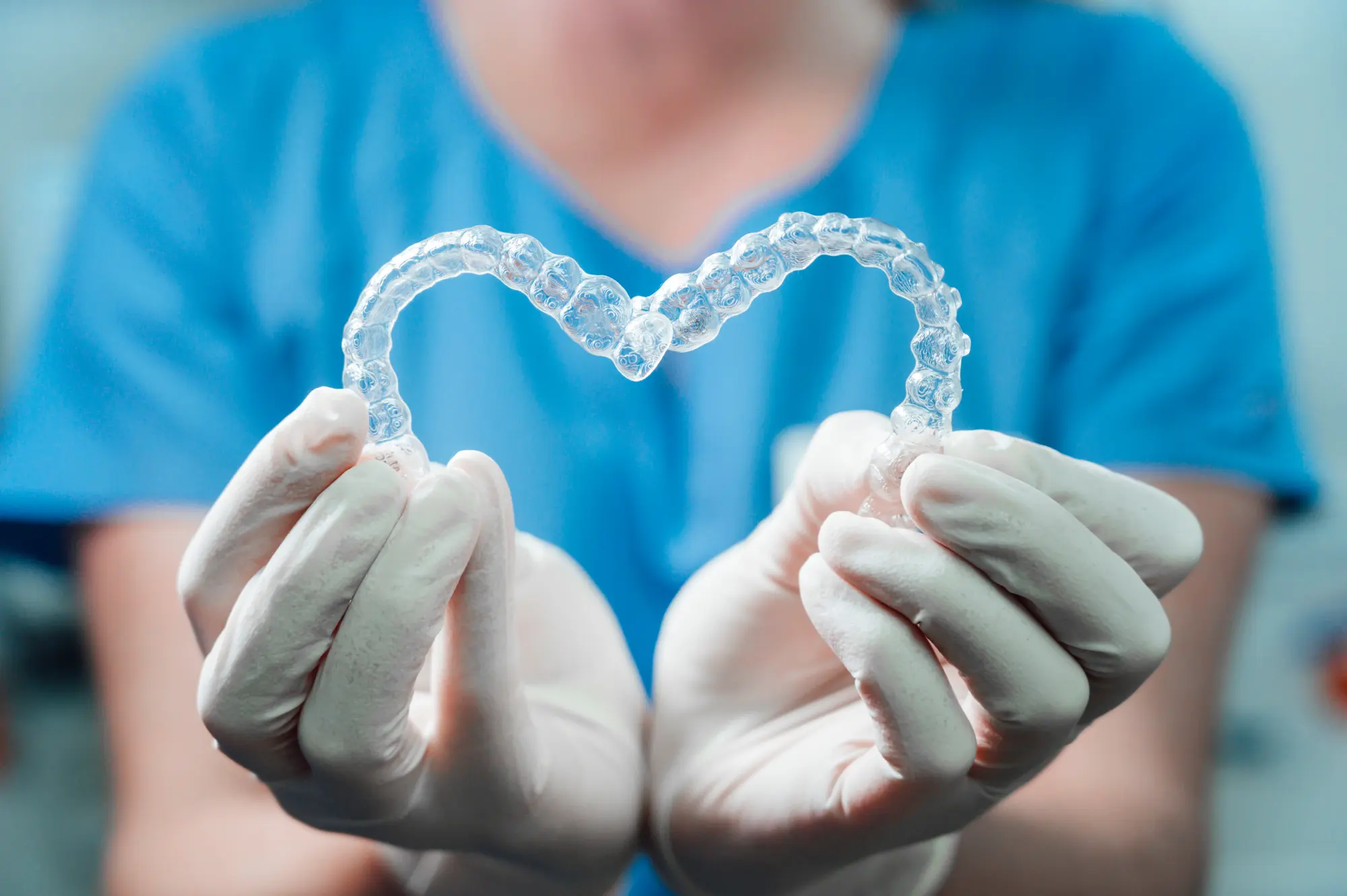
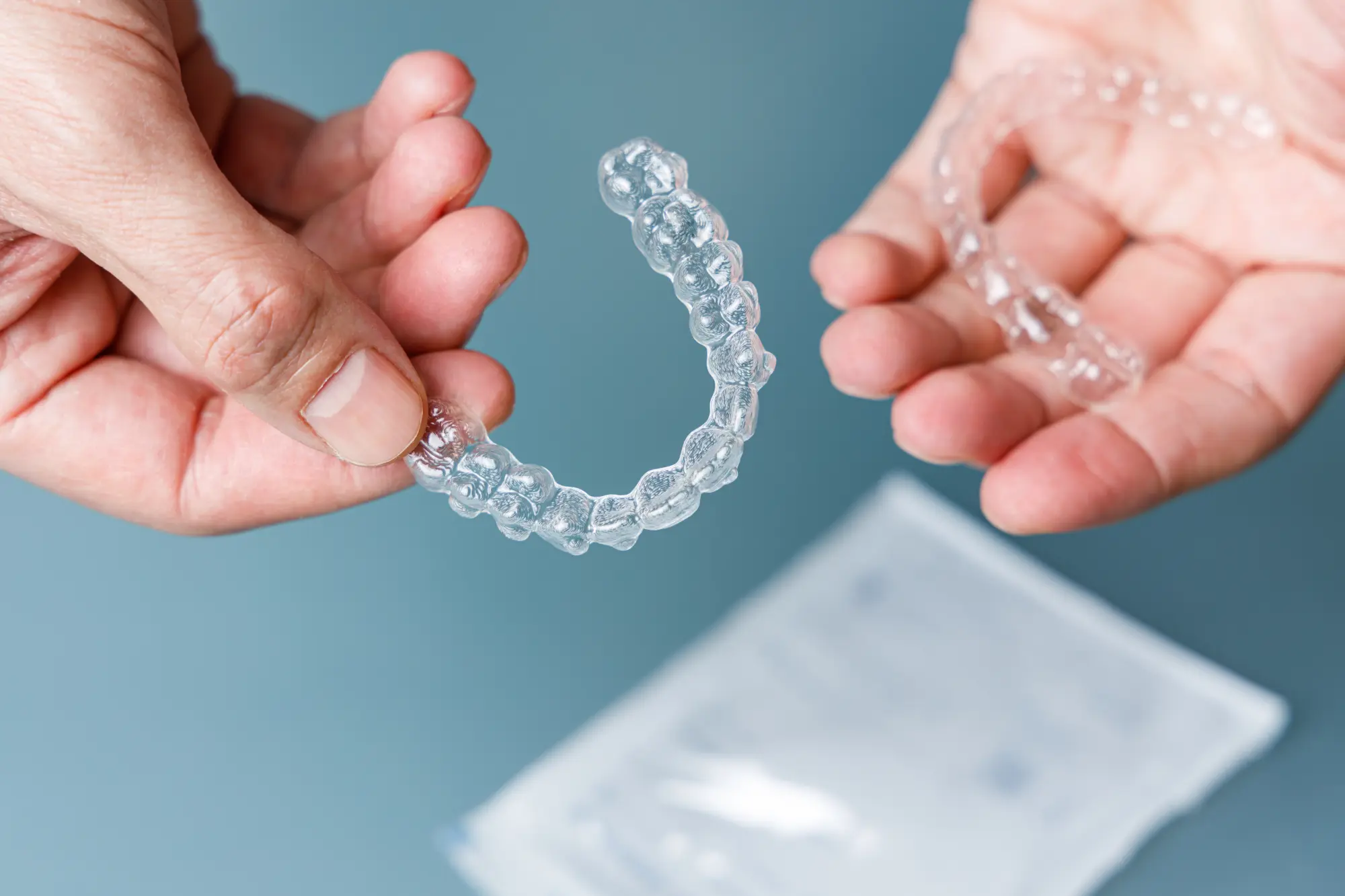
Invisalign takes a different approach to moving teeth, utilizing modern technology to create a more discreet experience. Instead of fixed brackets, this system uses a series of custom-made, clear plastic aligners that fit snugly over the teeth like a second skin. Every week or two, you switch to a new set of trays, which are slightly different from the last, moving the teeth in small, calculated increments until they reach alignment.
The Goal is the Same
While the mechanics differ—one uses fixed pressure and the other uses removable trays—the ultimate objective remains identical. Both methods are expertly designed by dental professionals to correct bite issues, eliminate crowding, and create a harmonious, straight smile.
Lifestyle and Appearance: How Will It Affect Your Daily Life?
The Aesthetics: Visible vs. Invisible
The most obvious difference between the two treatments is how they look to the outside world. Traditional braces are visible, involving metal or ceramic brackets that sit on the teeth throughout the entire process. In contrast, Invisalign aligners are made from a specialized clear plastic that is virtually invisible when worn, making it difficult for others to notice you are undergoing orthodontic treatment unless you tell them.
Social and Professional Considerations
For many adults in professional roles, or teenagers who might feel self-conscious, the discreet nature of clear aligners is a major advantage. Walking into a board meeting, a job interview, or a first date can feel less daunting when your orthodontic appliance isn't the first thing people see. Invisalign offers a level of privacy that allows your personality to shine through without the distraction of visible hardware.
Special Occasions and Photos
Life is full of big moments, from weddings and proms to family portraits and graduations. One of the unique benefits of Invisalign is the flexibility to remove the aligners for these short, significant events. If you want a completely natural smile for a photo or a special evening, you have the freedom to take the trays out temporarily, whereas braces remain a fixed part of your appearance until treatment concludes.
Eating, Drinking, and Oral Hygiene
Food Freedom with Invisalign
Because Invisalign aligners are removable, there are absolutely no dietary restrictions during your treatment. You simply take the trays out before eating, allowing you to enjoy all your favorite foods—from crunchy apples to sticky caramel popcorn—without worry. This freedom means family dinners, dates, and movie nights don't require a special menu or awkward modifications to how you eat.
Navigating Meals with Braces
With traditional braces, protecting the hardware becomes a daily priority during meals. Hard, sticky, or chewy foods must be avoided as they can easily break brackets or bend wires, leading to potential discomfort and emergency repair visits. This requires a more mindful approach to eating, often involving cutting food into smaller pieces and skipping certain snacks for the duration of the treatment.
Brushing and Flossing: A Clear Difference
Maintaining oral hygiene is significantly simpler with clear aligners compared to fixed appliances. With Invisalign, you remove the trays to brush and floss your teeth just as you normally would, ensuring a thorough clean. Braces, however, create nooks and crannies where food traps easily, requiring extra time, patience, and specialized tools like floss threaders or water flossers to keep teeth and gums healthy.
Comfort and Treatment Experience
The Feel of Braces
It is common to experience an adjustment period when braces are first put on. The brackets and wires can initially feel bulky against the lips and cheeks, sometimes causing mild irritation until the mouth toughens up. Additionally, patients typically feel a sensation of tightness or soreness for a day or two following each adjustment appointment as the wires are tightened to encourage movement.
The Feel of Invisalign
Invisalign aligners are generally considered more comfortable because they are made from smooth plastic tailored to the gum line. While there is still a feeling of pressure when switching to a new set of trays—which is a sign the treatment is working—there are no sharp metal edges to irritate the soft tissues of the mouth.
Appointment Frequency and Duration
The time spent in the dental chair also varies between the two options. Braces typically require visits every 4 to 8 weeks for adjustments, wire changes, and check-ups, which can take a bit of time. Invisalign appointments are usually shorter and sometimes less frequent, as they primarily serve as progress checks to ensure the teeth are tracking correctly and to pick up the next few sets of aligners.
Clinical Considerations: Which is Right for Your Case?
Effectiveness for Complex Cases
While clear aligners have come a long way, traditional braces remain a powerful tool for correcting complex orthodontic issues. For severe bite problems, significant overcrowding, or teeth that need to be rotated or moved vertically, the steady, anchored force of braces is often the most effective method.
Invisalign's Expanding Capabilities
Advanced technology has allowed Invisalign to treat a much wider range of cases than ever before. What used to be a solution strictly for minor spacing or crowding issues can now address moderate to complex malocclusions. SmartForce attachments—small, tooth-colored shapes attached to teeth—allow the aligners to apply the right amount of force in the right direction, making it a viable option for many patients.
The Importance of Compliance
The success of Invisalign relies heavily on patient discipline, which is a critical factor to consider before choosing this route. Unlike braces, which work 24/7 without any effort from you, aligners only work when they are in your mouth. To stay on track and finish treatment on time, you must commit to wearing them for the recommended 20 to 22 hours every single day, removing them only for meals and cleaning.
The Winn Smiles Approach: A Personalized Consultation
It Starts With a Conversation
Choosing the right orthodontic path should never feel like a high-pressure sales pitch. The journey begins with a relaxed, friendly conversation where the focus is entirely on your personal goals and lifestyle needs. By listening to what matters most to you—whether it is aesthetics, timeline, or comfort—the dental team can better tailor recommendations that fit seamlessly into your life.
Advanced Diagnostics for a Clear Plan
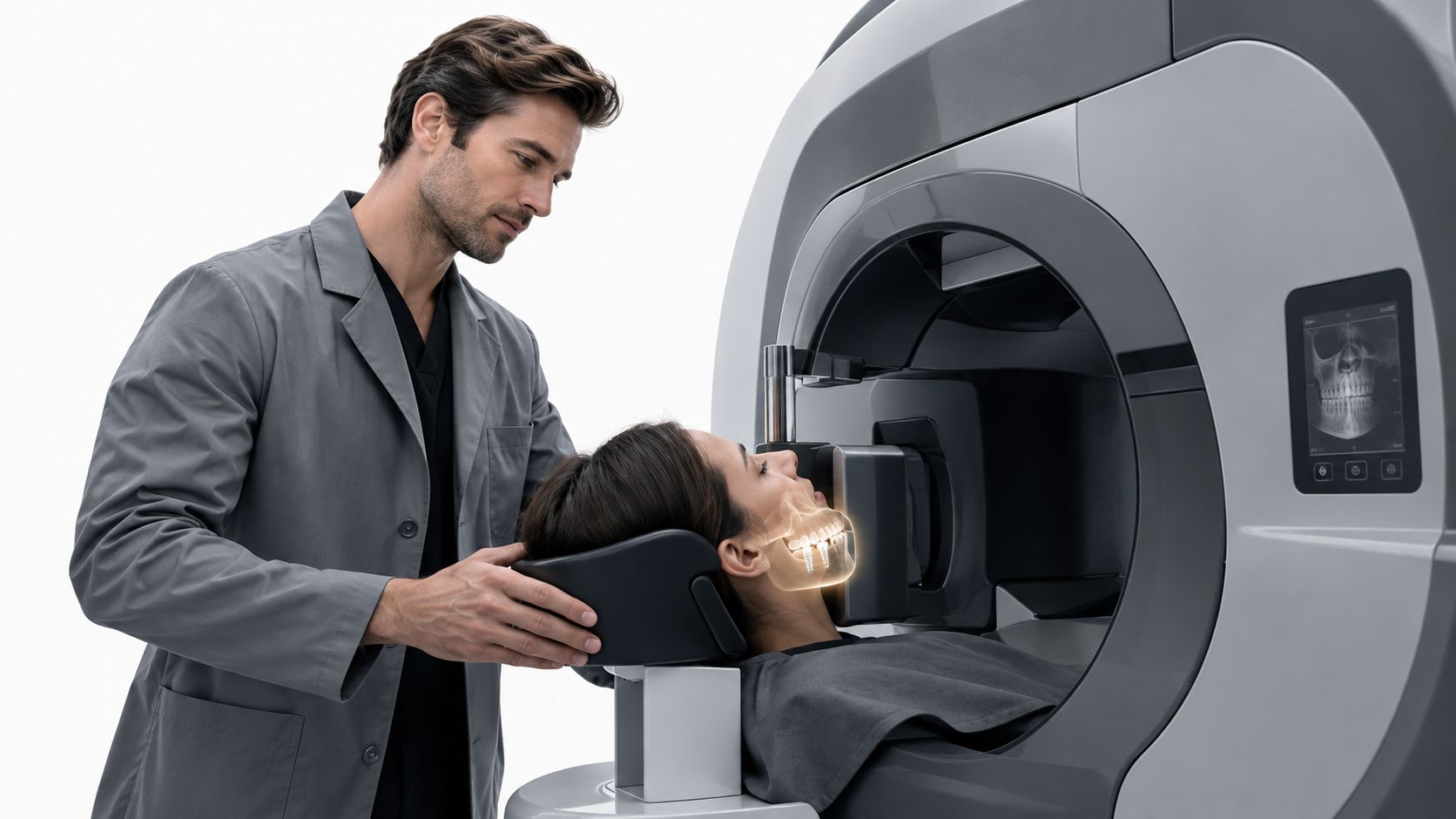
Guesswork has no place in modern dentistry, which is why state-of-the-art 3D imaging is used to map out treatment plans with precision. This advanced technology allows you to see a digital roadmap of your smile's transformation before you even begin. Visualizing the potential outcome with both braces and Invisalign helps make the decision feel concrete and exciting rather than abstract.
Your Partner in Comfort and Care
Regardless of the method chosen, the priority is always to ensure a positive and comfortable experience. From the moment you walk through the door to the day your new smile is revealed, you are supported with gentle care and clear communication. The team is dedicated to being a partner in your health, ensuring you feel confident and cared for at every single appointment.
Cost and Treatment Time
Comparing the Financial Investment
A common misconception is that one option is vastly more expensive than the other, but the cost of Invisalign and dental braces is often quite comparable. The total investment typically depends more on the complexity of the case and the length of treatment rather than the specific appliance used.
Understanding Treatment Duration
The timeline for achieving a straight smile varies from person to person, regardless of the method selected. Generally, treatment with either braces or Invisalign can range anywhere from a few months for minor adjustments to a couple of years for comprehensive correction.
Insurance and Financing Options
Investing in a smile is an investment in long-term confidence and health, and there are many ways to make it accessible. Many dental insurance plans offer coverage for orthodontic treatment that applies to both braces and clear aligners. Additionally, flexible financing options are often available to help spread the cost over time, ensuring that the smile of your dreams fits comfortably within your budget.
Life After Straightening: The Retention Phase
Protecting Your Investment is Key
Crossing the finish line of orthodontic treatment is a huge achievement, but the journey doesn't end the moment the braces come off or the last tray is tossed. Teeth have a natural memory and will drift back toward their original positions if not held in place. Wearing a retainer is the non-negotiable secret to protecting your investment and maintaining that perfectly straight alignment for the long haul.
Types of Retainers
Just like the treatment itself, there are different options for retention to suit different preferences. Removable clear retainers look and feel very similar to Invisalign trays and are usually worn at night. Alternatively, permanent bonded retainers consist of a thin wire attached behind the teeth, offering a "set it and forget it" solution that keeps teeth stable without you having to remember to put anything in.
A Lifetime of Healthy Smiles
Think of retention not as a burden, but as the simple, final step in a lifetime of healthy smiles. It is a small habit that ensures the time, effort, and resources put into straightening your teeth pay off forever. With the right retention plan, the confident, beautiful smile revealed at the end of treatment will be yours to enjoy for decades to come.
Conclusion
When it comes to the "invisalign vs braces" debate, the comforting truth is that there is no wrong answer—only the answer that is right for you. Both methods are effective, safe, and capable of delivering stunning results. The best choice ultimately depends on your personal discipline, aesthetic preferences, and the specific clinical needs of your smile.
If you are ready to take the next step, scheduling a consultation is the perfect way to explore your options in person. By examining your unique smile and discussing your goals, a custom plan can be created just for you. Your dream smile is closer than you think—reach out today to start the journey toward a happier, healthier you.
Winn Smiles - Cleveland
https://maps.app.goo.gl/T2WzhZS2SUre9taH6
148 Stuart Crossing NW, Cleveland, TN 37312, United States
(423) 529-5241
https://www.winnsmiles.com/