If you're sitting with a new amputation, a limb difference, or an orthotic need that finally can't wait any longer, the search for help can feel bigger than the appointment itself. You're not just looking for a device, you're looking for a clinic that will listen, explain the tradeoffs, and stay involved after the first fitting.
Stubbs Prosthetics & Orthotics in Chattanooga fits that role for patients across Southeast Tennessee and Northwest Georgia. It operates as a regional prosthetic and orthotic supplier, with a Chattanooga hub at 5715 Uptain Rd, Suite 5800, Chattanooga, TN 37411 and a secondary location in Dalton, Georgia, which tells you this is a specialty care provider with a real local footprint, not a general medical storefront LinkedIn company listing NPI database entry.
The Moment You Realize You Need a Prosthetic Provider
The first real turning point is often quiet. A surgeon may already have explained the next step, or a limb difference that has been present since birth may have reached a point where support or replacement now affects everyday life in a practical way.
At that moment, the provider matters as much as the device. Prosthetic and orthotic care is not a one-time purchase. It is a sequence of fittings, adjustments, training, and follow-up, and the clinic you choose shapes how that process feels at home, at work, and on uneven ground.
Why the clinic choice changes the whole experience
A patient may begin by thinking, “I just need a leg, brace, or support.” In practice, the first device is only the start. Comfort, alignment, socket or interface fit, and how the device responds during walking or daily tasks all affect whether the device helps or becomes a source of frustration.
Stubbs Prosthetics Chattanooga is best understood as a specialty provider serving a regional patient base. Its public business profile places it in the regulated prosthetic and orthotic care field, which is the right setting for care that depends on clinical judgment, fabrication, and repeated fine-tuning. The process is closer to fitting a custom instrument than buying something off a shelf, and the details matter from the first appointment through later adjustments. Patients who also need coordinated oral health care may appreciate having a local Chattanooga dentist who can help keep the rest of the care plan steady while prosthetic work continues.
A good prosthetic fit is rarely the first fit. It is the fit that improves after the first appointment, then improves again after the first few wear tests.
That gradual process can be reassuring once you know what to expect. It also helps explain why local care matters. A clinic that stays involved after delivery gives patients room to report pressure points, ask questions, and work through the small changes that make a device more livable over time. For readers comparing providers, the public profile on LinkedIn company listing is one place to confirm that this is a specialty care setting, but the deciding factor comes down to whether the team will stay with you through the fitting cycle, the follow-up cadence, and the long-term life of the device.
A patient can also look at the broader care relationship in the same way they would judge other ongoing treatment, including something like how TENS boots deliver a workout. The first session matters, but the true value shows up in repetition, adjustment, and whether the plan holds up once daily life gets in the way.
Inside Stubbs Prosthetics Chattanooga
A patient usually discovers a prosthetic clinic the same way they discover any specialty practice, by trying to match what is listed online with what care will feel like in the chair. Stubbs Prosthetics Chattanooga is best understood as a specialty provider, not a walk-in retail stop, because prosthetic care depends on evaluation, fitting, fabrication coordination, and repeated follow-up rather than a single purchase.
The Chattanooga office at 5715 Uptain Rd, Suite 5800 fits that model. It gives the team a fixed place to assess the limb or body shape, make measurements or scans, check how a device sits in real use, and adjust the fit as the body changes over time. That is the part patients often do not see at first. A prosthesis is not finished the moment it is handed over, it usually becomes usable through a series of refinements, much like a custom garment that starts out close, then gets altered so it sits correctly.
What happens when you walk in
The first visit usually begins with a conversation about goals, comfort, mobility, and daily routines. A person who spends long hours standing will need different tuning than someone who needs steadiness at home or safer transfers in and out of a car. That conversation matters because the right device is not only about the limb itself, it is about how the person lives.
Stubbs' public materials describe custom, extensive prosthetic and orthotic services and products, which is the kind of wording patients should look for when they want care that continues after the first fitting Stubbs about page. The broader history of the practice shows a long-standing focus on this kind of specialty work, and that background helps explain why follow-up, adjustment, and device maintenance are part of the care path rather than afterthoughts History page NPI database entry.
If you are trying to understand how a device-centered treatment plan works, the basic idea is similar to what patients learn in articles like how TENS boots deliver a workout. The first use gives you information, then repetition shows what needs to change, whether that means comfort, alignment, or how the body responds after regular wear.
For readers comparing local specialty offices, a coordinated care setting like Winn Smiles Chattanooga shows how much an organized patient experience affects comfort and follow-through, even when the treatment itself is different. The point is the same in prosthetics, the best clinic visit is the one that leads to useful changes at the next visit, and then the one after that.
Advanced Prosthetic Technologies Explained in Plain Language
A patient may hear device names like C-Leg, Rheo Knee, or i-limb and assume the technology is too technical to understand during a regular clinic visit. The names sound complex, but the purpose is straightforward, these devices are designed to help the body move with more control, better timing, and less wasted effort.

What the major device names mean
C-Leg and Rheo Knee are names for microprocessor-controlled knees. In plain language, the knee is not just a fixed hinge. It senses movement and changes the way it responds while a person walks, which can make steps feel more controlled and less mechanical.
Proprio Foot refers to a prosthetic foot system built for responsive movement and steadier balance. That matters because the foot is the first part to meet the ground, so small changes in how it behaves can affect how confident a person feels on level floors, ramps, or uneven surfaces.
i-limb and myoelectrics describe upper-limb systems that respond to muscle signals. Instead of depending only on broad body motion, these systems can read the body's intention more precisely and turn that signal into hand or arm function.
The patient question is rarely about the label on the device. It is about whether the device helps with safety, effort, and daily routines that are practical in everyday life, from getting dressed to carrying a cup to opening a door.
Stubbs Prosthetics Chattanooga is best understood as a specialty provider that works in this higher-technology part of prosthetic care. The site's device guidance fits the same practical logic found in practical eldercare equipment guidance, where the key questions are how the equipment will be used, how stable it feels, and how well it holds up over time.
How the Prosthetic and Orthotic Care Process Works
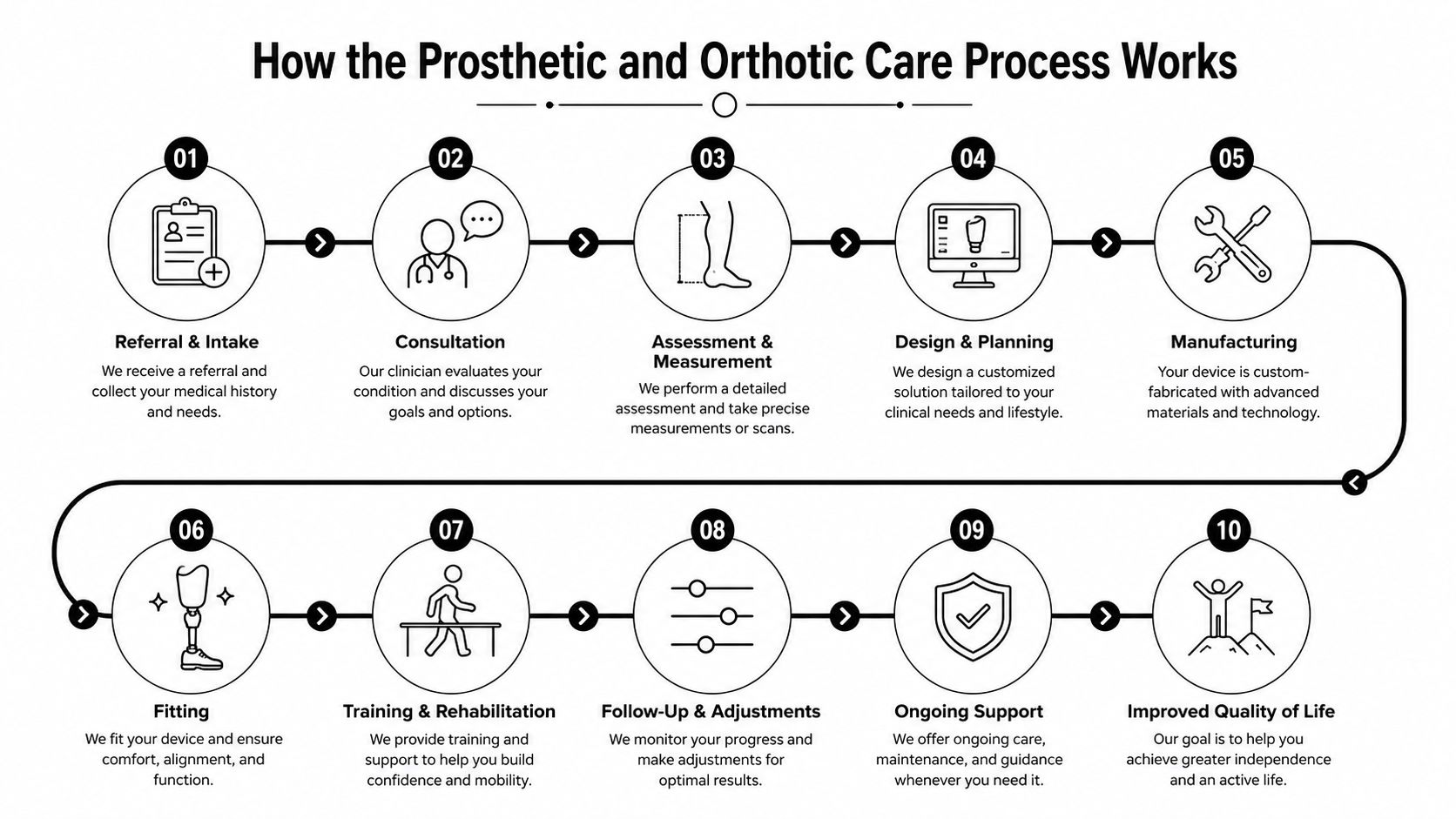
A patient usually reaches this stage with a clear problem to solve, but not always with clear language for it. The first visit gives the clinician a chance to learn what the device needs to do, how the person moves through a normal day, and which sources of pain, pressure, or instability need to be reduced.
From there, the process moves into casting or scanning, which captures the shape needed for a custom interface or support. Fabrication follows, then a diagnostic fitting. That first fitting is not the finish line. It is the first real test of how the device meets the body in motion, much like trying on shoes and then walking on them instead of just looking at them on a shelf.
Why fitting and adjustment take time
Alignment adjustments matter because a prosthetic device has to work with the body, not just attach to it. A small change in socket comfort or alignment can alter how a patient stands, how each step feels, and how long the device stays tolerable over the course of a day.
Stubbs Prosthetics Chattanooga is best understood as a specialty provider that works through this kind of repeat-fit process. The clinic's history shows a long-standing local presence, and that matters because prosthetic care often depends on return visits, careful changes, and a clinician who can compare how the device felt at the last appointment with how it feels today History page. The 2007 move to 5715 Uptain Road, Suite 5800 fits that workflow, since a modern specialty site needs room for evaluation, coordination, and more than one fitting visit before the device feels right.
A useful way to follow the process is step by step:
- Initial evaluation, where goals, limitations, and daily needs are discussed.
- Casting or scanning, which captures the body shape for a custom build.
- Fabrication, where the device is made or assembled.
- Diagnostic fitting, where the first version is tested.
- Alignment and refinement, where comfort and gait are improved.
- Training and rehabilitation, where the patient learns safe use.
The pattern is similar to how a clinician reviews a letter of medical necessity. The paperwork and the device both need to show the same thing, that the patient's needs are specific, practical, and grounded in daily function.
The embedded clinic video below helps show how that rhythm feels in practice.
Insurance, Financing, and What to Expect Over the Life of a Device
A prosthetic decision usually becomes real only after the first billing question. The device may be built for movement, but the process also includes insurance review, prior approval, documentation, and a clear sense of what your plan may cover now and later.
Stubbs Prosthetics Chattanooga is best understood as a specialty provider, and its public profile lists accreditation, but not a full breakdown of prices or insurer-by-insurer acceptance, so patients should plan to ask direct questions during consultation BBB profile. That kind of conversation is normal. In prosthetic care, it is better to clarify coverage before the device is ordered than to make assumptions after the paperwork has started.
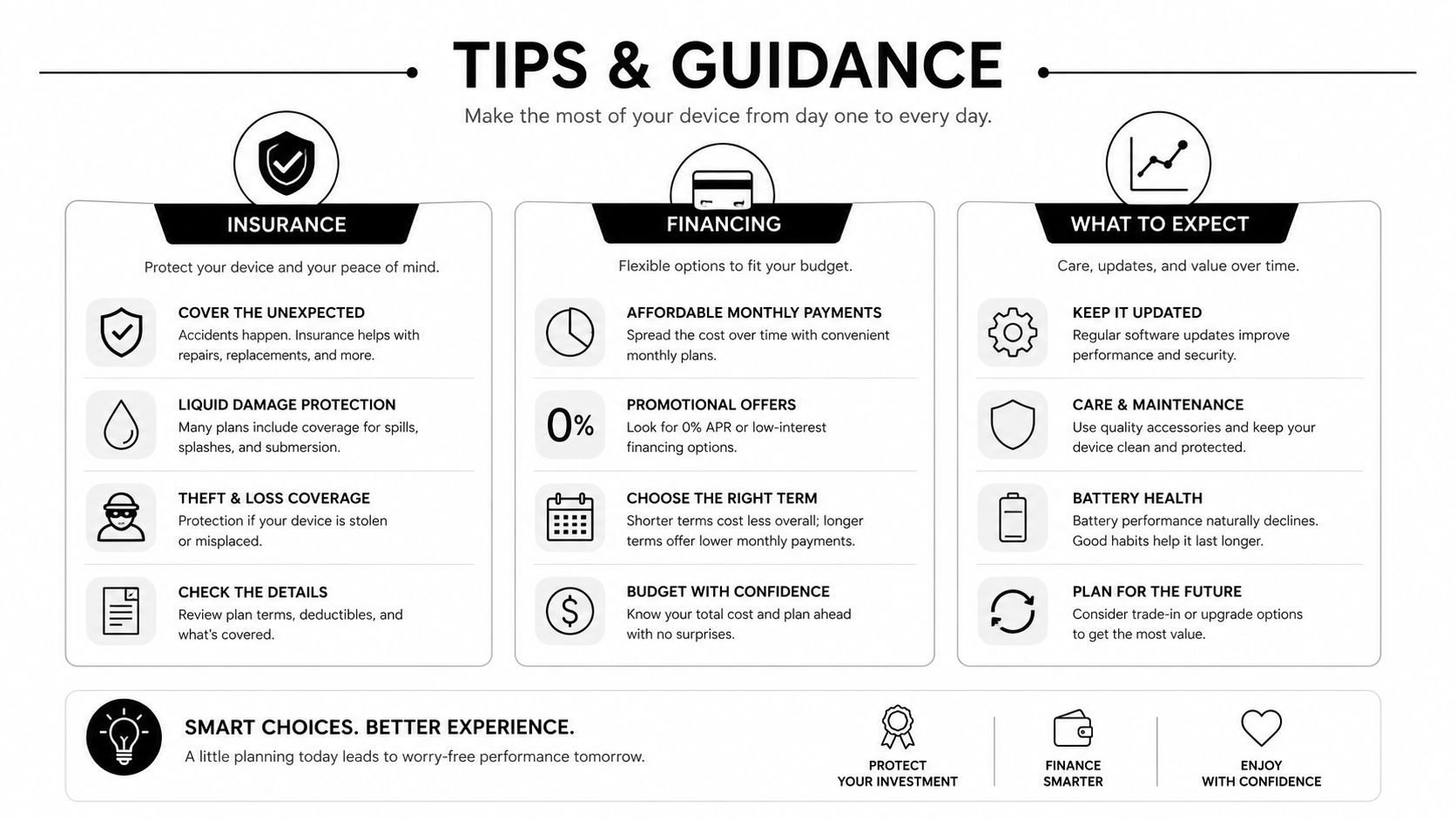
A useful way to approach the financial side is to break it into parts. Coverage details tell you what the plan treats as medically necessary. Documentation answers the question of what the insurer needs to see. Device upkeep matters because repairs, socket changes, and later adjustments all affect the overall cost of care. Technology choice matters too, because a more advanced device may solve one problem well, while a simpler option may fit the patient's daily life better.
Questions that help you plan wisely
The clearest conversations usually start with a few plain questions:
- Coverage details, including what your plan treats as medically necessary.
- Documentation, especially whether the clinic needs a referral or other supporting paperwork.
- Device upkeep, since repairs and later adjustments can change long-term planning.
- Technology choice, because a more advanced device may fit certain needs better, while not every patient needs the most complex system.
If your provider asks for supporting paperwork, a plain explanation of a letter of medical necessity helps show why that document matters and how it supports coverage decisions.
The other part of planning is the life of the device itself. Prosthetic use changes over time because activity level changes, the body changes, and technology keeps improving. A younger patient may outgrow a device. An adult patient may need changes because of wear, weight shifts, or a different functional goal. That is why device planning should be treated like ongoing care, not a one-time purchase.
Cost questions are not awkward. They are part of safe planning, especially when the device will need maintenance and periodic review.
Aftercare, Adjustments, and Long-Term Device Maintenance
A prosthetic fitting does not end when the device leaves the clinic. The true test begins at home, on stairs, in the car, on uneven sidewalks, and through the ordinary strain of a full day. That is the point where small details become obvious, much like a shoe that felt fine in the store but rubs after an hour of walking.
Routine aftercare usually includes socket refinements, alignment corrections, repairs, and eventual replacement planning. Patients also need training, because learning how to wear, clean, and trust the device is part of the treatment, not an optional extra. A prosthetic can be well made and still need careful follow-up as the body changes and daily use exposes fit issues that were not obvious on day one.
Why follow-up changes everything
Stubbs Prosthetics Chattanooga is best understood as a specialty provider because the work does not stop at initial delivery. The clinic's fitting and fabrication work can shorten the distance between a concern and a fix, which matters when a patient notices that something feels off.
A pressure point, a loose feel, or a change in gait often starts as a small complaint. In practice, those early signals are the body's way of asking for an adjustment before irritation, pain, or frustration builds. Clinicians who see the device and the patient regularly can compare what is happening now with what happened at the last visit, which makes the conversation more precise and less like guesswork.
Long-term care usually includes:
- Monitoring fit, because the body and socket need to stay aligned.
- Checking wear, since parts age with use.
- Planning replacement, so the patient is not caught off guard when the device no longer performs as expected.
- Revisiting goals, because mobility needs often change after the first few months.
That ongoing rhythm is what separates a one-time fitting from true prosthetic care. The best local care does not just hand over a device and hope for the best, it keeps watching how the device behaves in daily life and responds when the patient's needs change.
Questions to Ask and How Stubbs Compares for Local Care
A first visit can feel like a blur if you do not know what to ask. Start with the practical questions that shape the rest of care, such as how soon appointments happen, how often the team expects to make changes, and whether the clinic communicates with surgeons or rehab teams when your situation calls for it. Those answers tell you more about the day-to-day experience than a directory page ever can.
Online profiles often stop at the basics, such as where the office is and what kind of services it offers, which is helpful but incomplete Yelp listing. A patient choosing prosthetic care needs to know how the clinic handles follow-up, repairs, and planning for replacement over time, because a device is rarely a one-and-done purchase. It is more like a tool that has to keep fitting the person using it as their body and routine change.

A simple consultation checklist
Bring these questions with you:
- Wait time expectations, so you understand how quickly care can begin.
- Adjustment cadence, because prosthetic care usually involves revisiting the fit.
- Repair process, since wear, loosening, and small breakdowns are part of normal use.
- Care coordination, especially if you also work with surgeons, therapists, or rehab staff.
A useful consultation also clarifies what happens after the first fitting. Ask how the clinic decides whether a socket needs refinement, how a follow-up visit is scheduled, and what the office wants you to report if something feels off at home or during walking. Those details help you judge whether the practice is built for steady care, not just a single fitting.
Stubbs Prosthetics Chattanooga is best understood as a specialty provider that can support that kind of ongoing process. Its Chattanooga and Dalton presence, along with the custom prosthetic and orthotic services described on its LinkedIn company listing and Stubbs about page, make it a practical local option for patients who want repeat visits, close follow-up, and a clinic that can keep working with the device as life changes.
Your Next Step Toward Prosthetic Care in Chattanooga
If Stubbs Prosthetics Chattanooga feels like the right fit, start by confirming the Chattanooga address at 5715 Uptain Rd, Suite 5800, then gather any referral or clinical paperwork you already have and contact the office through the Contact page to ask how the first appointment is set up and what follow-up usually looks like. The early visit often works like the first fitting of a new shoe, the shape may be close, but the true value comes from the adjustments that follow. A clinic that explains that process clearly can be easier to trust than a directory listing that only gives an address.
Stubbs Prosthetics Chattanooga is best understood as a specialty provider for patients who need ongoing prosthetic and orthotic care, not a one-time handoff. Its Chattanooga and Dalton presence, along with the custom prosthetic and orthotic services described on its Stubbs about page, point to a practice built for repeat visits, careful fit changes, and the kind of device support that continues after the first appointment. That matters because prosthetic care is rarely finished when the first socket is delivered. It usually unfolds through fitting, feedback, small refinements, and later checks as the body and device both change.
Winn Smiles brings that same patient-first mindset to Chattanooga and Cleveland with clear communication, modern care, and a team that helps people feel comfortable asking questions. If you're ready to take the next step with a trusted local practice, visit Winn Smiles and reach out for care that's built around your needs.