Plaque, Tartar, and You: How Teeth Cleaning Protects Your Oral Health
There is nothing quite like that smooth, polished feeling your teeth have right after a professional cleaning. It feels fresh, healthy, and incredibly clean. Compare that to the "fuzzy" or rough sensation that can develop on your teeth over a few months, and the difference is unmistakable. That fuzziness isn't just a texture issue; it's the start of an invisible battle happening inside your mouth every single day.
Two main culprits drive this ongoing struggle: plaque and tartar. While you have likely heard these terms in toothpaste commercials, understanding exactly what they are and how they affect your smile is crucial. These substances are the antagonists of oral health, but they don't have to win.
This guide explores exactly how teeth cleanings work and why they are essential for preventing disease. It covers the journey from plaque to tartar, explains the tools used to restore your smile, and highlights how the process is designed to be comfortable and reassuring.
Understanding the Basics: What is Plaque, Really?
The Sticky Science of Biofilm
Plaque is a soft, colorless, and sticky film of bacteria that constantly forms on your teeth. It is a type of biofilm that thrives on the sugars and starches found in the foods you eat every day. When you consume carbohydrates, the bacteria in your mouth feed on them, allowing the plaque to grow and multiply rapidly. This process begins almost immediately after a meal, which is why that "fuzzy" coating can return so quickly even after you have brushed in the morning.
The Acid Attack
While plaque might seem harmless because it is soft, the bacteria living within it are quite destructive. As these bacteria digest sugars, they produce acids as a byproduct. These acids attack the hard outer layer of your teeth, known as enamel, weakening it over time. This continuous acid attack is the primary cause of cavities and can lead to the earliest stages of decay before you ever feel a twinge of pain or sensitivity.
Why Brushing isn't Always Enough
Even the most diligent brushers can struggle to remove 100% of the plaque in their mouths. This sticky film loves to hide in tricky, hard-to-reach areas, specifically between teeth and right along the gumline. Toothbrush bristles often cannot penetrate these tight spaces effectively, leaving microscopic colonies of bacteria behind to continue their work.
The Hard Truth About Tartar (Calculus)
When Plaque Turns into Stone
If plaque is not removed regularly, it undergoes a chemical transformation known as calcification. Minerals from your saliva mix with the plaque, hardening it into a substance called tartar, or calculus. This process can happen surprisingly fast—sometimes within just 24 to 72 hours.
A Shield for Bacteria
Tartar does more than just sit on your teeth; it creates a rough, porous surface that acts like a magnet for even more plaque. This creates a vicious cycle where the rough tartar attracts new bacteria, which then calcifies and adds to the buildup. This layer acts as a shield for bacteria, protecting them from your toothbrush and allowing them to grow closer to the gum tissue, threatening the health of your gums.
Visible Signs to Watch For
Unlike plaque, which is often invisible, tartar is usually easy to see if you look closely. It typically appears as a yellow or brown mineral deposit. You will most often find it forming along the gumline or behind the lower front teeth, as these areas are near the salivary glands that provide the minerals for calcification. If you spot these discoloration marks, it is a clear sign that a professional teeth cleaning is needed.
The Domino Effect: Why Removal Matters
Gingivitis: The Warning Sign
When plaque and tartar sit at the gumline, they irritate the soft tissue, leading to the first stage of gum disease called gingivitis. The bacteria trigger an immune response, causing the gums to become red, swollen, and prone to bleeding during brushing or flossing. Fortunately, gingivitis is reversible with improved home care and professional treatment, but it serves as a critical warning sign that your oral environment needs attention.
The Risk of Periodontitis
If tartar is left untreated and gingivitis progresses, it can develop into a more serious condition known as periodontitis. At this stage, the inflammation causes the gums to pull away from the teeth, forming pockets that become infected. The body's immune system fights the bacteria as the plaque spreads and grows below the gum line, breaking down the bone and connective tissue that hold teeth in place, eventually leading to tooth mobility or loss.
The Mouth-Body Connection
Oral health does not exist in a vacuum; it is deeply connected to your overall systemic health. Research suggests a link between the bacteria associated with gum disease and other serious health issues, including heart disease, diabetes, and stroke. Keeping the mouth free of infection and inflammation through regular cleaning helps reduce the bacterial load in the body, supporting your general well-being and long-term health.
Inside the Appointment: What Happens During a Cleaning?
The Deep Clean (Scaling)
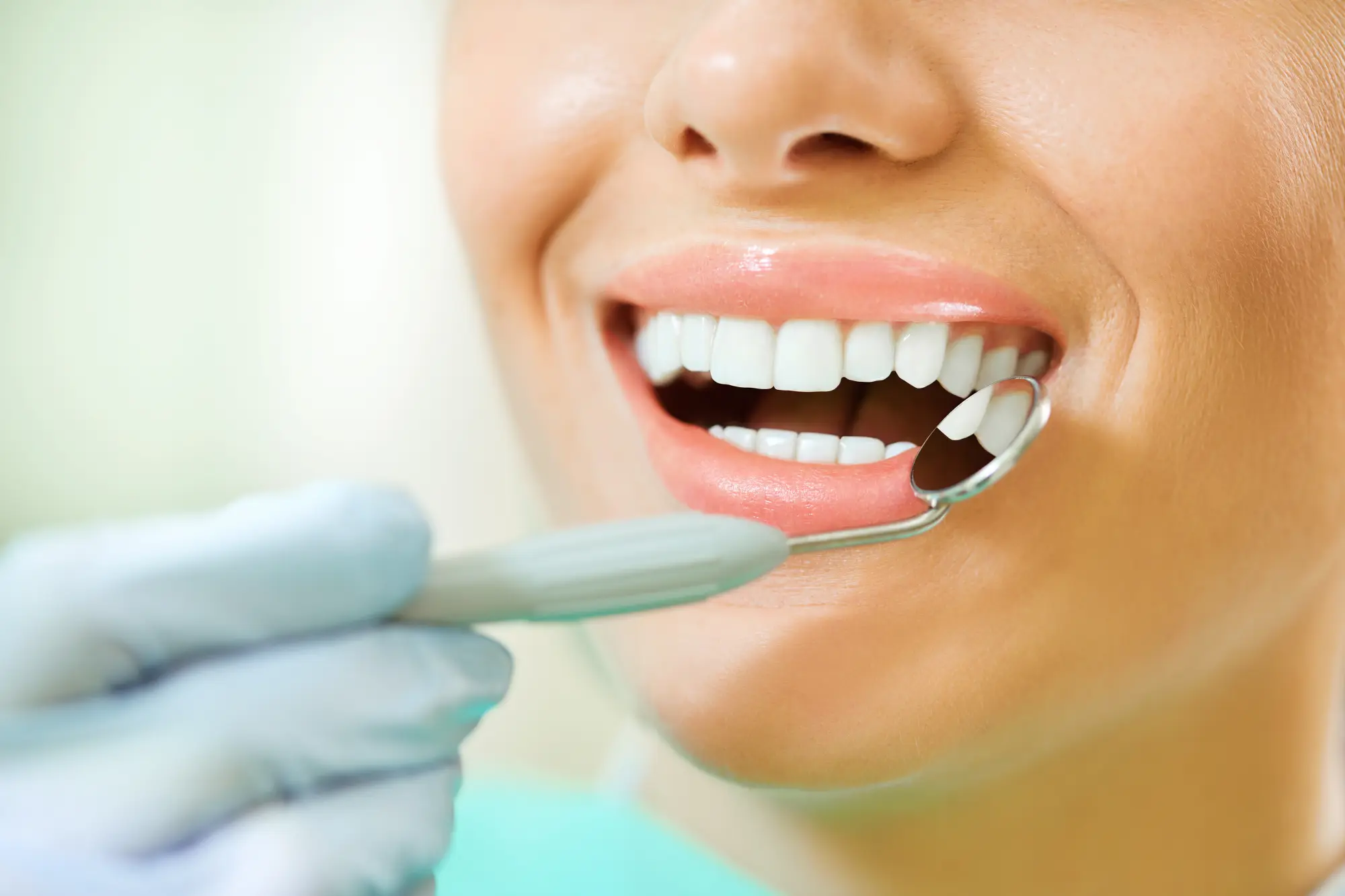
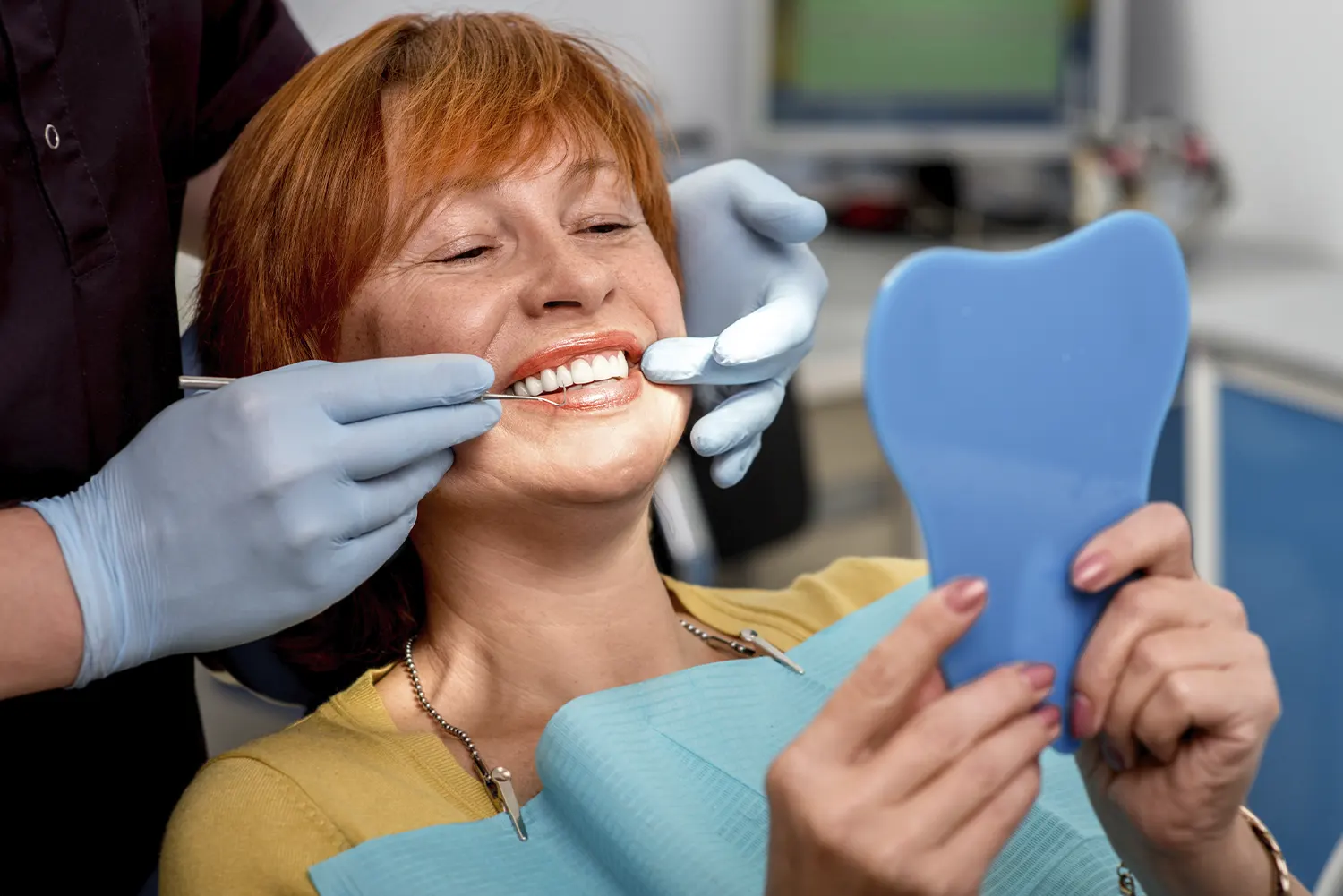
The core of a hygiene appointment involves a process called scaling, where specialized tools are used to carefully remove tartar buildup. A dental hygienist uses instruments designed to effectively snap the hardened calculus off the enamel without damaging the tooth. While the scraping sound is distinct and can be surprising, the procedure is performed with a gentle touch to ensure the removal is thorough yet comfortable.
Polishing for that "Squeaky Clean" Feel
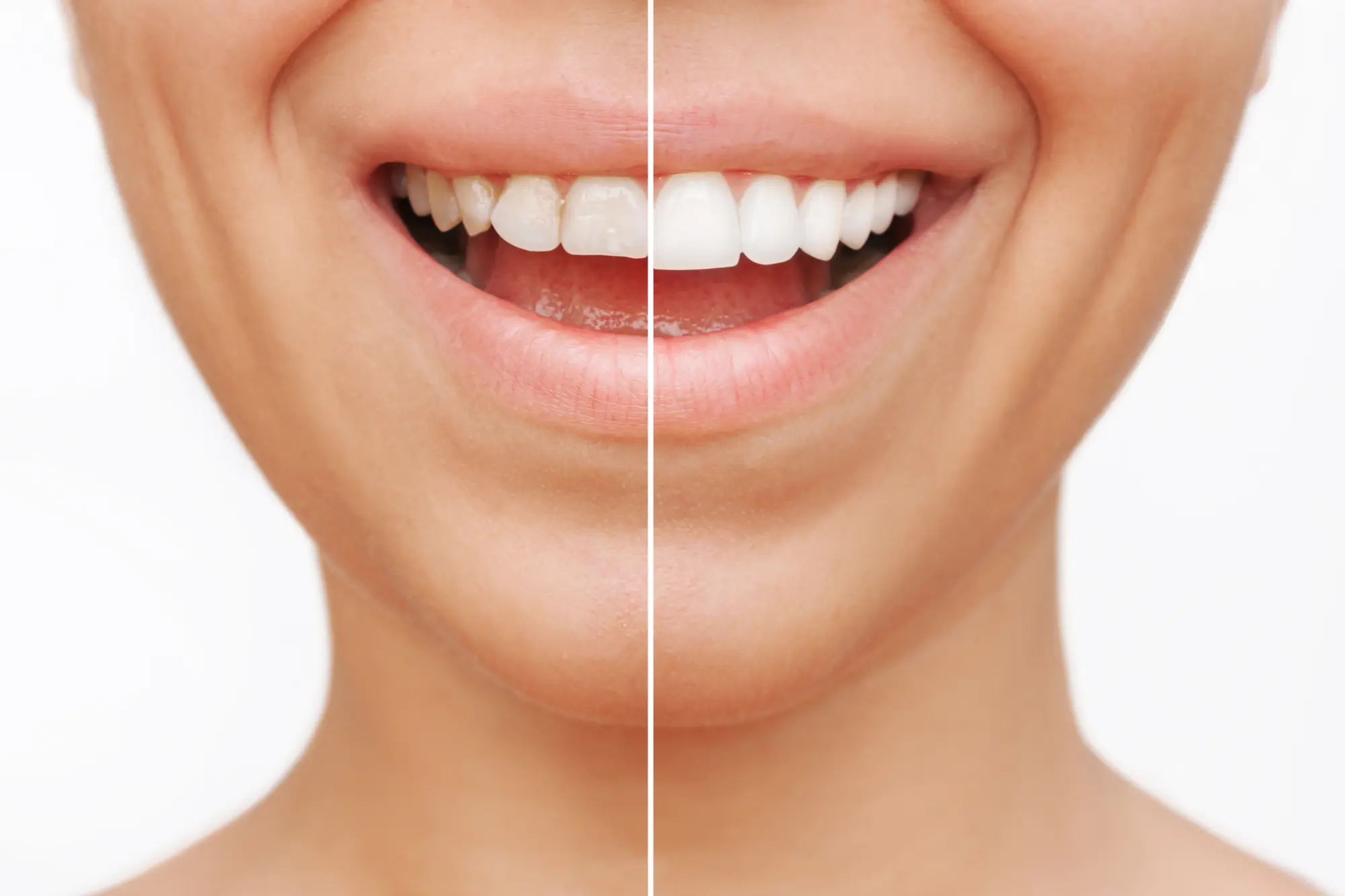
Once the hard tartar is removed, the next step is polishing the teeth to remove surface stains and any remaining plaque. A high-powered electric brush is used in combination with a special gritty toothpaste. This process gently buffs the enamel, leaving the surface of the teeth feeling incredibly smooth and looking brighter, which also makes it harder for new plaque to attach immediately.
Expert Flossing and Fluoride
The final steps of the cleaning involve expert flossing and often a fluoride application. The hygienist flosses between every tooth to remove any lingering debris and to check for tight contacts or rough spots that might catch food. Following this, a fluoride treatment may be applied to help remineralize the enamel, strengthening the teeth and providing an extra layer of protection against future acid attacks for several months.
Beyond the Cleaning: The Value of Exams
Checking Gum Pockets
A comprehensive dental hygiene visit always includes "probing," which is a diagnostic method used to check the health of your gums. The hygienist or dentist gently measures the depth of the space between your gums and teeth using a tiny ruler. These measurements help determine if the gums are healthy and tight against the teeth or if pockets have formed, indicating signs of detachment or early periodontal disease.
Oral Cancer Screenings
One of the most life-saving aspects of a dental visit is the oral cancer screening. During the exam, the dentist carefully checks the soft tissues of the mouth, including the tongue, lips, and cheeks, for any lumps, discolored patches, or abnormalities. This quick and painless check is vital for early detection, as catching changes in tissue early can significantly improve treatment outcomes.
Catching "Silent" Problems
Many dental issues, such as micro-cavities, cracked fillings, or early bone loss, do not cause pain in their initial stages. Through visual examinations and digital X-rays, dentists can spot these "silent" problems before they escalate. identifying these issues early often means less invasive and less expensive treatment options are available, saving you from future discomfort.
The Winn Smiles Standard: Hygiene with a Gentle Touch
Comfort-First Amenities
A cleaning appointment should feel like a break from your busy day, not a source of stress. The experience is redefined with a relaxed atmosphere and a focus on patient comfort. From the moment you arrive, amenities are available to help you unwind and feel at ease, ensuring that your time in the chair is as pleasant and calming as possible.
Advanced Ultrasonic Technology
Modern dentistry has moved beyond just manual scraping; advanced technology is used to make the process more efficient. Ultrasonic scalers are often utilized, which use high-frequency sound waves and a stream of water to break up tartar deposits. This method is generally faster and more comfortable than traditional hand scaling alone, providing a deep clean with less pressure on the teeth.
Education, Not Lectures
The goal of a dental visit is to partner with you for better health, not to scold you for missing a flossing session. A judgment-free approach is prioritized, focusing on education and helpful tips rather than lectures. You can expect a supportive environment where the team works with you to find realistic ways to improve your home care routine.
Your Role at Home: Maintaining the Results
Mastering the Two-Minute Brush
To keep plaque at bay between visits, proper brushing technique is essential. You should aim to brush for a full two minutes twice a day, ensuring you reach all surfaces of the teeth. Switching to an electric toothbrush can be highly beneficial, as the vibration disrupts plaque more effectively than manual brushing and often includes a timer to keep you honest about the duration.
Flossing: The Non-Negotiable Habit
Flossing is the only way to physically remove plaque from the tight spaces between teeth where a toothbrush simply cannot reach. This is the area where tartar often begins to form, making daily flossing a non-negotiable habit for oral health.
The Role of Mouthwash
Adding a therapeutic mouth rinse to your routine can provide an extra boost of protection. Antimicrobial mouthwashes help reduce the overall bacterial count in the mouth and can inhibit the accumulation of plaque. While it is not a substitute for brushing or flossing, swishing with a quality rinse helps keep breath fresh and reaches areas of the mouth that mechanical cleaning might miss.
Timing and Frequency: When to Schedule
The Six-Month Rule Explained
For most patients, scheduling a teeth cleaning service every six months is the standard recommendation to maintain optimal oral health. This timeframe is based on the rate at which plaque hardens into tartar and the time it takes for gingivitis to potentially develop. Regular biannual visits allow the dental team to break the cycle of buildup before it causes lasting damage to the gums or bone.
When You Might Need More
Some individuals may require more frequent visits to maintain a healthy smile. Patients who are pregnant, undergoing orthodontic treatment with braces, or have a history of periodontal disease often benefit from cleanings every three to four months.
Overcoming "Dental Procrastination"
If it has been longer than six months—or even years—since your last visit, do not let embarrassment keep you away. It is never too late to get back on track with your dental health. Dental teams are there to help you move forward from where you are today, providing a fresh start for your smile regardless of how much time has passed.
Your Partner in Oral Wellness
Regular professional cleanings are the cornerstone of a healthy smile. They prevent the progression from invisible plaque to hardened tartar, stopping gum disease in its tracks before it can affect your systemic health. By combining diligent home care with professional maintenance, you save yourself time, money, and discomfort in the long run.
Remember, a professional cleaning is a collaboration designed to support your overall wellness. Your dental team is ready to provide the gentle care and support you need to keep your smile bright and functional for years to come. If you are ready to reclaim that smooth, squeaky-clean feeling, reach out today to book your next hygiene appointment. A fresh, healthy smile is just a phone call away.
Winn Smiles - Cleveland
https://maps.app.goo.gl/T2WzhZS2SUre9taH6
148 Stuart Crossing NW, Cleveland, TN 37312, United States
(423) 894-5607
https://www.winnsmiles.com/