You wake up tired. You push through work with brain fog, reach for more coffee, and wonder why a full night in bed still feels like no rest at all. Maybe your partner says you snore. Maybe you live alone and only know that you keep waking up dry-mouthed, restless, or exhausted.
A lot of adults in Chattanooga and Cleveland deal with this for years without realizing there may be a real medical reason behind it. Sleep apnea can feel confusing because it happens while you're asleep, but its effects show up all day long. If you’ve been searching what causes sleep apnea in adults, the short answer is this: something is either blocking your breathing during sleep, or the body’s breathing signals aren’t staying steady.
Tired of Being Tired? Your Local Guide to Understanding Sleep Apnea
Some people notice the problem because they nod off on the couch every evening. Others feel irritable, unfocused, or strangely drained by midmorning. I've also seen adults who assume they’re “just getting older,” when in reality, their sleep keeps getting interrupted over and over through the night.
That’s what makes sleep apnea so frustrating. You may be in bed for plenty of hours and still never reach the kind of deep, restorative sleep your body needs. The result can be poor concentration, morning headaches, dry mouth, and the nagging sense that something is off.
Why this feels so hard to pin down
Sleep problems are easy to dismiss because they don’t always look dramatic. Not everyone notices loud choking or gasping. Some people only notice subtle clues:
- Daytime fatigue that doesn’t match how long you slept
- Frequent waking without a clear reason
- Morning headaches or waking with a sore throat
- Trouble focusing at work or while driving
- Mood changes such as irritability or low patience
A practical truth: Being tired all the time is common, but it isn’t something you should just accept.
For some adults, body weight plays a major role. If that’s part of your picture, learning about broader treatment support can help. This guide to GLP-1 medications for sleep apnea gives a useful overview of how weight-related treatment may fit into sleep apnea care.
A dental perspective most people don’t hear
Many people are surprised to learn that dentists often notice airway and jaw patterns that relate to sleep apnea. The mouth, jaw position, tongue space, and airway all connect. That means a dental exam can sometimes reveal why sleep feels so broken, especially when the issue involves a crowded or collapsing airway.
In Chattanooga, that matters because people often start by searching for a dentist near me only after they’re already struggling with fatigue, grinding, dry mouth, or disrupted sleep. A careful dental evaluation can help connect those dots in a way that feels clear instead of overwhelming.
What Exactly Is Sleep Apnea? A Look at the Two Main Types
Sleep apnea means repeated pauses or reductions in breathing during sleep. Each time breathing drops off, the body has to react. That can pull you out of deeper sleep, lower oxygen levels, and keep the night from being fully restful.
A simple way to understand it is to think about airflow like water moving through a system. In one type, the passage is physically narrowed or blocked. In the other, the control signal itself is inconsistent.

Obstructive sleep apnea
Obstructive sleep apnea, often shortened to OSA, happens when the throat airway narrows or closes during sleep. The brain is still trying to breathe, but air can’t move well because the passage is blocked.
Think of OSA like a garden hose that gets pinched. Water still wants to flow, but the path is too tight. In the body, that “pinch” may come from soft tissue, tongue position, jaw structure, or extra tissue around the airway.
If you want to compare your symptoms with common warning signs, this overview of signs you have sleep apnea is a helpful next read.
Central sleep apnea
Central sleep apnea, or CSA, is different. The airway may be open, but the brain’s breathing control system doesn’t send steady signals to the breathing muscles during sleep.
That’s more like a faucet being turned on and off at the wrong times. The plumbing isn’t the main issue. The control signal is.
Why the difference matters
These two types can feel similar from the outside because both disturb sleep and leave people exhausted. But the cause matters because treatment should match the reason breathing is breaking down.
Here’s a simple comparison:
| Type | Main problem | Plain-language example |
|---|---|---|
| OSA | Physical blockage or collapse of the airway | A hose gets pinched |
| CSA | Unstable breathing signals from the brain | A faucet turns on and off incorrectly |
Some adults have more than one factor at the same time, which is why a good evaluation matters so much.
The Physical Causes Behind Obstructive Sleep Apnea
Obstructive sleep apnea is the form most adults think of when they hear “sleep apnea.” In this type, the airway becomes too narrow during sleep and collapses enough to interrupt breathing. The body keeps trying to pull air in, but the passage behind the tongue and soft palate doesn’t stay open.
That can sound mysterious until you break it into physical causes. In most cases, OSA happens because the airway is already somewhat tight, and then sleep relaxes the tissues enough for that narrow space to close.

Weight and neck size
The biggest modifiable driver is obesity. According to StatPearls, obesity is the leading modifiable risk factor for obstructive sleep apnea, and a neck circumference greater than 17 inches in men or 16 inches in women is linked with higher risk because extra tissue around the throat can narrow the airway.
This is one reason sleep apnea often has a strong mechanical component. More tissue around the neck and throat can make the breathing passage smaller before sleep even begins. Once the throat muscles relax at night, that tighter space is more likely to collapse.
For adults who are addressing this from both angles, airway treatment and weight support may work well together. If you’re exploring that side of care, this guide to medical weight loss programs gives a practical overview of what those programs involve.
Anatomy matters too
Not everyone with OSA has the same body type. Some adults develop sleep apnea because of how their mouth, jaw, and throat are built.
Common anatomical contributors include:
- A smaller lower jaw that leaves less room for the tongue
- A recessed chin or jaw position that lets the tongue fall backward more easily
- A larger tongue or bulky soft tissue in the back of the mouth
- Large tonsils or related throat crowding that reduce airflow space
A person can be slim and still have a crowded airway. That’s one reason dental exams can be so useful. Dentists look directly at the structures that influence how open or restricted the airway may be.
Sleep position, age, and airway relaxation
Sleep changes muscle tone. As you drift off, the tissues that help hold the airway open relax. If the airway is already narrow, that relaxation can be enough to trigger repeated blockage.
A few factors make that more likely:
| Factor | How it contributes |
|---|---|
| Sleeping on the back | Soft tissue and the tongue can fall backward |
| Alcohol or sedatives | They can relax throat muscles more than usual |
| Age | Natural tissue tone can decrease over time |
| Smoking | Airway irritation can add swelling and inflammation |
Practical rule: If breathing improves when the jaw moves slightly forward, that often points to a structural airway problem rather than a simple “snoring issue.”
Why this matters in Chattanooga and Cleveland
Adults in this area often think of snoring as only a nuisance. But if the underlying issue is airway collapse, snoring may be the sound of restricted airflow rather than the whole problem.
That’s why the question what causes sleep apnea in adults often leads back to airway shape, soft tissue, and jaw position. A local dental evaluation can help determine whether the mouth and jaw are part of the reason breathing keeps getting disrupted.
When the Brain Is the Cause Central Sleep Apnea Explained
Central sleep apnea works differently. The airway is not the main problem. The issue is that the brain’s respiratory control system becomes unstable during sleep, so breathing effort fades in and out.

That can be hard to picture, so here’s the simplest way to think about it. In obstructive apnea, the body tries to breathe against a blocked passage. In central apnea, the message to breathe isn’t staying steady enough in the first place.
Who is more likely to have it
According to the American College of Osteopathic Family Physicians journal article on causes, symptoms, and management of sleep apnea, central sleep apnea makes up 5% to 10% of adult cases, is present in 30% to 50% of patients with systolic heart failure, and the risk is quadrupled in chronic opioid users.
Those numbers tell us something important. CSA is less common than obstructive sleep apnea, but it deserves careful attention because it’s often tied to other medical conditions.
Common causes behind CSA
A few patterns raise concern for central sleep apnea:
- Heart failure, especially when breathing control becomes unstable during sleep
- Chronic opioid use, which can suppress normal breathing drive
- Neurologic illness or stroke, which may affect breathing regulation
- Mixed patterns, where a person has both central and obstructive features
This short video gives a good visual explanation of how breathing control can become disrupted:
Why diagnosis has to be precise
CSA isn’t something a person can diagnose based on snoring alone. A proper sleep study is usually needed to tell whether breathing pauses are caused by blockage, unstable signaling, or a mix of both.
When the brain is part of the problem, the safest treatment plan usually involves coordination between sleep medicine, medical care, and dental screening if airway anatomy is also involved.
That’s why adults with fatigue, disrupted sleep, medication risk factors, or heart issues shouldn’t assume all apnea is the same.
How Your Chattanooga Dentist Can Treat Sleep Apnea
A lot of people don’t realize a dentist may play a meaningful role in sleep apnea care. If the problem involves airway narrowing, jaw position, tongue space, or the way the lower jaw falls back during sleep, dental treatment can help manage the obstruction.
For many adults, the key dental option is oral appliance therapy. This is a custom-made device worn during sleep that gently repositions the jaw to help keep the airway more open.

How an oral appliance helps
When the lower jaw sits slightly forward, the tongue and soft tissues often move forward with it. That creates more room in the back of the throat and can reduce airway collapse during sleep.
Many patients like this approach because the device is:
- Custom fit, rather than one-size-fits-all
- Quiet, with no machine noise
- Portable, which is helpful for travel
- Simple to wear, especially for people who struggle with bulkier options
If you’d like a more detailed look at how this works, this page on sleep apnea oral appliance therapy explains the treatment in patient-friendly language.
The overlooked connection in women
One of the most important things I want women to know is that sleep apnea doesn’t always look the way people expect. According to Stanford Lifestyle Medicine, sleep apnea is significantly underdiagnosed in women, especially during and after menopause, because symptoms often show up as fatigue and insomnia rather than loud snoring, and post-menopausal women face equal prevalence rates to men but receive far less treatment.
That matters because many women never get evaluated. They may think they’re dealing with stress, poor sleep habits, burnout, or hormonal changes alone, when sleep apnea is part of the picture.
What a dentist looks for
A sleep-focused dental exam may look at several airway-related clues:
| Dental finding | Why it matters |
|---|---|
| Jaw position | A retruded lower jaw can reduce airway space |
| Tongue room | Limited space may encourage airway crowding |
| Tooth wear or clenching | These can appear alongside sleep-related breathing issues |
| Soft tissue crowding | The back of the mouth may show signs of restriction |
A dentist won’t replace a physician or a sleep study. But when the cause is obstructive, the dental side of treatment can be the piece that makes relief possible.
Why local dental care matters
In Chattanooga, people often begin by searching for a dentist in Chattanooga, TN because they already know something feels wrong. They may notice snoring, dry mouth, poor sleep, headaches, or jaw tension. When those signs connect to a narrow airway, a local dentist with experience in oral appliance therapy can help turn vague symptoms into a practical next step.
What to Expect During Your Sleep Apnea Consultation at Winn Smiles
Many adults put off an evaluation because they’re worried the visit will feel intimidating or overly clinical. In reality, a sleep apnea consultation should feel like a guided conversation, not a test you have to “pass.”
You’ll talk about what’s been happening at night and during the day. That may include snoring, dry mouth, frequent waking, morning headaches, fatigue, trouble focusing, or a partner noticing breathing pauses.
The first part of the visit
The appointment usually starts with listening. That matters more than people think, because the pattern of symptoms often tells us whether airway obstruction might be involved.
Then comes a focused exam. In a dental setting, that may include your bite, jaw position, tongue space, soft tissue crowding, and signs of tooth wear that sometimes show up when sleep is poor.
A good consultation should leave you feeling clearer than when you arrived. You should understand what may be happening and what the next step is.
Why evaluation matters so much
Sleep apnea is common and often missed. The Mayo Clinic sleep apnea overview notes that global adult obstructive sleep apnea prevalence estimates range from 9% to 38%, that over 40% of adults in the US have obesity, and that 80% to 90% of sleep apnea cases remain undiagnosed.
That underdiagnosis is a big reason people spend years treating only the symptoms. They chase fatigue, headaches, poor concentration, and restless sleep without identifying the disrupted breathing behind them.
What happens after the exam
From there, the next step depends on your situation. Some patients need a sleep study or medical referral to confirm the diagnosis. Others already have a diagnosis and want to know whether a custom oral appliance could help.
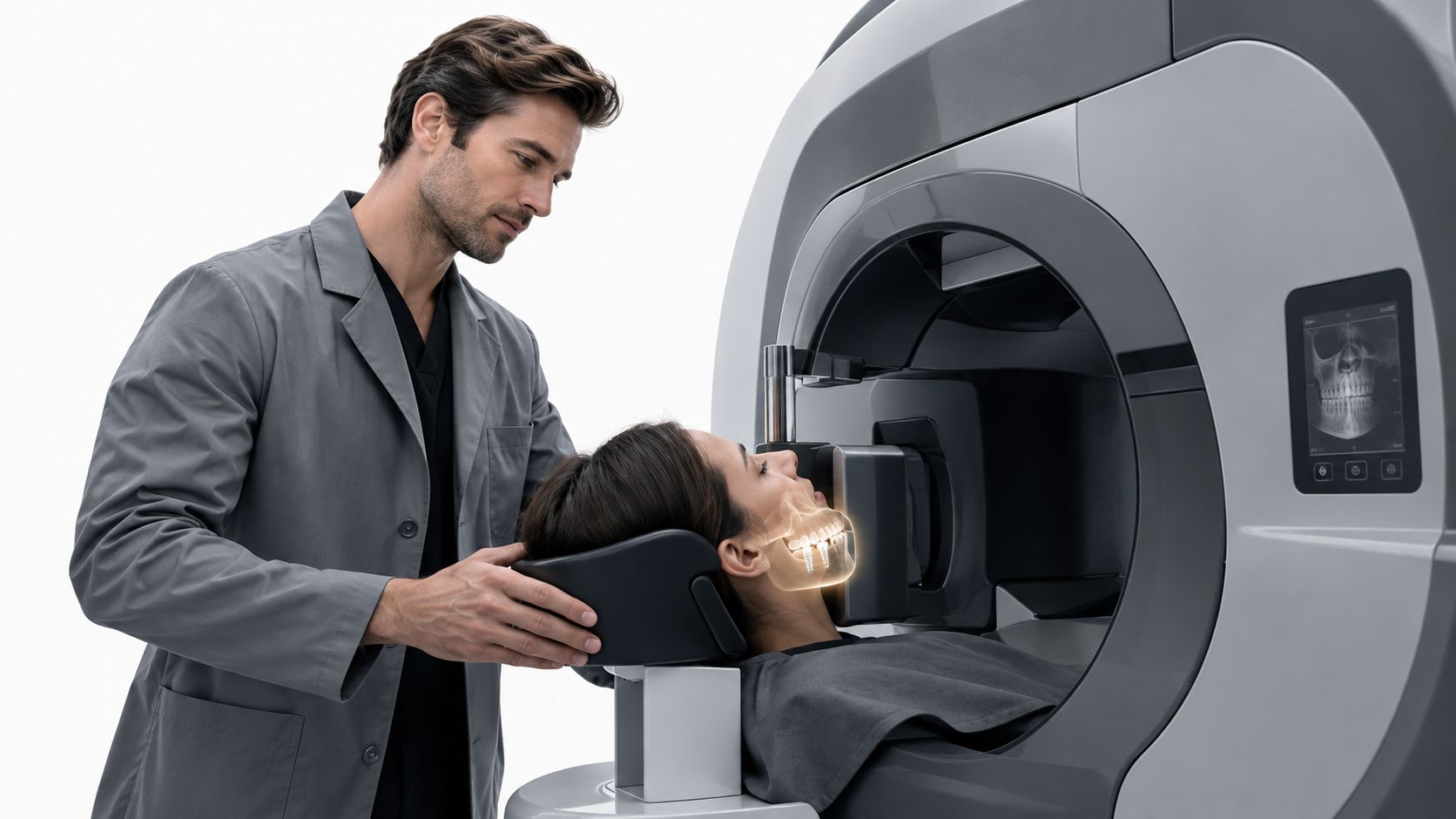
You can also expect a clear explanation of whether your mouth and jaw anatomy appear to be contributing to airway narrowing. If oral appliance therapy is a good fit, digital scanning can help create a precise appliance without the mess and discomfort many people expect from older impression methods.
For adults who also need broader dental care, it helps to know that the same office may support routine dental care, cleaning and exams, dental x-rays, new patient exams, and treatment planning in one familiar place.
Take the First Step Toward Restful Sleep in Chattanooga and Cleveland
Persistent exhaustion isn’t something you should have to normalize. If you’ve been wondering what causes sleep apnea in adults, the answer often comes down to one of two problems: airway blockage or unstable breathing signals. Both are real. Both deserve proper evaluation. And many people feel better once they finally know which issue they’re dealing with.
The most important step is not guessing. If you’re snoring, waking unrested, grinding your teeth, dealing with dry mouth, or struggling with unexplained fatigue, it makes sense to get checked. The cause may be more treatable than you think.
Reasons people seek help now
- They’re exhausted every day and don’t know why
- A partner notices breathing pauses or loud snoring
- They want an alternative to CPAP
- They’re looking for a dentist near me in Chattanooga or Cleveland who understands sleep-related airway issues
A thoughtful dental evaluation can help identify whether jaw position, tongue space, or a narrow airway may be part of the problem. That’s especially helpful for adults who want answers in plain language and a treatment plan that feels realistic.
If you’re in Chattanooga, Cleveland, or nearby service areas, you don’t have to keep pushing through poor sleep and hoping it improves on its own. Getting evaluated is a practical first move toward better rest, better energy, and better overall health.
If you're ready to stop guessing and start getting answers, Winn Smiles offers compassionate, modern care for patients in Chattanooga and Cleveland, TN. You can schedule a sleep apnea consultation to discuss your symptoms, learn whether oral appliance therapy may help, and take a clear next step toward more restful sleep.