What is sleep apnea? It's a serious sleep disorder where breathing repeatedly stops and starts during the night, and it affects an estimated 936 million adults worldwide at AHI 5 or more, including about 425 million adults with moderate-to-severe disease at AHI 15 or more. If you wake up tired after a full night in bed, snore loudly, or hear a partner mention pauses in your breathing, that tired feeling may be more than bad sleep.
For many people in Chattanooga and Cleveland, TN, the first clue isn't dramatic. It's the slow buildup of exhaustion, morning grogginess, dry mouth, or headaches that keep coming back. Those symptoms can point to a treatable airway problem, and a local dentist often helps spot the pattern early.
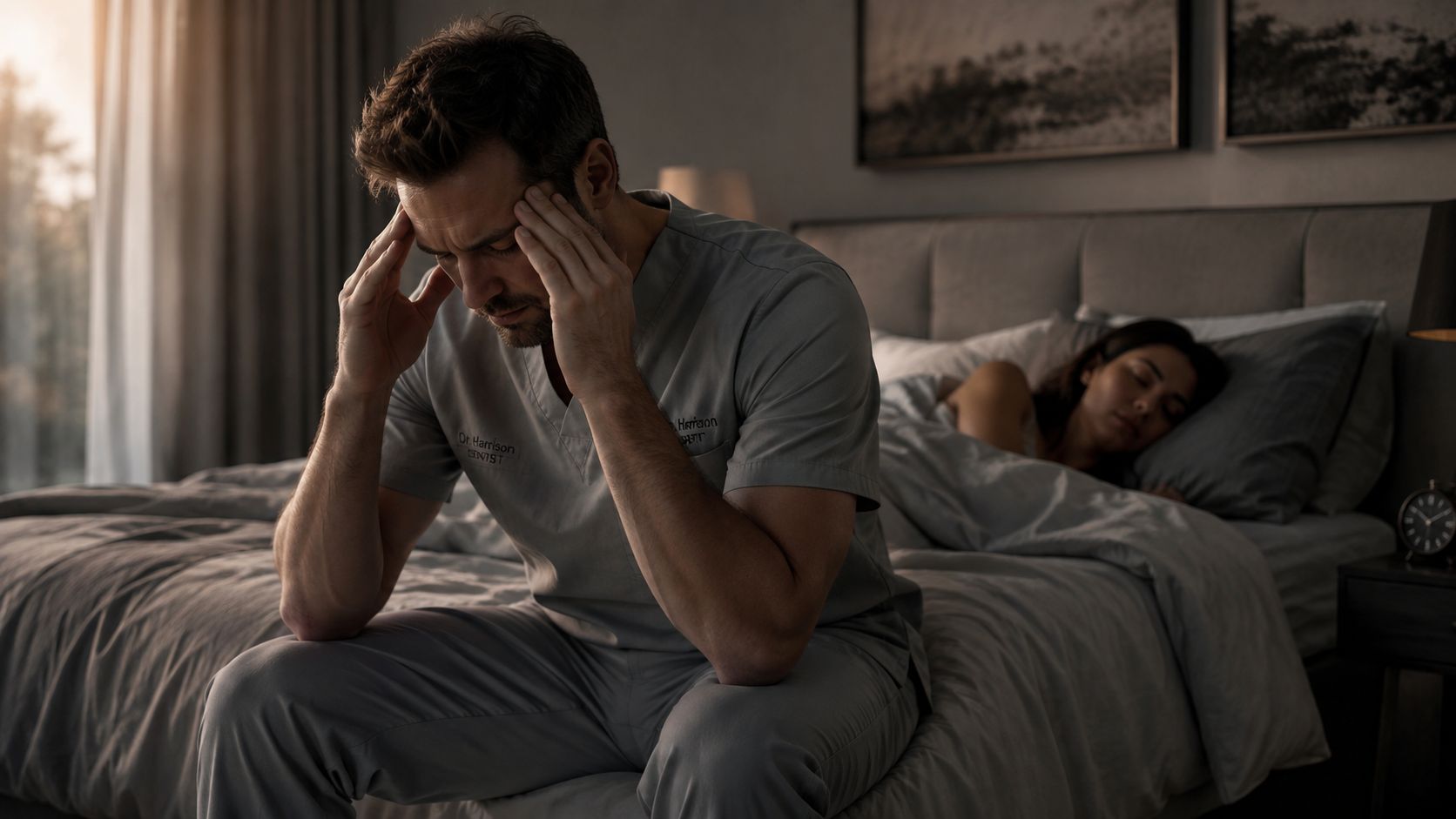
Recognizing the Signs of Poor Sleep in Chattanooga
A lot of patients describe the same scene. They sleep for hours, but they still wake up drained, foggy, and irritable. Their spouse mentions loud snoring, or they notice they need extra coffee just to function through the morning.
That pattern matters because poor sleep can be a sign of sleep apnea, not just stress or a busy schedule. A helpful starting point is to compare your symptoms with a sleep restoration explained resource, then ask whether your nights are being interrupted in a way your body can't fully recover from. If that sounds familiar, Winn Smiles has a patient-focused overview in its signs you have sleep apnea guide.
The symptoms people brush off
Many people ignore the warning signs because they develop slowly. Loud snoring can seem harmless, morning headaches can feel like dehydration, and daytime sleepiness can look like overwork.
Practical rule: If sleep keeps feeling unrefreshing even when your schedule is normal, it's worth looking past the bedtime routine and asking what's happening to your breathing.
Common clues include:
- Loud snoring: Often noticed first by a partner, not the person sleeping.
- Waking with a dry mouth: Breathing through the mouth overnight can leave you parched.
- Morning headaches: These can show up after repeated breathing disruptions.
- Daytime fatigue: You may feel mentally slow even after a full night in bed.
- Trouble concentrating: Poor sleep can make work, driving, and family life harder.
A compassionate dentist doesn't start with assumptions. In Chattanooga or Cleveland, the right first step is a careful conversation about sleep habits, snoring, and any signs that your airway may be narrowing at night. That's how a dental visit becomes more than a checkup, it becomes a clue to the underlying problem.
Understanding Obstructive vs Central Sleep Apnea
Sleep apnea isn't one single condition. The two main types behave very differently, and knowing the difference helps explain why a dentist can play such an important role in care.
When the airway is blocked
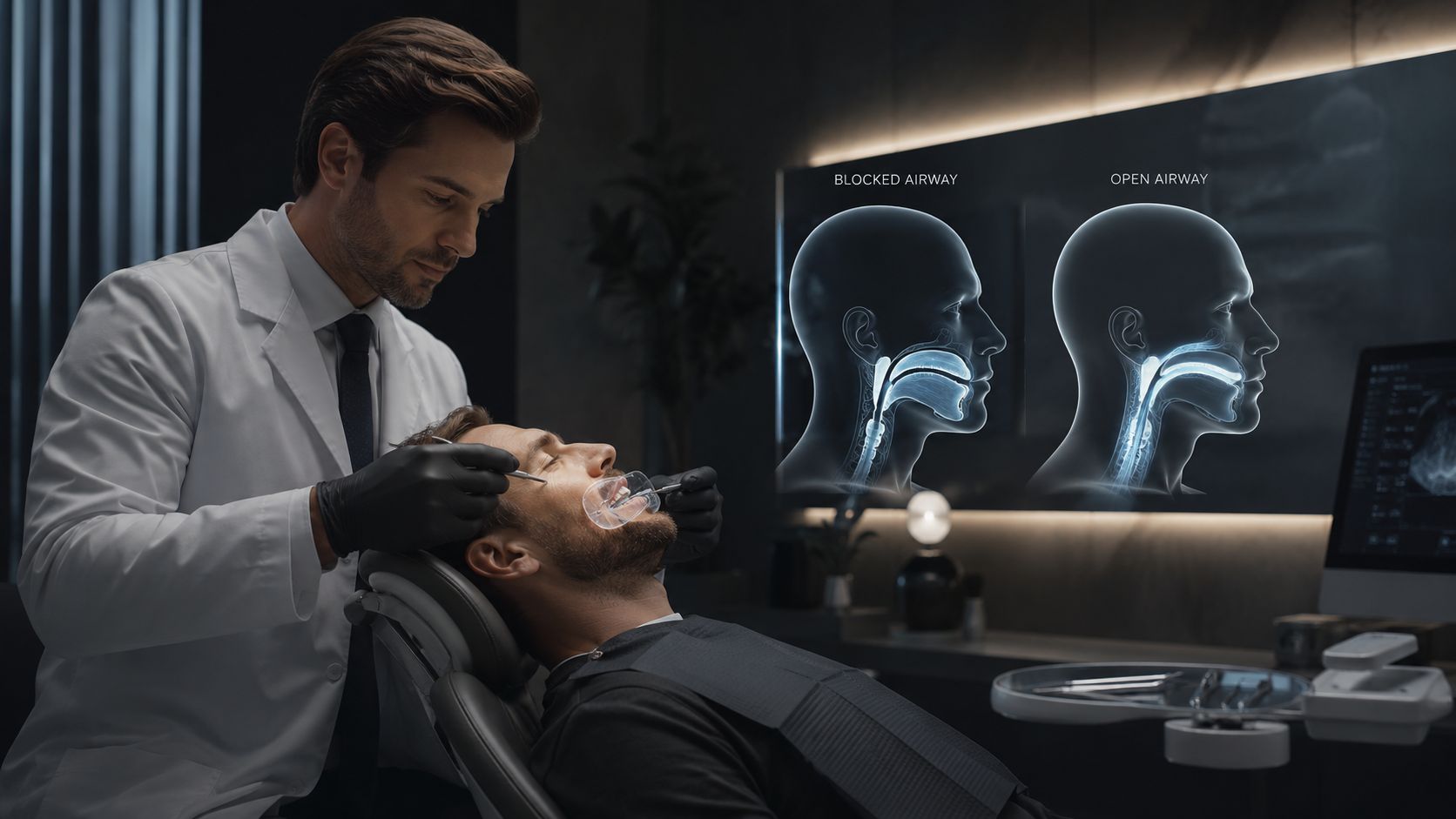
Obstructive sleep apnea, or OSA, happens when the airway collapses during sleep. The issue is mechanical, like a soft hose being pinched shut. Soft tissue in the back of the throat relaxes, the airway narrows, and breathing becomes harder or stops for short periods.
The core problem is upper-airway collapse, not just snoring. Research describes OSA as a pressure-flow problem in a collapsible tube, where airway muscles and anatomy can no longer keep the passage open during sleep. That's why jaw position, tongue space, and soft-tissue crowding matter so much in dental treatment. A guide to sleep apnea symptoms can help readers connect those symptoms to the clinical picture.
When the signal fails
Central sleep apnea, or CSA, works differently. The airway isn't blocked, but the brain doesn't send the right breathing signal. A technical explanation from sleep medicine literature describes this as a brainstem-drive disorder, which means the inhale command never arrives even though the airway itself may be open.
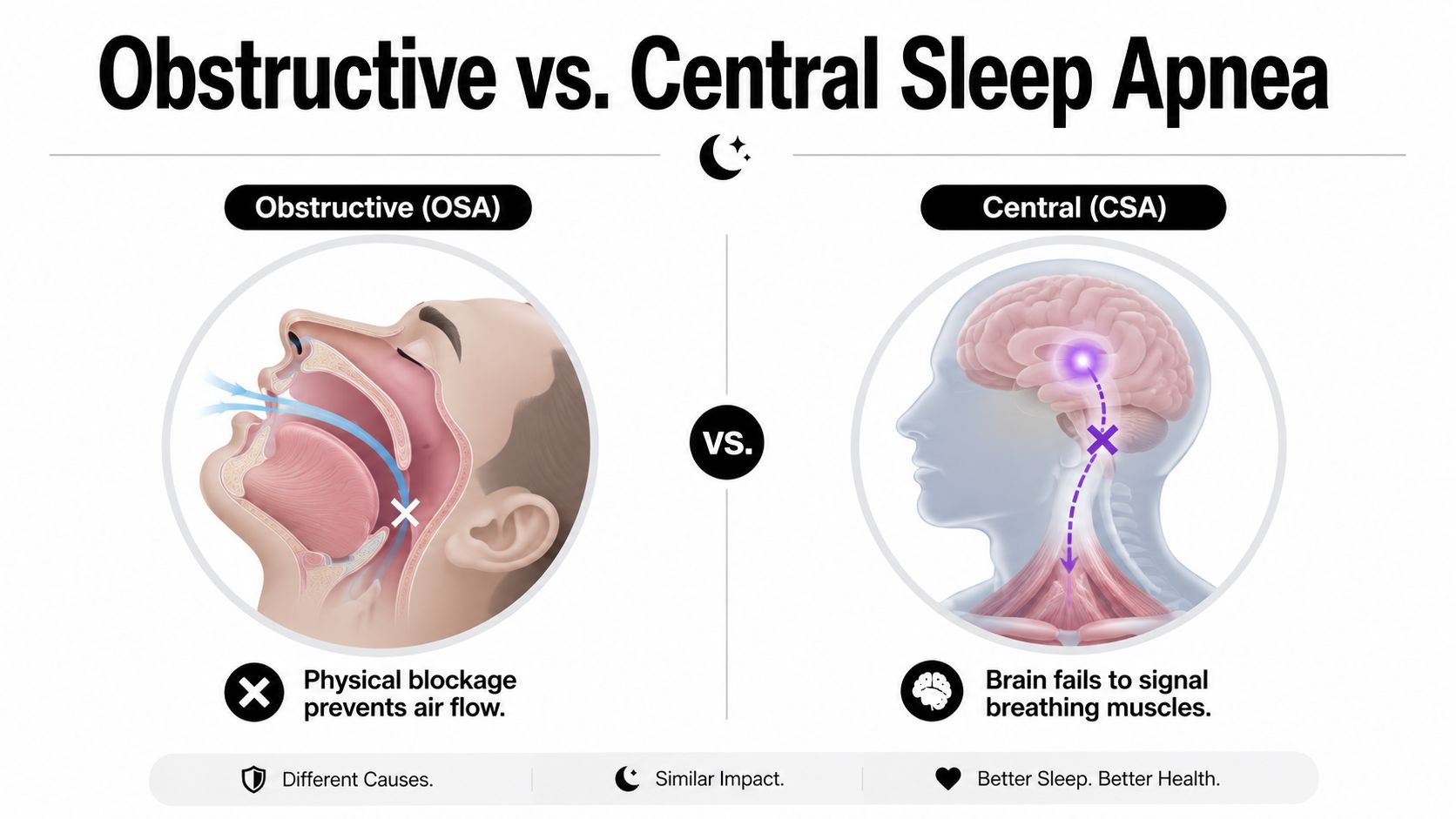
That difference matters in real life. OSA often responds to treatments that improve airway patency, while CSA needs a separate medical workup and a different plan. For most dental patients asking what is sleep apnea, the key point is simple, the cause tells you the treatment.
A dentist can help when the issue is structural, especially if the jaw, tongue, or throat anatomy is part of the problem.
Risk Factors and the Hidden Impact on Your Health
Sleep apnea can affect people who don't fit the stereotype. It isn't limited to overweight men, and it can be missed in women, non-obese adults, and racial or ethnic minorities. That matters because up to 80% to 90% of people with OSA may remain undiagnosed, with higher miss rates in underserved groups. Those numbers come from recent literature on underdiagnosis and access barriers, and they help explain why so many patients keep searching for answers long after symptoms begin.
What makes someone more likely to be affected
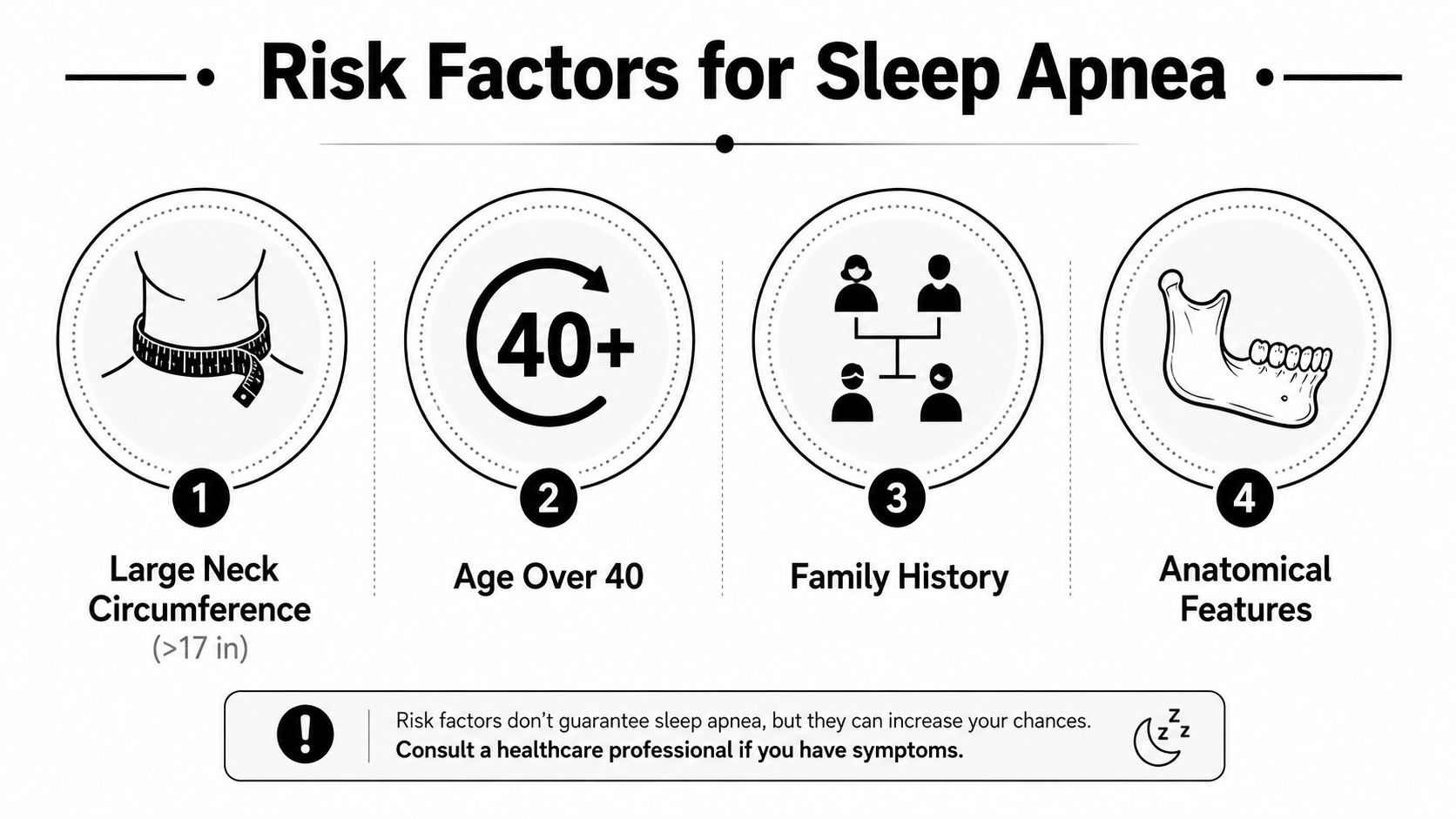
The biggest risk often comes down to anatomy and airway load. A smaller or more crowded airway, jaw structure, soft tissue around the throat, and a larger neck can all make collapse more likely during sleep. Age also plays a role, and family history can raise suspicion when the pattern shows up in more than one person.
The important clinical point is that OSA is not only about sleep quality, it can strain the whole body. Repeated breathing interruptions fragment sleep and can increase daytime sleepiness and cardiometabolic stress. That's why untreated sleep apnea is taken seriously in both medical and dental settings.
Why the hidden impact matters
A patient might come in thinking the only issue is snoring, but untreated apnea can affect energy, focus, and heart strain over time. Even when symptoms seem mild, the body may still be working hard every night to recover from repeated oxygen drops and sleep fragmentation.
For readers who want a deeper look at heart-related concerns, the article on sleep apnea heart failure risks gives helpful context. In the clinic, the bigger message is straightforward, poor sleep isn't always a lifestyle issue, and it's not something you should just “push through.”
Treatment Options Beyond the CPAP Machine
CPAP gets talked about the most, but it isn't the only option. Some patients do well with it, while others struggle with comfort, noise, or nightly consistency. When that happens, dental treatment can offer a practical alternative for the right kind of sleep apnea.
How oral appliance therapy works
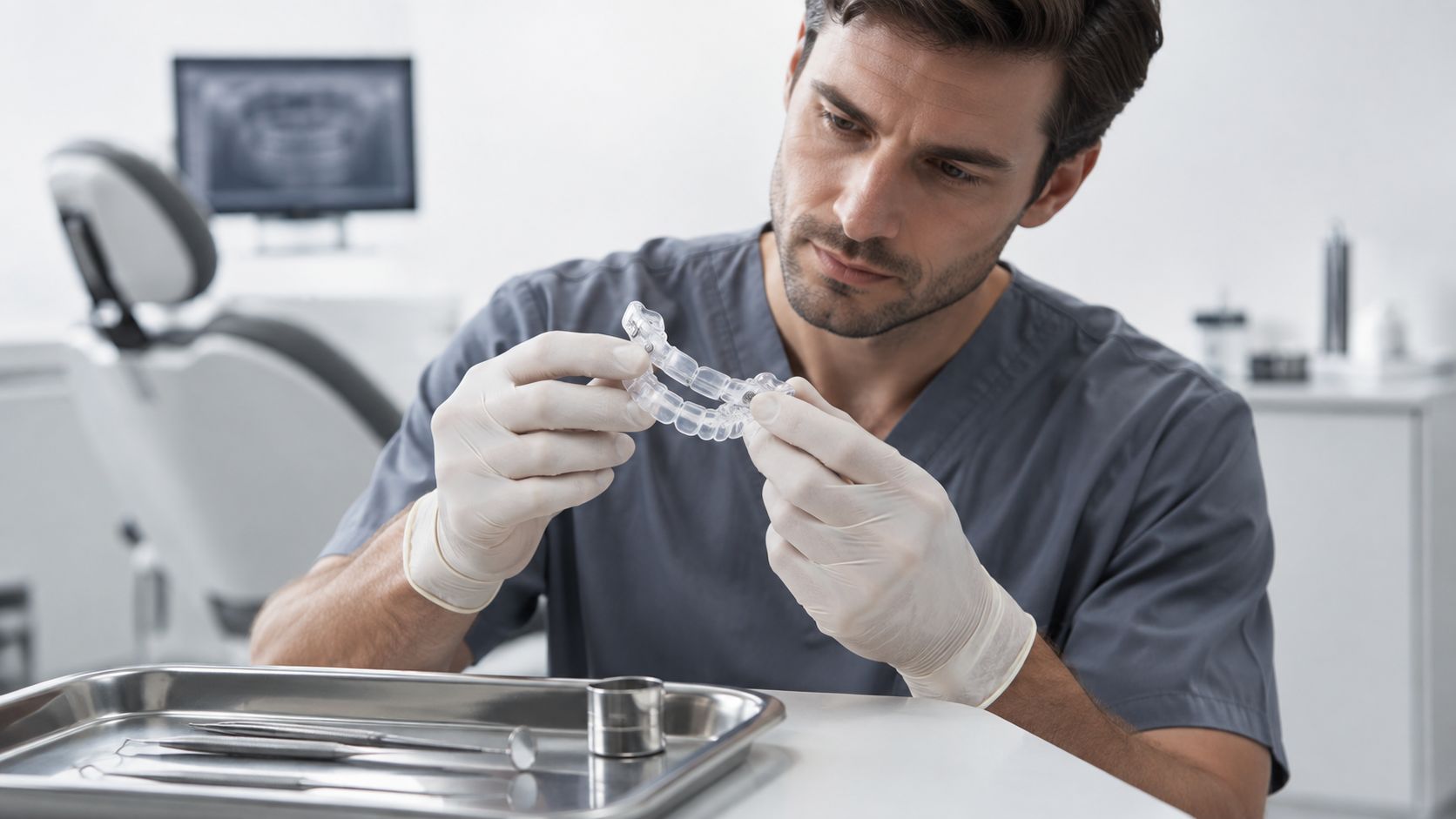
Oral appliance therapy uses a custom-fitted device worn during sleep. It gently repositions the jaw and helps keep the airway open, which targets the structural problem behind OSA. For many patients, that makes the device quieter and easier to travel with than a machine.
CPAP still has an important place in care, especially when apnea is more severe or when a sleep physician recommends it. But oral appliances are established options in the right candidates, and supportive habits like side-sleeping, reducing alcohol before bed, and weight management can complement treatment. A dentist may also coordinate with sleep medicine when a case needs more than one approach.
Here's a simple comparison:
- CPAP: Uses airflow pressure to hold the airway open.
- Oral appliance therapy: Uses jaw positioning to reduce collapse.
- Lifestyle support: Helps lower airway stress, but usually doesn't replace therapy on its own.
Good treatment matches the cause, not just the symptom. That's why the right solution depends on anatomy, severity, and what the patient can realistically wear every night.
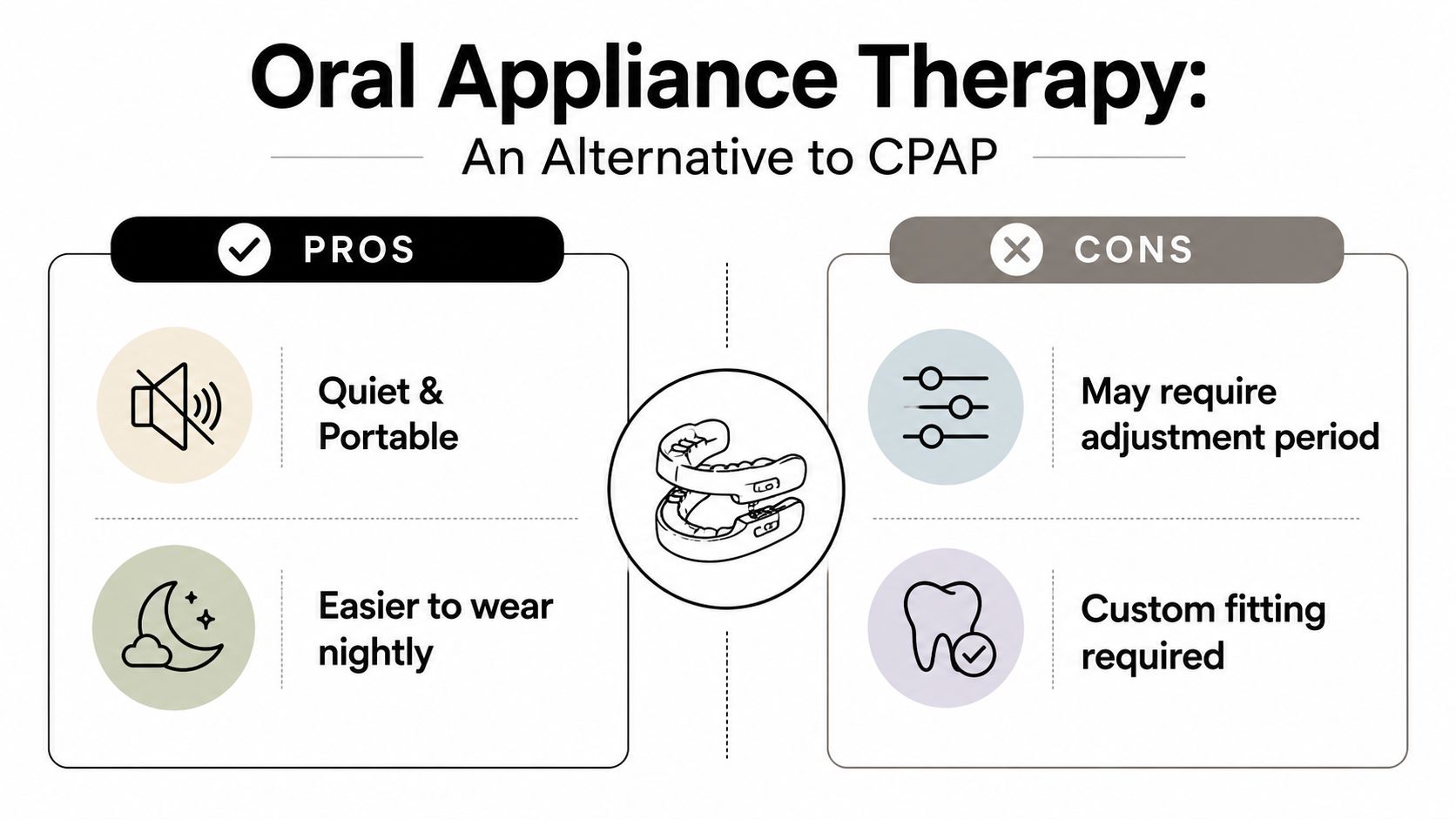
For some patients, Winn Smiles provides sleep apnea evaluations and custom oral appliances as part of care in Chattanooga and Cleveland, TN. That kind of treatment can be a strong fit when the problem is airway collapse and the patient wants a comfortable, dentist-guided option. If oral appliance therapy is the right match, it can be a life-changing bridge between diagnosis and better sleep.
Your Sleep Apnea Evaluation at Winn Smiles
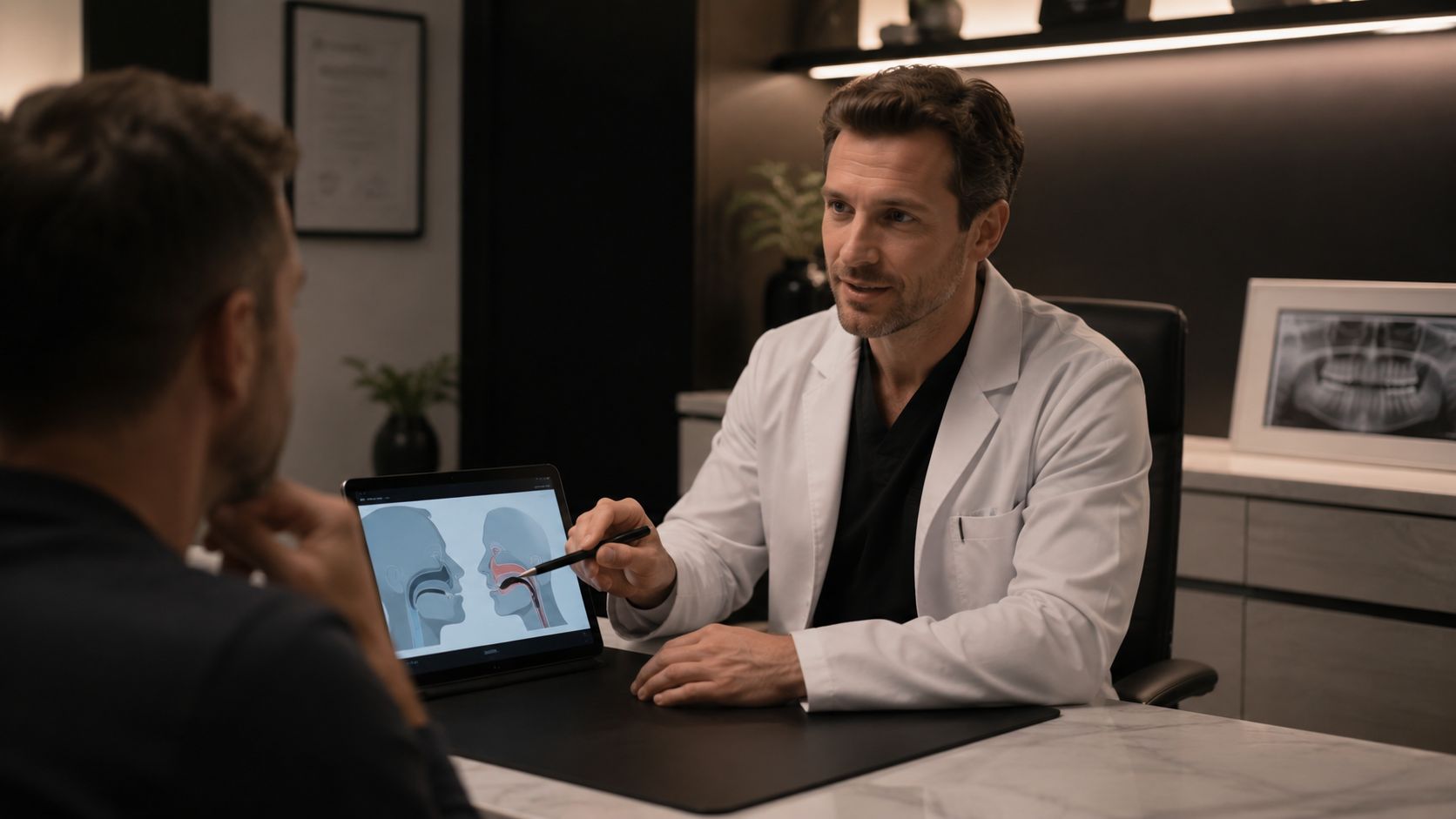
A good evaluation starts with a conversation, not a lecture. Patients usually describe their sleep, snoring, fatigue, dry mouth, and any breathing pauses they've noticed. From there, the dentist looks for signs that point toward airway narrowing and whether a dental solution makes sense.
What the visit usually covers
The visit is designed to feel clear and low-pressure. The team reviews symptoms and history, then talks through possible next steps in plain language. If the airway looks like a good fit for oral appliance therapy, the next phase is usually a custom impression or scan so the device can be made to fit properly.
A patient who's nervous about treatment often relaxes once they understand the process. A friendly, communicative office makes a big difference because it turns a confusing sleep problem into a plan with a beginning, middle, and end.
Why patients appreciate the dental approach
Sleep apnea care works best when it's personalized. Some patients want something travel-friendly, some need help after struggling with CPAP, and some want to know whether their jaw or mouth anatomy is part of the issue.
If you want a more detailed look at the process, Winn Smiles also explains sleep apnea dental treatment for patients who want to understand what happens before they commit. The right evaluation should leave you informed, not overwhelmed.
Frequently Asked Questions About Sleep Apnea
Can a dentist really help with sleep apnea?
Yes, for obstructive sleep apnea. Dentists trained in oral appliance therapy can help manage airway collapse by using a custom device that repositions the jaw during sleep. If the pattern suggests central sleep apnea, a sleep physician needs to direct care because the problem is different.
Is snoring always a sign of sleep apnea?
No, but it can be a warning sign. Snoring becomes more concerning when it's loud, frequent, or paired with pauses in breathing, morning headaches, dry mouth, or daytime fatigue.
What if I don't want to use a CPAP machine?
You still may have options. Some patients are candidates for oral appliance therapy, and others benefit from a combination of dental care, lifestyle changes, and medical follow-up.
When should I get checked?
If sleep keeps leaving you exhausted, or someone has noticed breathing pauses, it's time to ask for an evaluation. That's especially true if you're in Chattanooga or Cleveland and want a local dentist who can help you sort out the next step.
If you're tired of guessing why your sleep feels off, Winn Smiles can help you take the next step with a thoughtful sleep apnea evaluation and treatment options that fit real life. Visit Winn Smiles to schedule a consultation in Chattanooga or Cleveland, TN, and get clear answers about what's happening at night.