If you've been putting off the dentist because your heart races at the thought of the chair, the sounds, or even the smell of a dental office, you're not alone. Many adults in Chattanooga and Cleveland delay cleanings, tooth extraction, cosmetic dentistry, or even urgent care because fear makes the visit feel harder than the dental problem itself.
That fear can show up in different ways. Some people feel tense during a routine exam. Others avoid treatment until a toothache becomes an emergency. Some want dental implants near me or a cosmetic dentist near me, but worry they won't be able to stay calm long enough to finish the work. The good news is that dentists have several sedation options that can make care feel much more manageable.
When patients ask what sedation do dentists use, they usually aren't asking for a list of medications. They're really asking, "Will I feel safe?" "Will I be awake?" "Will I remember it?" and "Can I get through this without panic?" Those are the right questions.
Anxiety-Free Dentistry in Chattanooga and Cleveland TN
A lot of dental anxiety starts with one bad memory. It might have been a difficult filling years ago, a rushed appointment where no one explained what was happening, or a long gap in care that now feels embarrassing to bring up. Then a simple need, like a cleaning, a cracked tooth, or an emergency dentist visit, starts to feel overwhelming.
For some patients in Chattanooga or Cleveland, the pattern looks familiar. You notice a problem, tell yourself you'll call next week, then keep waiting. The concern gets worse, and so does the stress around making the appointment.

Why fear keeps people from treatment
Dental anxiety isn't always about pain. Sometimes it's about loss of control. You may worry that you won't be able to ask for a break, that you'll gag during treatment, or that you'll feel trapped once the procedure starts.
That's why sedation matters. It gives your dentist a way to match the visit to your comfort level. Instead of forcing your way through care, you can choose a level of relaxation that helps you stay calm and feel supported.
You don't have to "tough it out" to get dental care. A calmer visit is a normal part of modern dentistry.
Comfort can change the whole experience
Sedation can help with routine care, longer restorative visits, tooth extraction, and certain cosmetic or implant procedures. It can also help patients who have a strong gag reflex, trouble sitting still for long appointments, or a history of avoiding the dentist because of fear.
That patient-centered approach matters when you're searching for a dentist near me, a dentist in Chattanooga, TN, or a dentist in Cleveland, TN. You want a team that listens before treatment begins, explains your options in plain language, and helps you feel prepared instead of pressured.
For many people, the biggest relief comes from learning that sedation isn't one thing. It isn't automatically "being put to sleep." There are different levels, and each one serves a different kind of patient need.
Your Guide to Dental Sedation Levels
When dentists talk about sedation, they're usually describing a level of relaxation, not just a drug. That's an important distinction. Two patients can both say they're "sedated" and have very different experiences.
The easiest way to understand it is to think of sedation as a spectrum. On one end, you're fully awake but much calmer. Further along, you may feel sleepy and remember very little. At the deeper office-based end, you're extremely relaxed and closely monitored while still breathing on your own and responding when needed.
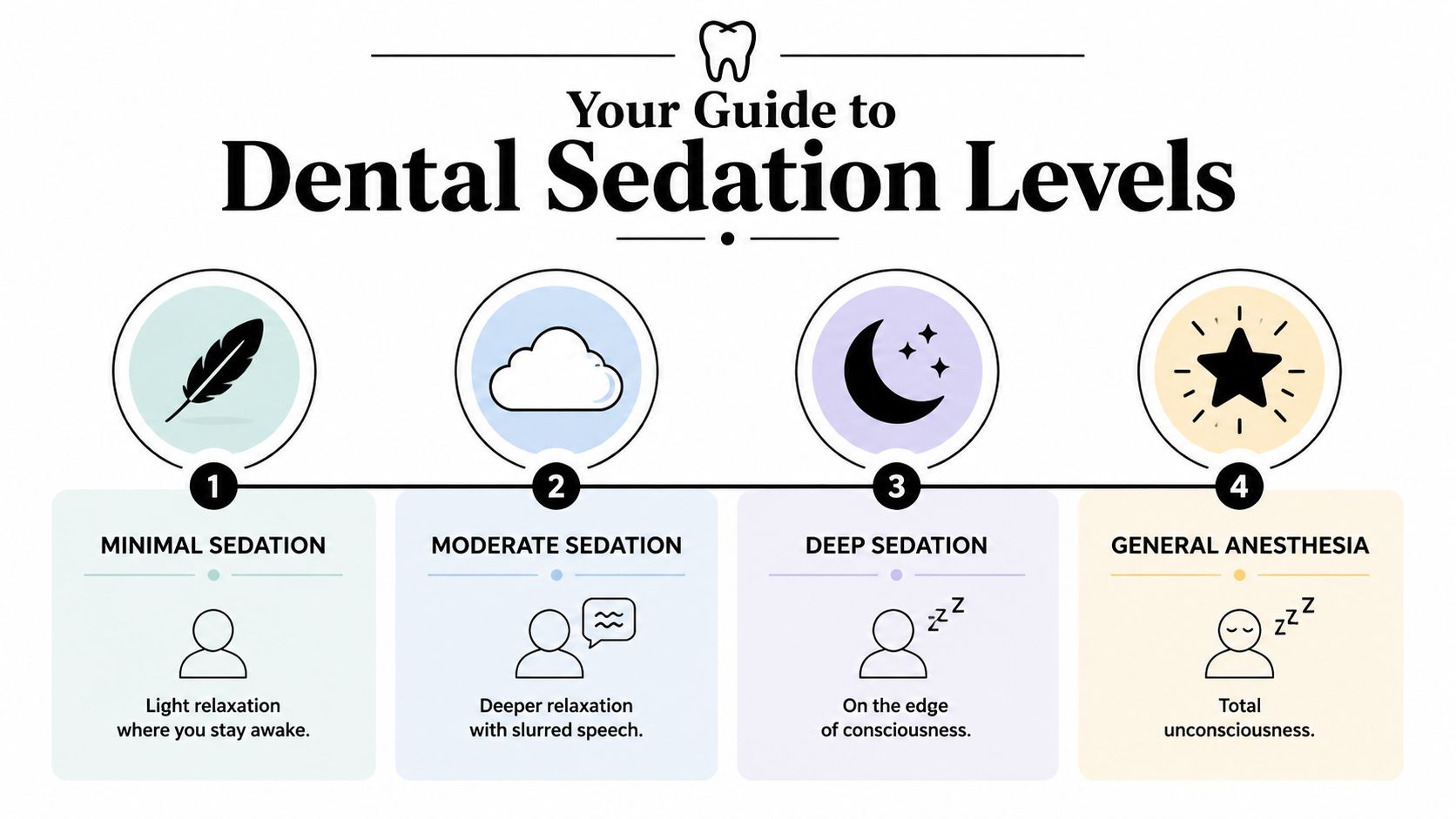
Minimal sedation
With minimal sedation, you're awake and aware, but the edge is taken off your anxiety. You can answer questions, follow directions, and usually feel more at ease with the sounds and sensations of treatment.
This level is often a good fit for:
- Routine visits: Cleanings, exams, and dental x-rays when nerves make even basic care difficult
- Mild anxiety: Patients who want help relaxing but still want to feel fully in control
- Short procedures: Visits that don't require hours in the chair
Many patients describe it as feeling lighter, less tense, and less focused on what's happening around them.
Moderate sedation
With moderate sedation, you stay conscious, but you're much more relaxed. Your speech may be slower, and the appointment may feel like it passed quickly. You can still respond to your dentist, but you likely won't feel as alert as usual.
This level often makes sense for:
- Longer appointments: Restorative dentistry or cosmetic dentistry that takes more time
- Stronger anxiety: Patients who know they can get through treatment, but only with more help
- Multiple procedures: Combining care into one visit when possible
A common point of confusion is memory. Some people under moderate sedation remember parts of the visit. Others remember very little. That's one reason many anxious patients prefer it.
Practical rule: The deeper the sedation, the less you should plan to do afterward. Recovery planning matters just as much as comfort during treatment.
Deep sedation and general anesthesia
Deep sedation in a dental office means you're on the edge of sleep and very detached from the procedure, but the clinical team still monitors you closely and manages the experience carefully. This is different from general anesthesia, where the patient is fully unconscious.
Here's a simple comparison:
| Level | Are you awake | Can you respond | What memory may feel like |
|---|---|---|---|
| Minimal | Yes | Yes | Usually remember most of it |
| Moderate | Yes, but drowsy | Yes | May remember only parts |
| Deep | Barely aware | Limited but possible depending on level | Often little to no memory |
| General anesthesia | No | No | No memory of the procedure |
For many general dental visits, the right choice is one of the conscious sedation options, not full anesthesia. The best option depends on your anxiety level, your medical history, and the kind of treatment you're having.
Minimal Sedation With Laughing Gas
If you're looking for the gentlest place to start, nitrous oxide, often called laughing gas, is usually the easiest option to understand. You breathe it in through a small nose mask during treatment, and the effect is a calm, light feeling that begins quickly and fades quickly too.
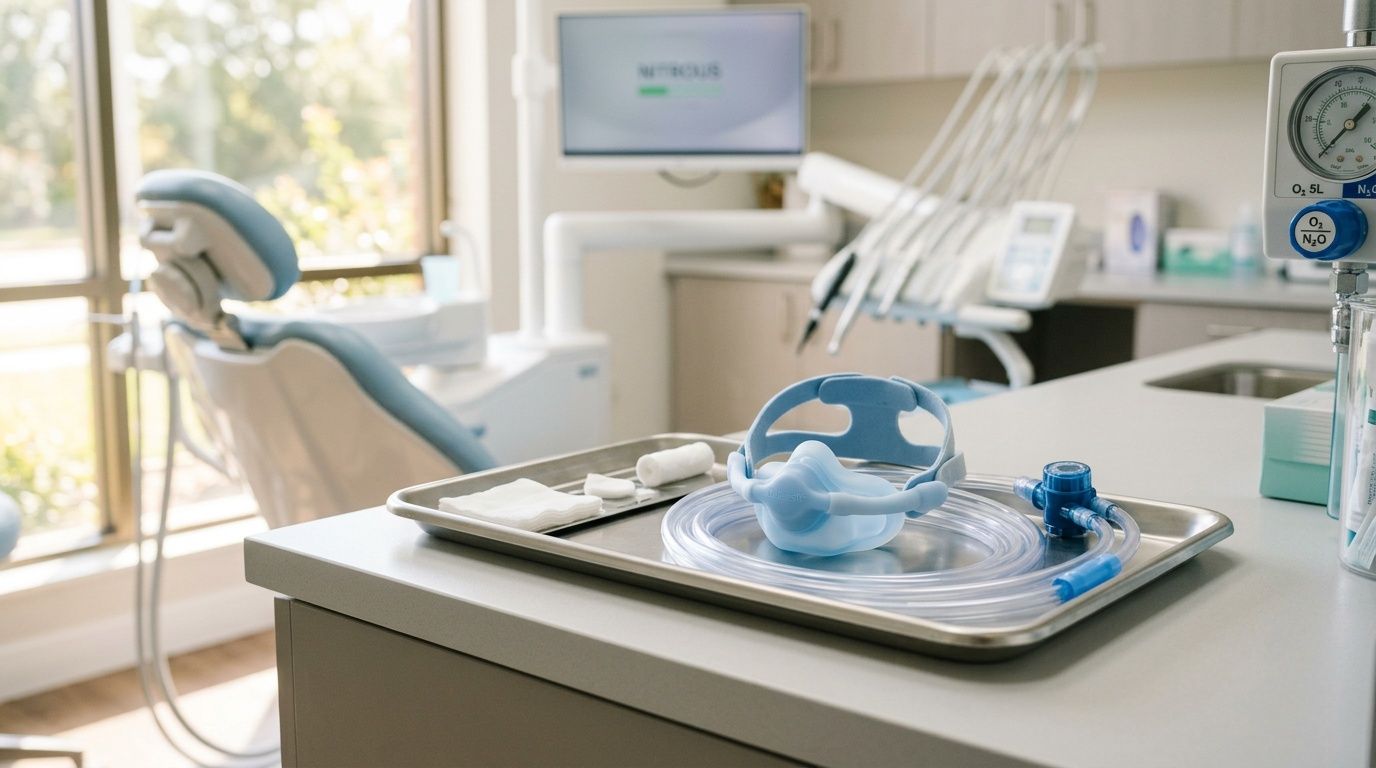
Some patients feel floaty. Others just feel less worried and less reactive to the normal sounds and sensations of dental work. You're still awake, and your dentist can adjust the level during the appointment.
Why so many patients choose nitrous oxide
Nitrous oxide is widely used because it fits everyday dentistry so well. According to dental anxiety and sedation dentistry statistics, it is used in over 86% of sedation cases worldwide. That same source notes that its popularity comes from safety, precise control, and the fact that patients can drive home immediately after their appointment.
For patients with mild to moderate anxiety, that's a major advantage. You can get help relaxing without needing to arrange an escort or block out the rest of your day.
What it feels like during a visit
Nitrous oxide works well for patients who want to stay present but less anxious. It's often a comfortable option for:
- Cleanings and exams: Especially if you've been avoiding preventive care because of nerves
- Small restorative visits: Like a cavity repair or a shorter treatment
- First-time sedation patients: People who want a low-commitment way to see how sedation feels
A quick visual overview can help if you've never seen how it works.
Many patients prefer nitrous because it doesn't feel dramatic. It makes the appointment easier to tolerate. If you've been searching for a gentle dentist near me in Chattanooga or Cleveland, this is often the first option worth asking about.
Oral Sedation for a Calm and Comfortable Visit
Oral sedation is a step up from laughing gas. Instead of inhaling medication during the appointment, you take a prescribed pill before your visit. By the time you arrive, you should feel much more relaxed and drowsy.
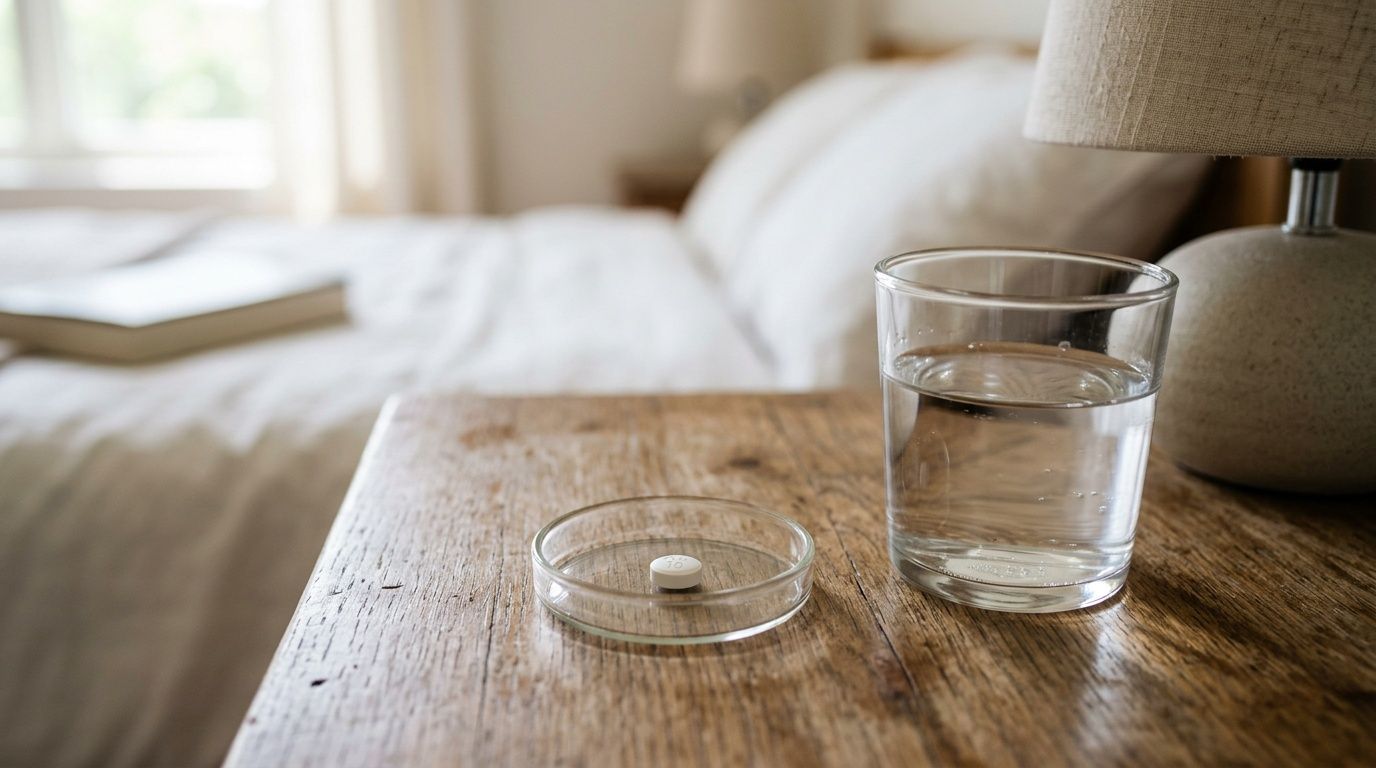
This option can be a very good fit for patients who know their anxiety starts before they even walk into the office. If the stress builds the night before, in the car, or in the waiting room, oral sedation may provide a deeper sense of ease than minimal sedation alone.
What the experience is usually like
You remain conscious with oral sedation, but you may feel sleepy, detached, and less aware of time. Many patients describe the visit as hazy. They were technically awake, but the appointment felt far easier than expected.
That can help during:
- Long restorative appointments: When several procedures are done in one visit
- Cosmetic treatment: If you're excited about the result but nervous about the process
- Backlogged care: When you've postponed treatment and need more than one issue addressed
A common question is whether you'll remember the appointment. Memory varies from person to person, but oral sedation often reduces how much of the experience stays with you.
Why dentists use medications like midazolam
For moderate sedation, this clinical review of sedation in dental practice states that midazolam is one of the most frequently used drugs in dentistry because of its safety profile and effectiveness in reducing anxiety. The same review explains that this can help dentists complete longer or more complex procedures in a single comfortable visit.
That matters for patients who need more than a quick exam. If you're getting restorative dentistry, planning a smile update, or trying to complete care efficiently, oral sedation can make the appointment feel more manageable.
Ask the office exactly when to take the medication, what to eat beforehand if instructed, and who should accompany you. Small details make the day go much more smoothly.
What changes after the appointment
Many people are caught off guard by this requirement. With oral sedation, you should not expect to drive yourself home. You also shouldn't plan to return to work, run errands, or make important decisions right after treatment.
Your judgment and coordination can stay affected for hours. That's why an escort is part of the plan, not an extra suggestion. If you want a calmer visit without feeling fully aware of every step, oral sedation is often the middle ground patients are looking for.
IV Sedation for Complex Care and Total Comfort
IV sedation is the deepest form of conscious sedation typically offered in a dental office setting. It's often chosen by patients with severe dental phobia, those having complex treatment, or those who want the strongest level of in-office relaxation available.
Unlike oral sedation, IV sedation goes directly into a vein. That gives the clinical team much tighter control over the experience. The sedation can be adjusted in real time based on how you're doing during the procedure.
Why IV sedation feels different
The biggest difference is precision. IV delivery has a rapid onset, and this overview of conscious sedation in dentistry states that IV sedation can begin working in 30 to 60 seconds. The same source explains that it has amnesic properties, so patients often have little to no memory of the procedure.
For someone with severe anxiety, that can be life-changing. It can turn a feared appointment into a visit that feels brief or not memorable at all.
IV sedation is often considered when the plan involves:
- Complex surgical care: Such as wisdom tooth removal or extensive treatment
- Dental implants: Especially when a patient is worried about a long procedure
- Multiple procedures in one sitting: When comfort and stillness are important
How safety is handled during treatment
Patients sometimes hear "IV sedation" and assume it must be risky or extreme. In reality, the safety comes from training, monitoring, and control. The same source notes that trained providers use monitoring such as pulse oximetry, capnography, blood pressure tracking, and ECG during care.
That level of observation matters because sedation isn't a one-size-fits-all experience. The team watches your response throughout the visit and adjusts as needed.
If you have severe dental fear, the right sedation option doesn't just reduce discomfort. It can make treatment possible when avoidance has gone on for years.
Recovery needs to be part of the decision
IV sedation is not a "squeeze it in on lunch break" kind of appointment. You will need an escort. You should also plan for a day focused on rest and recovery.
The same overview notes that patients need monitored recovery before discharge and should avoid normal activity for the rest of the day. If your goal is maximum comfort during a major visit, IV sedation may be the most practical answer, but it comes with more preparation and more aftercare than lighter options.
Your Comfort-Focused Visit at Winn Smiles
The right sedation choice starts with a conversation, not a prescription. Your dentist needs to know what kind of treatment you're having, what past dental visits have felt like, what medications you take, and what level of awareness feels comfortable to you.
At Winn Smiles, patients in Chattanooga and Cleveland can discuss sedation options alongside general dental care, emergency dentistry, cosmetic treatment, and implant planning. The practical goal is simple: match the visit to the person, not force every patient into the same experience.
What your appointment planning should include
A comfort-focused consultation usually covers:
- Your anxiety triggers: Needles, sounds, gag reflex, numbness, prior bad experiences, or long procedures
- Your health history: Current medications, past reactions, and any medical concerns that affect sedation decisions
- Your treatment plan: A cleaning needs a different approach than a tooth extraction or dental implants
- Your ride home: Especially if oral or IV sedation may be involved
Some patients benefit from a lighter option for a shorter visit. Others prefer a deeper level of relaxation so they can finally move forward with delayed care. If you're comparing costs and planning details, this guide to dental sedation costs can help you understand what questions to ask before scheduling.
What patients often find reassuring
A calm office environment matters more than people realize. So does clear communication. You should know what to expect before you sit in the chair, what you'll feel during treatment, and what recovery will look like when you go home.
That's especially important if you've been searching for a dentist in Cleveland, TN, or a dentist in Chattanooga, TN because you're finally ready to address something you've postponed. A visit feels far more manageable when the plan is transparent and built around your comfort.
Common Questions About Dental Sedation Safety and Recovery
The most practical questions usually come after you decide sedation sounds helpful. People want to know whether it's safe, how long they'll feel off, and whether they can drive, work, or take care of normal responsibilities after the appointment.

Is dental sedation safe for me
Safety starts with the evaluation before treatment. Your dentist reviews your medical history, medications, and the type of procedure planned. If you like preparing forms ahead of time, tools for automating patient health assessment forms can help patients organize the health information a dental office may need before approving sedation.
No sedation choice should be made casually. It should follow a review of your health, your anxiety level, and the specific visit you're having.
How long will I be impaired afterward
According to this overview of sedation recovery and use, nitrous oxide effects dissipate within minutes, while oral and IV sedation require an escort. The same source notes that medications used for oral conscious sedation can impair judgment and coordination for several hours, so planning for a full day of rest is the safe approach.
That means recovery planning should be simple:
- Nitrous oxide: Usually wears off quickly enough that normal transportation is possible
- Oral sedation: Plan on being groggy and taking the day off
- IV sedation: Expect a slower return to normal and avoid activity for the rest of the day
Can I drive or go back to work
For nitrous oxide, many patients can drive home once the effects have cleared, assuming the office confirms they're ready. For oral and IV sedation, driving yourself is not appropriate. Going back to work that day usually isn't wise either, especially if your job requires focus, coordination, or decision-making.
What should I ask before scheduling
These questions help avoid surprises:
- Which sedation level fits my procedure
- Will I need a driver
- How much time should I keep clear after treatment
- What side effects are possible for this option
If you want a more detailed look at after-effects, this sedation dentistry side effects overview is a useful next step before booking.
If you're looking for a calmer way to handle dental care in Chattanooga or Cleveland, Winn Smiles offers consultations so you can talk through your anxiety, treatment needs, and recovery concerns before deciding on a sedation option.