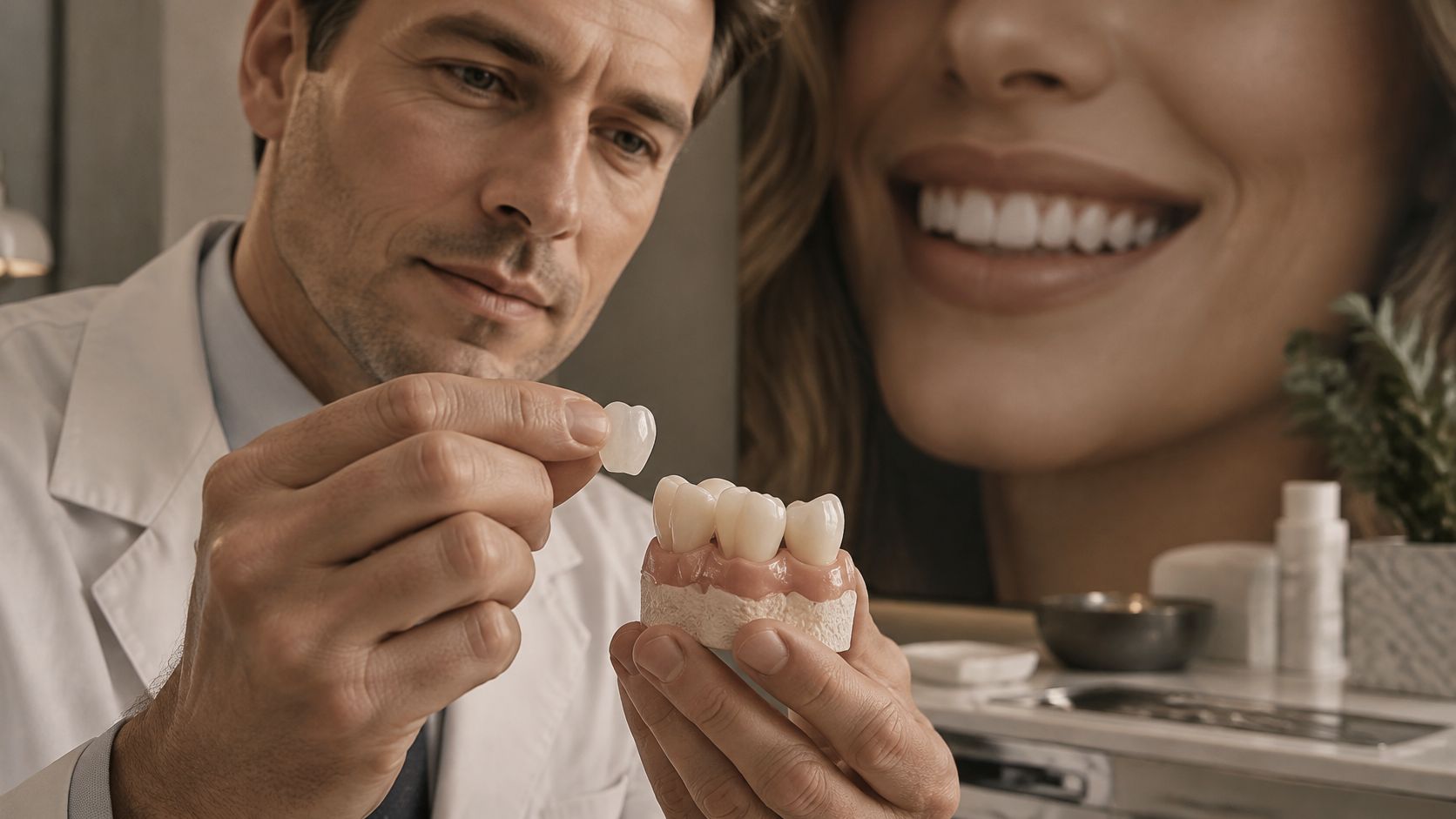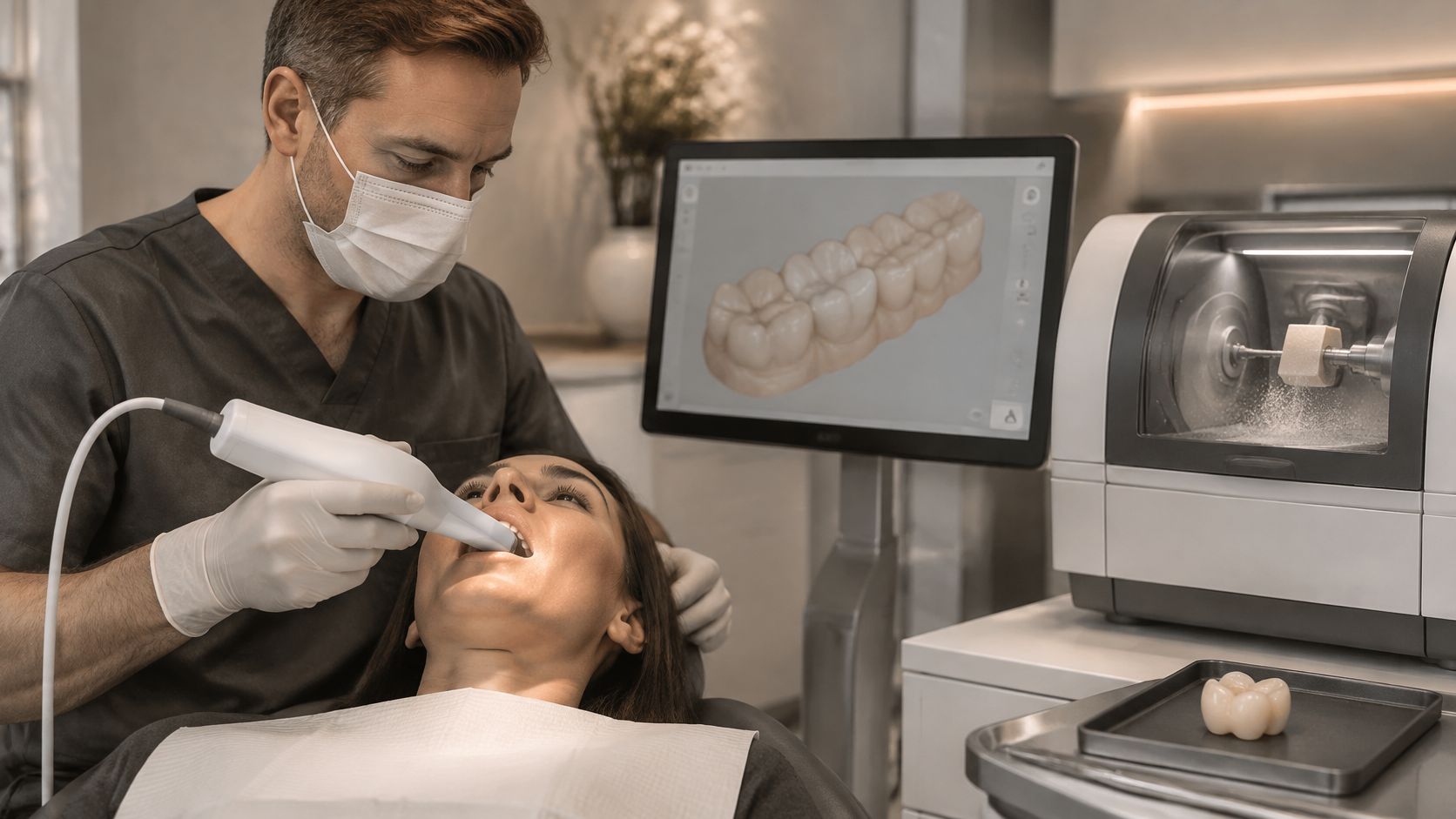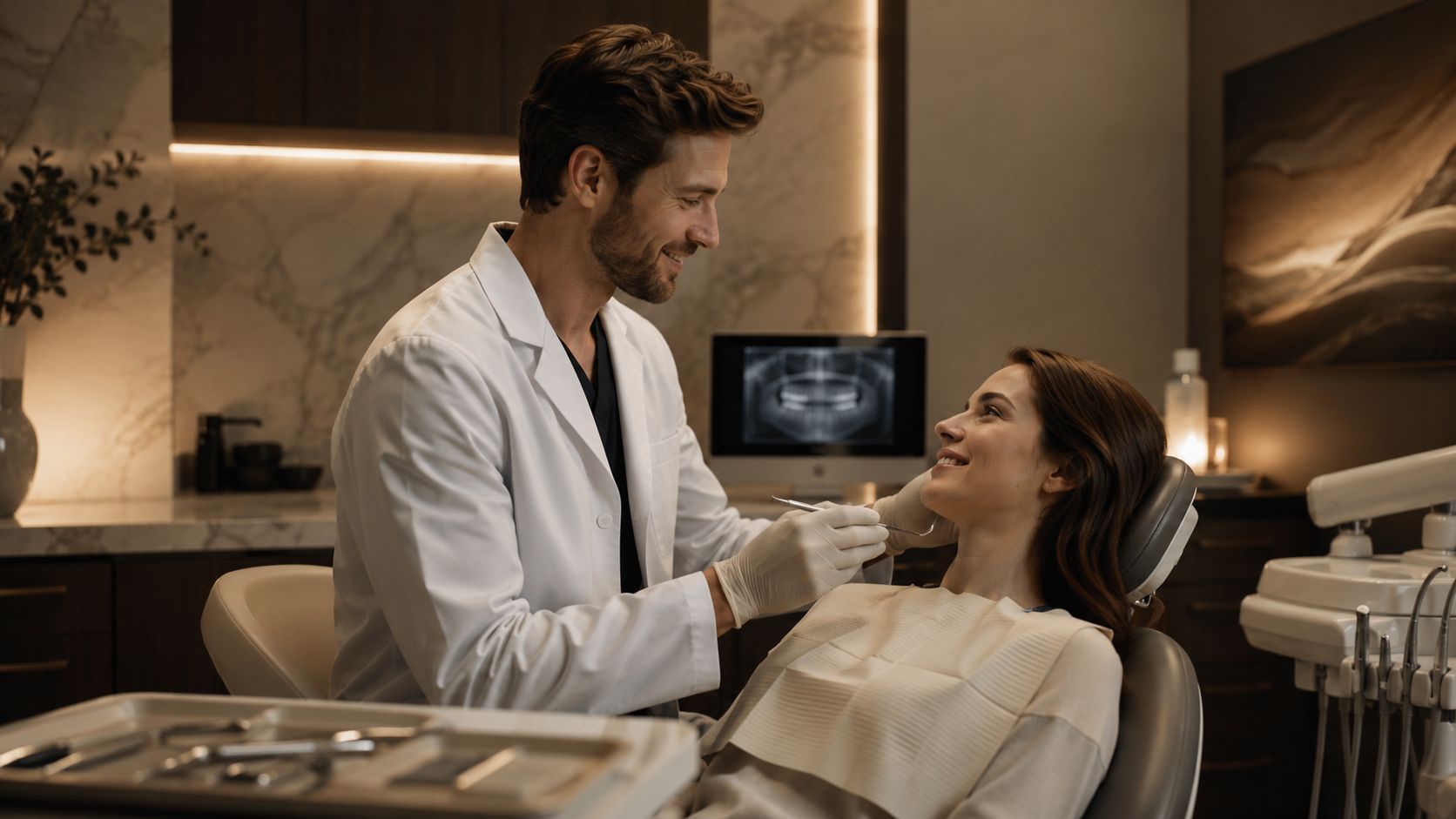
If you're sitting in the waiting room right now, trying to decide whether to keep that appointment or cancel one more time, you're not alone. A lot of people don't fear the toothbrush, they fear being rushed, dismissed, or surprised once they're already in the chair.
Compassionate care dental changes that experience by making the visit more understandable, more predictable, and more respectful of your comfort. In a good practice, you should feel that your concerns matter before anyone starts the exam, cleaning, x-rays, or treatment plan. That difference matters whether you're looking for a dentist near me, a dentist in Chattanooga, TN, an emergency dentist, or help with services like tooth extraction, cosmetic dentistry, restorative dentistry, or dental implants near me.
Why Compassionate Care Dental Changes Everything
A stressed patient often walks in expecting the same script, sit down, open wide, and try not to ask too many questions. That kind of visit can make even a simple cleaning feel harder than it should be. Compassionate care dental starts by slowing that moment down so the patient can breathe, ask, and understand what's happening before anything begins.
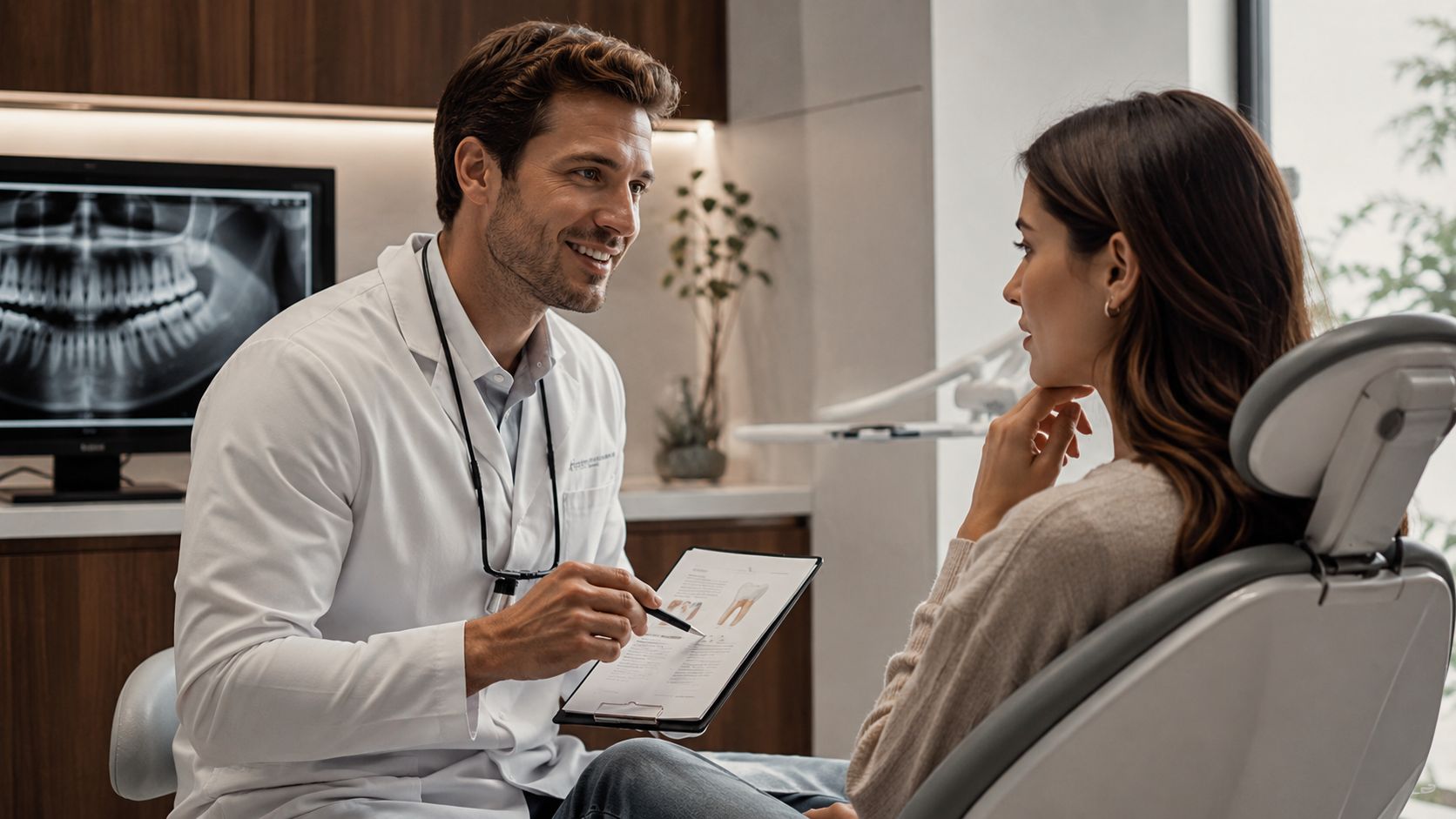
The change is practical. Instead of feeling pushed through a system, patients are given a clear path, consent, and enough time to process the plan. That's especially important for people searching for a cosmetic dentist near me, a tooth extraction, or a new patient exam after avoiding care for a while.
What it feels like in the chair
Compassionate dentistry doesn't mean lowering the standard of care. It means delivering care in a way that makes treatment more manageable for anxious, busy, or pain-sensitive patients. The best visits usually include small but noticeable behaviors, like the dentist pausing before touching the mouth, explaining what comes next, and checking whether the patient is still comfortable.
Practical rule: if you feel rushed before the exam even starts, that's usually a sign the office is organized around the schedule, not around the person.
The literature in oral health is still young here. A 2024 scoping review found only two studies directly testing whether compassionate care improved oral health outcomes, and the results were discrepant. That scarcity matters because it tells patients and clinicians something honest, compassion is clearly valued, but it's still being defined in measurable clinical terms. In daily practice, the observable behaviors matter most, clear explanation, consent, slow pacing, anxiety reduction, and trauma-informed communication. The review shows the field is still building its evidence base.
Why patients notice the difference fast
The biggest shift is emotional. A patient who feels heard is usually more willing to return, complete treatment, and follow through on preventive care. That's one reason local families often choose a practice based on how they're treated, not just how close it is to home.
Compassionate care dental also helps patients decide whether they're ready for services like dental implants, full-arch solutions, or same-day crowns. The treatment can be advanced, but the visit should still feel clear, steady, and human.
The Five Pillars of Compassionate Dental Care
The strongest compassionate practices tend to show the same five traits again and again, and patients can look for them. They are empathy, active listening, clear communication, personalization, and a supportive environment. Those are not soft extras. They're the core behaviors that help patients feel safer and more involved in the visit, as described in this dental article on compassionate care.
Empathy and active listening
Empathy shows up when the dentist asks about your past experiences before discussing treatment. Active listening means the team doesn't interrupt the first time you say, “I'm nervous” or “I had a bad experience before.” In a real appointment, that can look like the dentist setting the instrument down and listening before moving on.
That matters because dental fear is often tied to feeling out of control. When the provider listens first, the appointment usually feels less like a performance and more like a conversation. For patients coming in for cleaning and exams, dental x-rays, or a new patient exam, that first minute can determine whether they relax or brace themselves.
Clear communication and personalization
Clear communication means plain language, not jargon. A good team explains what they're doing, why it matters, and what it will feel like. Personalization means the plan matches the patient, not the other way around. Some people want every step explained. Others just want the essentials and a quiet room.
Simple test: if you leave more confused than when you arrived, the office didn't communicate clearly enough.
The review of compassionate care in oral health also makes one thing clear, the literature hasn't settled on a single universal metric. In practice, that's why these behaviors are so useful. You can observe them on the first visit, and you can tell whether the office is serious about patient-centered care without needing a scorecard.
Supportive environment
A supportive environment is the physical and emotional setting around the patient. That includes a friendly front desk, calm body language, and a room that doesn't feel chaotic. It also includes small details like confirming preferences, reducing sensory overload, and making the next step easy to understand.
Used well, those five pillars help patients feel safer during restorative dentistry, cosmetic dentistry, and more complex treatment planning. They don't replace skill. They make skill usable.
How Compassionate Care Reduces Lost Time and Improves Access
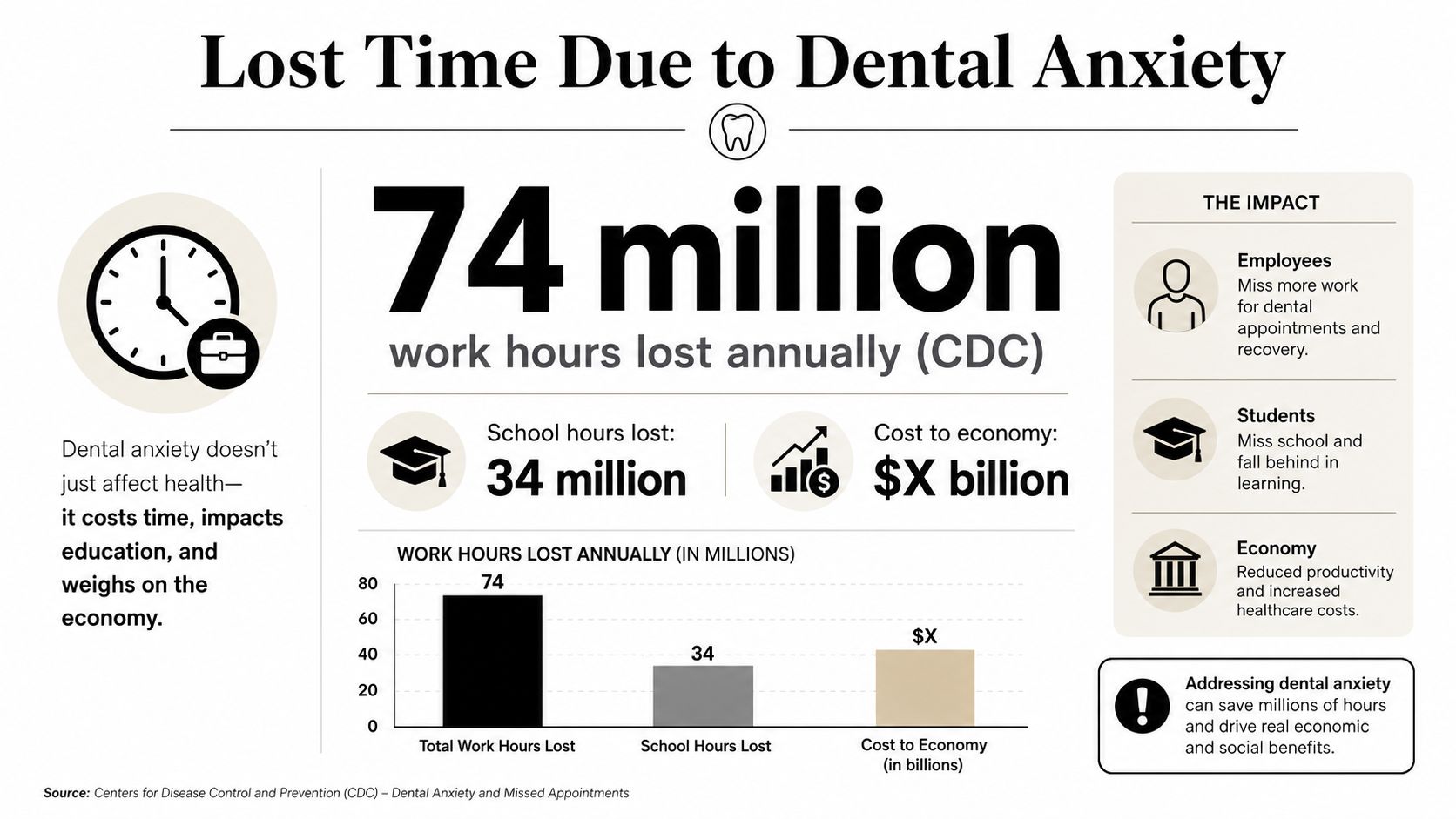
Dental care has a real time cost, and that cost affects whether people keep appointments or keep postponing them. CDC analysis found U.S. dental visits were associated with an average of 320.8 million work or school hours lost per year. Of that total, 92.4 million hours were lost for emergency care, 159.8 million hours for routine or orthodontic care, and 68.6 million hours for cosmetic care. The CDC analysis also reported per-adult losses of 0.99 hours for emergency care, 1.71 hours for planned care, and 0.73 hours for cosmetic care.

Why routine access matters more than people think
The numbers show something simple. Planned care accounts for the largest share of lost time, and emergency care still takes a major bite out of daily life. That's why a patient-friendly practice can't focus only on comfort once the patient arrives. It also has to make scheduling, follow-up, and treatment coordination easier from the start.
A compassionate office reduces friction. It offers clear appointment options, explains treatment estimates transparently, and helps patients understand what happens next. That's especially important for people balancing work, school, childcare, or transportation.
Compassion includes finances and scheduling
Bedside manner and access overlap. Independent guidance from the National Academies says access gaps persist because of reimbursement, administrative friction, and workforce shortages, and it recommends Medicaid and CHIP rate setting, case management, and efficient processes to improve participation and equity. The ADA's General Dentistry white paper makes a similar point, access depends on simplifying Medicaid rules, reducing paperwork, and improving reimbursement. That guidance makes clear that compassionate care is more than a kind tone, it also includes insurance navigation, transparent financing, and appointment coordination.
For patients, that means the right question isn't just, “Are you close by?” It's, “Can this office help me finish treatment?”
Bottom line: a practice that explains costs early and helps organize care is often more accessible than one that only promises convenience.
What to look for in a patient-friendly office
A compassionate practice usually makes it easier to move from concern to action. Look for:
- Clear treatment estimates before major procedures
- Insurance help that doesn't leave you guessing
- Scheduling flexibility for working adults and families
- Direct communication when a visit needs to change
- Emergency pathways for pain, swelling, or broken teeth
Those details matter whether you're seeking emergency dentistry, a tooth extraction, or a consultation for dental implants.
Signs and Questions to Evaluate a Compassionate Dental Practice
You can spot compassionate care long before a procedure starts. The first phone call, the way the front desk answers questions, and the way the team explains choices all tell you something useful. One clinical guide recommends that staff pause for questions, use plain language, check understanding by having the patient repeat the plan in their own words, and write down next steps so the visit does not blur into confusion once you leave. It also says to ask about accommodations, treatment estimates, insurance, and payment plans early. That guide is helpful because it turns compassion into a checklist you can observe.
A good office also makes room for real-life barriers. If cost or treatment length is part of the decision, Noreast Capital financing solutions points to the kind of planning and equipment support that helps practices run with fewer delays and clearer communication.
What to notice during the visit
The strongest sign is often the simplest one. The dentist does not rush past your concern. The team lets you finish your thought. You are told what is happening before it happens, not after.
Watch for the little workflow details that reduce stress. A practice that handles patients well usually gives you a written plan or clear next steps, and it does not make you feel awkward for asking the same question twice. That matters for cleaning and exams, same-day crowns, and restorative dentistry. It also matters when the office explains the trade-off between getting treatment done quickly and taking extra time to answer questions.
If you want a better sense of how comfort options fit into that process, a short look at the benefits of sedation dentistry can help you understand why some patients stay in care once they feel more at ease.
Questions worth asking early
Use the first call to find out how the office handles ordinary barriers, not just emergencies. Ask:
- Do you explain treatment options in plain language?
- Can I get a written estimate before I decide?
- What accommodations do you offer for anxiety or trauma history?
- How do you handle insurance and payment plans?
- If I need a referral or a second opinion, can you help with that?
Direct answers matter. If a practice can explain the plan without jargon, give you the likely costs, and tell you what happens next, you are already seeing how it works day to day. You are not just booking a procedure, you are choosing the team that will guide you through it.
Where financing and planning fit in
If cost is part of the concern, practical planning matters just as much as clinical skill. Offices that have the right systems in place can talk about fees earlier, keep visits moving, and reduce the back-and-forth that makes patients give up.
That does not replace a careful conversation with the dental office. It does show why compassionate dentistry depends on more than a kind tone. It works best when the practice has the structure to answer questions, set expectations, and help people get to treatment without unnecessary friction.
Use this rule: if the office is vague about cost, timing, or next steps, keep asking until the plan makes sense.
Comfort and Sedation Options for Anxious Patients
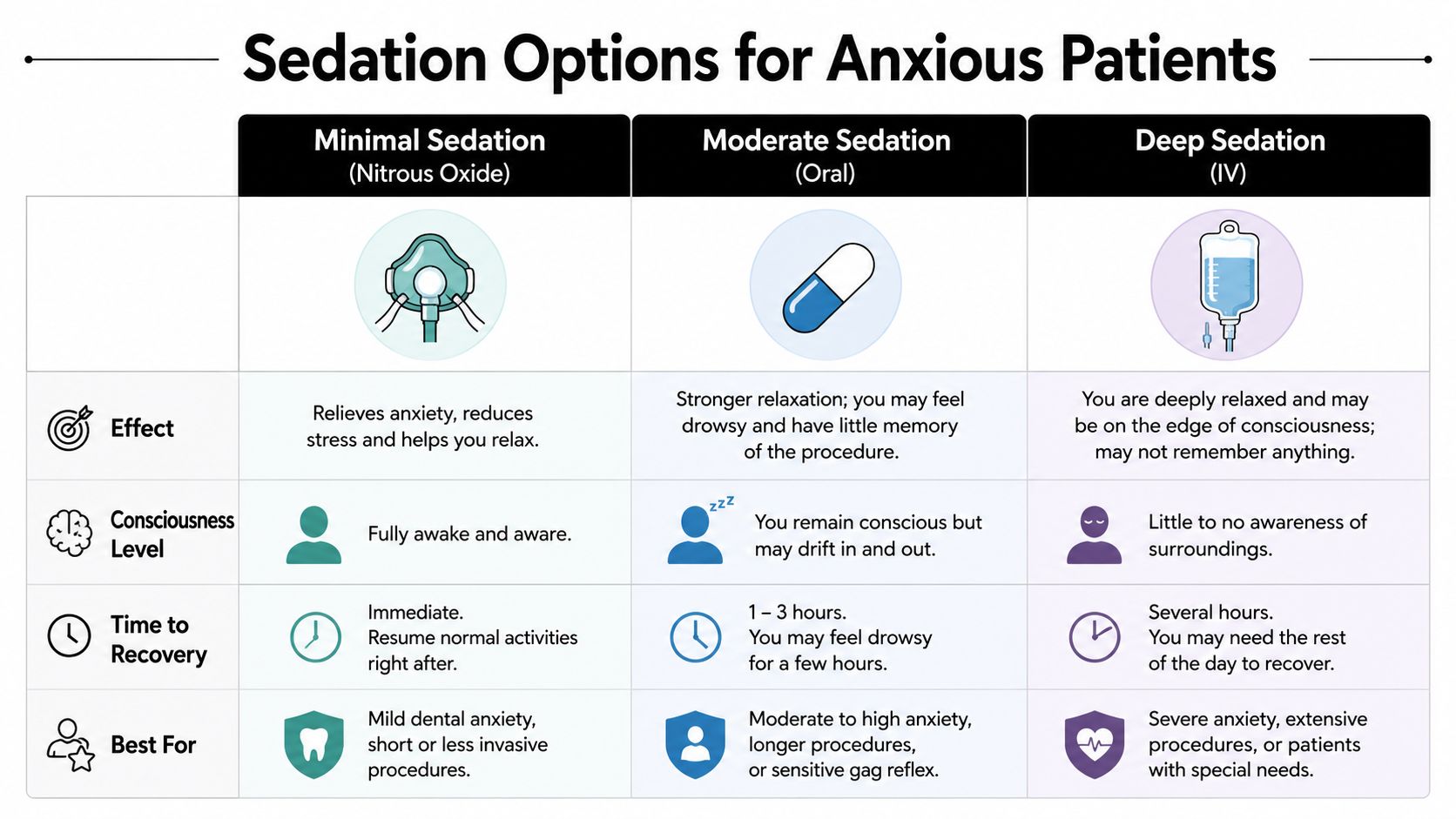
A patient who is already tense in the chair usually needs more than reassurance. They need a plan that gives them control, explains what will happen next, and matches the level of support to the visit in front of them. In practice, that can mean a quieter room, a clear stop signal, nitrous oxide, oral sedation, or IV sedation. The goal is not to use the strongest option available. The goal is to choose the level that fits the person, their medical history, and the treatment they need.
There is also a real trade-off here. More sedation can help some patients get through care they would otherwise avoid, but it also requires screening, monitoring, and a team that knows how to use it safely. A good office talks through those limits plainly. If you want a closer look at how sedation can help certain patients complete treatment, read the benefits of sedation dentistry.
Matching the option to the situation
Minimal sedation often works well for shorter visits or for patients whose anxiety is present but manageable. You stay responsive, and recovery is usually straightforward. Moderate sedation can suit longer appointments or patients who need more help staying relaxed from start to finish. Deep sedation is usually reserved for more complex treatment or severe fear, where closer monitoring and a greater reduction in awareness may be appropriate.
The right choice depends on the procedure, your medical history, and how you have responded to dental care before. A simple filling does not always call for the same level of support as a tooth extraction. The same goes for a patient who is coming in for a same-day crown and a patient preparing for a more involved dental implant visit.
Trauma-informed care still matters
Sedation alone does not make a visit feel safe. Trauma-informed care adds choices, clear communication, and predictable steps. In the chair, that means the dentist explains each move before touching you, the patient gets a pause signal that the team respects, and consent is confirmed in plain language. Those habits can lower the sense of threat that keeps many anxious patients from finishing care.
A practice should also say how it handles surprises. If a patient needs a break, the team should slow down without argument. If something changes during treatment, the dentist should explain the reason and ask again before continuing. Those are small behaviors, but they tell you a lot about whether the office can handle fear with steadiness instead of pressure.
Useful standard: if a practice talks about sedation but never talks about pauses, consent, or stop signals, the comfort plan is incomplete.
A calmer room helps more than people expect
The physical setting matters too. Soft lighting, fewer sharp sounds, a welcoming front desk, and staff who do not talk over the patient can lower tension before treatment even begins. A calm room does not replace good clinical care, but it helps the patient stay present long enough to receive it.
That is part of why comfort deserves real attention, not just polite language. Patients often read the office quickly, by how the team greets them, whether questions get answered directly, and whether they are given time to settle before the appointment starts. A practice like that treats comfort as part of treatment, not a bonus feature, and that same mindset shows up in the way the team uses tools like the ShortGenius AI ad generator to communicate clearly and reach the right people without pressure.
What to Expect During a Compassionate Dental Appointment
A compassionate appointment usually starts before you're even in the chair. The front desk greets you warmly, confirms what you need, and handles the basics without making you feel rushed or dismissed. In a calm office, the pace stays steady, the lights feel softer, and those first few minutes are meant to settle your nerves instead of spike them.
That matters because many anxious patients decide whether to trust a practice in those first moments. If the team speaks clearly, asks what you're most worried about, and gives you time to answer, the rest of the visit usually goes better. You should hear plain explanations, not a rushed script, and you should be able to tell whether the office can adjust to your comfort level. A welcoming start also makes it easier to move from simple care, like cleaning and exams or dental x-rays, to more involved treatment when needed.
A good appointment also includes a comfort plan you can see in action. That might mean a blanket, headphones, a slower pace, or a short pause before treatment begins, and some offices keep those options organized in a comfort menu so the patient does not have to guess what is available. The point is not to promise every comfort item in every situation. The point is to show a team that notices anxiety early and responds with practical steps.
During treatment, the rhythm should stay predictable
A good clinician narrates what is happening in plain language. You should not be surprised by the mirror, the suction, or the next step. If you need a break, you should be able to ask for one without feeling embarrassed, and the team should slow down without acting put out.
That same approach applies whether you're there for a same-day crown, a tooth extraction, dental implants, a full-arch solution, or a sleep apnea evaluation. The procedure may change, but the communication should stay steady. The best teams check understanding, keep consent active, and adjust the pace to the patient. That is the practical side of compassionate care, calm behavior, clear explanations, and a workflow that leaves room for pauses.
After the visit, the plan should still be clear
Compassion does not stop when the appointment ends. The follow-up matters, especially after emergency care or a more complex restorative visit. A strong office makes the next steps easy to remember, gives written instructions when needed, and tells you what symptoms are normal versus what needs a call back.
For patients seeking emergency dentistry, that follow-up can be the difference between feeling supported and feeling lost. For cosmetic and restorative work, it helps people leave with a clear plan instead of second-guessing what happened or what comes next.
A good appointment should leave you clearer, not more confused.
The best offices know that trust is built in small, repeatable steps, not in one big promise.
Compassionate Dental Care in Cleveland and Chattanooga
In Cleveland and Chattanooga, compassionate care should mean more than a friendly smile. It should mean a comfortable office, transparent cost discussions, free consultations or second opinions when appropriate, and a team that can help with everything from preventive visits to advanced restorative and cosmetic treatment. That's the standard patients deserve when they're looking for a dentist in Cleveland, TN or a dentist in Chattanooga, TN.
For people comparing local options, a practical way to think about it is to look for both clinical range and communication. Practices that offer teeth whitening, veneers, Invisalign, periodontal care, root canals, emergency dentistry, dental implants, and full-arch implant solutions can often meet more needs under one roof. That's only helpful, though, if the team explains the plan clearly and treats anxiety as part of the visit, not an inconvenience.
If you're trying to evaluate local visibility and patient reach for your own search, find your dental SEO roadmap can help you understand how patients usually discover a practice online. The decision still comes down to this: do you feel heard, understood, and confident enough to schedule?
Winn Smiles is built for patients who want that kind of experience in Cleveland and Chattanooga. If you've been putting off care because of fear, cost questions, or uncertainty, their approach is designed to make the first step easier.
If you're looking for compassionate dental care in Cleveland or Chattanooga, Winn Smiles offers comfort-focused visits, clear communication, and treatment options that fit real life. Schedule with Winn Smiles if you want a practice that helps you feel informed, respected, and ready to move forward.