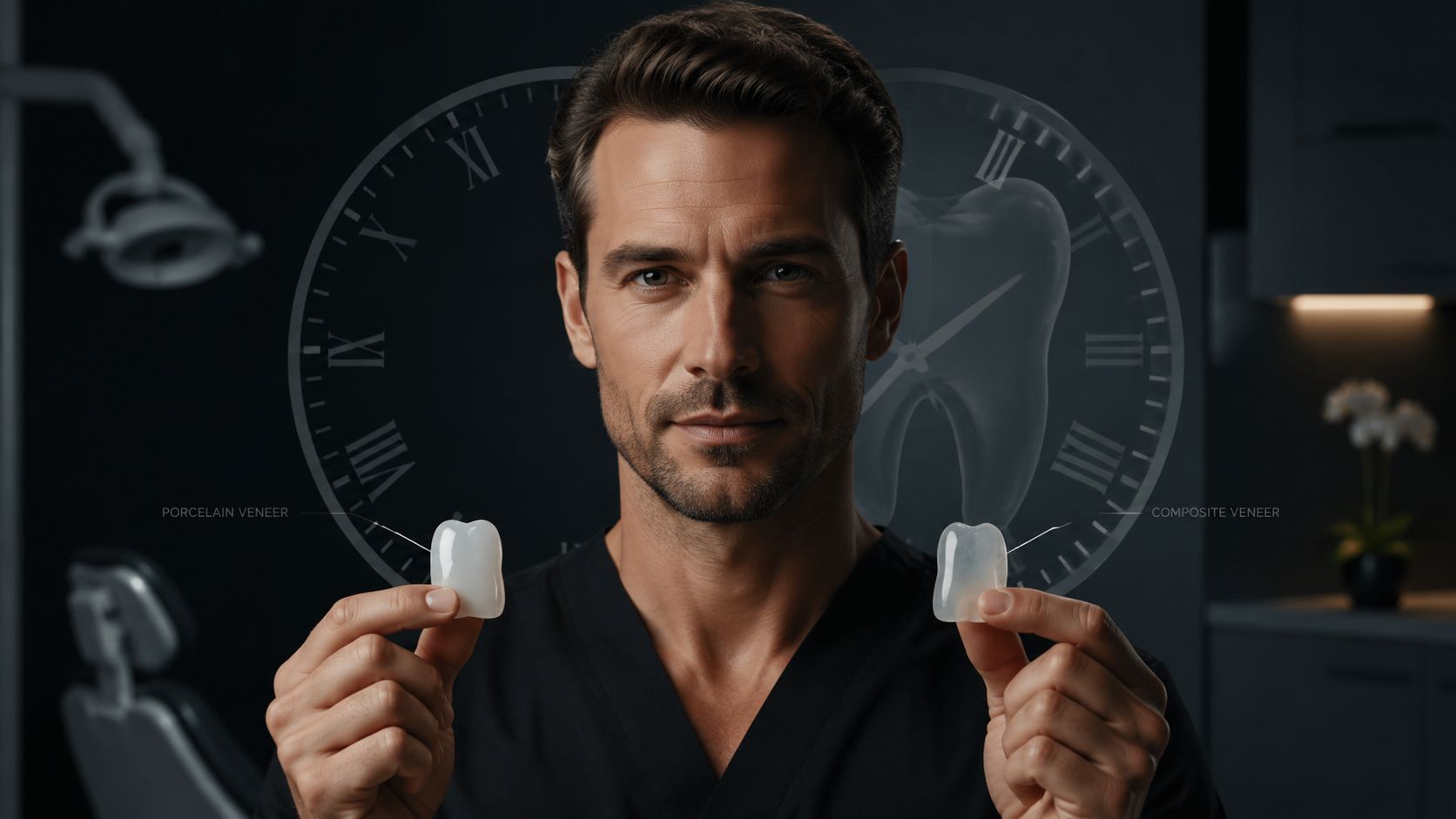
Most porcelain veneers last 10 to 15 years, and many can reach 20 years or more with careful maintenance. Composite veneers usually last 4 to 8 years, but the biggest reason one patient gets twice the lifespan of another is whether the veneer is bonded to enamel on a living, healthy tooth.
You may be looking at photos after a smile consultation, wondering whether veneers are a short-term cosmetic fix or an investment you'll still feel good about years from now. That's a fair concern, especially if you're comparing a cosmetic dentist near me, a dentist in Cleveland, TN, or a dentist in Chattanooga, TN.
At Winn Smiles, veneer planning starts with a practical question: what does “lasting” need to mean for your smile? A veneer can remain physically attached while developing stains at the edge, a small chip, gum changes, or sensitivity. Those details matter just as much as whether the shell is still in place.
The Honest Answer About Veneer Lifespan
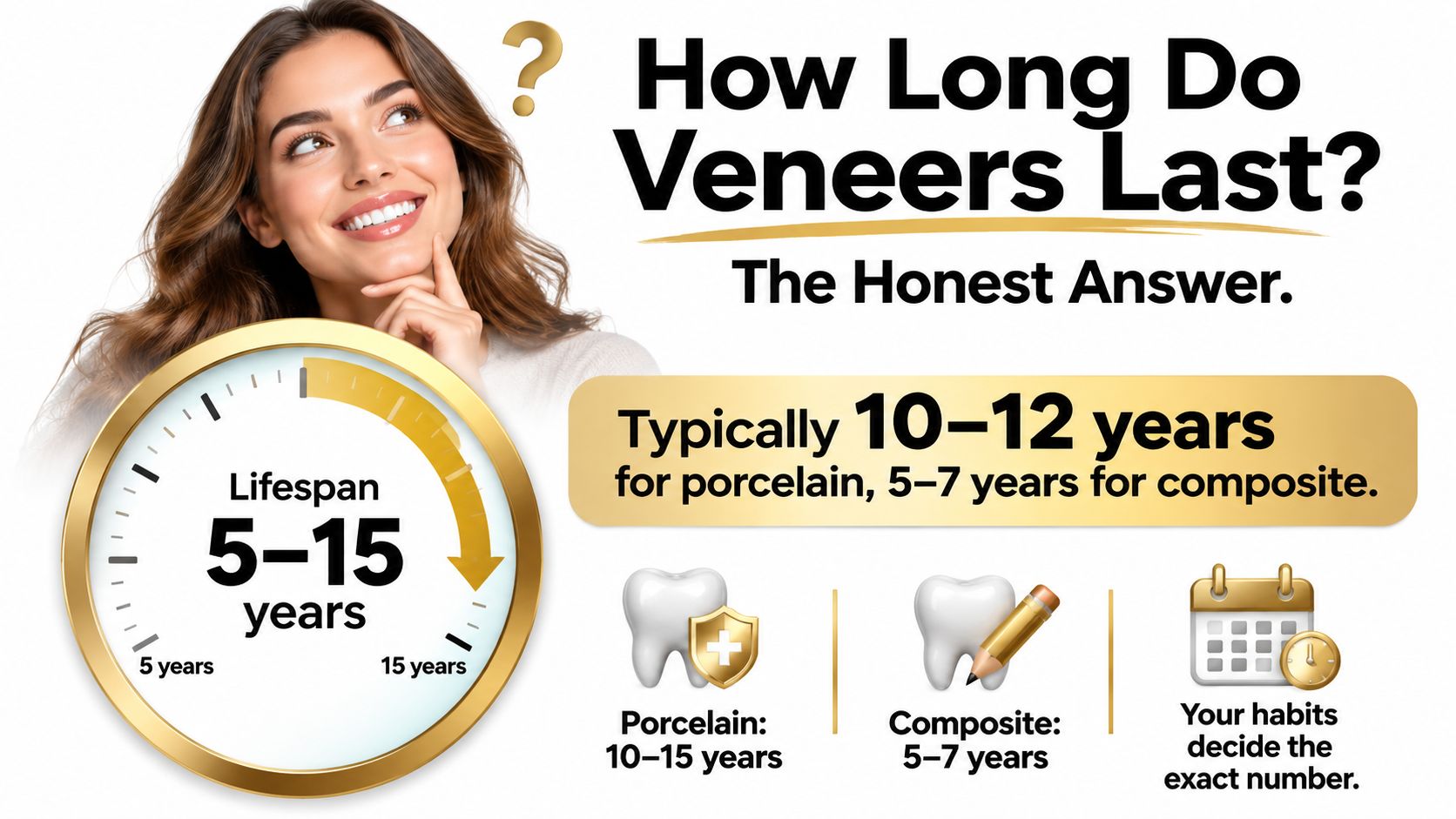
If you're investing in a new smile, you probably want one straightforward answer. For most patients, porcelain veneers last about 10 to 15 years, and some well-planned cases remain functional for 20 years or longer. Composite veneers generally last 4 to 8 years, although your bite, habits, oral hygiene, and the condition of the tooth underneath can move that range in either direction.
The material matters, but it isn't the whole story. A major systematic review found that etchable non-feldspathic porcelain veneers had a pooled 5-year survival of 92.4%, with a reported 10-year survival range of 66% to 94% depending on clinical conditions and other factors (systematic review and meta-analysis in PubMed). That range is why a responsible dentist won't promise that every veneer will last the same number of years.
Two ways dentists describe survival
Intact survival means the veneer is still physically in place. It might not be perfect. A veneer can remain attached while developing a minor edge chip, surface wear, a darkened margin, or a gum issue that needs attention.
Complication-free survival is a higher standard. It means the veneer remains attached, comfortable, attractive, and free from problems that require repair or maintenance. Recent evidence summarized in clinical veneer durability research highlights this distinction, noting that veneers may still be present while patients experience material defects, secondary caries, or gingival concerns.
A useful way to think about it: longevity isn't a finish line. It's the period during which your veneer continues to function, look natural, and support a healthy tooth.
The most important planning detail is often the bonding surface. Veneers bonded mainly to healthy enamel on vital teeth tend to have a stronger foundation than veneers relying heavily on dentin or placed on non-vital teeth. A 2024 PubMed study reported 89.3% survival at 9 to 10 years, while 79.4% were still surviving without being entirely free of complications, reinforcing why maintenance belongs in the original treatment plan (clinical study summary).
Porcelain vs Composite Veneers at a Glance
Porcelain and composite veneers can both improve tooth color, shape, and minor spacing. They're not interchangeable, though. Porcelain is fabricated outside the mouth from layered ceramic, while composite is sculpted directly onto the tooth by the dentist.
| Factor | Porcelain Veneers | Composite Veneers |
|---|---|---|
| Typical lifespan | About 10 to 15 years, with some cases lasting 20 years or more (PubMed evidence) | About 4 to 8 years (porcelain veneer longevity review) |
| Durability | Strong ceramic with good resistance to everyday wear | Softer resin that can wear or chip more readily |
| Stain resistance | Highly resistant to coffee and red wine staining | More likely to pick up discoloration over time |
| Appearance | Often maintains a lifelike enamel-like appearance over the long term | Can look attractive initially, but may lose polish sooner |
| Visits | Usually requires a preparation visit and a placement visit | Often completed in one visit |
| Repairability | Larger fractures commonly require replacement | Small chips can often be repaired directly |
| Tooth preservation | Requires careful preparation, with enamel preservation whenever possible | Can be more conservative in selected cases |
| Cost per tooth | Higher upfront investment | Lower upfront investment |
| Best candidate | Patients seeking durable, stain-resistant cosmetic changes and willing to plan for laboratory fabrication | Patients wanting a lower initial cost, quick improvement, or easy future repair |
Porcelain's advantage is consistency. A dental laboratory builds the veneer to a planned shape and shade, then the dentist checks the fit, bite, contacts, and margins before bonding. That process takes more coordination, but it can produce a highly natural result that continues to resist coffee and wine stains.
Composite offers speed and flexibility. The dentist applies tooth-colored resin directly to the tooth, shapes it, polishes it, and can often adjust or repair it without replacing an entire shell. The tradeoff is that composite usually stains and wears faster, especially for patients who drink dark beverages frequently or place heavy force on the front teeth.
Your bite and timeline should guide the decision. Someone preparing for a near-term event may value a same-visit composite option, while someone who wants to avoid revisiting the front teeth for as long as possible may prefer porcelain. A consultation should also consider tooth vitality, available enamel, grinding, oral hygiene, and whether a crown or restorative treatment would protect the tooth better.
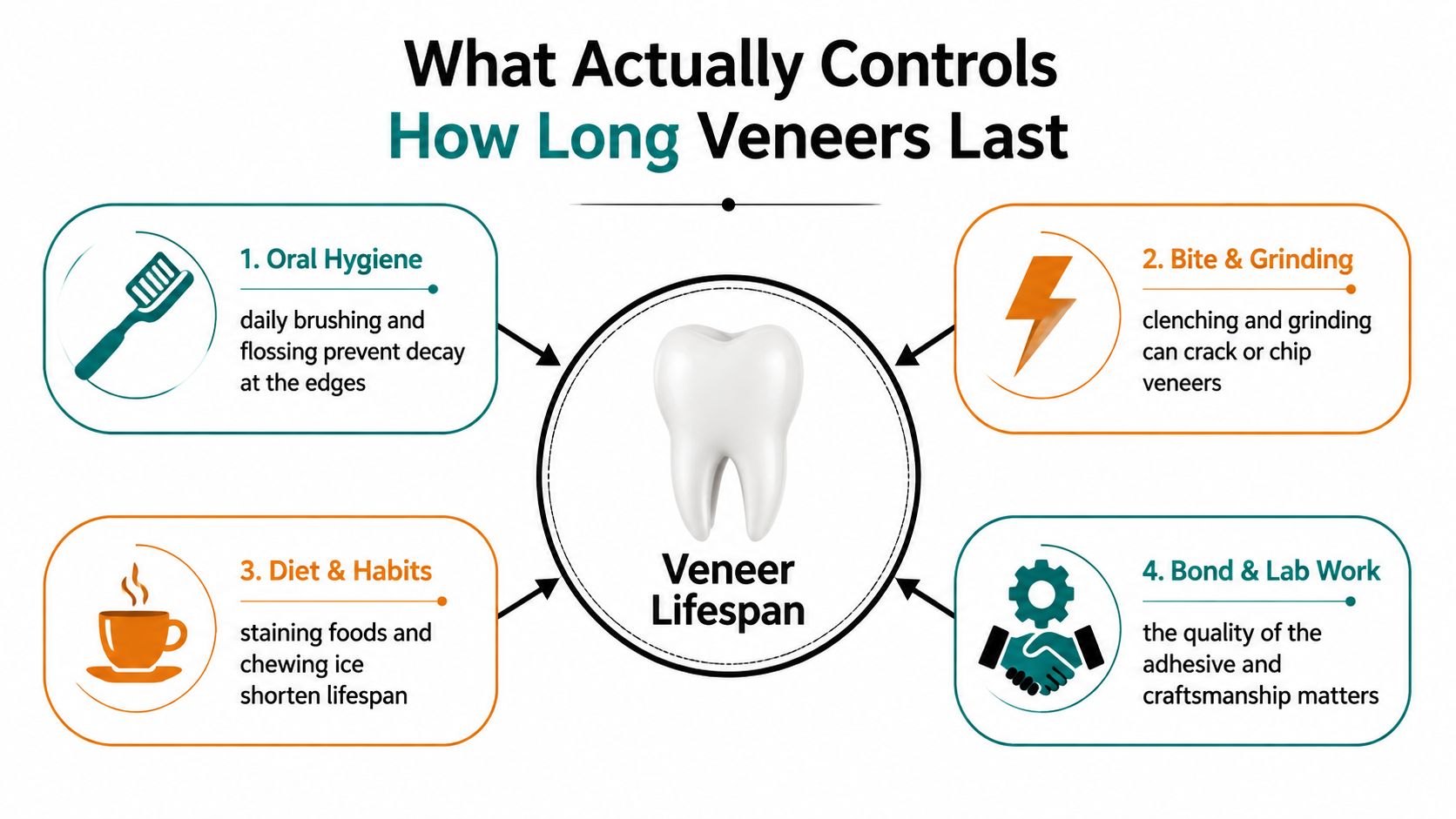
What Actually Controls How Long Veneers Last
A veneer's material sets a possible lifespan. Your tooth, bite, habits, and bonding conditions decide how much of that potential becomes your everyday result. Two patients can receive similar veneers yet need very different plans because the foundation and forces are different.
Oral hygiene and gum health
Plaque gathers around veneer margins just as it does around natural teeth. Inconsistent brushing or flossing can inflame the gums and allow decay to develop in the tooth beneath the veneer. Because these changes may be painless at first, a smile that still looks bright can need cleaning and examination.
Gently floss around each margin to remove plaque where a toothbrush cannot reach. Professional cleanings also give the dental team a chance to look for swelling, bleeding, gum recession, or an edge that has become harder to keep clean.
Bite and grinding forces
Repeated excessive force can damage a beautifully made veneer. Nighttime clenching, grinding, a deep overbite, or a heavy contact on a front tooth can stress ceramic or resin. Visible wear facets suggest a different risk profile from front teeth that meet lightly and evenly.
A custom night guard can reduce direct contact during sleep for patients who grind or clench. It will not correct every bite problem, but it can help protect both veneers and natural teeth.
Diet and daily habits
Ice, fingernails, packaging, and other objects can create force veneers were never designed to handle. Coffee, red wine, and tobacco are more likely to discolor composite than porcelain. Acidic drinks can also challenge the surrounding tooth and gum environment.
One mistake rarely determines the outcome. Repeated habits add stress day after day, much like bending a thin card in the same place until it weakens.
The bond and laboratory work
Veneers bonded mainly to enamel generally have a stronger foundation than veneers bonded substantially to dentin. Vital teeth with mostly enamel bonding showed stronger long-term performance in the evidence summarized by long-term veneer survival research. That review reported a pooled 10-year estimated cumulative survival of 95.5% across 25 studies and 6,500 veneers, with high component-specific survival for fracture, debonding, secondary caries, and endodontic treatment.
The consultation sets the starting conditions. Winn Smiles evaluates whether veneers suit the tooth, how much enamel can be preserved, and whether bite protection is needed. Accurate shade, contour, fit, and polish from the laboratory help the restoration feel natural and remain easier to clean.
Real Patient Stories With Very Different Outcomes
Two patients can choose the same general treatment and experience very different timelines. The difference often begins before the veneers are placed, with the condition of the teeth, the bite, and the expectations discussed during the consultation.
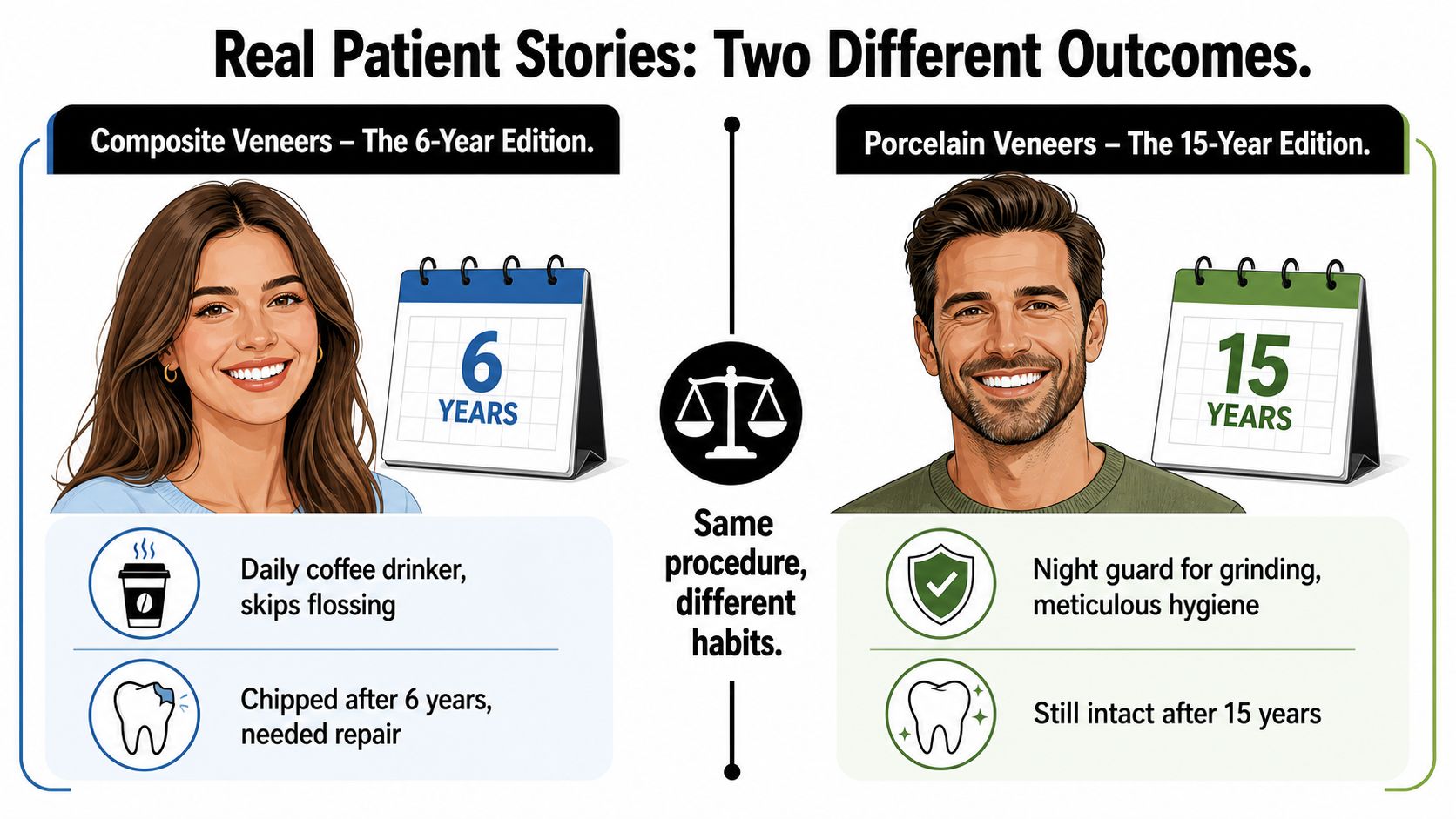
Consider a representative patient in her early thirties who chose six porcelain veneers on healthy enamel. Her teeth were vital, her gums were stable, and the veneers were designed around a balanced bite. She wore her custom night guard as advised and kept up with hygiene visits. She passed 15 years with only minor polishing and routine monitoring.
Now compare that with a patient who chose composite veneers to reduce the initial expense. He already showed wear facets that suggested grinding, but he skipped the recommended guard. He also had inconsistent flossing and regularly drank coffee. Within 5 years, the composite had worn and chipped enough that full replacement became the practical option.
The point isn't that porcelain guarantees a certain outcome or that composite is a poor choice. The point is that material, tooth condition, force, and maintenance work together. The same number of veneers can produce different experiences when those conditions change.
At Winn Smiles, these are the practical questions that shape a treatment plan designed for more than the next school photo. Readers researching practice growth can also find useful background in this dentist lead generation case study, but your own dental consultation should remain focused on your teeth, habits, and long-term goals.
Everyday Habits That Make Veneers Last Longer
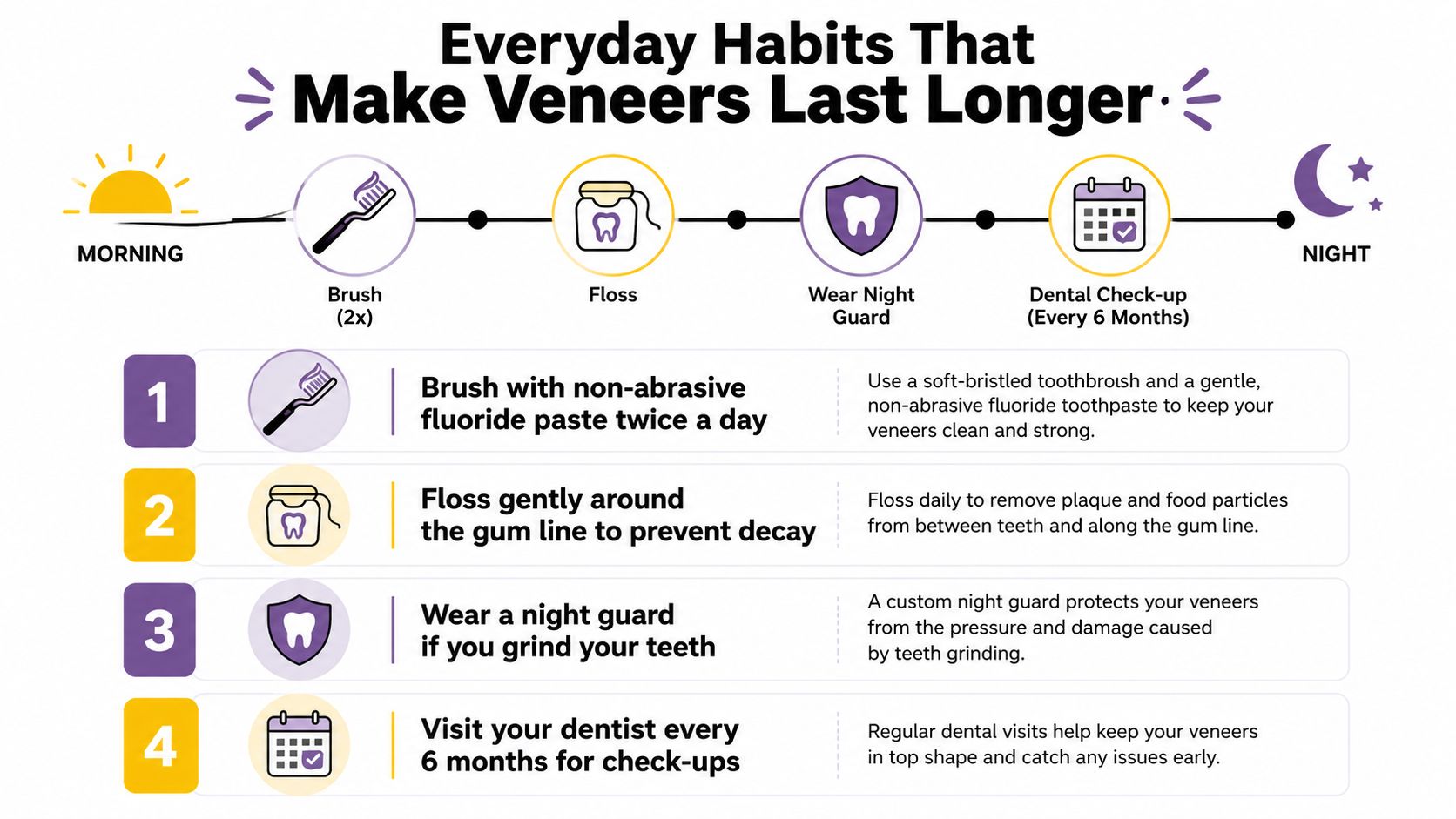
You don't need a complicated routine to protect veneers. You need consistent habits that keep the margins clean, reduce unnecessary force, and give your dentist a chance to catch small changes before they become large repairs.
Your daily routine
- Brush gently: Use a soft-bristled toothbrush and non-abrasive fluoride toothpaste. Scrubbing harder won't clean veneer margins better, and abrasive products can dull polished surfaces over time.
- Floss the margins: Slide floss carefully around the gumline and between the veneered teeth. Plaque left at the edge can threaten the tooth and the surrounding gums.
- Rinse after dark drinks: After coffee or red wine, rinse with water instead of brushing aggressively right away. A straw can reduce contact with dark beverages when it's practical.
- Stop using teeth as tools: Don't open bags, cut tape, crack shells, chew ice, or bite fingernails with veneered teeth. Scissors and nail clippers are cheaper than a cosmetic repair.
Protection while you sleep
If you clench or grind, ask about a custom night guard. Store-bought guards may not fit your bite or your veneers correctly, while a professionally designed guard can be shaped around your restorations and the way your teeth meet.
Tobacco can stain composite and can also affect gum health. Limiting tobacco and acidic sports drinks protects the tissues and teeth supporting the veneers. These choices aren't about pursuing a perfect routine. They're about reducing the small sources of wear that accumulate.
Regular professional care
Keep your cleaning and exam appointments so your dentist can inspect the veneer margins, gums, bite, and underlying teeth. Regular visits also support preventive care such as dental x-rays when indicated, periodontal evaluation, and early treatment of decay.
For a practical home-care reference, follow this guide on how to care for veneers. Treat the routine like maintaining a valuable car. Small maintenance is easier than waiting until a major component fails.
Warning Signs Your Veneer Needs Attention
A veneer doesn't always fail dramatically. Often, it gives you smaller signals first. Call your dentist if you notice a change, rather than watching it and hoping it disappears.
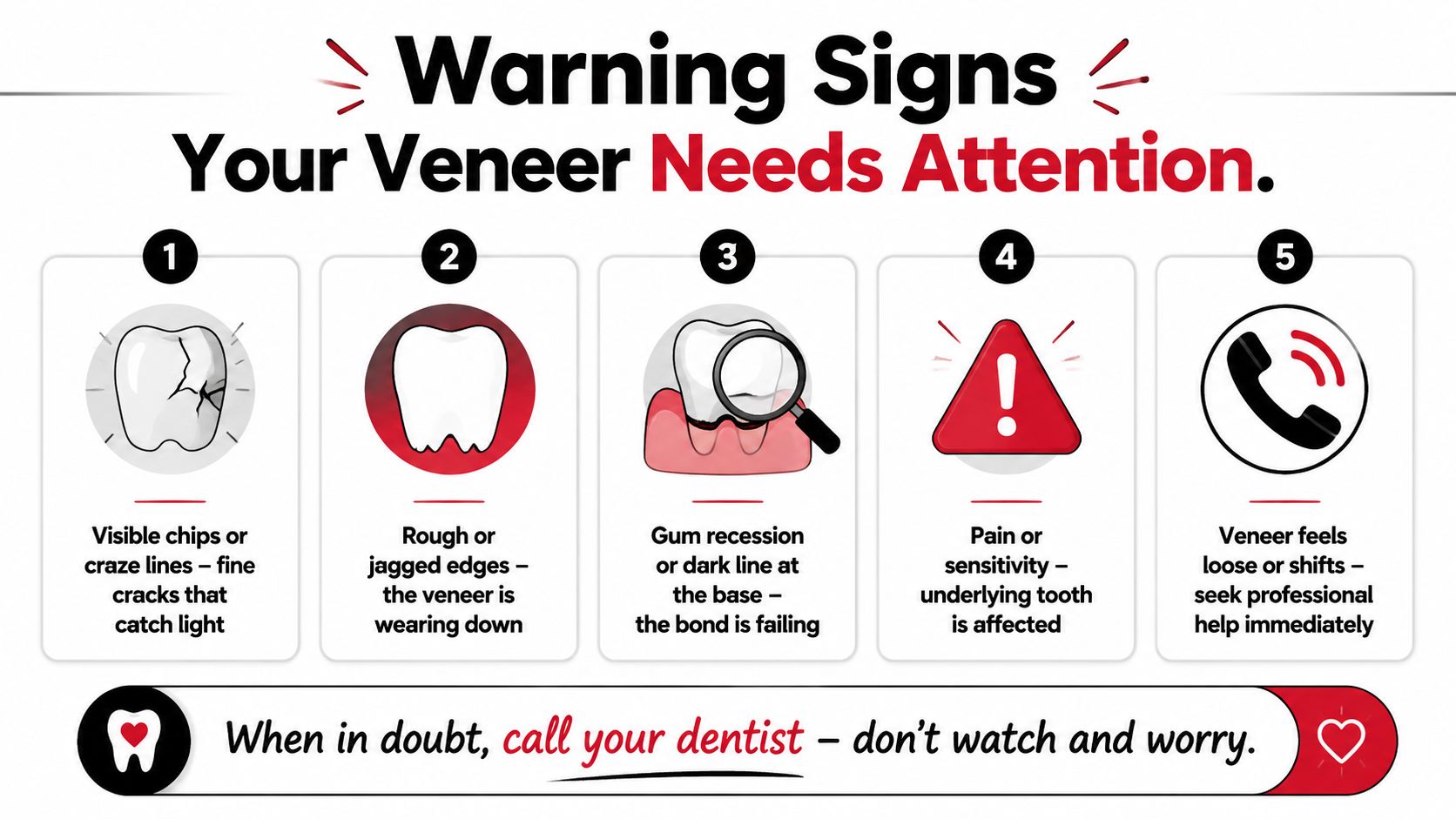
- A visible chip or craze line: A small chip may be cosmetic, while a deeper crack can affect the veneer's strength. If your tongue catches on a line, schedule an evaluation.
- A rough or jagged edge: Roughness may indicate wear, a chip, or a change where the veneer meets the tooth. A dentist may be able to polish a minor irregularity.
- A dark line at the gumline: Shadowing can reflect staining, gum recession, margin breakdown, or decay near the edge. It deserves an examination rather than an assumption that it's only a color issue.
- New cold sensitivity: Sensitivity can point to exposed tooth structure, a loosened bond, gum recession, or an underlying problem. Pain that lingers or intensifies should receive prompt attention.
- Movement or looseness: A veneer that shifts is not something to test repeatedly. Contact a dentist promptly, keep any detached piece safe, and avoid biting on that tooth.
Early attention often keeps the problem small. A polish, bite adjustment, repair, or single-veneer replacement can be far simpler than waiting until several teeth need treatment.
A Chattanooga or Cleveland dental office can also distinguish an urgent problem from a cosmetic concern. Severe pain, swelling, trauma, or a loose restoration may call for an emergency dentist visit, while a minor rough spot can usually be assessed through a routine appointment.
How Veneers Compare to Crowns, Bonding, and Implants
Veneers are designed for the visible front surface of a suitable tooth. They aren't the right solution for every damaged or missing tooth, and choosing the wrong treatment can compromise durability and oral health.
| Treatment | Typical lifespan | Tooth reduction | Best for | Typical cost tier |
|---|---|---|---|---|
| Porcelain veneers | About 10 to 20 years, with some cases lasting longer (long-term veneer study) | Minimal to conservative reduction when enamel can be preserved | Cosmetic changes to structurally sound front teeth | Higher |
| Composite bonding | About 4 to 8 years (porcelain veneer longevity review) | Often minimal | Lower-cost cosmetic reshaping, small chips, or limited color changes | Lower |
| Crowns | Long-lasting, but the exact lifespan depends on the tooth, material, bite, and maintenance | More extensive reduction because the crown covers the tooth | Teeth with substantial structural damage or large existing fillings | Moderate to higher |
| Implants | Designed as a long-term tooth replacement, with the crown and supporting components requiring individual monitoring | Replaces a missing tooth through a surgical implant procedure | Missing teeth that cannot be restored with a natural tooth-based option | Higher |
A crown covers the entire tooth, so it can protect a tooth that has lost significant structure. A veneer only covers the front, making it more conservative when the tooth is healthy enough and the bite is appropriate.
Composite bonding is sculpted chairside and can be repaired readily, which makes it useful when you want a quick or flexible cosmetic change. Its lower initial cost may come with more frequent polishing, repair, or replacement as the resin wears or discolors.
An implant is different from both. It replaces a missing tooth with a surgical post and a crown. A missing tooth needs a tooth-replacement plan, not a veneer. Likewise, a tooth with a large filling, extensive damage, or previous root canal treatment may need a crown rather than a veneer.
If you're weighing these options, this guide to veneers versus bonding can help you prepare questions for your consultation. An exam may also include dental x-rays, gum evaluation, and a bite assessment before your dentist recommends cosmetic dentistry, restorative dentistry, tooth extraction, or dental implants near me.
Planning Veneers With a Local Chattanooga or Cleveland Dentist
A thoughtful veneer consultation should feel like planning, not pressure. At Winn Smiles, the first visit can begin with a conversation about what you want to change, how long you want the result to last, your budget, and the habits that may affect the outcome.
The team may take intraoral photos, evaluate the gums and existing enamel, study how the teeth come together, and discuss whether porcelain or composite better matches your timeline. If you grind or clench, that information belongs in the plan from the beginning, not after a veneer chips.
What longevity planning includes
- Enamel preservation: Bonding to healthy enamel whenever possible supports a stronger foundation.
- Conservative preparation: Removing only what the case requires helps preserve natural tooth structure.
- Bite protection: Patients with grinding or clenching may benefit from a custom night guard.
- Maintenance planning: Cleaning and exams help monitor margins, gums, the bite, and the teeth beneath the veneers.
Winn Smiles serves patients in Cleveland and Chattanooga from a coordinated team, with follow-up access for people in Ooltewah, Hixson, Dalton, and Benton. The same local continuity can be helpful when a patient needs cosmetic dentistry, teeth whitening, general dental care, or a second opinion before deciding.
If you're learning about patient communication and practice visibility, how to market your practice offers broader marketing context. Your dental appointment, however, should stay centered on your health and your goals.
You should leave a consultation with clear options, realistic longevity expectations, and an understanding of what happens if a veneer needs repair or replacement. If you're comparing a cosmetic dentist near me with a full-service local office, ask how the practice evaluates enamel, bite forces, gum health, and maintenance before recommending treatment.
Winn Smiles offers porcelain veneers, composite options, cosmetic dentistry, restorative care, and preventive dental services for patients in Cleveland and Chattanooga, TN. Visit Winn Smiles to request a consultation and discuss a veneer plan built around your teeth, habits, comfort, and long-term smile goals.