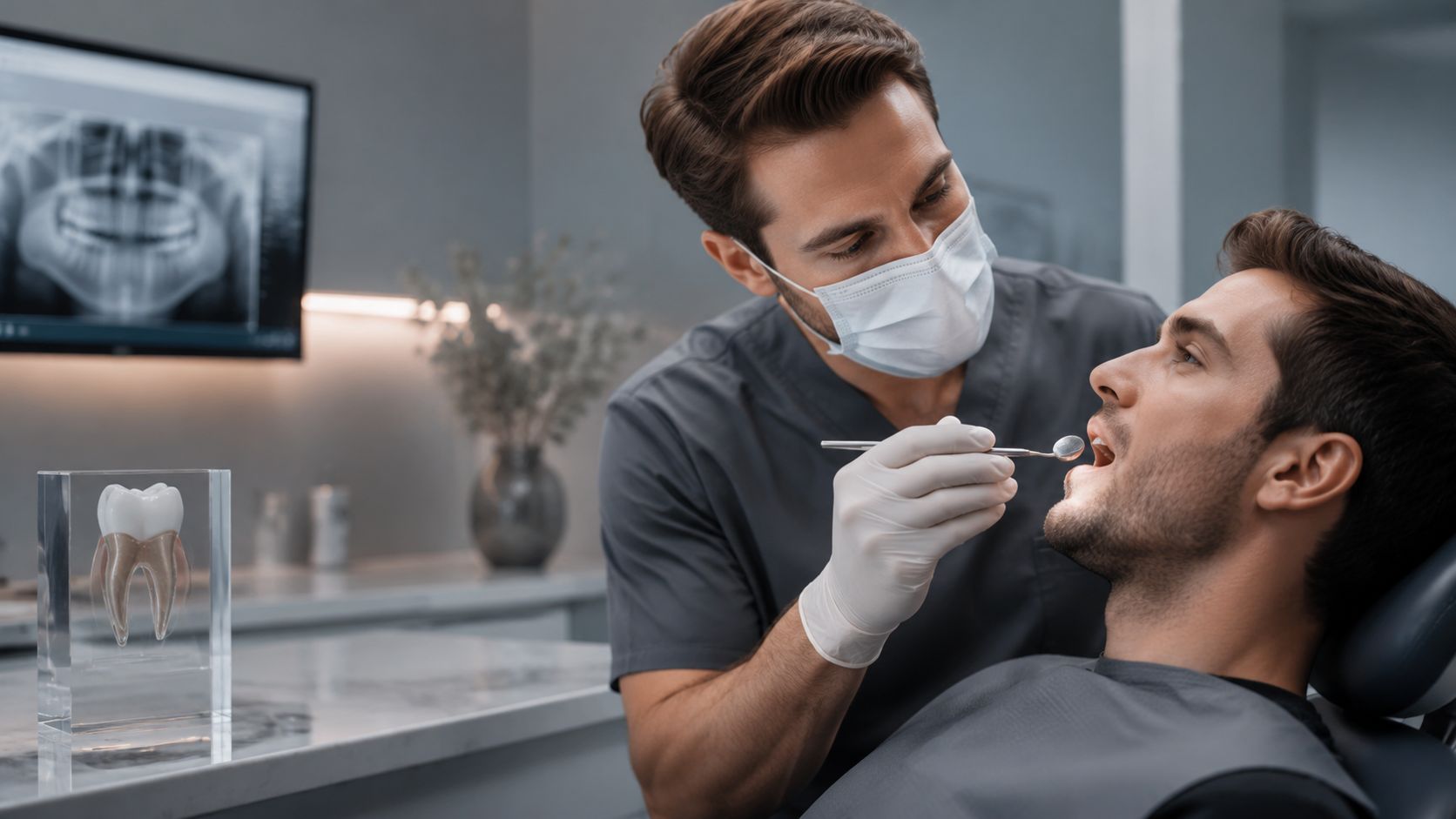
You notice pink in the sink after brushing. Maybe your gums feel puffy, or your breath hasn't felt fresh even right after you clean your teeth. A lot of people in Chattanooga and Cleveland, TN tell themselves they'll watch it for a while and hope it settles down.
That hesitation is understandable. Bleeding gums can feel alarming, and searching for a dentist near me often happens when you're already worried about what the visit might involve. The good news is that early gum disease can often be reversed, and even more advanced gum problems can usually be brought under control with the right plan.
If you've been trying to figure out how to reverse gum disease, the answer usually isn't one dramatic fix. It's a combination of timely dental care, a thorough cleaning strategy, and steady home habits. When patients have a local partner who explains things clearly and treats them gently, the process feels much more manageable.
Your Partner for Healthy Gums in Chattanooga & Cleveland TN
For many patients, gum disease starts with a small moment. You spit after brushing and see a little blood. You switch toothbrushes, brush more lightly, and hope that solves it. Then your gums still look red, or flossing feels sore, and the worry grows.
That's usually when people start looking for a dentist in Chattanooga, TN or dentist near me who won't make them feel judged. Gum problems are common, but they shouldn't be ignored. What matters most is getting a clear answer and a treatment plan that fits your needs.

Why early action matters
In the early stage, called gingivitis, the gums are inflamed but the damage may still be reversible. That's why waiting can be costly in a different way than people expect. The trade-off isn't just time. The longer inflammation sits around the gumline, the harder it becomes to handle with simple care alone.
Patients often assume bleeding means they should stop flossing that area. In reality, bleeding gums usually mean the tissue is irritated and needs proper attention, not avoidance. The right response is careful cleaning and a professional evaluation.
Practical rule: If your gums bleed repeatedly, feel swollen, or look like they're pulling away from your teeth, don't treat that as normal.
A local office should feel like a partner, not a lecture hall. Patients want someone who can help with periodontal care, but they also want a team they can come back to for cleaning and exams, dental x-rays, new patient exams, and long-term preventive care. If future needs include restorative dentistry, tooth extraction, or even dental implants near me, gum health becomes the foundation for all of it.
A local relationship changes the experience
People in this area often want one practice they can trust for everyday concerns and more involved treatment when needed. That includes gum care, emergency visits, cosmetic goals, and tooth replacement. For readers who want a broader look at local visibility and patient search behavior, Winn Smiles SEO results offer useful context on how people look for dental services online.
When gum disease is handled early and gently, the conversation changes. Instead of asking, “How bad is this?” patients can start asking, “What do I do next?”
Recognizing the Early Signs of Gum Disease
Gum disease starts when plaque sits along the gumline long enough to irritate the tissue. If that irritation continues, the gums become inflamed. At first, the problem may seem mild. The mouth doesn't always send strong warning signs right away.
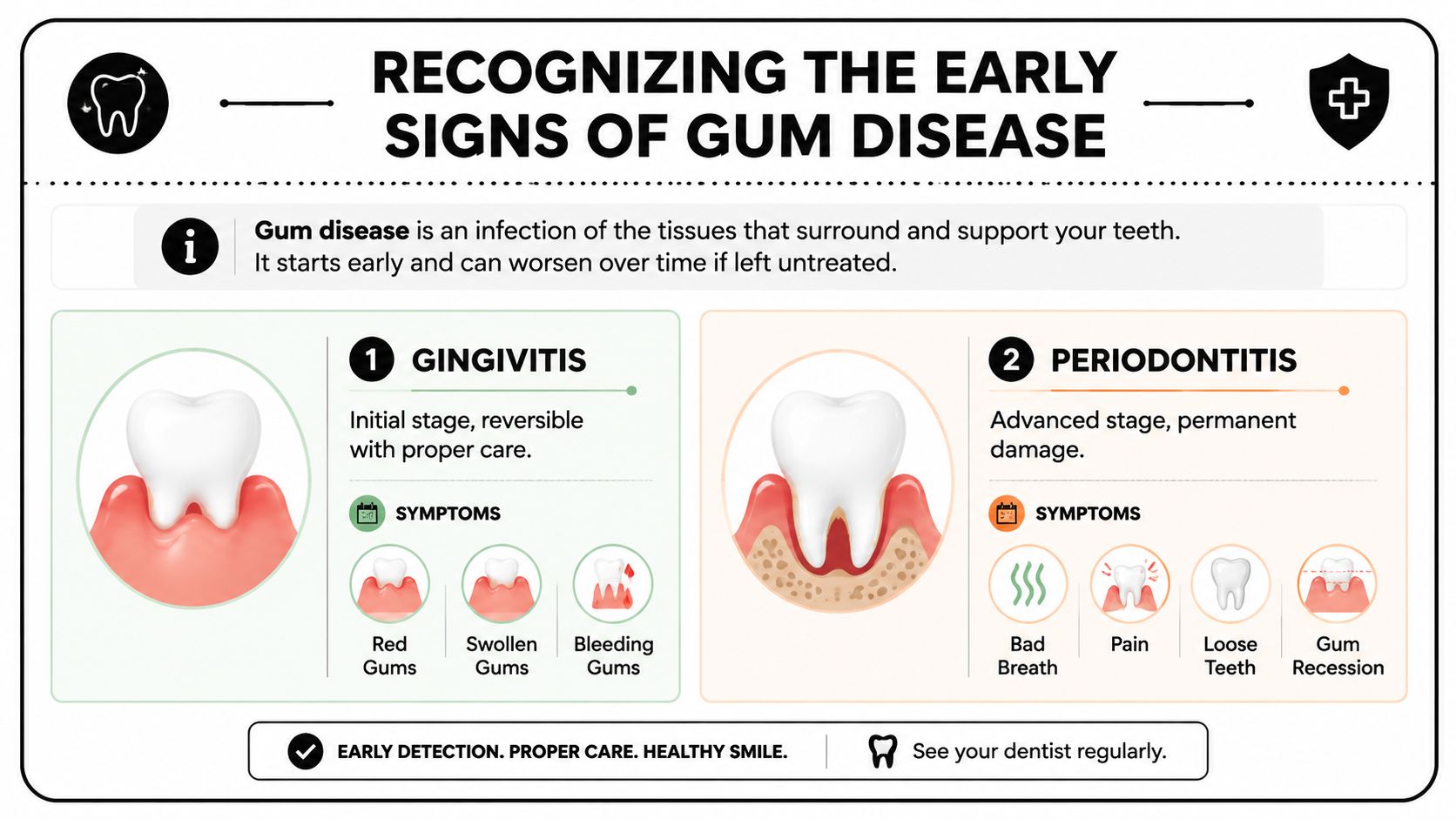
The first stage is gingivitis. At this point, the gums are irritated but the supporting structures around the teeth haven't been permanently damaged. If the infection and inflammation continue, it can progress to periodontitis, which is more serious and may involve gum recession, deeper pockets around teeth, and damage that can't be brushed away.
Signs you can spot at home
These symptoms are worth taking seriously:
- Bleeding when brushing or flossing means the gums are inflamed, even if it doesn't hurt.
- Red or swollen gums often show up before pain does.
- Tenderness along the gumline can make routine brushing uncomfortable.
- Persistent bad breath may be linked to bacteria collecting around inflamed tissue.
- Gums that seem to pull away from teeth can signal progression beyond early irritation.
- Loose teeth or discomfort when chewing suggest a more advanced problem that needs prompt care.
Some people are surprised when gum disease doesn't hurt much. That's one reason it gets missed. A mouth can look irritated long before it feels urgent.
Gingivitis versus periodontitis
A simple comparison helps:
| Stage | What it usually means | What to do |
|---|---|---|
| Gingivitis | Inflamed gums without deeper structural damage | Schedule a dental exam and improve daily cleaning |
| Periodontitis | More advanced infection involving deeper tissues | Get professional periodontal treatment and ongoing maintenance |
Bleeding gums are a symptom, not a harmless quirk. If they show up often, your gums are asking for help.
For patients in the Cleveland area searching for a dentist in Cleveland, TN, this is where a new patient exam becomes important. A proper exam can show whether you're dealing with early gingivitis that may respond quickly to treatment, or a deeper problem that needs more targeted care. That same visit may also include dental x-rays and a review of other issues that can affect treatment planning, including damaged teeth, old dental work, or untreated decay.
How Your Dentist Halts and Reverses Gum Disease
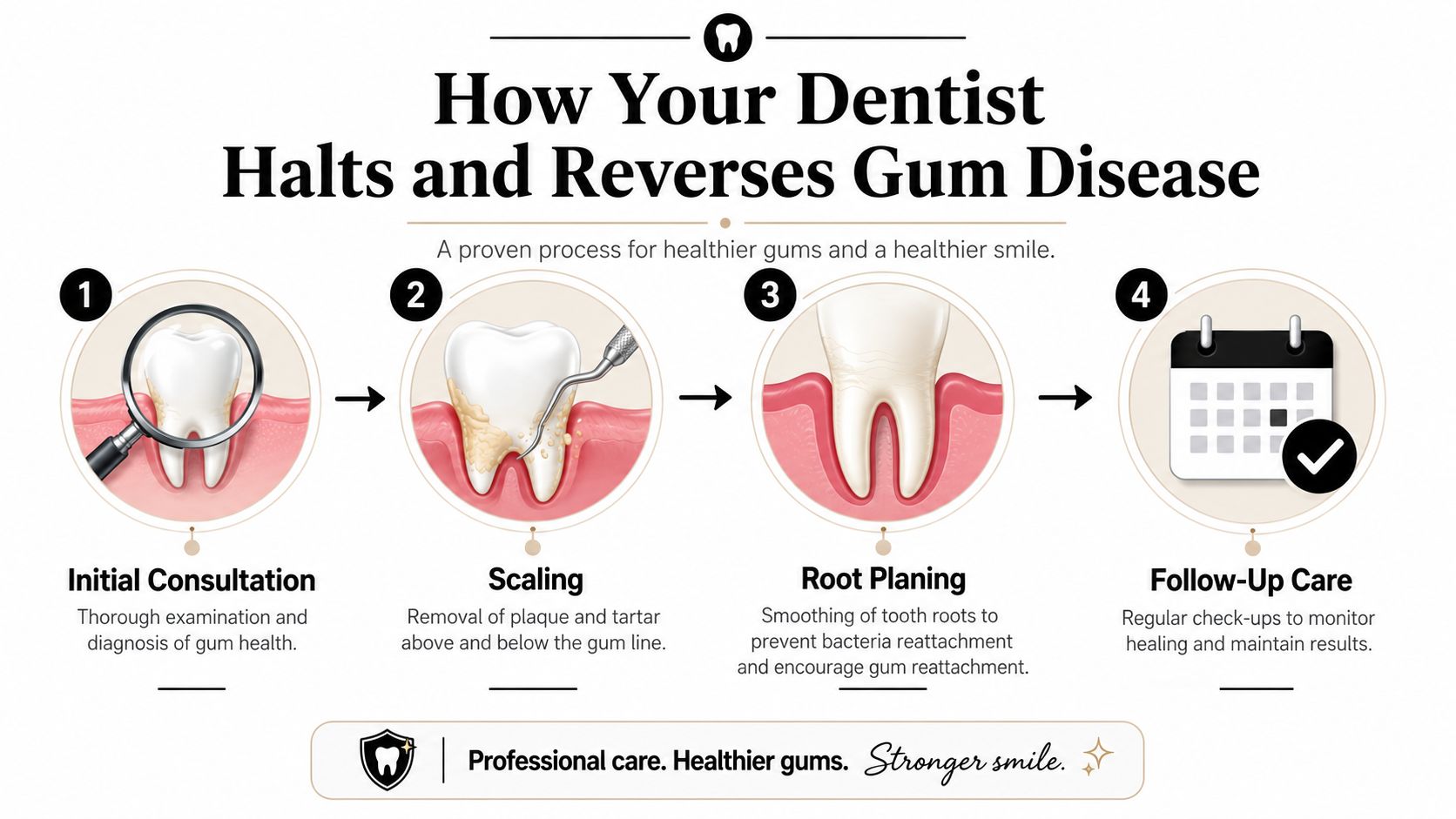
When patients ask how to reverse gum disease, the short answer is this. You remove the infection source, reduce inflammation, and create conditions where the gums can heal. That usually starts with a thorough exam and, when needed, scaling and root planing, often called a deep cleaning.
This process sounds intimidating until it's explained clearly. It isn't surgery. It's a focused cleaning that removes plaque and tartar from above and below the gumline, then smooths the root surfaces so bacteria have a harder time collecting again.
What treatment usually looks like
A gum disease visit often follows this pattern:
Exam and diagnosis
Your dentist evaluates the gums, checks for inflammation, and looks for areas where plaque and tartar have built up below the surface.Scaling
Hardened deposits are removed from the teeth and below the gumline.Root planing
The roots are carefully smoothed so the gum tissue can heal against a cleaner surface.Follow-up care
The gums are rechecked, and your home routine may be adjusted to help you maintain the result.
Later in the process, some patients also need localized antibacterial support or more frequent periodontal maintenance. That depends on what the mouth is doing after the first round of care.
A fuller overview of the procedure is available in this periodontal scaling and root planing guide.
What helps and what doesn't
Some approaches work well. Others waste time.
What helps
- Professional deep cleaning when buildup has moved below the gumline
- Laser dentistry in appropriate cases, because it can support precise, gentle treatment of inflamed tissue
- Regular rechecks so healing doesn't get ignored once symptoms improve
What doesn't
- Brushing harder, which can irritate already inflamed gums
- Relying on mouthwash alone, because rinses don't remove tartar
- Waiting for pain, since gum disease often progresses subtly
Winn Smiles offers periodontal care that includes scaling and root planing, along with laser dentistry used for gentle, precise treatment planning when clinically appropriate.
Here's a closer look at the deep-cleaning process many patients want to understand before they book:
Treatment works best when patients stop treating bleeding as the problem and start treating the bacteria and buildup causing it.
If you're also dealing with a broken tooth, infection, or sudden swelling, this same exam can help determine whether you also need emergency dentist care, tooth extraction, or restorative treatment. Gum care rarely exists in isolation. It's often part of a broader plan to stabilize the whole mouth.
Essential At-Home Care for Lasting Gum Health
Professional treatment starts the healing process. Home care protects it. If you want lasting improvement, your routine needs to be consistent and gentle enough that you'll maintain it.
A lot of people think they already brush well because they brush often. Technique matters more than force. Inflamed gums usually respond better to careful cleaning than aggressive scrubbing.
A routine that actually helps
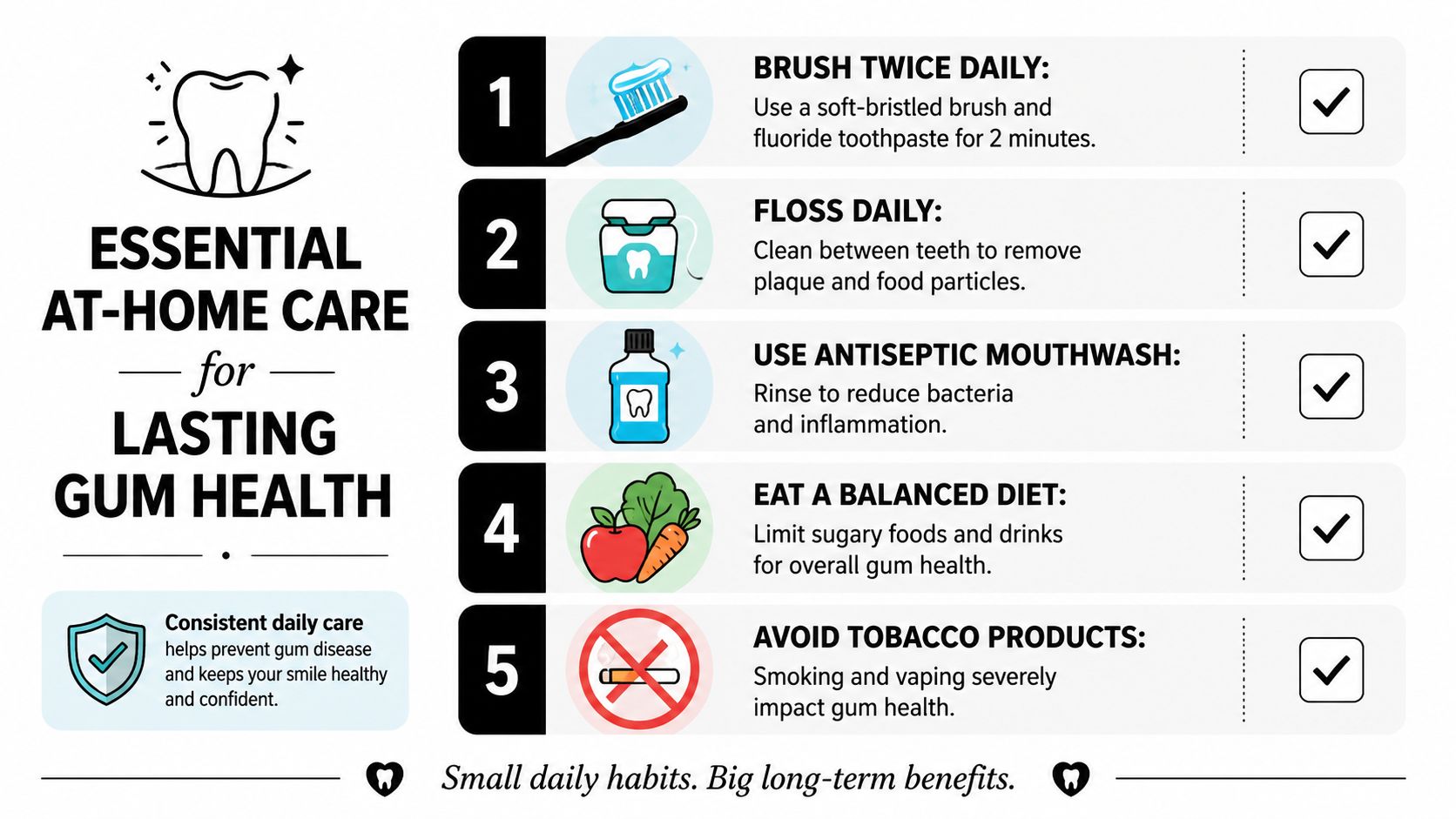
Try this daily checklist:
- Use a soft-bristled toothbrush and angle the bristles toward the gumline. Small circular motions usually clean better than hard back-and-forth scrubbing.
- Clean between the teeth every day. Standard floss works well when you curve it into a C-shape around each tooth and slide gently beneath the gum edge.
- Add an antimicrobial or antiseptic rinse if your dentist recommends one. It can support gum health, but it doesn't replace brushing or flossing.
- Consider a water flosser if traditional floss is difficult for you to use consistently. The best tool is often the one you'll use correctly every day.
- Replace worn toothbrush heads because frayed bristles don't clean the gumline well.
Lifestyle choices that affect healing
Food choices matter because sticky sugars and frequent snacking keep feeding the bacteria that irritate the gums. A balanced diet supports healing better than grazing on sweets and sipping sugary drinks throughout the day.
Tobacco is one of the biggest obstacles to gum recovery. Smoking and vaping can make healing harder and can mask early signs, which means the mouth may be worsening without obvious bleeding. If you've been trying to improve your gums while still using tobacco, that's a real trade-off worth discussing with your dental team.
For readers who want a practical outside perspective on daily prevention, Ringway Dental's oral hygiene advice is a helpful companion read.
A related local resource is this guide on how to improve gum health naturally.
Home care insight: The ideal routine isn't the most complicated one. It's the one you can repeat every day without rushing through it.
Patients who stay consistent at home usually make future dental visits simpler. They're also better positioned if they later want cosmetic dentist near me services such as teeth whitening or other cosmetic dentistry options, because healthy gums frame every smile.
Your Comfort-Focused Gum Care Visit in Cleveland TN
Dental anxiety keeps a lot of people from addressing gum disease early. They worry the appointment will be painful, embarrassing, or full of pressure. A good visit feels very different from that.
At a comfort-focused office, the first few minutes matter. You walk in, meet a team that speaks to you like a person, and settle into a space that doesn't feel cold or rushed. Patients who have put off care for a long time often relax once they realize no one is there to shame them for bleeding gums or missed cleanings.

What a first visit often includes
A new patient visit for gum concerns may involve:
- A conversation first so you can explain what you've noticed, including bleeding, tenderness, bad breath, recession, or sensitivity
- Gentle dental x-rays and an exam to see what's happening above and below the gumline
- A clear review of findings in plain language, without overwhelming jargon
- Comfort options if you're nervous, including sedation choices when appropriate
- A practical treatment plan that prioritizes the most important needs first
That step-by-step approach matters because fear often comes from not knowing what's next. When the team slows down and explains what they're seeing, the appointment becomes much easier to handle.
Comfort changes follow-through
Patients are more likely to complete treatment when they feel safe during care. That's especially important for periodontal treatment, which may require more than one visit and continued maintenance afterward.
Some patients also come in with overlapping needs. Gum disease may be part of the picture, but they may also need restorative dentistry, help with a cracked tooth, or guidance about replacing missing teeth later with dental implants. A calm, organized visit gives you room to address the immediate problem first without losing sight of the long-term plan.
Many anxious patients don't need less dentistry. They need a dental team that explains more, listens better, and moves at a pace they can handle.
For people looking for a dentist in Cleveland, TN or nearby care connected to Chattanooga, the experience should feel personal from start to finish. The right office doesn't just treat inflamed gums. It helps you rebuild trust in dental care itself.
Schedule Your Gum Health Consultation in Chattanooga Today
If you've been wondering whether gum disease can be reversed, the honest answer is yes in its early stage, and it can often be managed effectively even when it's more advanced. The key is getting the right diagnosis and acting before irritation turns into deeper damage.
Bleeding, swelling, tenderness, and gum recession usually don't resolve by wishful thinking. They improve when the bacterial buildup is removed, your gums are monitored, and your daily habits support healing. This is the answer to How to Reverse Gum Disease. It's a partnership between professional care and what you do at home.
Why it's worth dealing with now
Healthy gums do more than stop bleeding. They make brushing more comfortable, support your teeth, reduce chronic irritation, and create a healthier base for any future dental work. If you're considering cosmetic dentistry, teeth whitening, crowns, or dental implants near me, stable gum tissue is part of getting a result that lasts.
Putting treatment off tends to narrow your options. Getting evaluated early usually gives you more conservative choices and less stress overall. If you also have pain, swelling, or signs of infection, it's smart to ask whether you need emergency dentist care right away.
A simple next step
If you live in Chattanooga, Cleveland, TN, or nearby communities, schedule a consultation and get answers specific to your mouth. A thorough exam can show whether you need a routine cleaning, periodontal treatment, a maintenance plan, or additional care for related problems.
You don't need to guess whether the bleeding is serious. You don't need to wait until a loose tooth or severe discomfort forces the issue. A calm conversation, a careful exam, and a realistic treatment plan can move you from worry to action.
If your gums bleed when you brush, feel swollen, or seem to be pulling away from your teeth, it's time to get a professional opinion. Winn Smiles offers patient-focused dental care for Chattanooga and Cleveland, TN, including periodontal treatment, new patient exams, emergency dentistry, restorative care, and cosmetic options. Schedule a visit to get clear answers, gentle care, and a plan that helps you protect your smile for the long term.