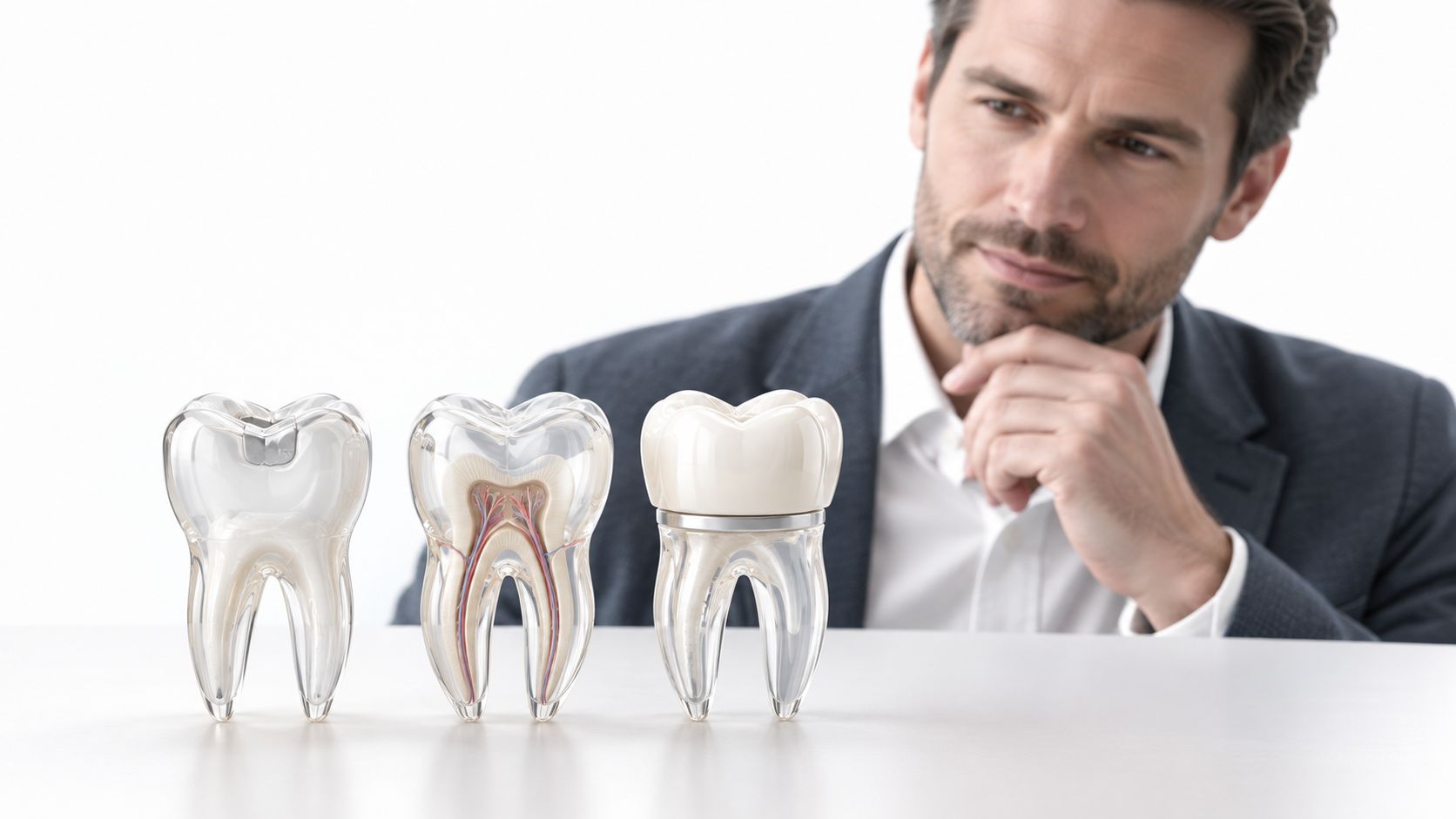
You open a treatment plan after a dental exam, scan the page, and your eyes go straight to the amount you may owe. You see terms like patient responsibility, estimate, deductible, and insurance portion. Even if you came in for something simple like a cleaning and exam, the financial side can feel harder to understand than the dental side.
That reaction is common. Individuals generally don't mind paying for care when they understand what they're paying for, why it's needed, and what choices they have. The stress usually comes from uncertainty.
Whether seeking a dentist near me, an emergency dentist, a cosmetic dentist near me, or even help comparing options for tooth extraction, dental implants near me, or routine dental care in Chattanooga, TN, or Cleveland, TN, it helps to know how out of pocket dental costs work before treatment begins. When the process is explained clearly, it gets easier to make calm, informed decisions about your health.
Navigating Dental Costs in Chattanooga and Cleveland
A dental estimate can stir up a lot at once. You may be thinking about a sore tooth, a broken filling, or a smile concern you've put off for a while. Then the financial page lands in your hands, and now you're trying to decode a second problem while still thinking about the first.

Why cost conversations feel so confusing
Dental billing uses words that sound familiar but often aren't clear in the moment. Out of pocket usually means the part of your care that you pay yourself. Patient responsibility points to the same idea, but it may include several smaller pieces grouped together.
That can leave patients wondering:
- Is this the final price: Or just an estimate based on current insurance information?
- Why isn't insurance covering all of it: Especially if the treatment feels medically necessary.
- Can I break treatment into phases: So the cost is easier to manage.
- Do I have options: If I need urgent care now.
Practical rule: Don't judge a treatment plan by one number alone. Ask what the total fee includes, what insurance may cover, and what your choices are if you want to phase care.
What financial clarity should look like
A good cost conversation should feel like a plain-language walkthrough, not a rushed handoff. You should be able to see what treatment is recommended, what each part does, and what portion may become your responsibility.
For patients looking for a dentist in Chattanooga, TN or dentist in Cleveland, TN, that matters just as much as the clinical side of care. Whether you need cleaning and exams, dental x-rays, new patient exams, restorative dentistry, or same-day help from an emergency dentist, understanding the money side helps you move forward with less hesitation.
Local patients also tend to compare care based on convenience. If you have a busy workweek, family responsibilities, or an urgent dental problem, you need more than a vague estimate. You need a clear path. That's especially true when you're considering larger treatments such as crowns, dental implants, cosmetic work, or a tooth extraction.
A calmer way to approach the bill
Start with one question: What am I personally expected to pay, and why?
Then ask what can change that amount. Insurance details, the type of treatment, and whether care can be staged over more than one visit can all affect the final number.
Once those pieces are separated, the bill becomes much easier to understand.
Decoding Your Dental Bill What Out of Pocket Means
The simplest way to think about out of pocket dental costs is this. A dental visit has a total fee. Your insurance may pay part of that fee, depending on your plan. The amount left over is the part you pay.

A simple everyday example
Imagine paying a restaurant bill with a gift card. The full meal has one total price. The gift card covers part of it. You pay the rest yourself.
Dental insurance works in a similar way, except there are more rules attached. The insurance company may only help with certain services, may require a waiting period before helping with major procedures, or may leave part of each covered service for you to pay.
That's why two patients getting the same filling or crown may have different out of pocket costs.
The words patients see most often
Here are the terms that cause the most confusion on treatment plans and estimates.
- Deductible means the amount you may need to pay first before your dental plan starts sharing costs for certain covered services.
- Copay usually means a set fee tied to a visit or service under your plan.
- Coinsurance means you and your insurance split the cost by portions set by the plan, leaving you with your share.
- Estimate means the office is giving you the most accurate forecast possible based on the insurance information available at that time.
The number on an estimate isn't random. It's a working prediction based on your treatment plan and the benefits information available before the claim is processed.
Why the same service can look different on two bills
A routine preventive appointment may have little or no personal cost for one patient and a noticeable balance for another. A root canal, crown, or tooth extraction may also be covered differently depending on the plan's rules.
That doesn't mean anyone made a mistake. It usually means the plans aren't built the same.
For people who want a behind-the-scenes look at how front desk support shapes communication and scheduling in a dental office, Cool Blue VA for dental practice support gives a useful overview of the administrative side patients often don't see.
A short video can also make these terms easier to follow:
How to read your estimate with more confidence
When you review a treatment plan, look for these three layers:
The recommended care
This is the treatment itself, such as a cleaning, filling, crown, emergency visit, or implant consultation.The projected insurance portion
This is what the office expects your plan may contribute based on current information.Your projected responsibility
This is the amount likely to fall to you, though final claim processing can still affect it.
If you understand those layers, a dental estimate stops feeling like a mystery and starts feeling manageable.
Common Dental Procedures and Their Typical Cost Ranges
Most patients don't want billing theory alone. They want a practical starting point. They want to know what a cleaning might cost without insurance, how much a filling can vary, or why larger procedures such as crowns, root canals, and implants usually involve wider ranges.
Because every case is different, the most honest way to present costs is as general ranges, not fixed promises. Materials, complexity, location in the mouth, and whether extra steps are needed can all change the final fee.
Estimated Out-of-Pocket Costs for Common Dental Procedures in Tennessee
| Dental Procedure | Typical Cost Range |
|---|---|
| Cleaning and exam | Varies by practice and whether x-rays or a new patient evaluation are included |
| Dental x-rays | Varies based on the type and number of images needed |
| New patient exams | Varies depending on whether imaging, periodontal charting, or emergency evaluation is part of the visit |
| Filling | Varies based on tooth location, size of the cavity, and material used |
| Tooth extraction | Varies depending on whether the tooth is simple to remove or impacted |
| Root canal | Varies by tooth type and case difficulty |
| Dental crown | Varies by material, lab process, and whether additional buildup is needed |
| Same-day crown | Varies based on technology used and the specifics of the tooth being restored |
| Teeth whitening | Varies by in-office versus take-home approach |
| Dental implant | Varies based on surgical needs and whether additional components or bone support procedures are required |
| Full-arch implant solutions | Varies widely depending on planning, surgery, restoration design, and the number of arches treated |
Why preventive care is usually the lowest starting point
Routine cleaning and exams, dental x-rays, and new patient exams are often the most predictable services. They're also the easiest place to save money over time, because they help catch small issues before they become larger restorative problems.
A small cavity found during a checkup is usually easier to treat than a tooth that later needs a root canal and crown.
Why restorative treatment varies more
A filling sounds straightforward until you compare a tiny chip on a front tooth with a large cavity on a back molar. The time, materials, and technique can be very different. The same idea applies to crowns and root canals.
Some patients also need steps that aren't obvious at first glance, such as removing old decay, rebuilding part of the tooth before placing a crown, or managing infection before restoring function. Those details affect cost because they affect the work involved.
A lower fee doesn't always mean lower total cost in real life. If treatment requires more visits, temporary fixes, or future replacement sooner than expected, the overall burden can feel higher.
Why implant and cosmetic pricing often has the widest range
With dental implants near me searches, many patients are trying to compare one number across offices. The challenge is that an implant isn't always one single item. The process may include imaging, planning, surgical placement, healing, and the final restoration.
Cosmetic services also vary because goals vary. One person wants modest whitening. Another wants a broader smile redesign involving shape, color, and bite considerations. That's why a custom estimate matters more than a generic online price list.
For a closer look at cosmetic treatment considerations, this guide to cosmetic dental cost can help you frame the right questions.
Where convenience adds value
Technology can change what you pay for in ways that aren't obvious from a fee line alone. A same-day crown, for example, may reduce repeat visits and time away from work or family schedules. For many patients in Chattanooga and Cleveland, that convenience matters just as much as the treatment itself.
If you're comparing options for restorative dentistry, cosmetic dentistry, or replacement for a missing tooth, it helps to look beyond the label of the procedure and ask what the full process includes.
Key Factors That Influence Your Final Dental Costs
The final cost of care isn't driven by one thing. It usually comes from several factors working together, like a web. The tooth itself matters, the materials matter, the tools used matter, and the overall plan matters.

Case complexity changes everything
A straightforward filling takes a different level of planning than a tooth with deep decay near the nerve. A simple crown differs from a tooth that needs stabilization before it can be restored. Complexity affects chair time, planning, and the number of steps required.
Here are common examples of complexity that can raise or lower the final cost:
- Extent of damage affects whether the tooth needs a small repair or a more involved restoration.
- Tooth position matters because front teeth and back teeth often require different approaches.
- Supporting issues such as infection, bite problems, or gum concerns can shape the treatment plan.
- Urgency may influence how quickly treatment needs to happen, especially in emergency cases.
Materials and technology affect value
Not all restorations are made from the same materials. A crown may be designed with one material for strength, another for esthetics, or a combination chosen for the location of the tooth and the patient's goals.
Technology also changes the experience. Digital scanning, laser dentistry, and CEREC same-day crown systems can influence cost because they change how treatment is designed and delivered. In some cases, patients pay for added precision, fewer visits, or a more efficient process.
Worth remembering: The best question isn't just "What does it cost?" Ask "What am I getting for that cost in comfort, durability, and time saved?"
Sedation and comfort options are part of the plan
Many adults put off care because they're nervous, embarrassed, or worried about discomfort. If a patient chooses oral sedation or another comfort-focused option, that becomes part of the treatment cost.
That isn't a hidden fee. It's an added service tied to a more manageable experience, especially for people who haven't seen a dentist in a long time or who need multiple procedures in one visit.
Local market and provider background also play a role
Dental fees can vary from one region to another, including within the Chattanooga and Cleveland area. Office overhead, staffing, lab relationships, and the type of technology used in the practice all influence pricing.
Provider experience also matters. A dentist's training, treatment approach, and familiarity with advanced procedures can shape both the care plan and the fee structure. That's especially relevant for services such as dental implants, cosmetic work, same-day restorations, and more complex tooth extraction cases.
When you understand these factors, pricing feels less arbitrary. It starts to reflect the details of the care being delivered.
How Dental Insurance Reduces Your Responsibility
Insurance can lower what you pay, but it doesn't work like an unlimited discount card. It works more like a set of rules. Those rules determine what services are covered, when they are covered, and how much of the fee the plan may help with.

What happens after your visit
Once treatment is completed, the office sends a claim to your insurance carrier. The carrier reviews it under your plan terms, then decides what portion it will pay and what portion stays with the patient. That review process is commonly called adjudication.
If you've ever wondered what happens during that stage, this explanation of managing claim adjudication for RCM is a helpful plain-language resource.
Terms that affect your final bill
A few insurance terms have a direct effect on what you owe:
- Annual maximum is the limit your plan may contribute during a benefit period.
- Covered services are the procedures your plan agrees to help pay for under its terms.
- Waiting periods mean some plans delay coverage for certain services, especially more involved treatment.
- In-network and out-of-network rules affect how the plan calculates payment and what remains your responsibility.
These details matter most when treatment goes beyond prevention and into restorative or surgical care.
Why estimates and final insurance payments can differ
An office can verify benefits and provide a careful estimate, but the insurance company still makes the final claim decision. That's why your amount due can sometimes shift after the claim is processed.
That doesn't mean cost discussions are pointless. It means estimates are planning tools, and they're still one of the best ways to prepare for treatment with fewer surprises.
Insurance helps, but it rarely removes the need for a patient conversation about priorities, timing, and budget.
In-network versus out-of-network in real life
Patients often assume out-of-network automatically means they can't use benefits. That's not always true. Some plans still allow benefits at out-of-network offices, though the reimbursement structure may be different.
The practical question isn't just network status. It's this: What does my plan pay for this specific service, and what will likely remain my responsibility? That's the question patients should ask before scheduling larger procedures, from crowns to implants to emergency treatment.
Making Quality Dental Care Affordable in Our Community
Understanding the bill is one part of the puzzle. The next part is figuring out how to move forward without feeling cornered. Most patients don't need a perfect financial situation before getting care. They need options they can understand and use.

Your affordability toolkit
Some strategies lower the immediate burden. Others help you plan smarter over time.
Use preventive visits consistently
Routine care doesn't guarantee you'll avoid future treatment, but it often gives you the best chance to catch problems earlier, when they are simpler and less disruptive.Ask whether treatment can be phased
In some cases, care can be sequenced over multiple visits or stages. That can help you address the most urgent issue first while planning for the rest.Look into financing
Third-party financing can spread treatment costs over time, which can be especially helpful for crowns, cosmetic treatment, implants, or urgent restorative care.Use HSA or FSA funds if available
These accounts can be useful for eligible dental expenses because you're using designated healthcare funds rather than regular monthly cash flow.
Options for patients without traditional coverage
Not everyone has dental insurance, and many insured patients still face gaps for major treatment. That's where office-specific options can help.
Some practices offer membership plans for patients who want a more predictable way to budget for preventive care and discounts on additional services. Some also offer financing guidance and phased treatment planning for larger needs.
For patients comparing payment approaches, this page about payment plans for dental work outlines common ways to think through affordability.
When a second opinion can save stress
A second opinion isn't only about confirming whether treatment is necessary. It can also help you compare timing, sequencing, and replacement options. That's especially useful for major restorative work, full-arch planning, or situations where you're deciding between saving a tooth and replacing it.
Winn Smiles offers estimates of expected out of pocket costs before treatment and provides consultations or second opinions for select services, which gives patients another way to review both the clinical plan and the financial path.
What to ask before saying yes
If cost is weighing on you, bring these questions into the conversation:
- Which part is most urgent
- Can any part wait safely
- What payment options are available
- Is there a lower-cost alternative that still protects my oral health
- What will happen if I postpone treatment
Those questions often reduce anxiety fast, because they turn a vague financial fear into a practical decision.
Schedule Your Consultation at Winn Smiles Today
Dental costs feel more manageable when you can see the full picture. You need to know what treatment is recommended, why it matters, what insurance may do, and what your own financial options look like before you commit.
That kind of clarity matters whether you're searching for a dentist near me for routine dental care, looking for an emergency dentist for pain, comparing options for tooth extraction, or planning ahead for cosmetic dentistry, teeth whitening, or dental implants near me in Chattanooga or Cleveland.
If you've been delaying care because you're worried the financial conversation will be confusing or uncomfortable, it's worth changing that expectation. A good dental visit should make space for questions about comfort, treatment, and cost.
Patients in Chattanooga, TN, Cleveland, TN, and nearby service areas can take the next step by scheduling a new patient exam, requesting a consultation, or asking for a second opinion when treatment choices feel unclear. Getting answers early often makes the path forward much simpler.
If you're ready for straightforward guidance on treatment, insurance questions, and expected costs, contact Winn Smiles to request an appointment in Chattanooga or Cleveland.