You're scrolling through veneer before-and-after photos, imagining a brighter, more even smile, while wondering what could go wrong. Searching for a cosmetic dentist near me in Chattanooga or Cleveland, TN often brings up polished results but fewer practical answers about sensitivity, gum irritation, replacement, or the long-term effects of changing healthy teeth.
Veneers can be an effective cosmetic dentistry option when the case is carefully selected and the preparation, bonding, bite, and gum health are managed well. They're also a permanent commitment in many cases. Before you schedule treatment, you deserve a clear explanation of veneers side effects, including the issues that may not appear in simplified marketing pages.
Why Understanding Veneers Side Effects Matters Before You Commit
A patient considering veneers usually starts with an understandable goal. They may have discoloration that doesn't respond well to teeth whitening, small chips, uneven edges, gaps, or a smile that has always made them hesitant in photographs. The patient may also be comparing porcelain veneers with composite veneers, Invisalign, or restorative options without knowing which problem each treatment solves.
The concern usually appears after the excitement. Will the teeth feel sensitive? Could the gums become irritated? What happens if one veneer chips? If the veneers look excellent now, what happens when they eventually need replacement?
Those are appropriate questions, not signs that you're overthinking treatment. A veneer covers the visible front surface of a tooth, but the result depends on the natural tooth beneath it, the surrounding gum tissue, your bite, your habits, and the quality of the bond.
The practical rule: A beautiful smile is only a successful result if the teeth and gums remain healthy around it.
Why the decision is permanent
Traditional veneer preparation removes a thin layer of enamel so the restoration can fit naturally and bond securely. Enamel doesn't grow back, so the tooth is permanently altered and will need some form of restoration going forward, as explained in this clinical overview of veneer irreversibility.
That doesn't make veneers unsuitable. It means the decision should follow a proper examination rather than a photo-based decision. A conservative approach may involve asking whether whitening, minor reshaping, bonding, orthodontic treatment, or no treatment would better match your needs.
At Winn Smiles, patients in Chattanooga, Cleveland, and nearby communities can use a consultation to discuss those trade-offs directly. The right conversation includes both the smile you want and the maintenance that smile may require later.
The Most Common Veneers Side Effects Patients Experience
Patients most often ask about temporary sensitivity, fracture, chipping, debonding, marginal discoloration, and secondary decay. These problems are not inevitable, and their clinical significance varies. Sensitivity may settle after treatment, while a poorly fitting margin can create an ongoing problem involving hygiene, appearance, and future restorative work.
Sensitivity usually reflects the preparation and condition of the tooth. Removing enamel can leave dentin closer to the surface, making hot, cold, or sweet foods uncomfortable. A heavy bite, an already weakened tooth, or a restoration that does not seal predictably can increase the chance that discomfort persists.
What clinical reviews show
A 2024 systematic review described veneer complications as relatively infrequent but measurable over time. Individual risk still depends on preparation, material, bite, oral hygiene, and follow-up.
| Complication | Reported frequency | Typical timeline |
|---|---|---|
| Fracture | About 2% to 7% | More relevant during longer-term use |
| Debonding | About 1% to 6% | Can occur during service, especially when bonding conditions are less favorable |
| Marginal discoloration | About 5% to 12% | Often becomes more noticeable with time |
| Secondary caries | Under 3% | Can develop when plaque or leakage persists around a margin |
These figures come from the 2024 systematic review of contemporary dental veneers. The review also found that most complications in long-term follow-up occurred in fewer than 10% of cases. A low frequency does not make a problem unimportant when it affects a tooth that has already been permanently prepared.
A clinical review of ceramic veneers estimated an overall cumulative survival rate of 89% over a median follow-up of 9 years. It reported debonding at 2%, fracture or chipping at 4%, secondary caries at 1%, severe marginal discoloration at 2%, and endodontic problems at 2%. Those findings show why veneer treatment creates a long-term restorative commitment, even when the initial result is successful. The evidence is summarized in the clinical evidence on ceramic veneer outcomes.
Why color and longevity can change
Veneer material may resist staining differently from natural enamel, but the surrounding tooth, bonding line, gumline, and neighboring restorations can change. A visible mismatch may develop even when the veneer itself remains intact. The review reported marginal discoloration at 9% after 5 years, while marginal integrity issues ranged from 3.9% to 7.7% over the same period.
A short episode of sensitivity may be manageable. A fractured veneer, leaking margin, or decay beneath a restoration can require repair, replacement, or additional restorative dentistry. Those possibilities belong in the decision before treatment, not after the first veneer fails.
Gum Irritation and Soft Tissue Risks Most Guides Overlook
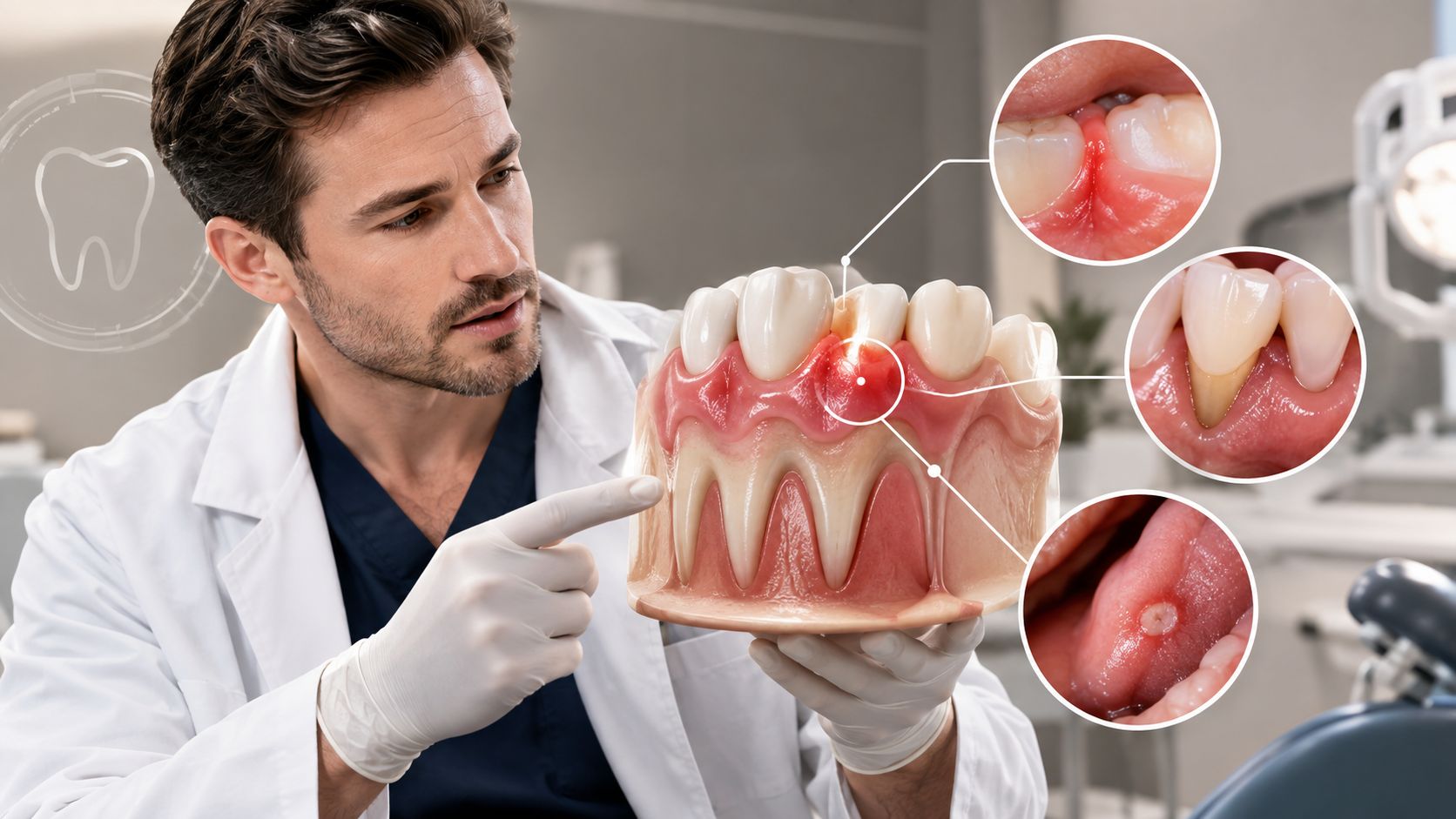
Veneer side effects aren't limited to the tooth. Patients may notice gum redness, tenderness, bleeding, food catching, or a change in how the gumline looks before they notice a fracture or debonding.
The gum tissue sits directly beside the veneer margin. If that margin is overcontoured, rough, poorly adapted, or difficult to clean, plaque can accumulate in the area. Over time, that can contribute to inflammation, microleakage, decay, pulpal irritation, or periodontal disease.
What patients may notice first
A patient-awareness study on porcelain laminate veneers reported adverse events including gum hyperplasia, gingival recession, redness, toothache, and taste or smell changes, as documented in this study of patient-reported veneer effects. These symptoms don't automatically mean a veneer has failed, but they do deserve an examination.
Food impaction around an edge can be especially frustrating. It may indicate a contact or contour issue, or it may reflect changes in the gum between teeth. Persistent bad taste, localized bleeding, or a sore gumline shouldn't be dismissed as something you need to tolerate.
A well-designed veneer should support normal brushing and flossing rather than make daily hygiene more difficult. If floss repeatedly catches, the gum remains swollen, or one area becomes harder to clean, contact your dental office.
Why margins matter
The margin is where the veneer, bonding material, tooth, and gum environment meet. Small imperfections can create a place for bacteria and plaque to remain undisturbed. That's why regular cleanings and exams are part of cosmetic care, not an optional extra.
Gum health also affects appearance. Recession can expose more of the natural tooth and make the veneer seem shorter or visually disconnected from the gumline. Hyperplasia or inflammation can partially cover the restoration and create an uneven contour.
Watch for: bleeding, swelling, persistent redness, new sensitivity at the gumline, food trapping, or a rough edge that doesn't improve.
How Material Choice and Tooth Structure Affect Your Long-Term Risk
Two patients may seek veneers for similar cosmetic concerns yet face different long-term risks. Outcomes depend on the material, bite, gum condition, available enamel, and whether the veneer bonds mainly to enamel or to dentin and existing composite.
Long-term clinical evidence found that ceramic veneers bonded to enamel had about 99% survival and success. Complications and failures were less common when the bonding interface remained mostly enamel. Teeth with minimal dentin exposure were also significantly less likely to need intervention than teeth with severe dentin exposure, according to long-term evidence on veneer substrate and outcomes.
That distinction matters biologically. Enamel provides a more predictable bonding surface, while exposed dentin can increase sensitivity and make future restorative work more dependent on adhesive technique and remaining tooth structure.
Material comparisons need context
Feldspathic porcelain, leucite-reinforced glass ceramic, and lithium disilicate differ in handling, thickness requirements, and strength. The appropriate choice depends on the tooth, bite, cosmetic goal, planned thickness, and amount of sound enamel. A material that performs well in one case may be poorly suited to a thin, heavily loaded tooth.
Long-term reviews have reported higher esthetic complication rates as follow-up extends, along with differences in technical complications between veneer materials. Feldspathic and lithium disilicate veneers should therefore be compared within the context of case selection, preparation design, and follow-up duration, as discussed in the review of ceramic veneer materials and follow-up outcomes.
No material removes the need for careful planning. A veneer can look excellent initially and still create future problems if the bite is unfavorable, the margin is difficult to clean, or too little enamel remains for predictable bonding.
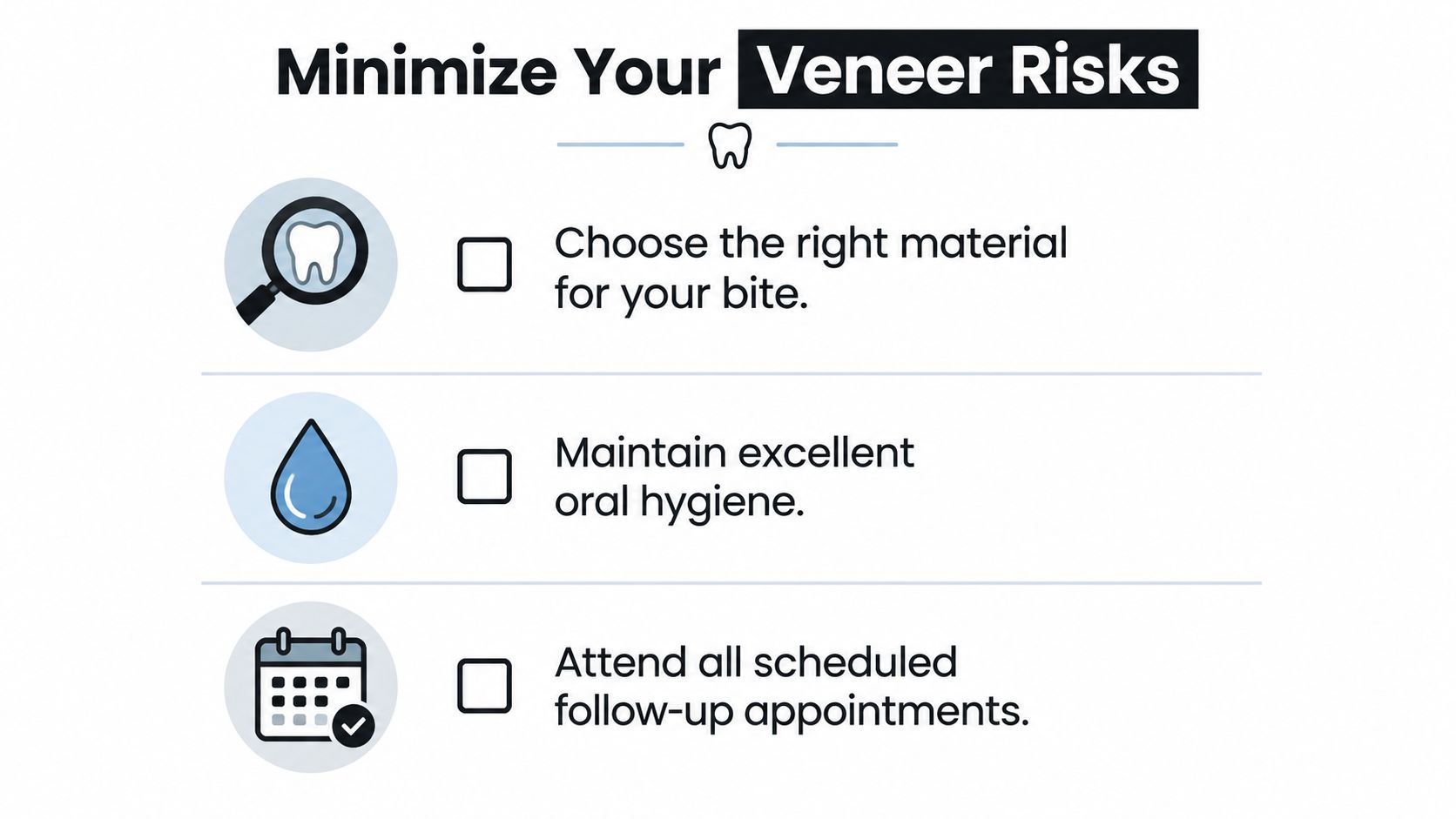
The replacement question
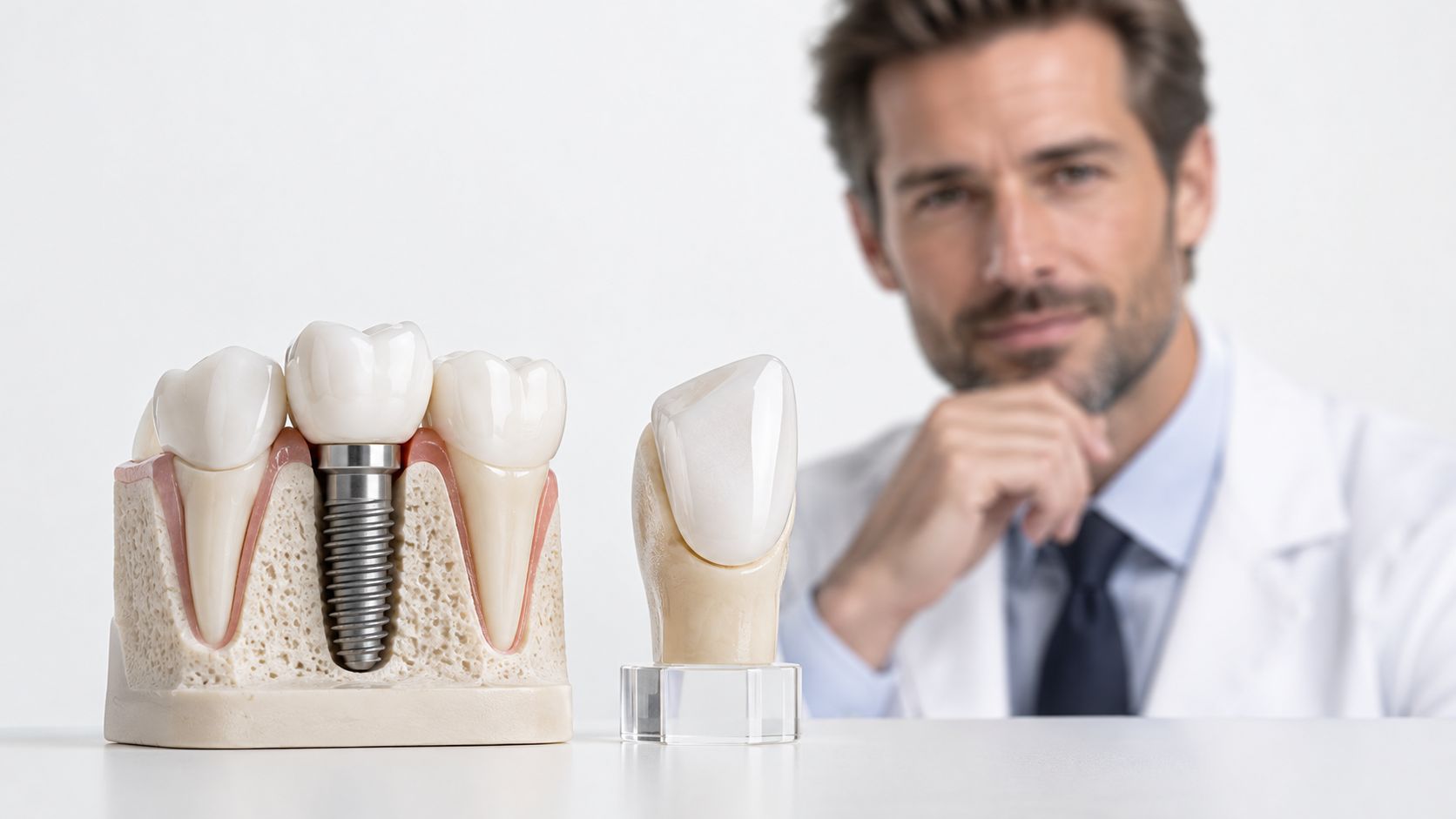
Veneers can often be repaired or replaced, but later treatment may become more complicated if additional enamel has been removed, dentin is exposed, the tooth has fractured, or decay develops. Each replacement depends on the tooth structure still available.
That is the long-term restorative dependence patients should understand before treatment. The first set may look excellent, yet future care may require a larger restoration or a different approach if the bonding surface becomes less predictable.
Patients comparing options can review the practical differences in composite veneers versus porcelain before deciding which approach to discuss at a consultation.
Proven Strategies to Minimize Veneer Side Effects and Protect Your Smile
Risk reduction starts before the veneers are placed. A careful cosmetic dentist evaluates the bite, gum condition, existing fillings, enamel thickness, tooth position, and cleaning access. If active decay, gum inflammation, or untreated grinding is present, those concerns should be addressed before cosmetic treatment.
Before treatment
Ask direct questions during the consultation:
- Preparation: How much enamel needs to be removed, and can the plan preserve a strong enamel surface?
- Bite: Will the veneers contact heavily when you close, chew, or move your jaw?
- Alternatives: Could whitening, bonding, Invisalign, or reshaping meet the same goal with less alteration?
- Maintenance: How will the margins be checked, cleaned, and evaluated over time?
- Replacement: If a veneer needs attention later, what restorative options would remain?
After placement, brush gently with a soft-bristled toothbrush and clean carefully along the gumline. Floss should pass through the contacts without shredding or catching. Professional cleanings help the dental team inspect margins, monitor gum response, and identify discoloration or plaque retention while the problem is still manageable.

Protecting the restorations
Avoid using veneers to open packages, bite fingernails, chew pens, or break hard objects. If you clench or grind, ask whether a custom night guard would protect the restorations and reduce excess force.
Pay attention to changes rather than waiting for a dramatic failure. A rough edge, new sensitivity, a loose feeling, gum bleeding, or food repeatedly catching in one location deserves a timely evaluation.
For additional daily guidance, Winn Smiles provides this guide to caring for veneers.
The following video offers another patient-friendly overview of veneer care and expectations.
What to Expect When Getting Veneers at Winn Smiles in Chattanooga and Cleveland
A veneer consultation should feel like a diagnostic appointment, not a sales presentation. At Winn Smiles, the process can include a new patient exam, dental X-rays when clinically appropriate, an evaluation of your gums and bite, and a discussion of what you want to change.
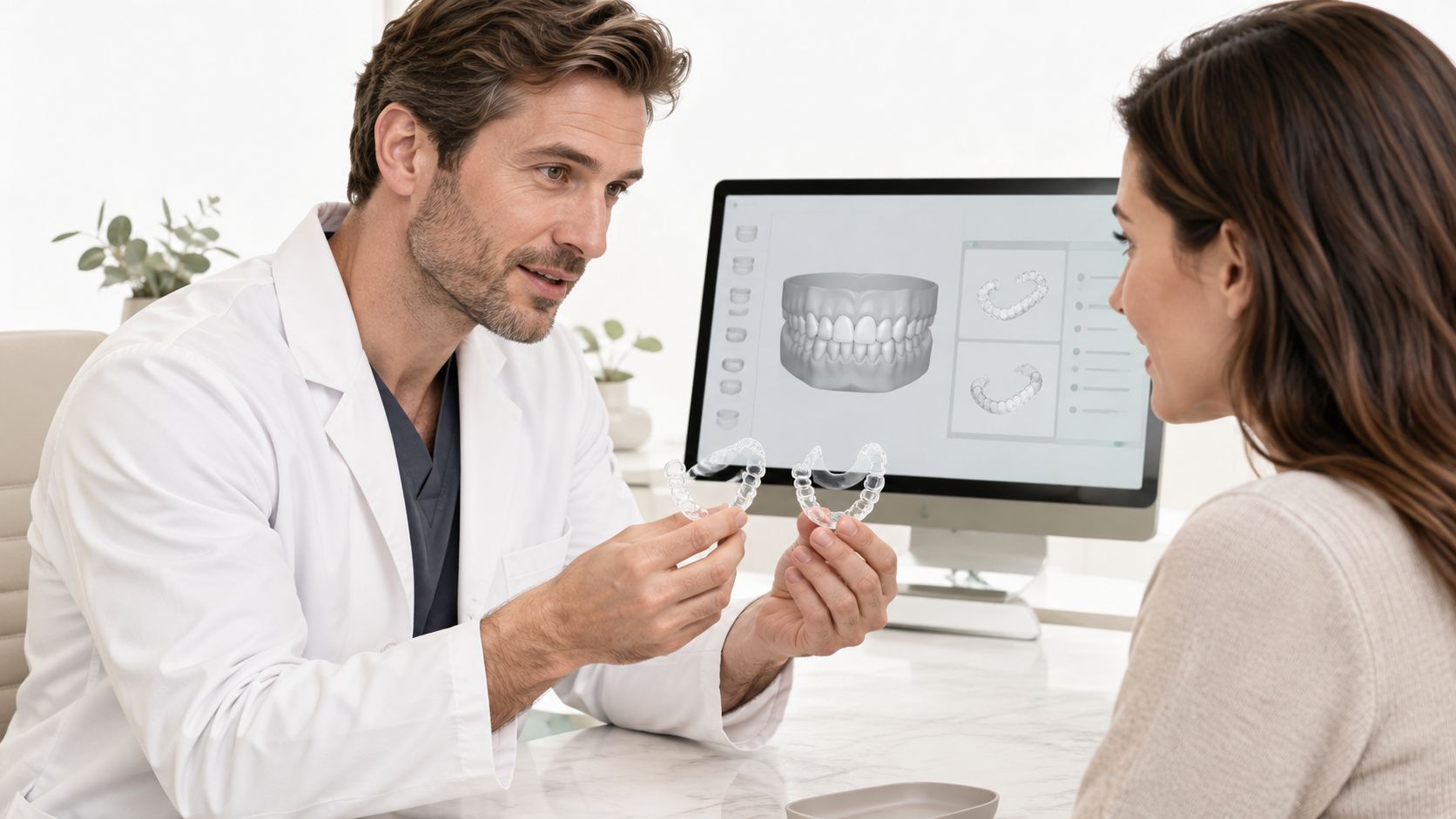
The team can also compare veneers with professional teeth whitening, Invisalign, composite bonding, crowns, or other cosmetic and restorative dentistry options. That comparison matters because not every discoloration, gap, chip, or uneven edge requires the same treatment.
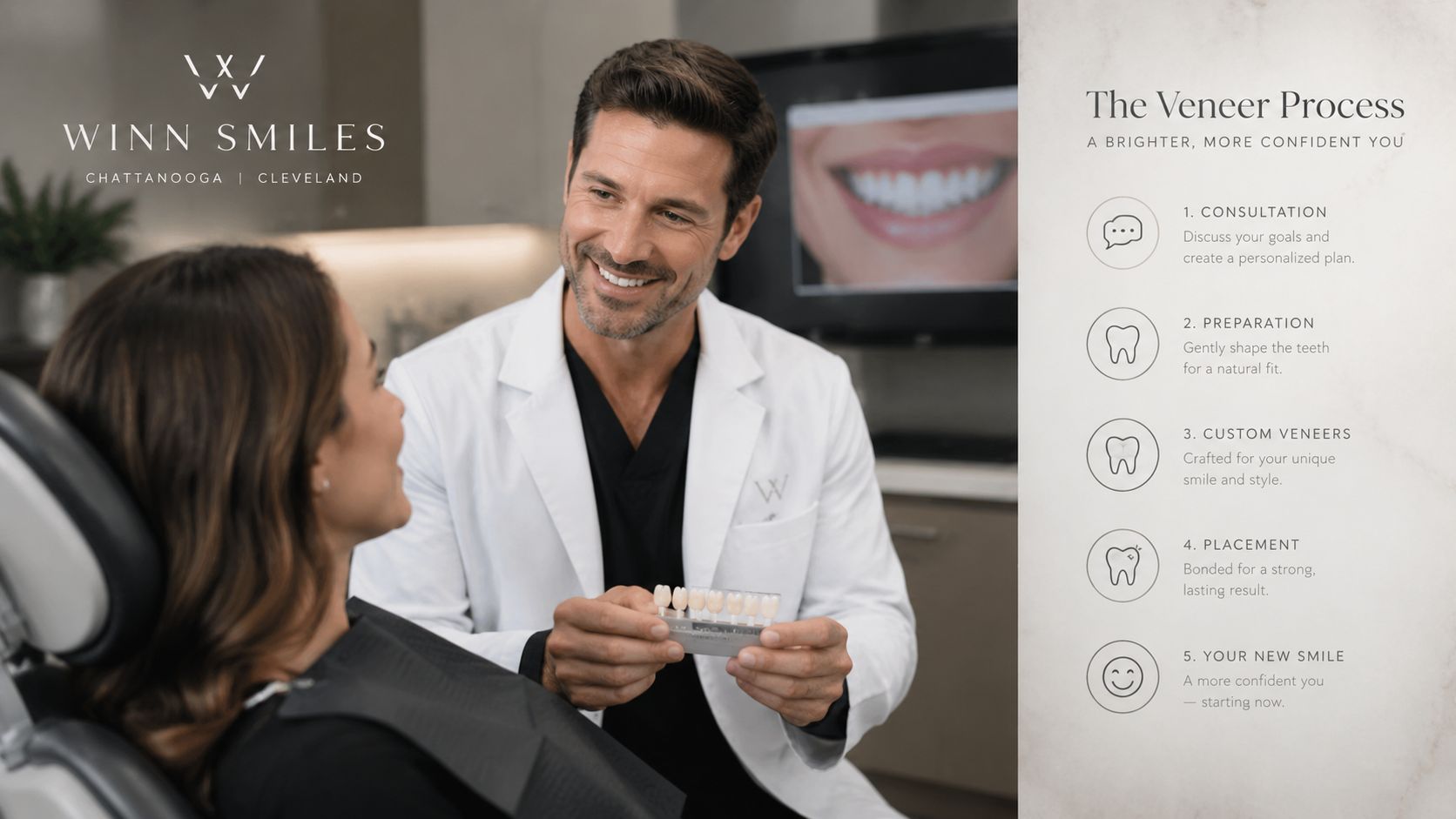
A consultation built around fit and comfort
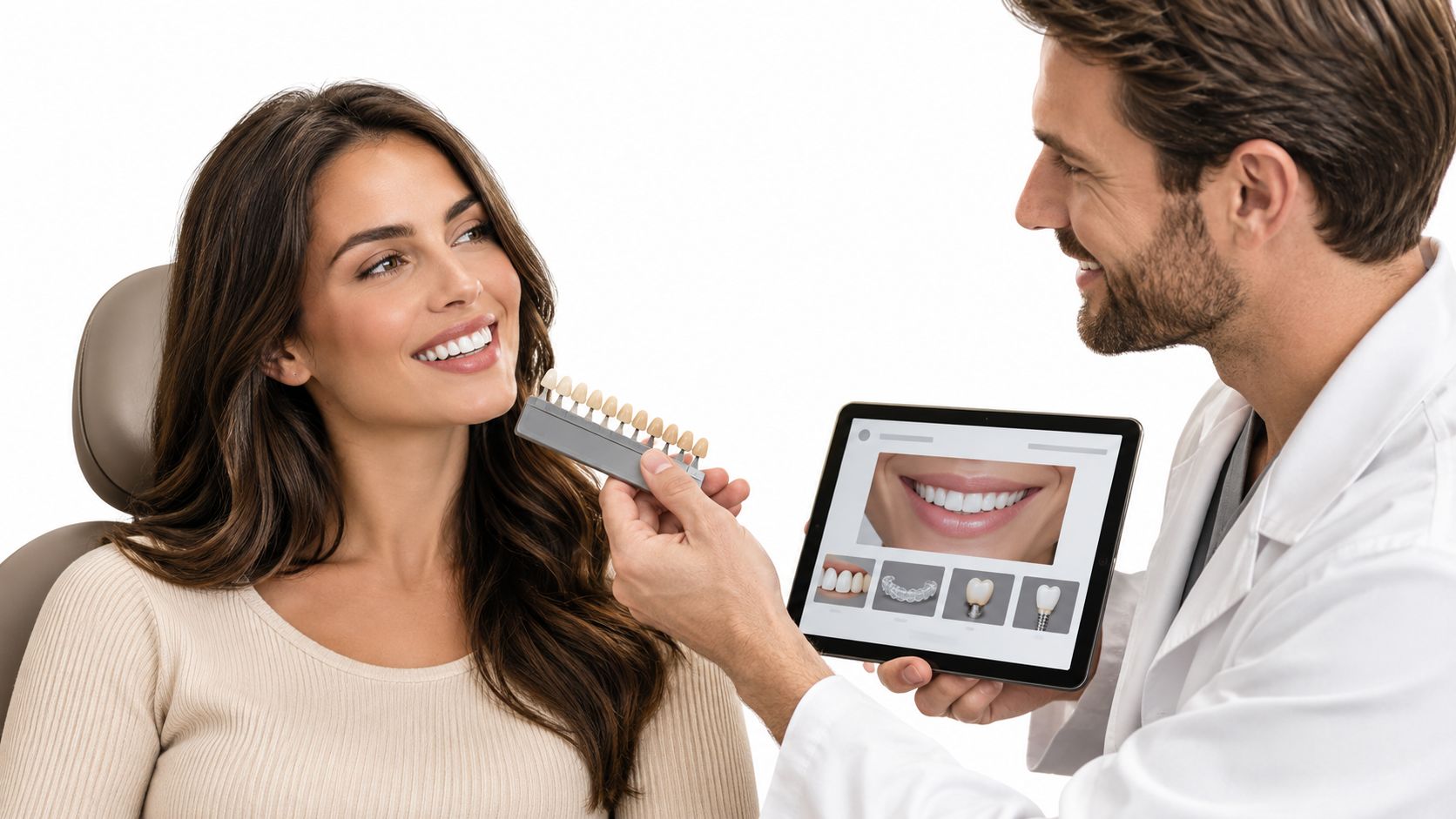
Your dentist should explain the proposed preparation, shade, material, timeline, expected maintenance, and possible veneer side effects in plain language. Modern technology can support precise planning and shade selection, while conservative preparation focuses on preserving as much healthy enamel as the case allows.
Patients with dental anxiety can ask about the practice's comfort menu and sedation options. The same office may also provide dental care, including cleanings and exams, emergency dental services, tooth extraction, same-day crowns, periodontal care, root canals, and dental implants when those services are appropriate.
That makes the consultation useful even if veneers aren't the right answer. Whether you searched for a dentist near me, a dentist in Chattanooga, TN, or a cosmetic dentist serving Cleveland, TN, the goal should be a treatment decision that protects function as well as appearance.
Schedule Your Veneer Consultation With Winn Smiles Today
Understanding veneers side effects shouldn't discourage you from improving your smile. It should help you choose treatment thoughtfully, preserve healthy tooth structure, protect your gums, and plan for maintenance or replacement if needed.
Winn Smiles offers consultations for select services, including the opportunity to discuss your cosmetic goals, ask uncomfortable questions, and compare veneers with other options. Call the Chattanooga or Cleveland, TN office, visit the practice website, or request an appointment online to begin.
Winn Smiles provides cosmetic, preventive, and restorative dental care for patients in Chattanooga, Cleveland, TN, and nearby communities, including veneer consultations and personalized treatment planning. Visit Winn Smiles to request an appointment and discuss the safest path to your smile goals.