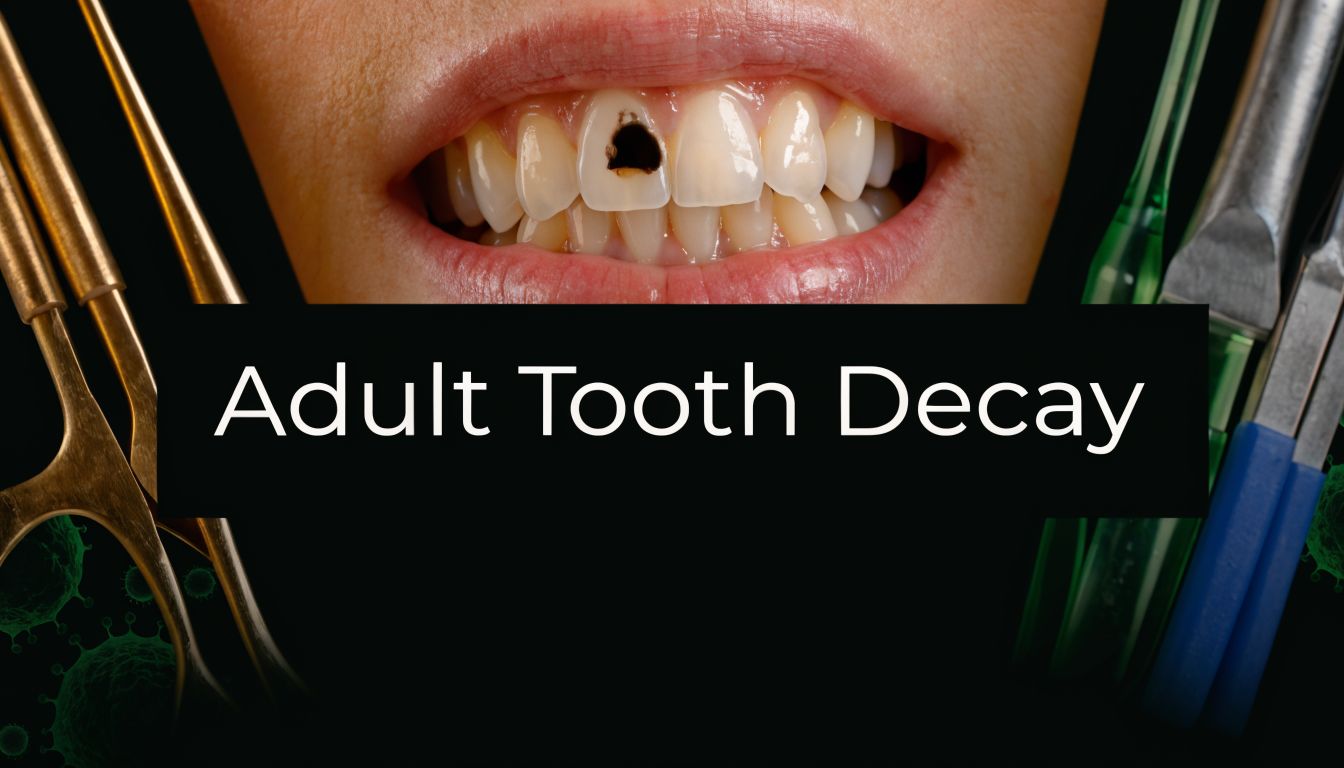
A cold sip of water hits one tooth and you feel that quick, sharp zing. Or maybe you notice a small dark area near the gumline while brushing before work. Most adults don’t panic right away, but they do start asking the same questions. Is this a cavity? Why now? I brush my teeth, so what changed?
Those are reasonable questions. Adult tooth decay often feels confusing because it doesn’t always come from one obvious cause. It can be diet, plaque, dry mouth, gum recession, old dental work, acid exposure, or a mix of several things progressing over time.
If you’ve been searching for what causes tooth decay in adults, you’re not alone. Many people looking for a dentist near me, an emergency dentist, or a dentist in Chattanooga, TN or Cleveland, TN are really trying to answer a deeper concern. They want to know why a tooth that seemed fine suddenly doesn’t feel fine anymore.
A Trusted Local Dentist for Your Dental Health Concerns
A lot of adults put off getting a spot checked because they hope it’s nothing. They tell themselves the sensitivity will pass, that the stain is just coffee, or that they’re too busy this month. Then the worry starts building in the background.

That hesitation is common, especially if you’ve had a rough dental experience before or you’re embarrassed that something was missed. It's simpler and kinder than often assumed. Tooth decay is common in adulthood, and it often shows up even in people who are trying to take decent care of their teeth.
One reason this matters is that untreated cavities aren’t rare. 27% of US adults ages 20 to 64 have untreated tooth decay, and smoking is linked with higher untreated cavity rates, 44% in smokers versus 20% in non-smokers, according to research on untreated dental caries in adults. That tells us two things. First, many adults are dealing with this right now. Second, cavities usually reflect a set of risk factors, not a personal failure.
Why adults often feel blindsided
Children are expected to get lectures about sugar and brushing. Adults usually aren’t. By the time you’re in your thirties, forties, or beyond, you may assume your habits are set and your teeth should be stable.
But adult mouths change. Medications change. Gums can recede. Old fillings can wear at the edges. Stress can affect routines. A cavity in adulthood often has a different backstory than a cavity in childhood.
Many adults with new decay say the same thing: “I didn’t realize anything had changed until my tooth became sensitive.”
That’s why a clear explanation matters. If you understand the cause, treatment feels less mysterious and prevention feels more realistic.
What a helpful explanation should do
A good dental conversation shouldn’t leave you feeling talked down to. It should answer practical questions like these:
- Why this tooth: Was the problem caused by plaque buildup, a worn filling, dry mouth, or exposed root surface?
- Why now: Did something shift recently, such as a new medication, more snacking, reflux symptoms, or missed cleanings?
- What happens next: Does this look like a small filling, a crown, a root canal, or a tooth extraction concern?
- How can I stop it: What home care and professional dental care will protect the rest of your smile?
People searching for cleaning and exams, new patient exams, dental x-rays, or a cosmetic dentist near me often start with appearance or discomfort, but the primary need is clarity. Once you know why decay starts, the path forward becomes much easier to understand.
The Science of a Cavity How Tooth Decay Develops
A cavity doesn’t appear all at once. It starts as a small chemical process on the tooth surface, and that process repeats many times a day. If you understand that cycle, adult tooth decay becomes much less mysterious.
Nearly 90% of adults ages 20 to 64 have experienced tooth decay, and the process is driven by plaque bacteria, especially Streptococcus mutans, which use sugars from the diet to produce acids that dissolve calcium and phosphate from enamel, according to this explanation of adult tooth decay and demineralization.
What’s happening on your teeth every day
Think of the tooth surface as a neighborhood. After you clean your teeth, the surface feels smooth and fresh, but it doesn’t stay empty for long. A sticky film called plaque begins forming again.
Plaque isn’t just food debris. It’s a living bacterial layer. Some bacteria are relatively harmless, but others thrive when they get frequent access to sugars and starches.
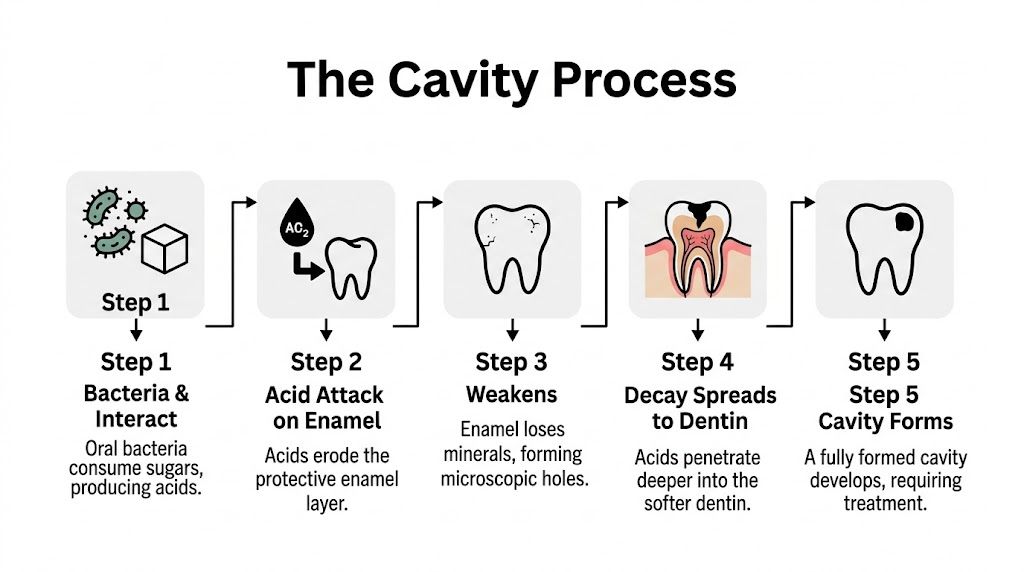
The cavity process in simple steps
Plaque sticks to the tooth
Plaque collects in grooves, between teeth, and near the gumline. Those are areas where toothbrush bristles and floss can miss if the technique or timing isn’t ideal.
Bacteria feed on carbohydrates
When you eat or sip something containing sugars or starches, plaque bacteria use that fuel quickly. This doesn’t only happen with candy. It can happen with crackers, bread, sweet coffee, sports drinks, and frequent snacking.
Acid is produced
The bacteria release acid as a byproduct. That acid lowers the pH around the tooth.
Enamel loses minerals
This stage is called demineralization. The enamel starts losing minerals from its surface, which weakens the outer shell of the tooth.
A cavity forms
If acid attacks happen often and the tooth doesn’t get enough time or help to recover, the weakened area breaks down into a hole. That’s the cavity your dentist can see or detect on x-rays.
Practical rule: It’s often the frequency of sugar exposure, not just the amount, that keeps the acid cycle going.
Why enamel can’t win on its own forever
Your mouth does have defenses. Saliva helps wash away food particles, dilute acids, and support remineralization. Fluoride helps strengthen enamel. Brushing and flossing physically disrupt plaque before it gets too organized and destructive.
Still, those protections work best when the acid attacks are spaced out. If the mouth keeps getting hit with sugary or acidic snacks and drinks throughout the day, the balance shifts. The tooth spends more time under attack than recovering.
A short comparison makes this easier to picture:
| Tooth condition | What’s happening |
|---|---|
| Healthy balance | Saliva, fluoride, and cleaning help the enamel recover after meals |
| Early decay | Acid attacks happen often enough that enamel starts losing minerals |
| Established cavity | The weakened enamel surface breaks and bacteria move deeper |
Why adults should pay attention early
In the beginning, tooth decay may not hurt at all. You might only notice a chalky area, a slight rough spot, or a little sensitivity to sweets. That’s one reason cavities seem to “show up out of nowhere.” They usually don’t. They’ve been developing unnoticed.
For adults in Chattanooga and Cleveland looking for dental care, restorative dentistry, or even an emergency dentist, understanding this cycle helps explain why early treatment is simpler than waiting. Small areas of decay are easier to repair than deep damage that reaches the inner tooth.
Adult-Specific Causes and Unique Risk Factors for Cavities
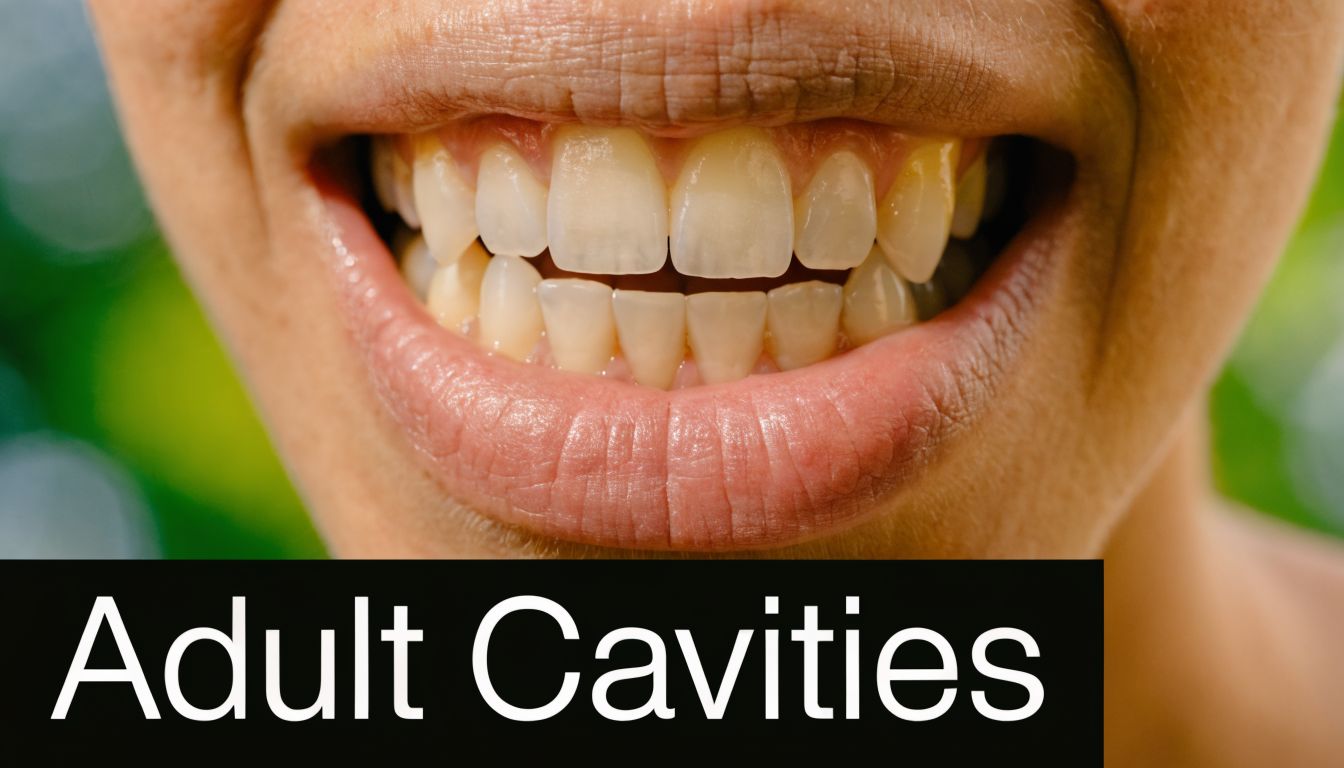
Children and adults both get cavities, but adult decay often has different triggers. This disparity causes confusion for many. They think, “I know sugar causes cavities, but I haven’t changed that much.” In many cases, the underlying factor is something less obvious.
Dry mouth changes the whole environment
Saliva does much more than make your mouth feel comfortable. It buffers acids, helps clear food particles, and supports enamel repair. When saliva drops, the mouth loses one of its best natural defenses.
Xerostomia, or dry mouth, can raise cavity rates by 2 to 4 times, especially on root surfaces, and it’s often linked to common medications such as antidepressants and antihypertensives, as explained by Cleveland Clinic’s overview of cavities and dry mouth.
Adults often describe dry mouth as waking up with a sticky feeling, needing water at night, or feeling like food clings to the teeth. Those symptoms matter because a dry mouth acts a bit like a riverbed without enough water. Debris stays put longer, acids linger longer, and bacteria get more opportunity to damage teeth.
Common situations that can contribute to dry mouth include:
- Medication changes: Many adults notice more sensitivity or cavities after starting new daily prescriptions.
- Mouth breathing: This can leave the tissues dry, especially overnight.
- Health conditions: Some medical conditions affect saliva flow and make cavity prevention harder.
- Tobacco use: Smoking can worsen dryness and increase risk.
Gum recession exposes a softer surface
A lot of adults don’t realize that the root surface of a tooth isn’t protected the same way as the visible crown. When gums recede, that root surface becomes exposed.
Root surfaces are more vulnerable to decay than enamel-covered areas. So a person who never had many cavities on the chewing surfaces of their teeth can suddenly start getting decay near the gumline. This surprises people, especially if they’ve been brushing regularly for years.
Recession changes the map of the tooth. Areas that were once protected become open targets for plaque and acid.
This is one reason your dentist may pay close attention to the lower front teeth, the sides of back teeth, and areas where the gums have slowly moved back over time.
Existing dental work doesn’t last forever
Fillings, crowns, and other restorations are valuable, but they aren’t permanent in the sense of never needing attention again. Over the years, the edges can wear, tiny gaps can form, or the surrounding tooth structure can weaken.
That doesn’t mean the old treatment failed. It means the mouth is an active environment. Biting forces, temperature changes, plaque, and time all affect the margins where a filling or crown meets the natural tooth.
Watch this short video for a helpful visual on how decay can develop and why catching it early matters.
A few examples make this easier to understand:
- An older filling with a worn edge can allow bacteria to collect in a spot that’s hard to see.
- A crown margin near the gumline can trap plaque if the area is difficult to clean well.
- A small crack in a tooth can create a hiding place for bacteria and make the tooth more sensitive.
Acid reflux can damage teeth quietly
Not every cavity story starts with candy or missed brushing. In some adults, the issue is acid from the stomach reaching the mouth during reflux episodes. That acid can soften and erode enamel, making teeth more likely to wear down and decay.
Many people treat reflux as solely a digestive issue, unaware of its effects on their teeth. Some also brush right after reflux because they want to “clean the acid off,” but freshly softened enamel needs a gentler approach.
Daily patterns matter more than people think
Many adults don’t eat obvious sweets all day, but they do graze. A flavored coffee in the morning, a granola bar mid-morning, crackers in the afternoon, then a sports drink after exercise can keep the mouth in a repeated acid cycle.
If you want a practical way to check whether your routine is more sugar-heavy than it seems, this Daily Sugar Intake Calculator can be a useful starting point. It won’t diagnose decay, but it can help you spot patterns worth changing.
Adult cavity risk often comes from overlap
It’s usually not just one thing. An adult patient may have slight gum recession, take a drying medication, snack more while working at a desk, and have a couple of aging fillings. Each factor adds pressure to the same teeth.
That’s why treatment and prevention work best when they’re personalized. The right plan depends on where the decay is forming, what changed recently, and which risk factors are most active in your mouth right now.
Recognizing the Signs and Progression of Adult Tooth Decay
Tooth decay usually follows a pattern. The earlier you spot it, the more conservative the treatment can be. The tricky part is that early decay often doesn’t announce itself with pain.
The earliest stage often looks subtle
At first, you may see a white spot or a dull, chalky patch on the enamel. That’s a warning sign that the tooth surface is losing minerals. At this stage, the area may still be reversible with professional guidance, fluoride support, and better plaque control.
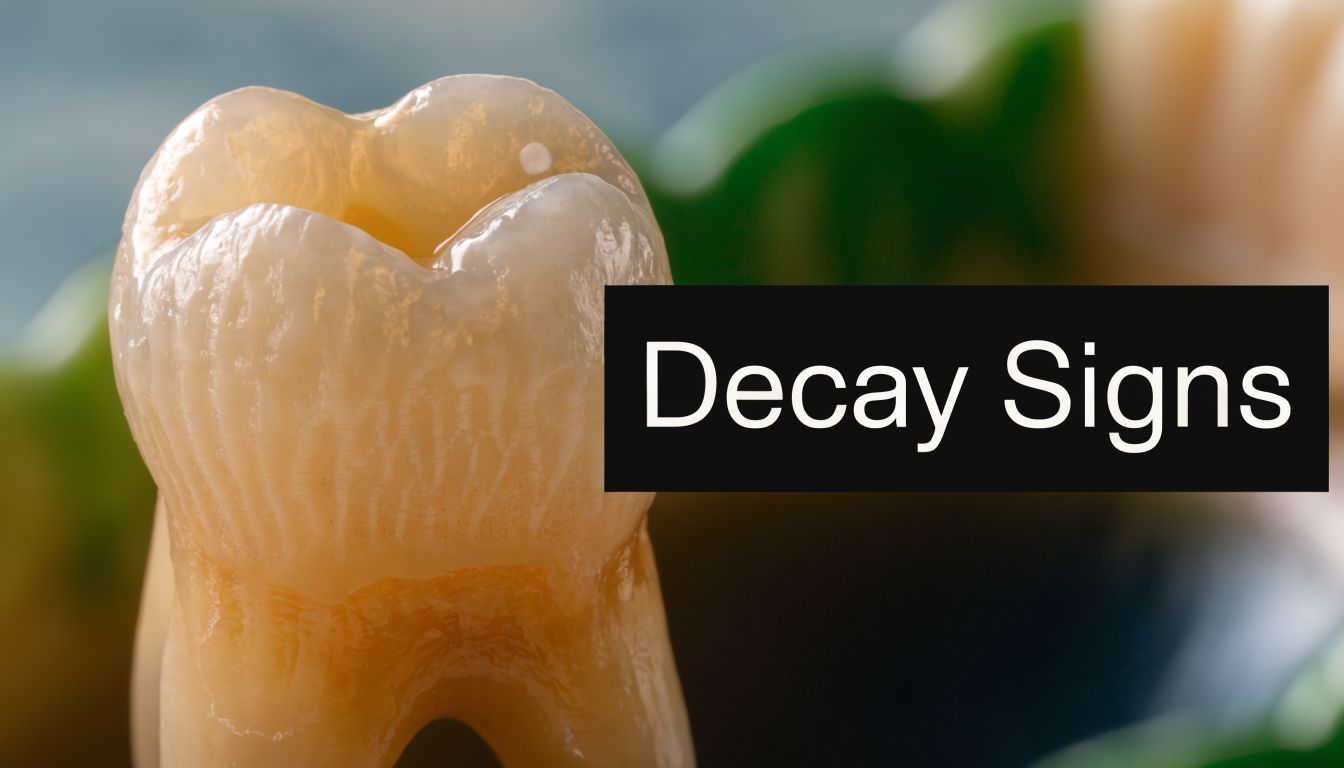
As the surface weakens further, the enamel can break down into a small cavity. You might notice a rough edge with your tongue, mild sensitivity to sweets, or a spot that catches floss more than it used to.
What symptoms tend to appear as decay moves deeper
Once decay reaches the layer under the enamel, symptoms usually become easier to notice because that inner layer is softer and more reactive.
A typical progression can look like this:
- Early enamel change: A white spot or dull area, often with no pain
- Small cavity: Mild sensitivity, a stain, or a tiny visible pit
- Deeper decay: More noticeable reaction to cold, hot, or sweets
- Near the nerve: Stronger pain, throbbing, pain when biting, or pain that lingers
- Advanced infection: Swelling, bad taste, pressure, or a pimple-like bump on the gums
If a tooth hurts on its own, keeps you awake, or causes swelling, it’s time to seek prompt dental care.
Signs adults commonly overlook
Not every cavity looks like a dramatic dark hole. In adults, warning signs may be more understated:
| Sign | Why it matters |
|---|---|
| Food trapping in one area | The tooth shape may be changing from decay or a failing filling |
| Sensitivity near the gumline | This can point to root exposure or root decay |
| A shadow around old dental work | The edge of a filling or crown may need evaluation |
| Floss shredding between two teeth | A rough, broken, or decayed contact area may be present |
A cavity doesn’t need to be painful to be active. That’s one reason regular exams and dental x-rays are so useful. They help catch problems in places you can’t see well at home, especially between teeth and underneath older restorations.
Modern Dental Treatments to Stop and Repair Tooth Decay
Once a cavity forms, the goal is to remove the damaged tissue, protect the tooth, and restore comfortable function. The right treatment depends on how deep the decay is and how much healthy structure remains.
Small cavities often need simple, conservative repair
When decay is caught early enough, a tooth-colored filling is often the most straightforward solution. The damaged portion is removed, and the missing area is rebuilt with a material chosen to blend naturally with the tooth.
That kind of treatment is usually appealing to adults because it preserves more natural tooth structure and can often be completed efficiently. For someone who searched dentist near me after noticing a rough spot or mild sensitivity, this is often the kind of fix they’re hoping for.
Larger areas of damage may need more coverage
If decay has weakened a bigger portion of the tooth, a filling may not be strong enough by itself. In that case, a crown can cover and protect the tooth more fully.
Modern same-day crown technology can be especially helpful for busy adults in Chattanooga and Cleveland who want fewer visits. Instead of placing a temporary and waiting for a separate lab appointment, some practices can design and place a custom crown in one day.
Here’s a simple way to think about the difference:
| Treatment | Best suited for |
|---|---|
| Filling | Smaller cavity with enough strong tooth structure left |
| Crown | Larger area of decay or a tooth weakened by breakdown or old dental work |
When decay reaches the nerve
If bacteria move deep enough into the tooth, the pulp can become inflamed or infected. That’s when pain may become intense, lingering, or spontaneous. At that stage, a root canal may be the treatment that saves the tooth.
Many people hear “root canal” and expect the worst. In reality, modern root canal care is focused on removing infection and relieving pain. If you want a clear overview, this guide on what to expect during a root canal can make the process feel much more familiar.
Saving a natural tooth is often the best outcome when the tooth can still be restored predictably.
After root canal treatment, the tooth often needs a crown for support, especially if it’s a back tooth that handles heavy chewing pressure.
Sometimes removal is the healthiest option
There are cases where a tooth is too damaged to predictably save. That can happen when decay extends too far below the gumline, when there isn’t enough healthy structure left, or when a fracture changes the long-term outlook.
In those situations, a tooth extraction may be the best step to protect overall oral health and stop ongoing infection or discomfort. For patients searching terms like tooth extraction or emergency dentist, this is often part of a conversation about relief first, then rebuilding.
Replacing a missing tooth matters
If a decayed tooth has to be removed, replacement should be part of the plan. Leaving a gap can affect chewing, appearance, and how nearby teeth move over time.
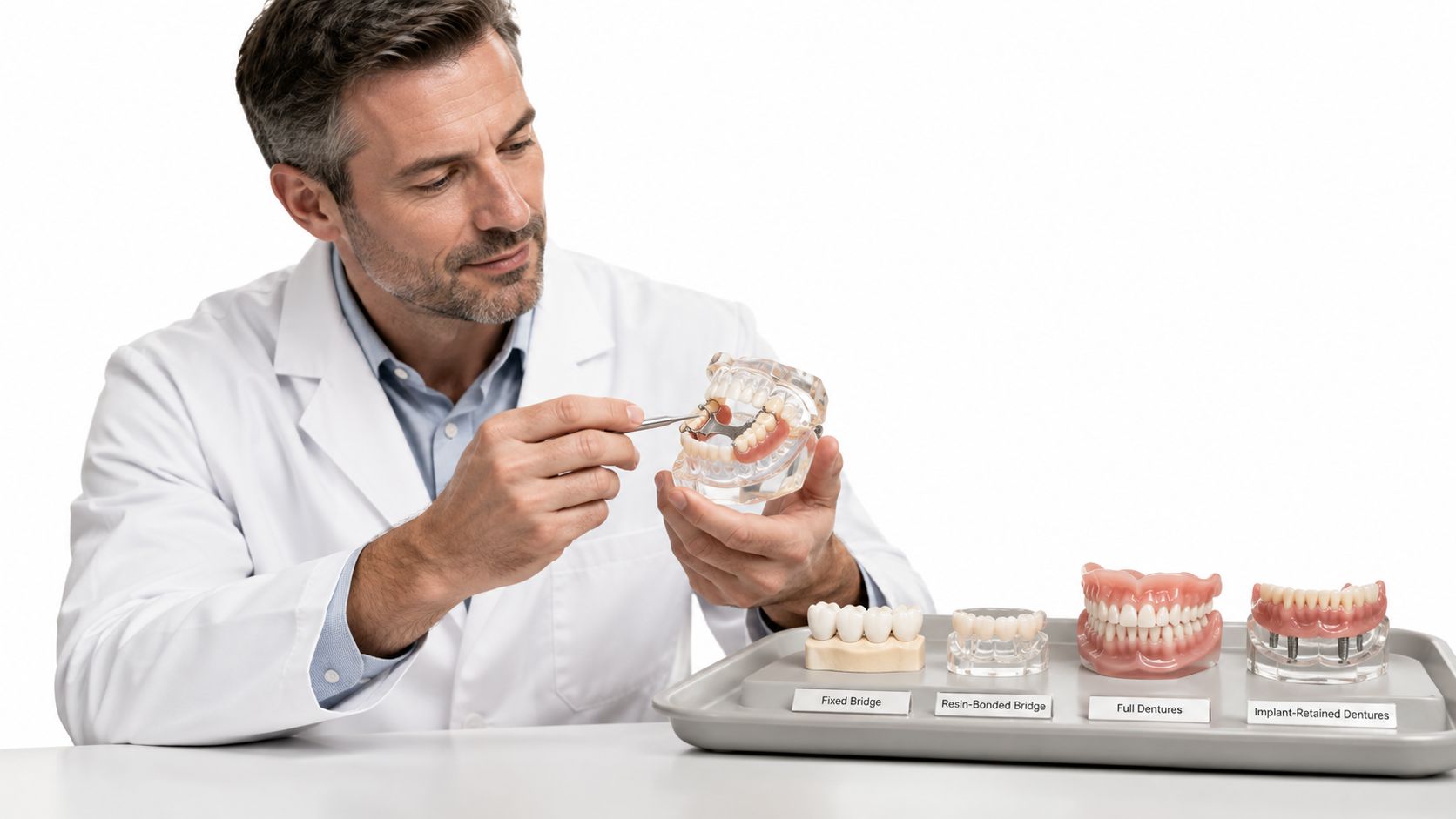
Common restorative options may include:
- Dental implants: A stable, long-term option that replaces the missing tooth root and crown
- Bridges: A fixed solution in selected cases
- Full-arch implant solutions: A broader option for patients with multiple failing teeth
Adults who begin by looking for relief from decay sometimes also ask about dental implants near me, restorative dentistry, or cosmetic dentistry because they want the final result to feel strong and look natural too. That’s a reasonable expectation. Good cavity treatment should protect your health and restore confidence at the same time.
Your Visit to Winn Smiles for Dental Care in Chattanooga and Cleveland
For many adults, the hardest part isn’t the treatment. It’s making the appointment. They worry about being judged, hearing bad news, or not knowing what the visit will feel like.
A thoughtful first visit should lower that tension, not add to it. If you come in with sensitivity, a dark spot, a broken filling, or a concern about a tooth that suddenly doesn’t feel right, the visit usually starts with listening. When did you notice it? What triggers it? Is it cold, sweet, pressure, or spontaneous pain?
What happens during the exam
A thorough dental visit usually includes a visual exam, a close look at the gums, and digital x-rays when needed to check areas that can’t be seen directly. That matters because adult decay often forms between teeth, around existing dental work, or near the roots.
From there, the findings should be explained in plain language. Not “you need a bunch of work,” but something more useful. For example: this tooth has a small cavity and likely needs a filling, this old crown margin needs monitoring, or this painful molar may need root canal treatment because the decay appears deeper.
What patients usually want most
Most adults aren’t asking for perfection. They want three things:
- Clear answers: What’s wrong, how urgent is it, and what are the options?
- Comfort: Gentle care, a calm setting, and support if they’re anxious
- A realistic plan: Treatment that fits their needs, schedule, and budget
A good dental appointment should leave you feeling informed, not overwhelmed.
That’s especially important for people who’ve been postponing care. A non-judgmental conversation can make it much easier to move forward with cleanings and exams, restorative dentistry, cosmetic improvements, or emergency treatment if needed.
The local experience matters too
If you’re looking for a dentist in Chattanooga, TN or Cleveland, TN, convenience matters. So does knowing the office offers modern options that make care easier, such as digital imaging, same-day restorations in appropriate cases, and sedation support for anxious patients.
Comfort-focused dental care also matters for patients who need more than a simple filling. If you’re facing a crown, root canal, extraction, or questions about dental implants near me, it helps to know your care team can guide you through each step without rushing or using confusing language.
For many people, that sense of calm is what finally helps them stop living with a dental problem and start fixing it.
FAQs About Adult Tooth Decay Prevention and Care
Can a cavity be reversed once it starts?
Sometimes. If the tooth is only in the very early demineralization stage and the surface hasn’t broken open, professional fluoride support and improved home care may help stop or reverse that process. Once there is an actual hole in the tooth, the damaged area usually needs a filling or another restoration.
Are electric toothbrushes better for adults with cavity risk?
They can be very helpful, especially if you tend to brush too quickly, miss the gumline, or have limited dexterity. The best toothbrush is the one you use correctly and consistently, but many adults do clean more effectively with an electric brush because it improves plaque removal technique.
How often do adults need dental x-rays?
That depends on your risk level, your history of decay, and what your dentist sees during the exam. Some adults need closer monitoring because they have dry mouth, recession, older restorations, or symptoms that suggest hidden decay between teeth.
If I snack often, what should I change first?
Try to reduce how often your teeth are exposed to sugars and fermentable carbs during the day. The goal isn’t perfection. It’s cutting down the constant fuel source for acid-producing bacteria.
If you need on-the-go ideas, a guide to snack bars without added sugar can be a practical place to start comparing options. It’s often easier to improve your routine when you’ve already picked a few replacements you like.
Why am I getting cavities as an adult when I didn’t as a kid?
Adult decay often relates to factors that weren’t present earlier in life, such as medication-related dry mouth, gum recession, acid reflux, stress-related habits, or breakdown around older fillings and crowns. That’s one reason adult prevention needs to be individualized.
What’s the best way to prevent future cavities?
Daily brushing with fluoride toothpaste, flossing, managing snack frequency, staying on top of cleanings, and getting routine exams all matter. If you want a broader overview of the habits and services that help protect teeth, this guide to preventive dental care is a helpful next read.
When is a cavity an emergency?
A small cavity usually isn’t an emergency, but severe pain, swelling, a bad taste from drainage, or a broken tooth with sharp pain should be seen promptly. Those symptoms can mean the decay has progressed into a deeper infection.
If you’ve noticed sensitivity, a dark spot, food trapping, or a tooth that just doesn’t feel right, Winn Smiles offers modern, comfort-focused dental care in Chattanooga and Cleveland, TN. Whether you need a new patient exam, dental x-rays, a filling, same-day crown, root canal evaluation, tooth extraction, or guidance on dental implants, their team can help you understand the cause and choose the right next step with confidence.