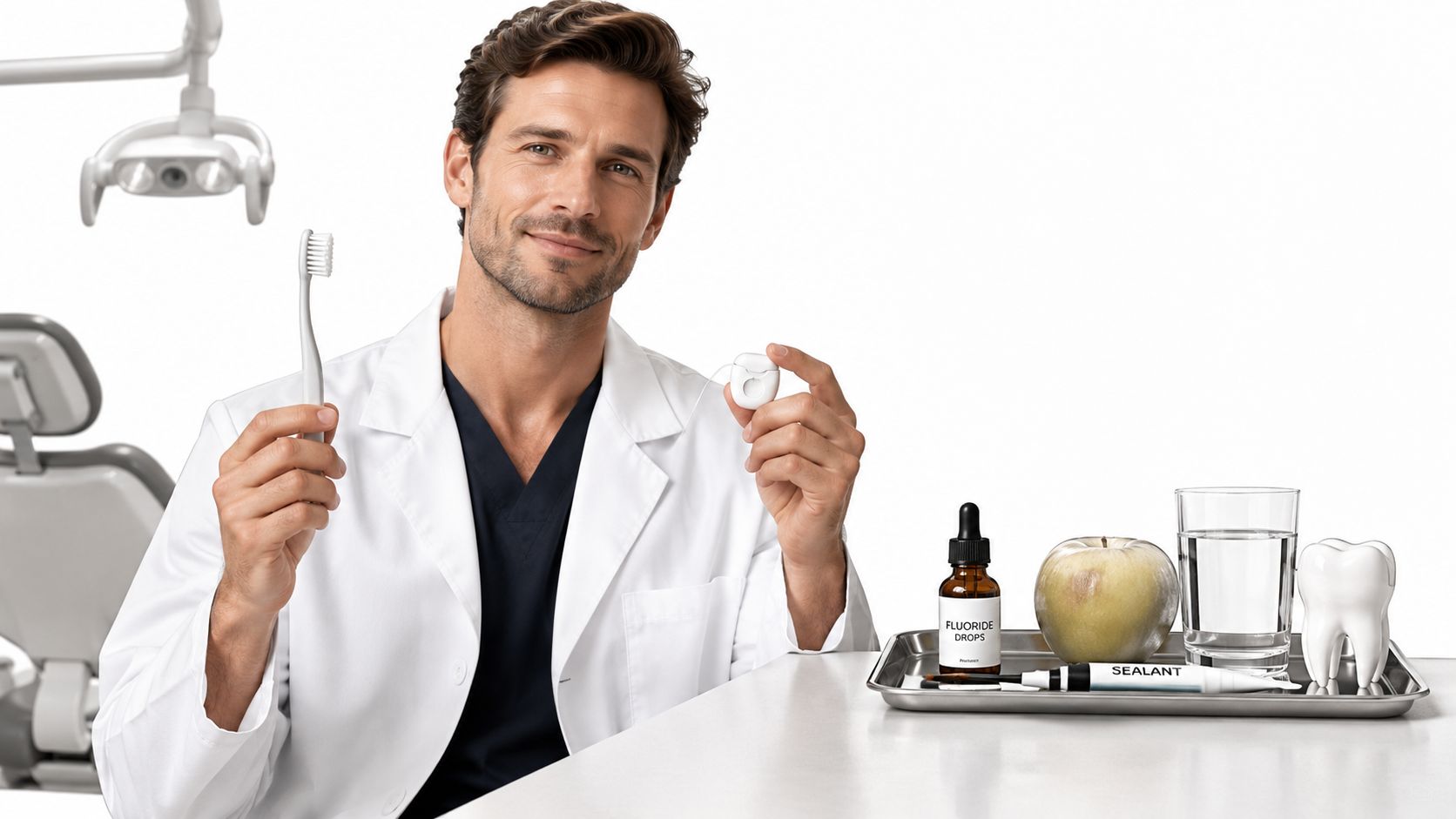
Brush twice daily with fluoride toothpaste containing at least 1000 ppm fluoride, and combine that routine with daily cleaning between your teeth, thoughtful sugar timing, healthy saliva flow, and personalized dental care. Dental caries affects about 530 million children and 2.3 billion adolescents and adults globally, so prevention deserves a complete plan, not a single habit.
A Healthier Smile Starts Before a Cavity Hurts
Many people search for the best way to prevent cavities only after sensitivity, a dark spot, pain when chewing, or a broken filling appears. By then, a small area of decay may already need restorative dentistry, a root canal, a tooth extraction, or urgent attention from an emergency dentist. Prevention gives you more options and can help protect your natural teeth before discomfort interrupts your day.
Cavities develop when plaque, bacteria, food, and acids repeatedly challenge the enamel. Brushing matters, but it works best as part of a system that also includes cleaning between teeth, managing sugary and acidic exposures, supporting saliva, and attending regular cleaning and exam appointments. Dental examinations and dental X-rays, when appropriate, help your dentist look for areas you can't see at home.
Winn Smiles serves patients in Cleveland and Chattanooga, Tennessee, with preventive care shaped around each person's needs. The practice offers welcoming offices, modern technology, a comfort menu, sedation options, and a communicative team that can help make dental care feel more manageable. Preventive visits can also connect you with related services, including periodontal care, restorative dentistry, cosmetic dentistry, teeth whitening, dental implants, and emergency dentistry when a problem has already developed.
The eight steps below move from daily plaque control to professional monitoring and risk-based protection. If you're looking for a dentist near me, a dentist in Cleveland, TN, or a dentist in Chattanooga, TN, a new patient exam or cleaning and exam at Winn Smiles can turn general advice into a plan you can follow.
1. Twice-Daily Brushing with Fluoride Toothpaste
Fluoride toothpaste is the foundation of cavity prevention because fluoride helps strengthen enamel and supports the repair of early mineral loss. The World Health Organization explains how fluoride toothpaste can prevent new carious lesions, slow existing caries, and reduce cavity severity. The CDC and NIH recommend brushing twice daily with fluoride toothpaste.
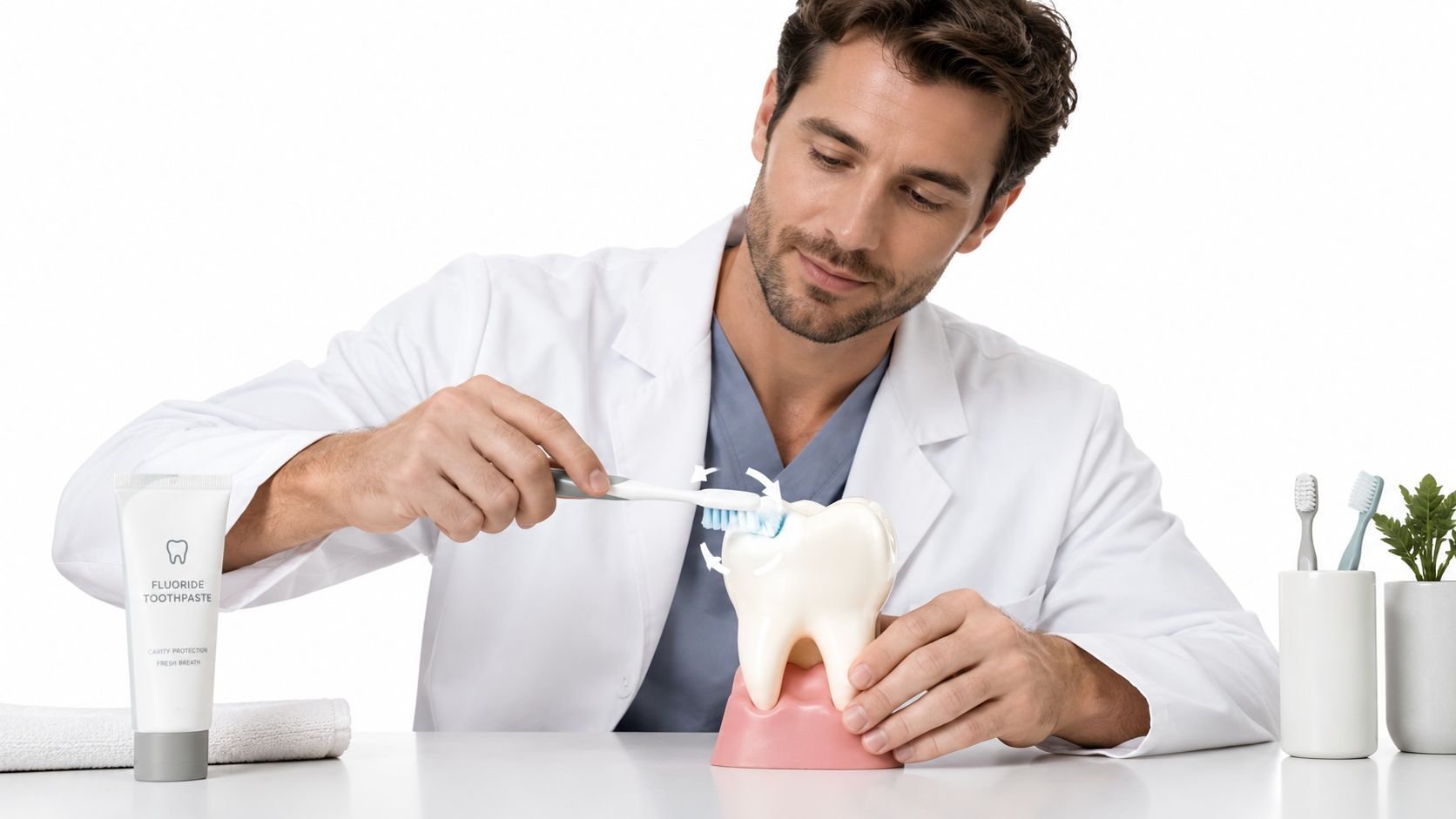
Use a soft-bristled toothbrush and gentle pressure. Aim the bristles toward the gumline, and clean the outer, inner, and chewing surfaces of every tooth. Adults and children older than six should use a pea-sized amount of fluoride toothpaste and avoid rinsing with water immediately afterward, according to CDC guidance on daily fluoride exposure. That allows fluoride to remain in contact with the enamel for longer.
Make the routine easy to repeat
A morning brush removes overnight buildup, while a bedtime brush is especially important because it leaves less plaque and food on the teeth during sleep. If you brush after meals, wait when your mouth has recently been exposed to acidic food or drink, and ask your Winn Smiles dentist for advice if you have sensitivity or enamel wear.
Helpful habits include:
- Use gentle movements: Harsh scrubbing can irritate the gums and won't replace careful coverage.
- Clean every surface: Pay attention to the gumline, back molars, and areas around crowns, bridges, or orthodontic appliances.
- Keep supplies visible: A toothbrush and fluoride toothpaste placed where you can easily reach them are easier to use consistently.
For more guidance, review these tooth-brushing techniques. A hygienist at Winn Smiles can also watch your technique and suggest changes that fit your mouth.
2. Daily Flossing to Remove Interproximal Plaque
Plaque is a thin, sticky film that can settle where neighboring teeth touch. A toothbrush cleans the outer, inner, and chewing surfaces, while floss or another interdental tool reaches these narrow contact points. Daily cleaning there helps remove food debris and plaque before they continue irritating the gums or contributing to decay.
Adults with crowded teeth, children learning to brush independently, and patients with bridges, implants, or gum recession may need a different tool or technique. Traditional floss works well when it slides comfortably between the teeth. Guide it gently, curve it around one tooth in a C shape, then clean beneath the gumline with controlled strokes. Pressing it straight down can injure the gums.
Choose the tool that lets you clean carefully and regularly:
- String floss: Use it for tight contacts, wrapping the floss around each tooth instead of moving it straight up and down only.
- Water flossers: A Waterpik or another water flosser may help when braces, bridges, implant restorations, or limited hand control make string floss difficult.
- Interdental brushes: Select the correct size for wider spaces, particularly where gum recession has created visible gaps.
- Floss picks: Keep them at work or while traveling, but guide them through each contact and along the gumline rather than snapping them quickly between teeth.
A water flosser does not automatically replace every other method. Your dentist or hygienist can help determine which approach fits your teeth and restoration.
Begin with once-daily interdental cleaning at a time you can maintain. Bedtime often works well because it clears the day's accumulated food and plaque before sleep. If your gums bleed regularly, feel tender, or remain difficult to clean, mention it during an examination rather than abandoning the routine.
During a cleaning and exam at Winn Smiles in Cleveland or Chattanooga, ask the hygienist to demonstrate the motion and check whether your tool reaches the areas that need attention.
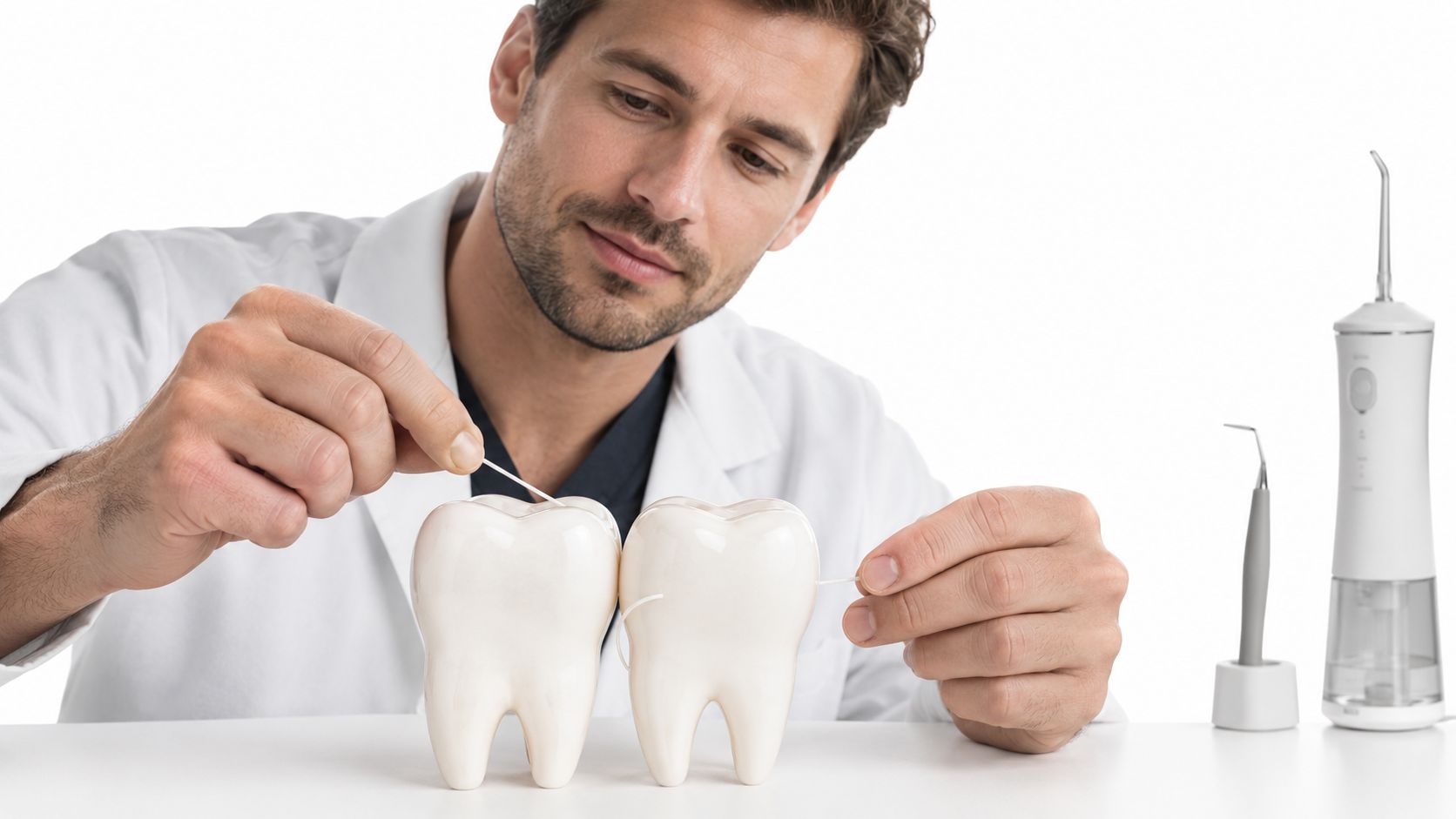
This demonstration may help you visualize the motion:
3. Professional Dental Cleanings Every 6 Months
A professional cleaning does more than polish the visible surfaces of your teeth. Hardened tartar cannot be removed safely with a toothbrush, so a dental hygienist uses specialized instruments around the gumline and in areas that are difficult to reach at home. The dentist then evaluates your teeth, gums, bite, restorations, and any symptoms you mention.
Six months is a common preventive interval, not a fixed rule for every patient. Winn Smiles may suggest visits more or less often based on your history of decay, gum disease, dry mouth, orthodontic appliances, exposed roots, or other risk factors. The goal is timely monitoring that matches how quickly your oral health can change.
A cleaning visit also checks for early changes
A cavity may develop between teeth, beneath a restoration, or in another area hidden from an ordinary mirror. When clinically appropriate, dental X-rays help the dentist examine those less visible surfaces. Intraoral images can make a concern easier to understand and show why a preventive or restorative recommendation may fit your needs.
Before the hygienist begins, share details that can change your prevention plan:
- Sensitivity: Explain whether cold drinks, sweet foods, brushing, or chewing causes discomfort.
- Daily habits: Mention frequent snacks, sweetened beverages, flossing, and any difficulty brushing consistently.
- Medical changes: Tell the team about new medications or health conditions that may affect saliva or oral health.
- Home-care questions: Ask for guidance on tools, technique, and areas you repeatedly miss.
A routine visit is a checkpoint, much like inspecting a small leak before it spreads. Early monitoring cannot prevent every cavity, but it may identify changes before they cause significant pain or require more involved care. If decay has progressed, Winn Smiles in Cleveland and Chattanooga can discuss restorative options, including same-day crowns, root canals, or a tooth extraction when saving the tooth is no longer possible.
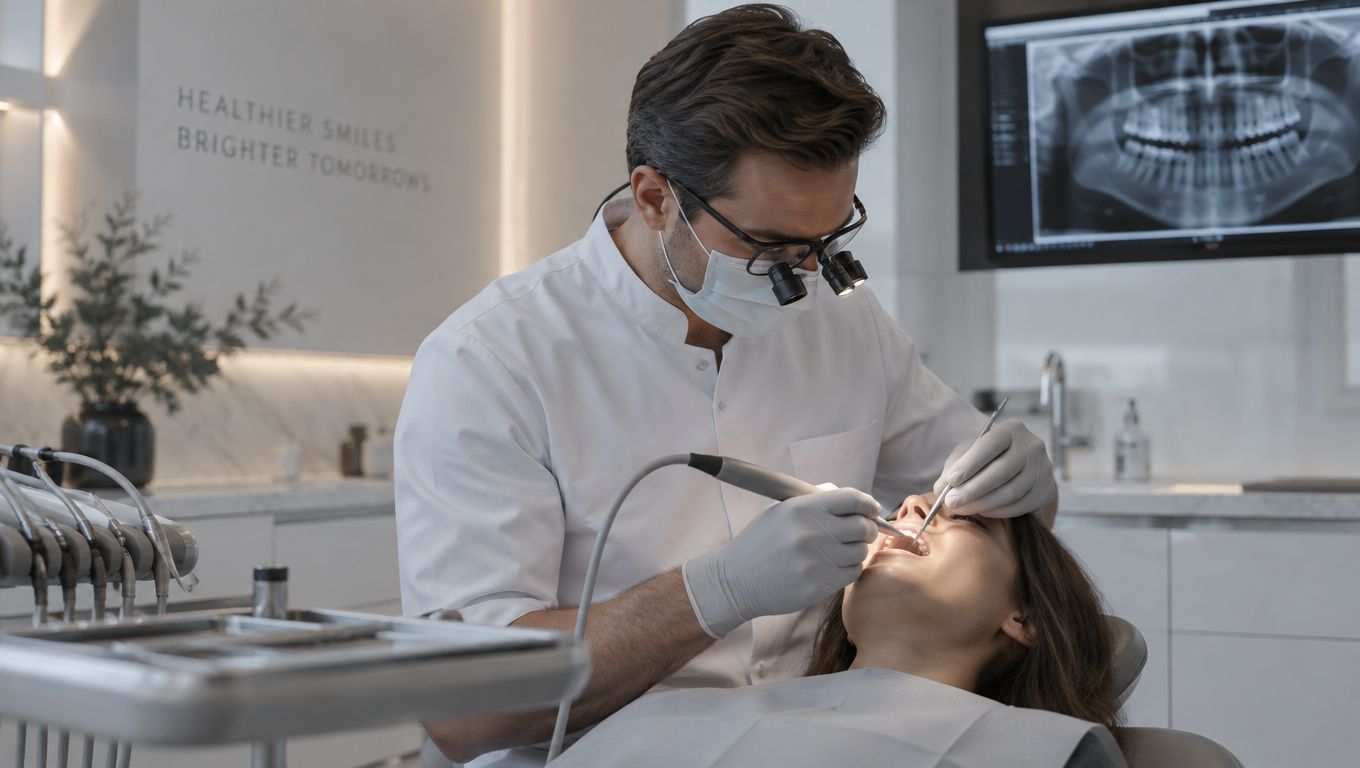
4. Fluoride Treatments and Enamel Strengthening
Fluoride helps repair and strengthen enamel after everyday acid exposure. Fluoride toothpaste provides regular protection at home, while an in-office varnish can place a more concentrated layer on teeth when your examination shows added risk.
Extra fluoride may suit patients with frequent decay, exposed root surfaces, weakened enamel, orthodontic treatment, or dry mouth. Children with early enamel changes may benefit from varnish as part of a wider prevention plan. Adults with gum recession need attention to exposed roots because they do not have the same enamel coverage as the crown of a tooth. Repeated cavities or reduced saliva can also change the recommended plan.
Research supports fluoride varnish as a preventive treatment. The NCBI Bookshelf review of fluoride varnish reports that varnish applied two to four times per year reduced caries by 37% in primary teeth and 43% in permanent teeth compared with no intervention. The review describes this as moderate-certainty evidence, so your dentist should consider the findings alongside your dental history, examination, and current risk.
Your plan may include:
- Professional varnish: A brief application during a preventive visit, with the team explaining what to expect and answering comfort questions.
- Fluoride gel or rinse: An option if your dentist believes it matches your needs.
- Home fluoride care: Continue brushing with fluoride toothpaste as directed.
- Risk-based scheduling: Some patients benefit from closer monitoring or personalized preventive treatment.
Winn Smiles, serving patients in Cleveland and Chattanooga, can discuss whether fluoride belongs in your prevention system and explain aftercare. Review the fluoride varnish application before your visit, then ask how the treatment fits with your daily routine.
5. Dietary Changes That Limit Sugars and Acidic Foods
Cavity prevention begins with how often teeth meet sugar and acid, not with giving up every favorite food. Oral bacteria use available sugars and release acids that weaken enamel. Frequent sipping or grazing keeps restarting that process, like pressing a reset button before the mouth has time to recover.
Build meals and snacks around a few practical changes. Have dessert with a meal instead of eating small portions throughout the day. Choose water between meals, and finish acidic drinks in a shorter period rather than sipping them for hours. Water helps clear remaining sugars and acids from the mouth.
After an acidic drink or food, rinse with water and wait before brushing. Acid can temporarily soften enamel, making immediate brushing more abrasive.
A workable routine might look like this:
- Change the timing: Keep sweet foods with meals rather than returning to them repeatedly.
- Choose water between meals: It supports hydration without adding sugar or acid.
- Add protective foods: Cheese, nuts, vegetables, and other unsweetened choices can replace sticky snacks.
- Read ingredient lists: Sweeteners may appear in foods and drinks that seem healthy.
- Use practical resources: These ways to cut sugar intake can support realistic substitutions.
Dry mouth changes the picture because saliva normally helps wash away food and buffer acids. If your mouth often feels dry, or if examinations show a higher cavity risk, dietary changes may need to work alongside personalized preventive treatment.
At Winn Smiles, tell your dentist what you usually eat and drink, including acidic beverages and frequent snacks. The team can discuss comfortable, realistic adjustments and monitor how your routine is affecting your teeth during examinations in Cleveland or Chattanooga. The goal is a prevention plan that fits your life, not a strict list of foods you cannot enjoy.
6. Dental Sealants for Vulnerable Tooth Surfaces
A cavity can begin in a groove that looks clean from above. Back teeth have pits and fissures where food and plaque collect, while toothbrush bristles may pass over rather than into them. A dental sealant fills those narrow spaces with a protective material, leaving a smoother surface that is easier to clean.
Children and teenagers may benefit when healthy permanent molars have erupted. Adults can also be candidates if they have naturally deep grooves or a history of decay in those areas. The CDC reports that sealants prevent 80% of cavities in permanent molars for two years and about 50% for up to four years, as described in the CDC's sealant guidance.
A sealant is one layer in a prevention system. Brushing with fluoride toothpaste, cleaning between teeth, sensible food choices, saliva support, and regular examinations still matter. The sealant shields a surface that may be difficult to reach at home.
During a dental visit, the tooth is cleaned and examined before placement. Your dentist checks whether the surface is suitable, then reviews the sealant during later examinations. Winn Smiles can discuss comfort options and explain each step, helping children and adults feel prepared rather than rushed.
Ask about this treatment when:
- Back teeth have deep grooves: An examination can identify areas that hold plaque.
- A child has newly erupted permanent molars: Early protection may be considered while the teeth remain healthy.
- You have had groove-related cavities: Your history may support a more protective plan.
- A sealant looks worn or damaged: The team can decide whether it needs repair or replacement.
In Cleveland and Chattanooga, Winn Smiles can combine sealants with fluoride care, home-care guidance, and risk-based monitoring. That approach keeps treatment focused on the tooth surfaces most likely to develop decay.
7. Saliva Production and Mouth Moisture Management
Saliva protects teeth between brushing sessions. It rinses away food, neutralizes acids, and helps maintain the mineral balance that keeps enamel strong. A persistently dry mouth removes part of that protection, allowing plaque and acids to affect teeth more easily.
Medications, medical conditions, and treatments such as radiation therapy can reduce saliva. Blood pressure medicines, antidepressants, and anxiety medicines may contribute for some patients. Do not stop a prescribed medicine on your own. Winn Smiles can record your symptoms and help you prepare questions for the clinician who manages your medication.
A few daily adjustments can support comfort and cavity prevention:
Drink water regularly by keeping it nearby and taking frequent sips. Stimulate saliva with sugar-free gum or lozenges if those products are suitable for you. A dentist may also recommend a saliva substitute, especially for nighttime dryness. Alcohol and tobacco can increase irritation, and caffeine may worsen dryness for some people, so discuss your pattern rather than guessing which changes will help.
Pay attention to signs such as a sticky-feeling mouth, trouble swallowing dry foods, or waking often to drink water. These symptoms deserve an examination, particularly for patients with diabetes, autoimmune conditions, or a history of cancer treatment. Share relevant medicines and health conditions with the Winn Smiles team in Cleveland or Chattanooga.
Dry-mouth prevention may require more than home care. Based on your risk, the team can discuss comfort options, professional fluoride, sealants, and closer examinations. Regular monitoring works like an early warning system, helping identify new trouble before a cavity becomes painful.
8. Consistent Oral Hygiene Habits and Behavioral Routines
A cavity-prevention plan succeeds through repetition. Brushing once in a while cannot provide the same protection as steady plaque control, and an unused flossing tool cannot clean between teeth. A reliable routine works like an automatic checkpoint: it reduces the number of daily decisions and makes preventive care easier to maintain.
Attach oral hygiene to something you already do. Brush after getting dressed in the morning and before switching off the bathroom light at night. Keep floss beside the toothpaste, place a water flosser in view, or set a reminder for evening cleaning. Families can brush together, while adults may use a phone alarm or habit tracker. Parents can also use these checklists for ages 4 to 10 to support age-appropriate routines.
Small setup changes often matter more than willpower. Keep supplies accessible at home and during travel. Use a mirror note or phone reminder as a visual cue. If a product feels uncomfortable, try a different floss type, toothpaste flavor, or water flosser rather than abandoning interdental care. Supervise younger children and make brushing predictable. Ask your hygienist to review progress, point out improvements, and identify one area to practice next.
Make dental visits part of the routine
Schedule the next cleaning and examination before leaving Winn Smiles when possible. That appointment provides a planned opportunity to review plaque control, sensitivity, bleeding, grinding, diet, or difficulty reaching a specific area. Winn Smiles serves patients in Cleveland and Chattanooga, where examinations can help identify changes before they become painful.
A personalized routine may be especially useful after repeated fillings, with gum recession, implants, orthodontic treatment, or dental anxiety. Based on a child's or adult's risk, the team can recommend practical tools, comfort options, closer examinations, or preventive treatments such as professional fluoride and sealants. The goal is a manageable system that supports daily care without making prevention feel overwhelming.
8-Point Cavity Prevention Comparison
| Method | Implementation complexity | Resource requirements | Expected outcomes | Ideal use cases | Key advantages |
|---|---|---|---|---|---|
| Twice-Daily Brushing with Fluoride Toothpaste | Low, simple technique required | Toothbrush, fluoride toothpaste; replace every 3–4 months | Reduces plaque and strengthens enamel; baseline cavity prevention | Everyone as first-line prevention | Cost-effective, immediate plaque removal, widely recommended |
| Daily Flossing to Remove Interproximal Plaque | Moderate, requires skill and consistency | String floss, picks or water flosser; 2–3 minutes daily | Removes interproximal plaque; lowers interproximal cavities and gum inflammation | Patients with tight contacts, braces, implants, or high plaque between teeth | Highly effective between-tooth cleaning; portable and low-cost options |
| Professional Dental Cleanings Every 6 Months | Moderate, requires scheduling and visits | Dental appointments, hygienist, X-rays, professional instruments | Removes tartar, detects early cavities, professional fluoride possible | Routine preventive care and early detection for general population | Removes deposits home care cannot; early problem detection |
| Fluoride Treatments and Enamel Strengthening | Low to moderate, applied by clinician | In-office gel/varnish/foam and dental visit time | Remineralizes early lesions; reduces new decay risk in high-risk patients | Children, high-caries-risk adults, dry mouth, exposed roots | Reverses early decay; rapid application; strong enamel protection |
| Dietary Changes: Limiting Sugars and Acidic Foods | Moderate to high, requires behavior change | Access to healthier foods, planning, education | Fewer acid attacks, reduced new cavities and enamel erosion over time | Frequent snackers, high-sugar beverage consumers, those with enamel erosion | Addresses root cause; benefits systemic health; immediate risk reduction |
| Dental Sealants for Vulnerable Tooth Surfaces | Low, quick in-office procedure | Dental appointment, sealant material; periodic checks | Up to ~80% reduction in cavities on sealed pits and fissures | Children with newly erupted molars, adults with deep grooves or high risk | Long-lasting, painless, cost-effective protection of chewing surfaces |
| Saliva Production and Mouth Moisture Management | Variable, depends on cause; may need medical input | Hydration, sugar-free gum, saliva substitutes, possible medications | Restores natural defense: neutralizes acid, remineralizes enamel | Patients with xerostomia from meds, disease, or radiation | Natural protection when optimized; simple interventions can help |
| Consistent Oral Hygiene Habits and Behavioral Routines | Moderate, requires habit formation and reminders | Time, reminders, environmental cues, accountability tools | Sustained preventive effect; multiplies benefits of other measures | Individuals seeking long-term cavity prevention and families | Sustainable, compound benefits; improves adherence to all strategies |
Turn Prevention Into Your Next Dental Visit
The best way to prevent cavities combines several forms of protection. Brush twice daily with fluoride toothpaste, clean between your teeth, manage the timing of sugary and acidic foods, support healthy saliva, and attend professional cleanings and examinations. Fluoride treatments and dental sealants can add protection when your dentist identifies a higher-risk surface or pattern of decay.
Not everyone needs the same schedule. Children may benefit from sealants and professional fluoride as permanent teeth develop. Adults with dry mouth may need closer monitoring and additional fluoride. Patients with gum recession need attention to exposed root surfaces, while people with a history of decay may need a more structured prevention plan than someone with consistently low risk.
Winn Smiles serves patients in Cleveland and Chattanooga, TN, and can connect prevention with the care you need if a problem is already present. A new patient exam may include a clinical evaluation, dental X-rays when appropriate, a discussion of your oral-health history, and clear recommendations for home care. A cleaning and exam can address plaque and tartar while giving you a chance to discuss sensitivity, gum concerns, tooth-colored restorations, or areas that feel difficult to clean.
If a cavity has progressed, the team can explain restorative dentistry options. If a tooth cannot be preserved, you can discuss a tooth extraction and replacement possibilities, including dental implants near me or full-arch implant solutions. Patients who want appearance-focused care can ask about a cosmetic dentist near me, professional teeth whitening, veneers, or Invisalign. Patients with urgent pain, swelling, or a broken tooth can ask about emergency dental services rather than waiting for the problem to worsen.
Comfort matters, especially if fear has kept you from scheduling care. Winn Smiles offers a comfort menu, sedation options to suit your needs, modern technology, convenient hours, transparent cost discussions, and a supportive team. Those features can help anxious patients, families, and people seeking a second opinion understand their choices before treatment begins.
Don't wait for sensitivity to become severe pain or for a small concern to become an emergency. Contact Winn Smiles to schedule a new patient exam, cleaning and exam, or preventive consultation in Cleveland or Chattanooga.
Winn Smiles provides routine cleanings and exams, fluoride treatments, dental sealants, modern diagnostic technology, and personalized preventive guidance for patients in Cleveland and Chattanooga. Visit Winn Smiles to request an appointment and take the next step toward preventing cavities before discomfort demands emergency care.