Your Local Guide to a Cavity-Free Smile in Chattanooga, TN
A healthy, confident smile is invaluable, but the worry of developing a cavity can cause stress and uncertainty. You might wonder if you're doing enough at home or what steps you can take to protect your family's teeth for the long term. At Winn Smiles, we understand that preventing dental problems is far better than treating them.
As your trusted dental partner in Cleveland and Chattanooga, TN, we believe in providing our patients with the knowledge to maintain excellent oral health. This guide provides actionable cavity prevention tips that, combined with our professional care, will help you and your loved ones achieve a lasting, healthy, and bright smile.
If you've been searching for a dentist near me, a dentist in Chattanooga, TN, or a family dental office that makes prevention simple and comfortable, you can start here. Good cavity prevention doesn't require perfection. It requires the right habits, the right timing, and a dental team that catches small problems before they turn into fillings, tooth extraction needs, or emergency dentist visits.
At Winn Smiles, we help patients in Chattanooga, Cleveland, TN, and nearby communities build realistic prevention plans that fit everyday life. For some people, that means improving brushing technique. For others, it means managing dry mouth, getting sealants, or staying consistent with cleaning and exams. Small changes add up, and they matter.
1. Brush Your Teeth Twice Daily with Fluoride Toothpaste
You brush before work, brush again before bed, and still hear that a back molar is starting to soften. I see that in Chattanooga and Cleveland more often than people expect. Usually the problem is not a lack of effort. It is brushing that misses the gumline, the grooves of the molars, or the benefit of a fluoride toothpaste strong enough for the job.
Fluoride toothpaste helps in two ways. It lowers the effect of plaque acids and helps early weakened enamel reharden. A Cochrane review on fluoride toothpastes found that higher fluoride concentrations provide greater protection against tooth decay than lower-strength options, which is why product choice matters if you have a history of cavities.
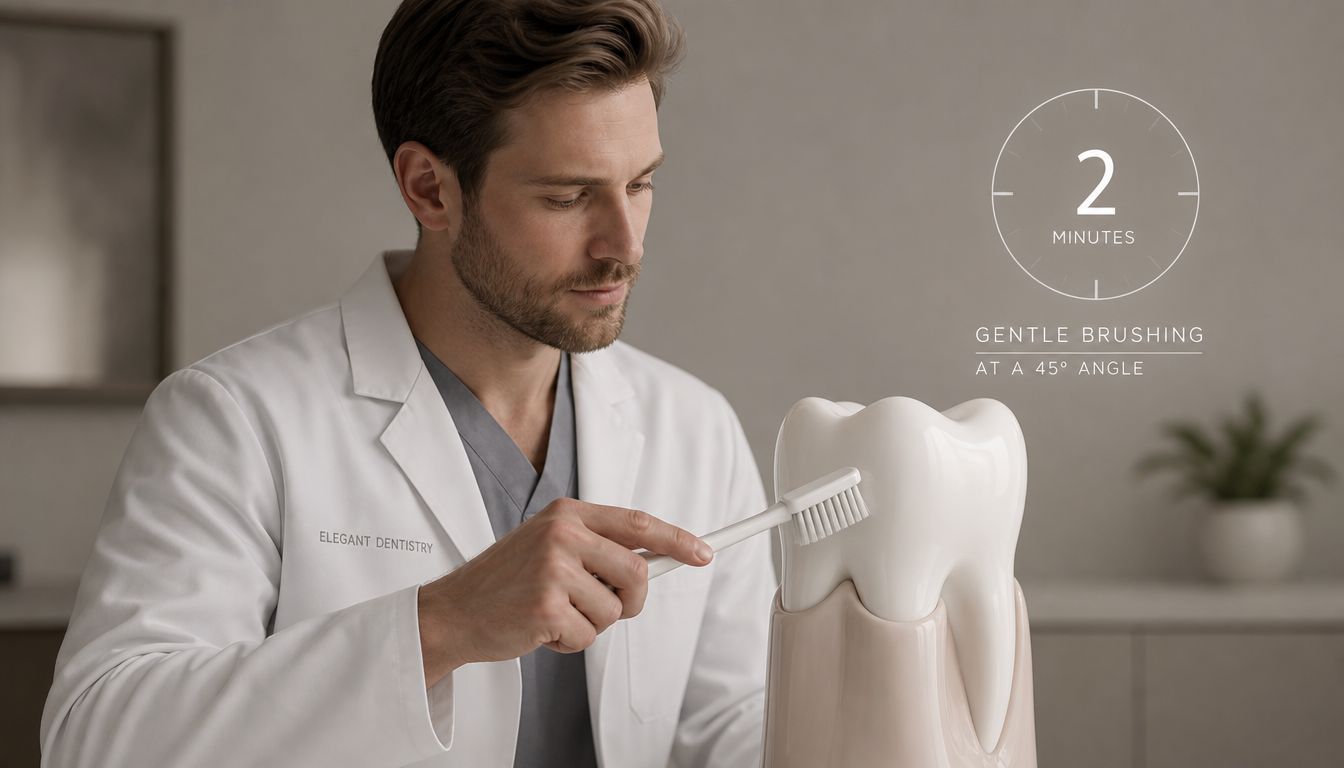
Technique matters just as much. Use a soft-bristled brush, angle it toward the gumline, and move in small circles instead of scrubbing side to side. Give extra attention to the back teeth, where food and plaque tend to stay longer. If cold drinks already make certain spots sting, brushing harder will usually make that sensitivity worse, not better.
For many patients, an electric toothbrush is a good trade-off. It costs more up front, but it often improves coverage and timing, especially for children, tired parents, and adults with tight schedules. Spit after brushing, then avoid a full rinse if you can. That leaves more fluoride on the teeth.
- Choose a soft brush: Replace it when the bristles spread or feel rough.
- Use the full two minutes: Divide your mouth into four sections so no area gets skipped.
- Pick a fluoride toothpaste with proven standards: Look for the ADA Seal of Acceptance. If you want a product comparison, Buy Me Japan's toothpaste guide gives examples of how formulations differ.
- Ask about stronger options if needed: At Winn Smiles, we can review your cavity risk and tell you whether an over-the-counter paste is enough or if a prescription-strength fluoride toothpaste makes more sense.
A good home routine should feel manageable, not frustrating. If you want a clearer step-by-step example, Winn Smiles shares proper tooth brushing techniques you can use at home.
2. Floss Daily Between Teeth and Below the Gumline
Flossing reaches the areas your toothbrush cannot. That's where plaque often sits undisturbed, especially between tightly spaced teeth and just under the gumline. If you're skipping floss, you're leaving part of every tooth uncleaned.
This matters more than many adults realize. More than 90% of adults ages 20 to 64 have experienced at least one cavity, according to this clinical review on prevention. A lot of those cavities don't start on the flat front of the tooth where brushing is easiest. They start where food packs in and plaque stays put.
What Good Flossing Actually Looks Like
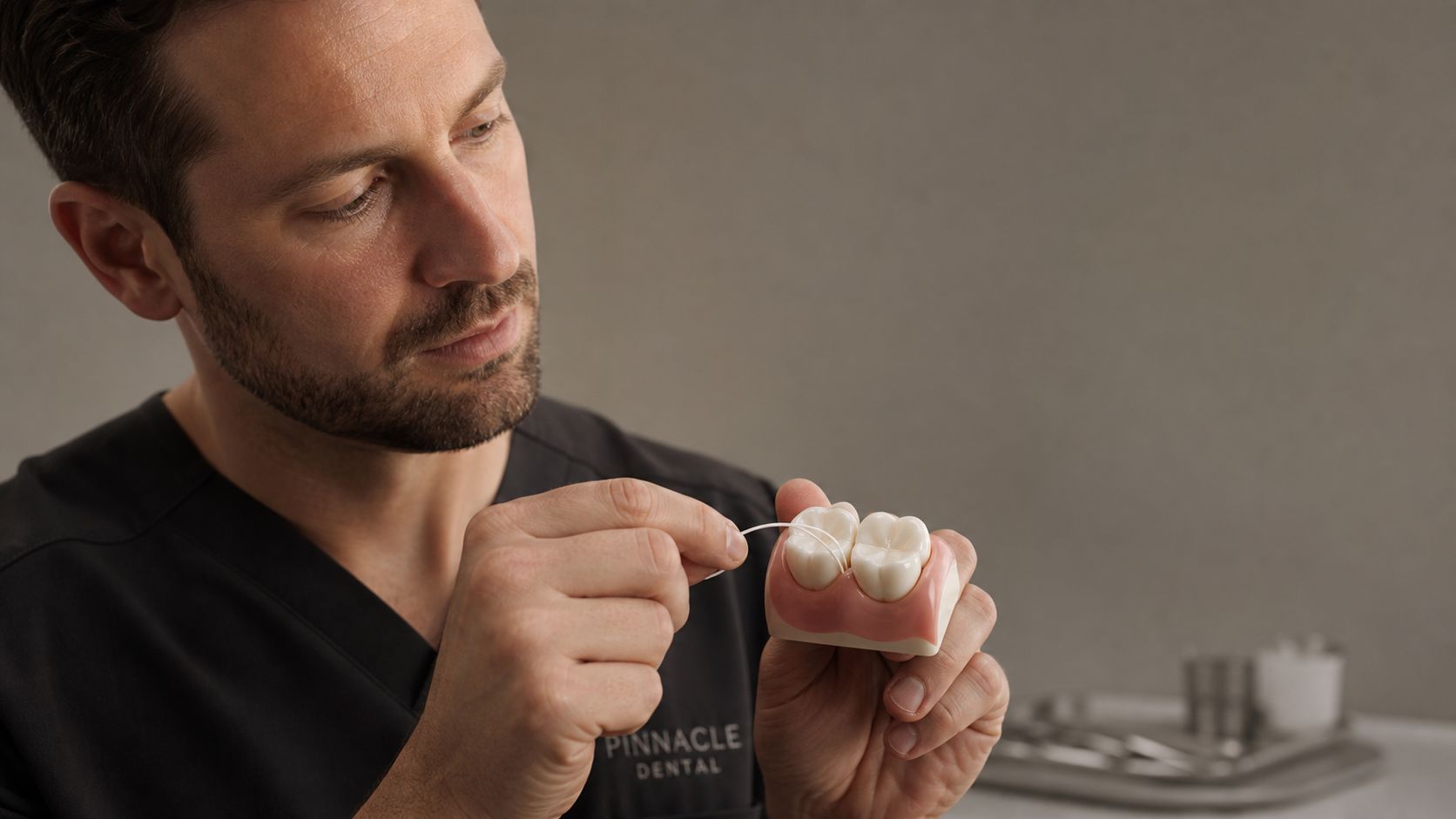
Wrap most of the floss around your fingers and guide it gently between the teeth with a rubbing motion. Then curve it around each tooth in a C-shape and slide it slightly below the gumline. That curve is important. Snapping floss straight down and pulling it out doesn't clean much.
If string floss feels clumsy, use what you'll keep using. Some patients prefer floss picks. Others with braces, bridges, or implants do better with a water flosser.
- Use enough floss: Start with a longer section so you can move to a clean area as you go.
- Clean both sides: Hug each tooth rather than just passing through the contact point.
- Floss before brushing: That can help fluoride reach the areas you just cleaned.
- Stick with it if gums bleed: Mild bleeding often improves as inflammation settles down with daily care.
A quick demo can make this easier to picture:
At Winn Smiles, we often show new patients a simpler flossing method during cleaning and exams. Small coaching points can make a big difference, especially for busy adults trying to avoid restorative dentistry later.
3. Maintain a Cavity-Fighting Diet Low in Sugar and Acids
A common Chattanooga routine can work against your teeth without feeling extreme. Coffee with flavored creamer on the drive in, a sports drink during the afternoon, then a slow snack after dinner keeps enamel exposed to sugar and acid again and again. The problem is often frequency, not just the food itself.
Cavities in adults are common. In practice, I see far more trouble from steady grazing and all-day sipping than from the occasional dessert eaten with a meal.
Focus on How Long Teeth Stay in Acid
Every time sugar or acid hits the mouth, the pH drops and enamel softens for a while. If that keeps happening throughout the day, teeth get fewer chances to recover. Sticky foods can make that worse because they stay in the grooves of back teeth and between teeth longer. Dried fruit, crackers, candy, and sweetened coffee drinks are frequent culprits.
Timing matters.
If you enjoy soda, juice, sweet tea, or sports drinks, have them with a meal instead of sipping for hours. Follow with water. After acidic foods or drinks, wait a bit before brushing so you do not scrub softened enamel.
For adults who keep getting decay despite decent brushing habits, we often review the full pattern of meals, snacks, drinks, dry mouth, and existing dental work. Our team also shares more about what causes tooth decay in adults, so patients can connect everyday habits with the spots where cavities usually start.
A few changes usually give the best return:
- Keep sweets with meals: Fewer acid attacks is easier on enamel than frequent snacking.
- Choose water between meals: It helps rinse the mouth without feeding bacteria.
- Use lower-risk snacks: Cheese, nuts, plain yogurt, crunchy vegetables, and other less sticky foods are easier on teeth.
- Rinse after acidic drinks or citrus: Water helps clear acids sooner.
- Make realistic substitutions: These smart swaps for less sugar are a good starting point if you want options that fit normal family routines.
At Winn Smiles, we do not push a restrictive diet. We help patients in Chattanooga and Cleveland make practical changes they can keep up with, then pair that advice with preventive care such as fluoride treatments, sealants for cavity-prone grooves, and regular exams to catch weak spots early. That approach protects comfort now and helps avoid bigger repairs later.
4. Attend Professional Dental Cleanings and Exams Every Six Months
A common Chattanooga scenario is the patient who brushes well, has no pain, and still hears, "There is a small cavity starting between these back teeth." That is the gap home care cannot always close. Plaque can harden into tartar in places a brush and floss miss, and early decay often starts where it is hard to see without an exam and x-rays.
Many adults do not keep up with preventive dental visits, according to the CDC's oral health surveillance data for adults. In real life, work schedules, school pickups, and insurance timing often push cleanings down the list. Delaying care usually means we find problems later, when treatment is less convenient and more expensive.
What We Look For During Preventive Visits
At Winn Smiles, a six-month visit is a chance to remove tartar, check for early decay, review gum health, and monitor older fillings or crowns before they turn into bigger problems. We also take dental x-rays when they are appropriate, because cavities between teeth, failing dental work, and bone changes do not always show up in a visual exam.
For patients in Chattanooga and Cleveland, TN who keep getting cavities, we also look at the reason, not just the result. Dry mouth, mouth breathing, medication side effects, crowded teeth, deep grooves in molars, and exposed root surfaces all raise risk. That changes the prevention plan.
A good preventive visit should feel clear and manageable.
- Schedule the next cleaning before you leave: It reduces the odds of waiting too long.
- Mention small changes early: Sensitivity to cold, food catching, rough spots, and bleeding gums can point to issues that are easier to treat now.
- Ask about your cavity risk: Some patients do well at six-month intervals. Others benefit from closer monitoring, fluoride, or sealants.
- Pair visits with the right preventive services: Cleanings, x-rays, fluoride treatments, and sealant checks work better when they match your actual risk.
If sugar is part of the problem, small changes are usually more realistic than strict rules. These smart swaps for less sugar can make daily choices easier without feeling punitive.
At Winn Smiles, we also pay attention to comfort. Some patients have dental anxiety, a strong gag reflex, or a long gap since their last visit. A calm, respectful cleaning and exam helps people return before pain forces the issue, and that is often what protects long-term oral health best.
5. Use Fluoride Mouthwash or Rinses to Strengthen Enamel
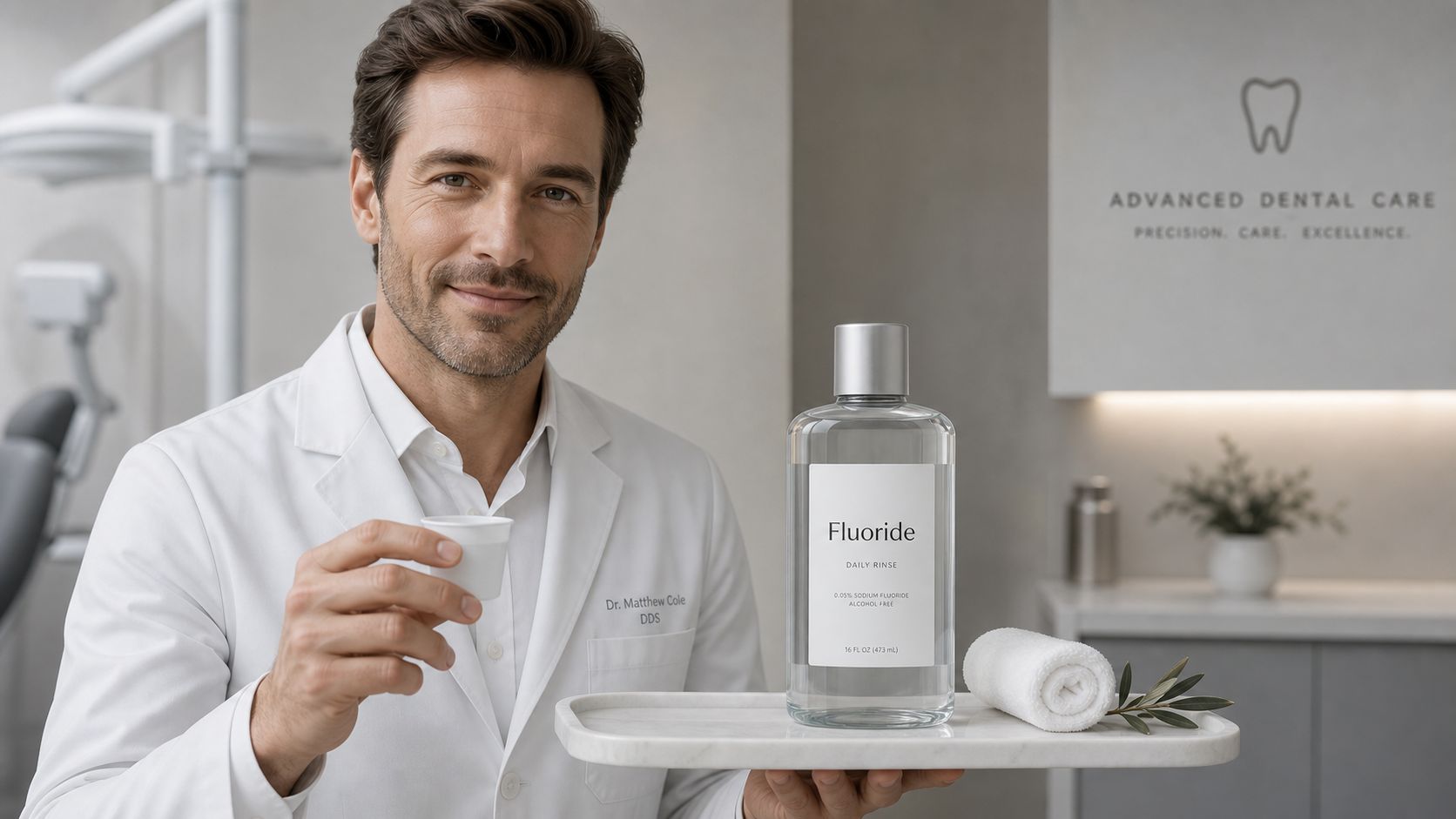
If you've had cavities before, a fluoride mouthwash can be a useful extra step. It's not a substitute for brushing and flossing, but it can help bathe the teeth in fluoride between visits and support enamel in areas that are easy to miss.
Professional fluoride care matters too. Fluoride varnish can prevent about one-third of cavities in primary teeth according to the CDC's child oral health guidance. That doesn't mean every child or adult needs the same fluoride plan. It means fluoride is doing real preventive work, especially when risk is higher.
When a Rinse Makes Sense
A rinse often helps patients who have a cavity history, orthodontic appliances, recession around the roots, or trouble brushing well before bed. College students, shift workers, and parents of young children often like it because it adds protection without adding much time.
Some people do best with an over-the-counter fluoride rinse. Others need a stronger prescription product. That choice should match your cavity risk, not just what happens to be on the shelf.
Office insight: Mouthwash works best as a support habit. It doesn't rescue a routine that skips brushing, flossing, and regular exams.
- Use it at the right time: After brushing is usually the easiest way to remember it.
- Let it sit: Avoid eating or drinking right after rinsing so fluoride has time to work.
- Keep it age-appropriate: Young children who can't reliably spit shouldn't use a standard rinse unsupervised.
- Ask before upgrading: If cavities keep returning, ask your Winn Smiles dentist whether prescription fluoride makes more sense.
For patients who want straightforward preventive dental care in Chattanooga or Cleveland, this is one of the easiest ways to fine-tune a home routine.
6. Apply Dental Sealants to Protect Vulnerable Back Teeth
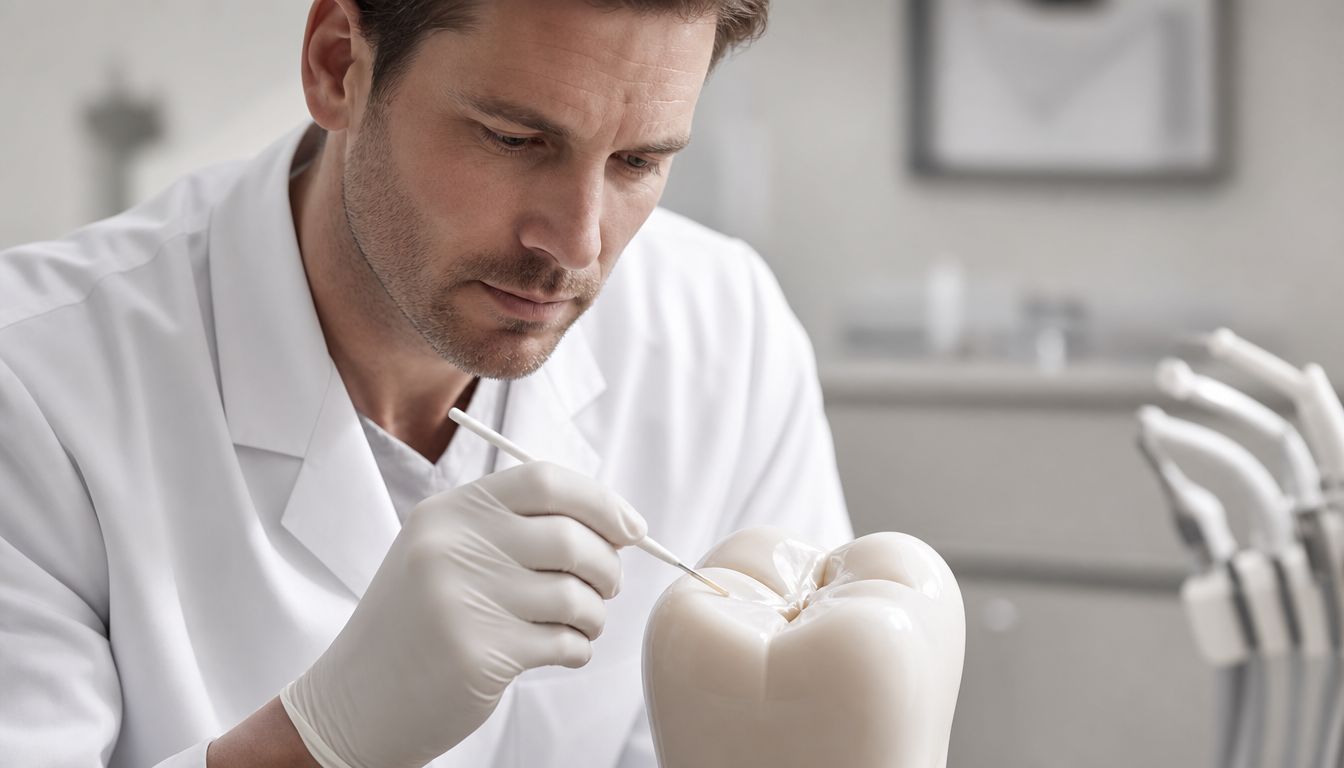
Sealants are one of the best examples of smart prevention. Molars have grooves and pits that are hard to clean thoroughly, especially in kids, teens, and adults with deep anatomy. A sealant creates a protective barrier over those chewing surfaces before decay starts.
Dental sealants prevent approximately 80% of cavities on back teeth, according to this summary of CDC-backed sealant data. That's why sealants aren't a minor add-on. They're a high-value preventive service for the right teeth.
Who Benefits Most
Children are often the clearest candidates as permanent molars come in. But adults can benefit too, especially if the grooves are deep and the teeth don't already have fillings in those surfaces. We also pay close attention to patients with repeated decay in the back teeth, because those areas are doing a lot of work and are often the hardest to keep clean.
The trade-off is simple. Sealants protect specific surfaces very well, but they don't replace brushing, fluoride, diet changes, or regular exams. They solve one problem well. They don't solve every problem.
- Ask early for kids: The best timing is often soon after permanent molars erupt.
- Consider selective use in adults: Deep grooves and cavity history make sealants worth discussing.
- Check them at routine visits: Sealants should be monitored for wear or gaps.
- Combine them with daily care: They work best as part of a bigger prevention plan.
For families searching for a dentist in Chattanooga, TN, or Cleveland, TN who offers prevention before problems, sealants are one of the most practical services to ask about.
7. Chew Sugar-Free Gum or Xylitol Products After Meals
Lunch break ends, you are back in the car or headed to your next meeting, and brushing is not an option. That is when sugar-free gum or a xylitol mint can help.
The practical benefit is not convenience alone. Chewing after a meal stimulates saliva, which helps wash away food particles and soften the acid attack that follows eating. For many patients in Chattanooga and Cleveland who spend the day at work, school, or on the road, that makes this one of the easiest backup habits to keep.
Research summarized by the American Dental Association on xylitol and chewing gum suggests xylitol products may help lower cavity risk for some patients, especially when used consistently as part of a larger prevention plan. The trade-off is that gum supports daily care, but it does not clean between teeth or replace fluoride toothpaste.
Best Use Cases for Busy Schedules
I recommend this most often for patients who eat away from home and want a realistic plan between meals and their next brushing routine. It can also help adults with mild dryness who are trying to keep their mouth more comfortable during the day. If hydration is part of the problem, these expert tips for hydration can support the bigger picture.
At Winn Smiles, we usually place gum and xylitol products in the "helpful extra" category. They work best for patients who already brush with fluoride, keep recall visits, and want one more layer of protection that fits real life.
- Use it right after meals or snacks: That is when saliva support matters most.
- Choose sugar-free products with xylitol: Read the label instead of assuming every sugar-free gum works the same way.
- Chew long enough to get the benefit: A brief chew is less helpful than a full post-meal routine.
- Skip it if your jaw gets sore: Patients with TMJ symptoms may do better with xylitol mints or another saliva-support option.
For the right patient, this is a simple add-on with very little hassle. During preventive visits at Winn Smiles, we can help you decide whether it fits your routine or whether another option would protect your teeth more effectively.
8. Stay Hydrated with Water and Maintain Adequate Saliva Flow
Saliva is your mouth's built-in defense system. It dilutes acids, helps wash away food debris, and supports enamel remineralization. When saliva flow drops, cavity risk rises fast, even in people who brush regularly.
Dry mouth deserves more attention than it usually gets. Reduced saliva flow affects 20% of adults over 50 according to the dry mouth and decay background noted in this NIDCR tooth decay resource. Medication side effects are a common reason, and many adults don't realize their mouth feels dry until cavities start recurring near the gumline.
If Your Mouth Feels Dry, Generic Advice Isn't Enough
Standard brushing advice sometimes proves inadequate. Fluoride still helps, but it can't fully make up for the loss of saliva's natural buffering action. If you wake with a sticky mouth, need frequent sips of water, or notice soreness and trouble swallowing dry foods, bring that up during your visit.
Hydration helps, but some patients need more than that. Sugar-free lozenges, xylitol gum, saliva substitutes, and changes to beverage habits can all be part of the plan.
A patient with dry mouth often needs a different prevention strategy than a patient with normal saliva flow, even if their brushing habits look the same on paper.
- Sip water through the day: Especially after meals, coffee, and acidic drinks.
- Watch for symptoms: Sticky mouth, bad breath, mouth sores, and trouble swallowing are all worth noting.
- Review your medications: Many common prescriptions can reduce saliva.
- Limit drying habits: Caffeine and alcohol can make an already dry mouth worse for some people.
- Ask for a customized plan: At Winn Smiles, we tailor preventive care for dry mouth patients so decay doesn't keep repeating.
If you're also trying to improve your daily hydration routine, expert tips for hydration can help you build better habits outside the dental office too.
8-Point Cavity Prevention Comparison
| Preventive Measure | Implementation complexity | Resource requirements | Expected outcomes | Ideal use cases | Key advantages |
|---|---|---|---|---|---|
| Brush Your Teeth Twice Daily with Fluoride Toothpaste | Low, simple routine, technique important | Toothbrush, fluoride toothpaste, ~2 minutes twice daily | Removes plaque, strengthens enamel, lowers cavity risk | Universal daily care for all ages | Low cost, accessible, immediate hygiene benefits |
| Floss Daily Between Teeth and Below the Gumline | Moderate, requires proper technique and consistency | Dental floss, floss picks, or water flosser | Removes interproximal plaque, prevents tartar and gum disease | Patients with tight contacts, bleeding gums, or interproximal decay risk | Highly effective for spaces brush misses, inexpensive |
| Maintain a Cavity‑Fighting Diet Low in Sugar and Acids | Moderate–High, requires behavior and habit change | Food choices, water, occasional substitutes (e.g., cheese, xylitol) | Fewer acid attacks, reduced cavity formation, improved oral/systemic health | Frequent snackers, high sugar consumers, long‑term prevention | Addresses root cause of decay, benefits overall health |
| Attend Professional Dental Cleanings and Exams Every Six Months | Low for patient; requires scheduling and attendance | Dental visits, professional cleaning, X‑rays, time and cost | Tartar removal, early cavity detection, professional fluoride protection | Routine preventive care; higher frequency for high‑risk patients | Professional diagnostics, removes buildup home care can't |
| Use Fluoride Mouthwash or Rinses to Strengthen Enamel | Low, quick daily rinse | Over‑the‑counter or prescription fluoride rinse | Remineralizes early lesions, adds enamel protection | Moderate/high‑risk patients or those with past cavities | Easy, affordable adjunct to brushing and flossing |
| Apply Dental Sealants to Protect Vulnerable Back Teeth | Low for patient; procedure performed by dentist | Dental appointment, sealant material, professional application | Up to ~80% reduction in cavities on sealed surfaces, long‑lasting protection | Children after molar eruption, adults with deep grooves or cavity history | Non‑invasive, cost‑effective, highly protective on chewing surfaces |
| Chew Sugar‑Free Gum or Xylitol Products After Meals | Very low, chew ~20 minutes after eating | Sugar‑free/xylitol gum or mints | Stimulates saliva, neutralizes acids, xylitol inhibits cavity bacteria | When brushing isn't possible: travelers, students, office workers | Convenient, passive protection, freshens breath |
| Stay Hydrated with Water and Maintain Adequate Saliva Flow | Low but requires consistent habit | Access to water, saliva substitutes or stimulants if needed | Improved saliva buffering/remineralization, reduced cavity risk | Patients with dry mouth, medication‑induced xerostomia, everyone | Natural, low‑cost defense that supports systemic health |
Schedule Your Preventive Care Visit in Chattanooga or Cleveland, TN
A lot of cavity problems start the same way. A patient feels fine, puts off a cleaning for a few extra months, then calls when a small sensitive spot turns into a toothache. By that point, the fix is often more involved than it needed to be.
Daily habits do most of the prevention work, but home care has limits. Plaque hardens into tartar. Early weak spots in enamel can be easy to miss. Dry mouth, deep grooves in molars, crowded teeth, and old fillings can all raise cavity risk even in patients who brush faithfully. Regular visits give us a chance to catch those patterns early and adjust the plan before decay becomes painful or expensive.
At Winn Smiles, prevention is built around practical next steps, not generic advice. A visit may include an exam, digital x-rays when needed, a professional cleaning, fluoride recommendations, sealant discussion for cavity-prone teeth, and guidance for dry mouth or sensitivity. If a child needs extra protection on back teeth, we can talk through sealants. If an adult keeps getting cavities around older dental work, we can look at what is driving it and what will realistically help.
Comfort matters too.
Patients in Chattanooga and Cleveland often tell us they have delayed care because of anxiety, a bad past experience, or fear that every appointment will lead to major treatment. Preventive visits should feel manageable. Winn Smiles offers a patient-centered setting, modern technology, and sedation options for patients who need more support, which can make it much easier to stay consistent with cleanings and exams.
Prevention also supports every other part of dental care. Patients who are considering whitening, crowns, implants, or other restorative work still need healthy gums and stable teeth underneath. Starting with prevention protects that investment and usually gives us more conservative treatment choices later.
If we find a problem, we explain it clearly. Sometimes the right answer is a small filling now. Sometimes it is watching an area, changing your fluoride routine, or scheduling more frequent hygiene visits because your risk is higher than average. Good preventive care is not one-size-fits-all, and that is exactly why an in-person exam helps.
If you have been overdue, this is a good time to reset. Winn Smiles welcomes patients in Chattanooga and Cleveland, Tennessee for preventive dental care, cleaning and exams, new patient exams, emergency dentistry, restorative dentistry, cosmetic dentistry, same-day crowns, and dental implants. If you're looking for a dentist near you who combines comfort, technology, and practical long-term care, contact Winn Smiles to schedule your visit.