Waking up with a dry, sticky mouth can turn a normal day into a frustrating one. Talking feels harder, coffee tastes off, and by evening your lips are sore and you're reaching for water again and again. If that sounds familiar, you're not alone, and you don't have to guess your way through every dry mouth relief product on the shelf before getting real answers.
For many people in Chattanooga and Cleveland, dry mouth starts as a nuisance and slowly becomes something that affects sleep, eating, and confidence. The right products can help, but the key is finding out why your mouth is dry in the first place. That's where a local dental exam matters, because the cause often determines whether a spray, gel, lozenge, or a more targeted treatment will help.
Understanding Dry Mouth and Why It Matters
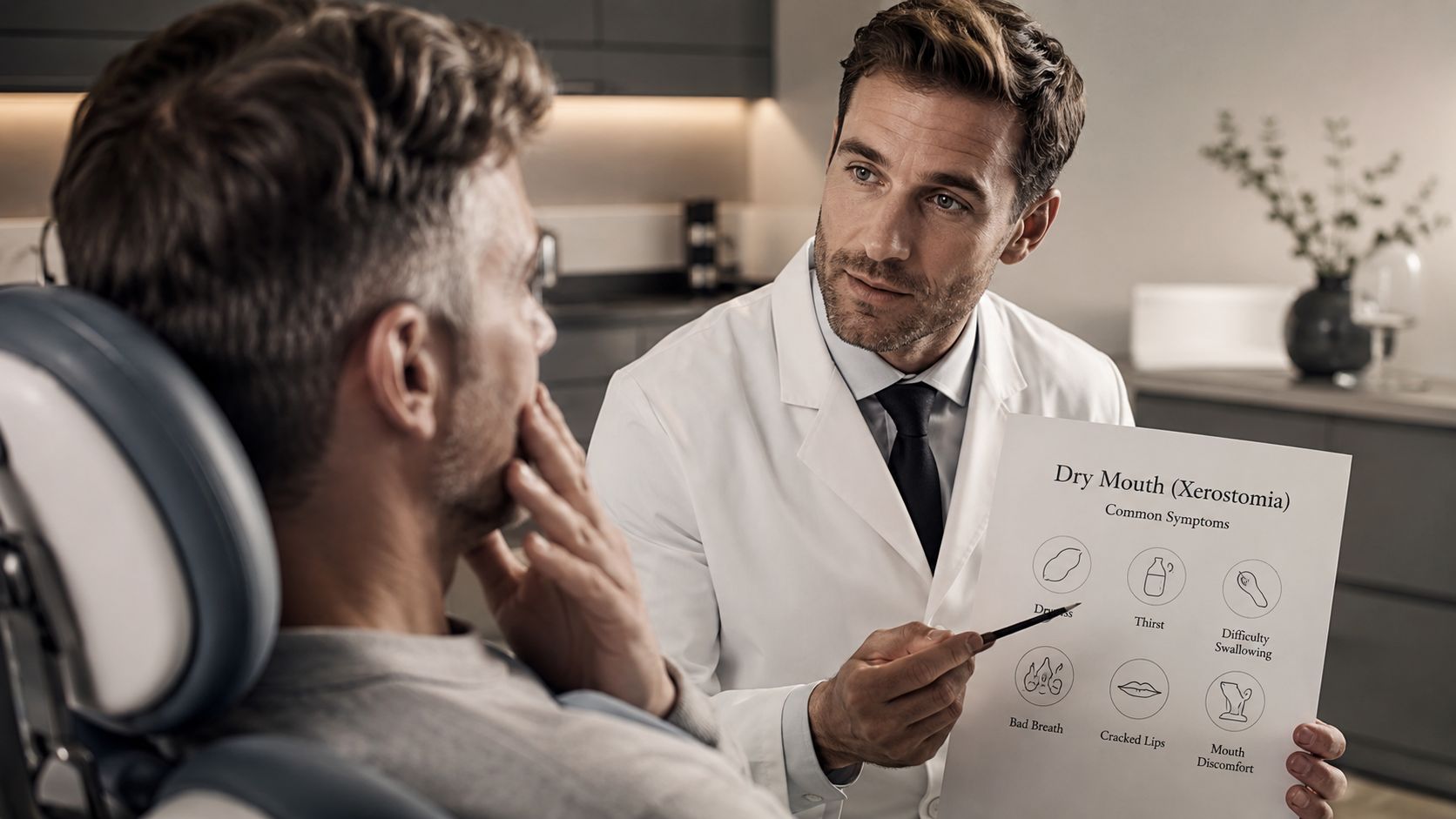
A patient might describe it in simple terms, “My mouth never feels wet enough.” That feeling has a name, xerostomia, and it usually happens when the salivary glands aren't producing enough saliva, or the saliva isn't working the way it should. Saliva is part of your mouth's daily maintenance system, and when it drops, even ordinary things like speaking clearly or swallowing a cracker can feel unusually difficult.
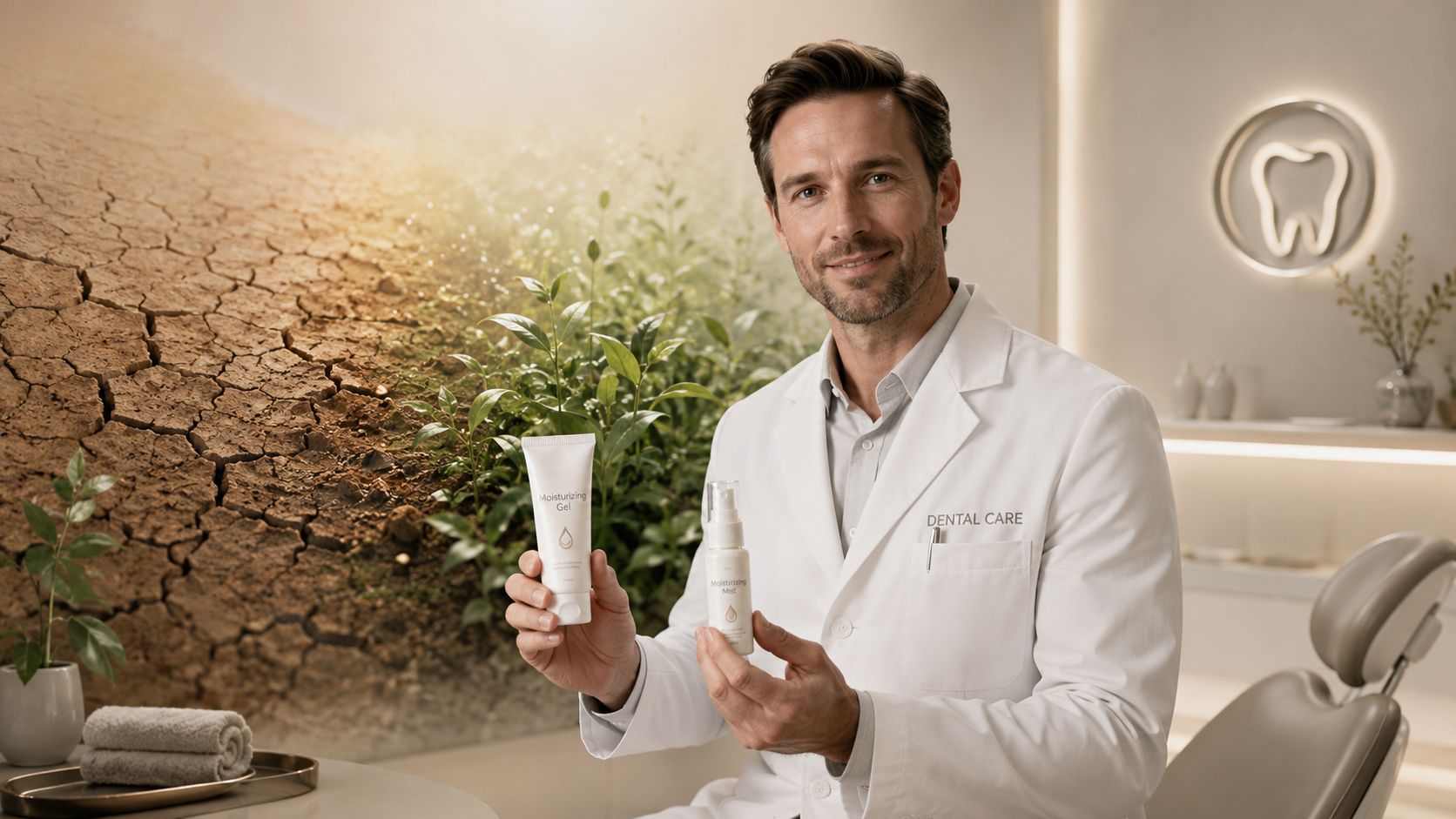
Think of saliva like steady watering in a garden. When the watering stops, the soil dries out, plants get stressed, and the whole system becomes harder to maintain. Your mouth works the same way, because saliva helps lubricate tissues, protect teeth, and keep the oral environment balanced.
Common reasons the mouth feels dry
Dry mouth can show up after starting a new medication, during times of mouth breathing, or alongside health conditions that affect saliva flow. It can also be tied to aging or autoimmune conditions such as Sjögren's syndrome, and it often becomes more noticeable at night when the mouth stays open longer.
A local dentist can help sort out whether the problem looks temporary, medication-related, or tied to something that needs a broader plan. For families looking for a dentist near me in Chattanooga or Cleveland, that first step is often a full examination, because treating the symptom without identifying the cause can leave people stuck in a cycle of short-lived relief.
what causes tooth decay in adults is worth reading alongside this topic, because dry mouth and decay often travel together. When saliva drops, teeth lose one of their main natural defenses.
Practical rule: if your mouth stays dry even after you hydrate and try OTC products, the problem is probably bigger than thirst alone.
What Causes Dry Mouth and How It Affects Oral Health
Saliva does a lot more than make your mouth feel comfortable. It rinses away food particles, helps neutralize acids, and supports the natural repair process that protects enamel. When saliva production slows down, those jobs don't get done as well, which is why dry mouth isn't just annoying, it can change the health of the whole mouth.
Medications are a common trigger, especially those used for allergies, depression, blood pressure, and other long-term conditions. Dry mouth can also follow radiation treatment, show up with diabetes or autoimmune disease, and worsen when someone breathes through the mouth or doesn't stay well hydrated. On top of that, sleeping with the mouth open can make symptoms feel much worse by morning.
Why the mouth changes so fast
When saliva is low, teeth are exposed to acids for longer periods, and bacteria have an easier time thriving. That can raise the risk of cavities, gum problems, and oral infections, and it can make dentures feel uncomfortable or unstable. A scratchy throat, burning tongue, or sticky feeling on the cheeks often shows up too, because the tissues themselves are no longer being kept as smooth and moist.
For patients who want to understand tooth protection more clearly, a plain-language explanation of why fluoride treatment matters can help connect the dots. Fluoride becomes especially important when saliva is reduced, because it gives teeth extra support when the body's natural protection is weaker.
The simplest way to think about dry mouth is this. Less saliva means less cleansing, less buffering, and less buffering means more wear on teeth and soft tissues. That's why a dentist's evaluation matters, especially if dry mouth keeps returning after medication changes or home care efforts.
does blood pressure medication cause dry mouth is a useful follow-up if you've noticed symptoms after starting a new prescription.
Dry mouth is not just a comfort issue. It can change how easily decay and irritation get started.
Comparing OTC and Prescription Dry Mouth Relief Products
Over-the-counter dry mouth relief products usually fall into a few familiar groups, saliva substitutes, moisturizing gels, sprays, rinses, lozenges, and gum. Prescription options are different because a dentist may recommend treatment aimed at the cause, not just the feeling of dryness. The important question isn't which label sounds strongest, it's which approach matches how much saliva your mouth can still make.
The American Dental Association's review of dry mouth care found “no strong evidence” that any single topical therapy works for everyone, which is why product choice matters so much. A more recent randomized trial found that three different dry mouth product types improved dryness and moisturization measures better than water on Day 1 and Day 4, with several results reaching p < 0.05. Another laboratory study found that only 2 of 16 saliva substitutes performed better than water, which is a clear reminder that not all formulas behave the same way.
Side by side comparison
| Product type | How it works | Relief pattern | Best fit |
|---|---|---|---|
| Saliva substitutes | Coats and moistens the mouth | Can last longer if the formula sticks well | Ongoing dryness with low saliva |
| Sprays | Fast application, easy to carry | Often short to moderate relief | Daytime use and quick touch-ups |
| Gels | Thicker texture clings to tissues | Usually longer-lasting than rinses | Nighttime dryness and mouth breathing |
| Lozenges or gum | Stimulate remaining saliva | Depends on gland function | Mild dryness with residual saliva flow |
| Prescription treatment | Targets the cause or boosts saliva output | Depends on the diagnosis | Persistent or severe dryness |
What to look for on labels
Products with xylitol, carboxymethylcellulose, or hydroxyethyl cellulose are common OTC options, and Mayo Clinic lists examples such as Mouth Kote, Oasis Moisturizing Mouth Spray, and Biotene Dry Mouth Oralbalance Gel. Ingredients matter because some formulas mainly coat the mouth, while others try to stimulate the glands that are still working.
A useful way to think about the difference is simple. If the mouth still has some saliva production, a lozenge or gum may help stimulate it. If the mouth is very dry, a coating gel or substitute often makes more sense because there isn't enough moisture to work with.
How to Choose the Right Dry Mouth Relief Product for Your Needs
Start with three questions. What's causing the dryness, how severe is it, and when does it bother you most? A product that feels great for five minutes may be a poor choice if your mouth gets dry every night or during long work shifts.
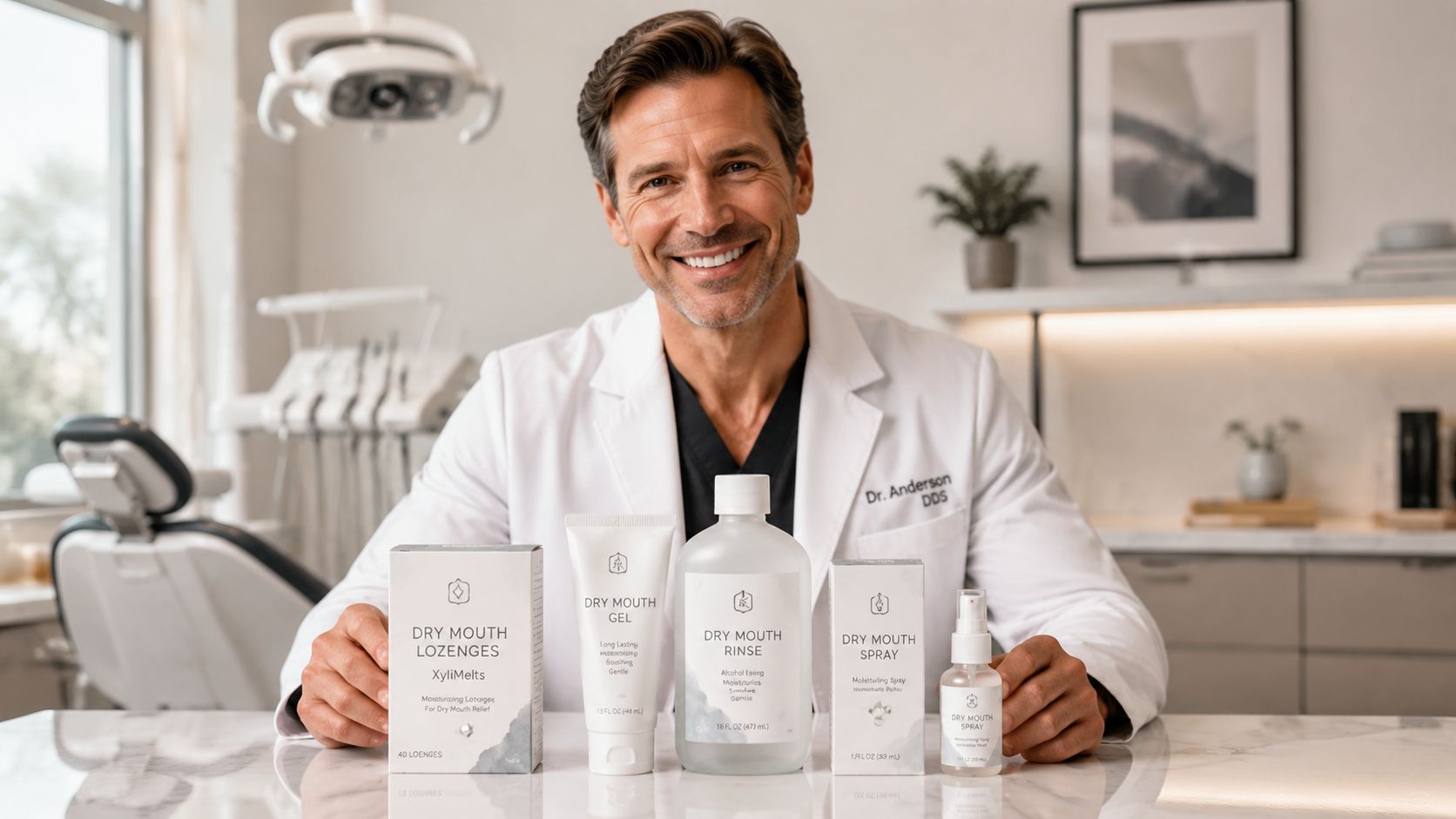
If your dryness seems tied to medication, a longer-lasting gel or spray may be more practical than a rinse you have to keep reapplying. If you have severe dryness from Sjögren's syndrome or radiation treatment, a true saliva substitute is usually more appropriate than a simple water-based mouthwash. That's because the mouth needs coating and moisture retention, not just a quick rinse.
Ingredients that deserve attention
Look for xylitol in lozenges or gum if you still have enough salivary function to stimulate. Avoid alcohol-based mouthwashes, because they can make dryness feel worse. If cavities are a concern, fluoride-containing toothpaste or rinse becomes especially important, since reduced saliva leaves teeth more exposed.
Useful habit: choose a product based on when the dryness hits hardest, daytime, nighttime, after meals, or after medication, then test it consistently for a few days.
The movie of dry mouth care is usually about matching the product to the problem, not chasing the fanciest package. If you want a familiar OTC starting point, products like Mouth Kote, Oasis Moisturizing Mouth Spray, and Biotene Dry Mouth Oralbalance Gel are commonly mentioned by Mayo Clinic. But if symptoms keep coming back, the product may be doing its job and still not solving the issue.
Red Flags That Mean You Should See a Dentist
Persistent dryness that doesn't improve with products is a sign to stop self-treating and get an exam. So is trouble speaking, chewing, or swallowing, because those are clues that the mouth is no longer functioning comfortably on its own. A burning tongue, cracked lips, or a coated mouth can point to a deeper issue that needs professional attention.
Frequent cavities are one of the biggest red flags. When the same areas keep breaking down, dry mouth may be speeding up decay faster than home care can keep up with. Gum disease and recurring oral infections also matter, because a dry mouth creates a less protective environment for the tissues that should be healing and staying balanced.
Signs that deserve a dental visit
- Symptoms keep returning: Relief fades quickly, even when you use products correctly.
- Eating or talking is harder: Dryness is affecting normal daily function.
- Your mouth burns or stings: That can happen with irritation, infection, or another underlying issue.
- Cavities show up often: Low saliva can make decay move faster.
- Dentures feel less stable: Dry tissues can make appliances harder to wear comfortably.
The concern here isn't just discomfort. Untreated dry mouth can lead to broader oral problems that build over time, and those problems often become more complicated than the original symptom. A dentist can check whether the issue is coming from medication, a health condition, or a dental concern that needs targeted care.
If you've been trying product after product and still waking up dry, that's the point where a professional diagnosis is more useful than another aisle trip. A good exam can separate a temporary symptom from a pattern that needs treatment.
How Winn Smiles Can Help With Dry Mouth Diagnosis and Treatment
At Winn Smiles in Chattanooga and Cleveland, dry mouth is treated as a real oral health concern, not something to brush off. The team looks at the whole picture, medication history, symptoms, cavity risk, gum health, and whether the mouth shows signs of ongoing irritation or infection. That matters because the right plan depends on what's driving the dryness.

Winn Smiles also has the kind of services that fit patients whose dry mouth has affected the rest of their oral health. That can include exams, periodontal care, restorative dentistry, same-day crowns, dental implants, and emergency dentistry when symptoms have turned into pain or damage. If a patient is anxious about treatment, comfort-focused care and sedation options can make the visit easier to manage.
What a visit can cover
A dry mouth appointment may include:
- A thorough exam to look for decay, inflammation, or signs of infection.
- A review of medications and habits that could be contributing to dryness.
- Personalized recommendations for product type, oral hygiene, and follow-up care.
- Restorative planning if dry mouth has already caused damage that needs repair.
Some cases are simple, some need ongoing care, and some need a mix of both. The value of seeing a local dentist is that you're not left guessing which dry mouth relief products to buy next. You get a plan that fits your mouth, your health history, and your daily routine.
If dry mouth is making meals, sleep, or conversations harder, schedule a visit with Winn Smiles in Chattanooga or Cleveland. You'll get a careful evaluation, practical product guidance, and a treatment plan built around what's really causing the dryness. The sooner you get answers, the sooner your mouth can start feeling comfortable again.