You're awake in Cleveland, TN, staring at the clock while one tooth throbs every time you lie down. Maybe the pain started after dinner, or perhaps a cracked filling, old crown, or deep cavity has been bothering you for days. Now you're searching for an emergency dentist near me, wondering whether you need antibiotics, a root canal, or a tooth extraction tonight.
A root canal emergency needs calm, practical triage. The problem may involve inflammation inside the tooth, a localized infection, or both. This guide explains what you can do within minutes, which symptoms require same-day care, what happens during an emergency visit, and what recovery can feel like during the first two weeks. Whether you're deciding between staying near Cleveland or driving toward Chattanooga, use the warning signs below to choose your next step.
When the Pain Hits Hard in Cleveland or Chattanooga
A severe toothache rarely respects office hours. Patients often notice the problem late in the evening, during a weekend, or after a tooth cracks while eating. The discomfort can feel sharp with cold drinks, deep and throbbing without warning, or worse when you bite down. An endodontic emergency is pain linked to inflammation of the pulp or tissues around the tooth, or pain with or without swelling caused by infection in the root canal system or surrounding tissues, as described in this clinical definition of endodontic emergencies.
The pulp is the living tissue inside a tooth. Deep decay, a crack, repeated dental work, a failing crown, or trauma can irritate or damage it. Once the pulp becomes severely inflamed, the tooth may hurt intensely even when it looks normal from the outside.
Practical rule: Severe pain deserves a dental assessment, but swelling that spreads or affects breathing is a medical emergency.
Tennessee patients in Cleveland and Chattanooga often have to make a quick practical choice: call an emergency dentist near home, travel to the other city, or wait until morning. Don't choose based on pain alone. First, check for swelling, fever, breathing or swallowing problems, pus, and trauma. Those findings can change a routine urgent appointment into a same-day priority.
You can usually make the next decision in a few minutes. Start with safe symptom control, then use the triage signs below to decide whether you need care tonight or can arrange a prompt appointment tomorrow.
What To Do at Home Before You Reach the Dentist
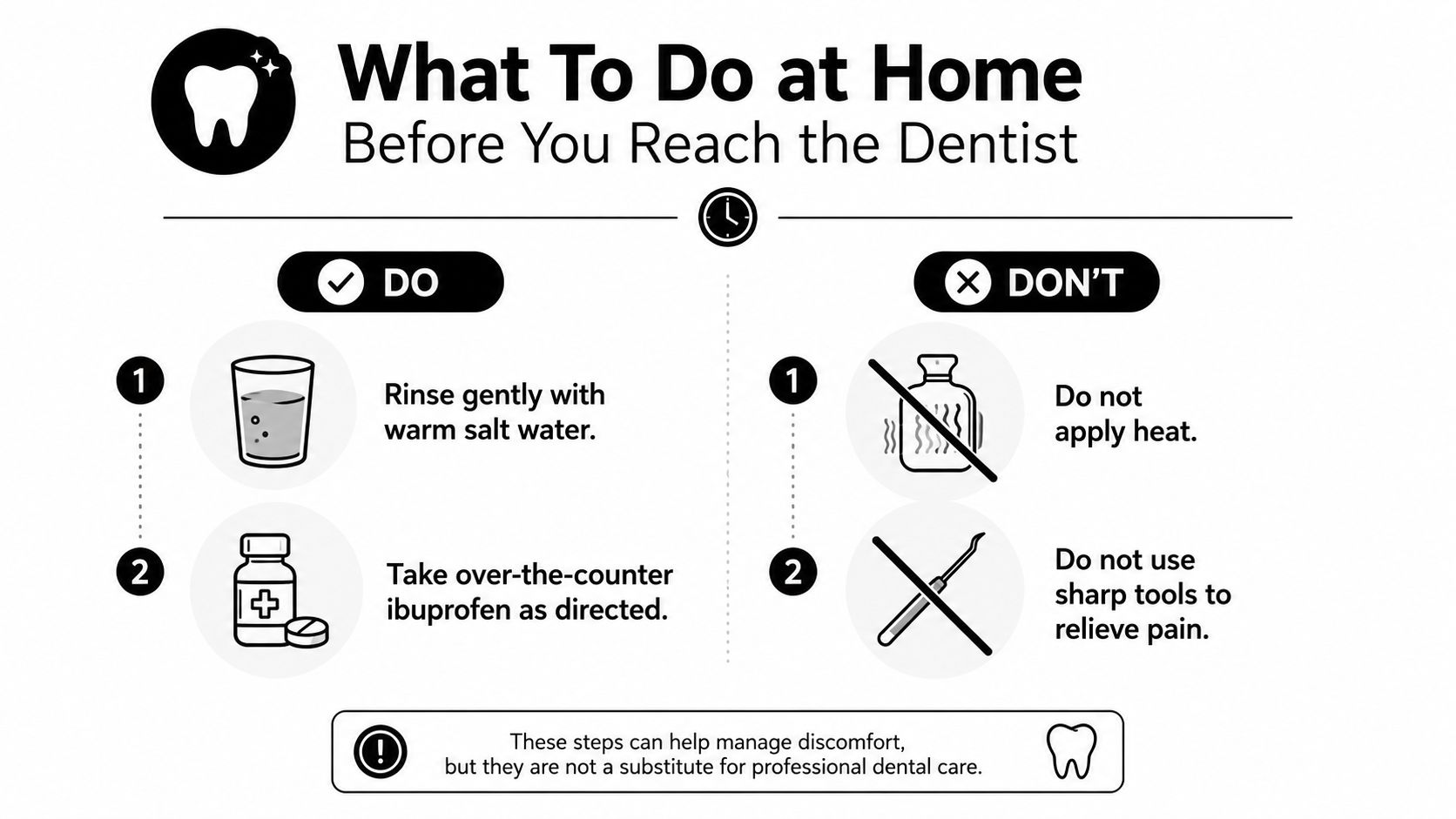
Your first goal is to reduce irritation without damaging the gum or masking a worsening problem. These measures can make the wait more manageable, but they won't remove inflamed pulp, drain an abscess, or repair a cracked tooth.
Your first hour
Rinse gently. Use warm salt water and let it move around the painful area without vigorous swishing. This helps clear food debris and keeps the mouth cleaner.
Use over-the-counter pain relief carefully. If you can safely take them, use ibuprofen 600 mg every 6 hours and acetaminophen 500 mg every 6 hours in a staggered schedule. Follow the medication label and your clinician's advice. Don't use this schedule if you have a medical restriction, medication interaction, liver disease, kidney disease, stomach ulcer concerns, are taking blood thinners, or have another reason these medicines may be unsafe. Ask a pharmacist or medical professional if you're uncertain.
Cool the cheek. Apply a cold compress for 15 minutes on and 15 minutes off. Cold can reduce discomfort and swelling. Put a cloth between the compress and your skin.
Raise your head. Rest with your head raised rather than lying completely flat. This may reduce the pressure sensation that makes nighttime throbbing feel worse.
Keep any broken filling, crown, or tooth fragment in a clean container and bring it to the appointment. Avoid chewing on the painful side, and skip very hot, cold, or sugary foods if they trigger symptoms.
Don't place aspirin directly on the gum. It can irritate or burn the tissue. Don't use heat on facial swelling, and don't probe the tooth with pins, picks, or other sharp objects.
For a practical checklist of items to keep available, review this emergency dental kit guide. A MedTrack dental kit meds resource can also help you organize medication information before speaking with a dental professional.
These steps manage symptoms only. Check the warning signs next, because swelling, fever, or airway symptoms should determine how quickly you seek care.
Triage Signs That Mean You Need Care Today
The most useful distinction is between inflammatory pain and a spreading infection. A sharp pain triggered by cold that lingers can come from inflamed pulp. It may still require root canal treatment, but without swelling or systemic symptoms, a prompt next-day dental visit may be reasonable.
Spontaneous throbbing, pressure, swelling, pus, fever, or a bad taste raises more concern for infection. A localized acute apical abscess is generally managed with local treatment such as drainage or pulpectomy first, while systemic antibiotics are reserved for specific medical indications, as explained in this review of emergency endodontic treatment.
Call an emergency dentist now if you have any red flag. Trouble swallowing or breathing, rapidly spreading facial swelling, or swelling moving toward the jaw, neck, or airway requires immediate emergency medical evaluation. A fever above 101°F (38.3°C) also moves the situation beyond routine dental urgency, according to emergency symptom guidance.
| Symptom | Same-Day Emergency? | Action |
|---|---|---|
| Facial swelling spreading toward the eye or neck | Yes | Call an emergency dentist immediately. Seek medical emergency care if swelling affects breathing or swallowing. |
| Fever above 101°F (38.3°C) | Yes | Contact a dentist urgently and follow medical emergency guidance if you feel systemically ill. |
| Difficulty swallowing or breathing | Yes | Seek immediate emergency medical evaluation. |
| Gum boil, pus, or persistent bad taste | Yes | Request same-day dental assessment for possible drainage and source control. |
| Pain preventing sleep or work | Usually | Call for urgent evaluation rather than relying on repeated medication. |
| Tooth knocked loose after trauma | Yes | Protect the area and seek same-day dental care. |
| Localized gum tenderness without swelling | Usually no | Arrange a prompt appointment and monitor for change. |
| Mild cold sensitivity | Usually no | Schedule an exam, especially if the sensitivity lingers or worsens. |
| Lost filling without pain | Usually no | Protect the tooth and arrange care within 24 to 48 hours. |
A root canal symptom guide can help you prepare for the phone call, but it can't replace an examination. If any red flag is present, call now.
Why Antibiotics Are Usually Not the Answer
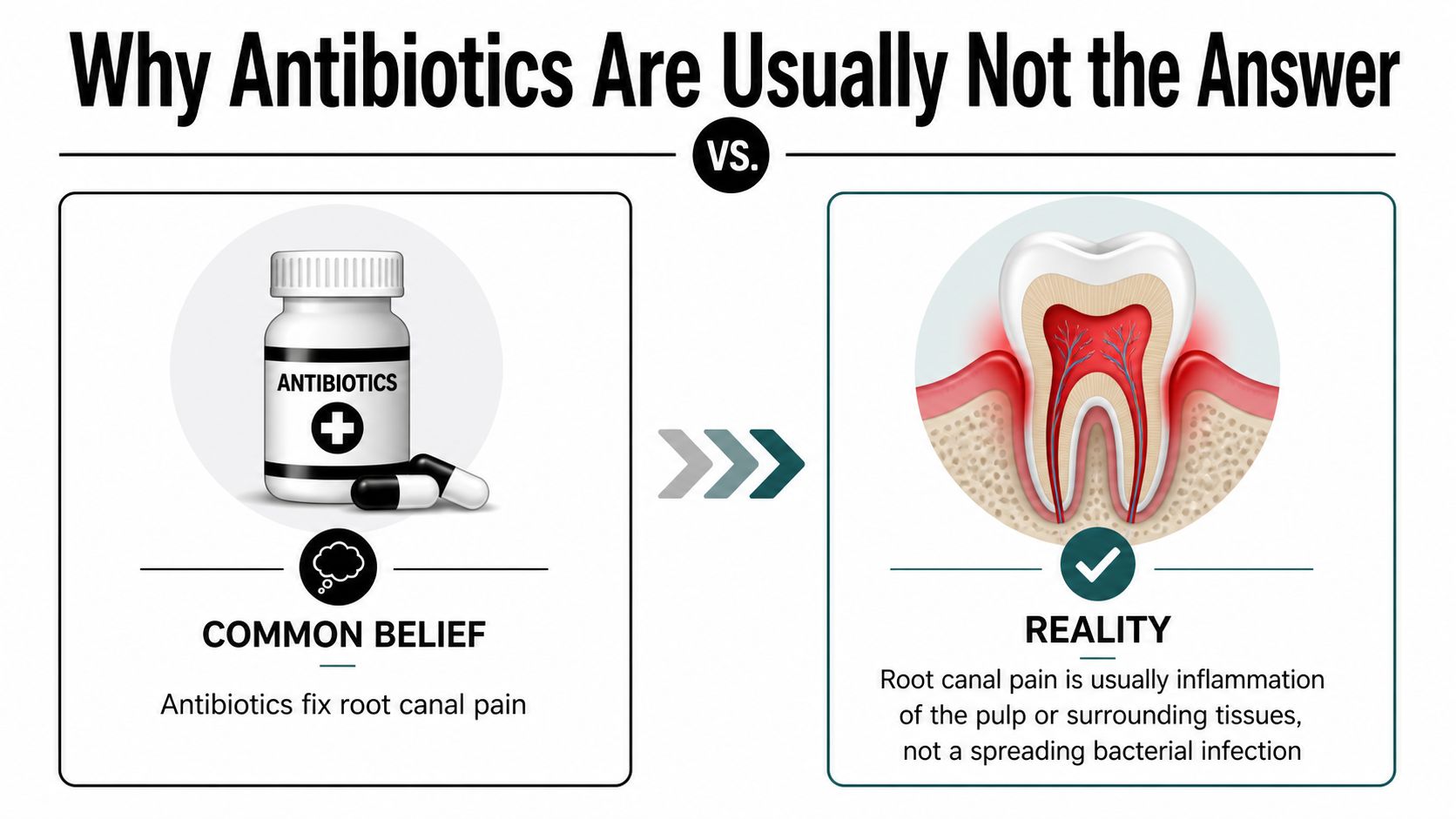
Antibiotics do not automatically stop root canal pain. A tooth can hurt intensely because inflammation is trapped inside the pulp or surrounding tissues. Medication cannot remove that irritated tissue, repair the tooth, or release pressure from the enclosed space.
The American Association of Endodontists antibiotic guidance supports a treatment plan built around diagnosis, dental treatment, and medication when medication is medically indicated. For many patients, the fastest relief comes from treating the tooth itself rather than waiting for an antibiotic to work.
When medication belongs in the plan
A dentist may prescribe antibiotics when the illness is affecting more than the tooth, or when fever, feeling unwell, facial swelling, swallowing problems, breathing symptoms, or reduced immune defenses raise the medical risk. Your health history and current medicines also affect that decision.
For inflammation-driven pain, dental treatment addresses the cause directly. A pulpotomy or pulpectomy removes irritated or infected pulp. Drainage can reduce pressure when fluid has collected. The dentist may then clean and seal the canals with root canal treatment, or recommend extraction when the tooth cannot be restored reliably.
Antibiotics taken without a clear indication can cause side effects and contribute to resistance. They can also create a dangerous delay, especially when a patient assumes the prescription has treated the tooth. If your pain remains severe during the 24 to 48 hours after a visit, call the dental office instead of repeatedly searching for stronger medication. Pain does not mean your concern is being dismissed. It means the tooth needs the right source treatment and follow-up.
What Happens at Your Emergency Visit to Winn Smiles
The first phone call helps the dental team prepare. Tell them which tooth hurts, when the pain started, whether it responds to hot or cold, whether biting makes it worse, and whether you have swelling, fever, drainage, trauma, or medication restrictions. Mention if you're a new patient, pregnant, immunocompromised, or taking blood thinners.

At the office, check-in should focus on getting you comfortable and identifying the cause. A focused dental exam may include tapping on the tooth, checking how it responds to temperature, examining the gums, and taking a periapical X-ray or 3D scan when the anatomy or diagnosis needs more detail.
The dentist should explain the findings in plain language before recommending treatment. Depending on the condition of the tooth, options may include:
- Pulpotomy or pulpectomy: Removing some or all of the inflamed pulp to control acute pain.
- Root canal treatment: Cleaning and shaping the canals, disinfecting the internal space, and sealing it.
- Tooth extraction: Removing a tooth that can't be saved or restored predictably.
- Temporary stabilization: Protecting a damaged tooth until definitive restorative care is completed.
After local anesthesia, the team isolates the tooth with a dental dam. The dentist accesses the canals, removes the damaged tissue, cleans the canal system, and places a calming medicament or temporary seal when appropriate. The procedure is designed to control the source rather than cover the symptoms.
Patients may leave with significant pain reduction the same day, along with instructions for medication, chewing, and follow-up. If extraction is necessary, the discussion may include tooth replacement options such as a bridge or dental implants near me. If the tooth is restorable, a permanent filling or crown may be needed to protect it.
The Two Weeks After Treatment That Worry Most Patients
The first 24 to 48 hours after emergency treatment are when many patients search again in panic. Mild tenderness when biting, gum soreness, or brief pressure sensitivity can occur as the tissues around the tooth settle. Flare-ups after root canal therapy have been reported in the 1.4% to 19% range, and interappointment emergencies occur most often within the first 2 weeks, according to this clinical review of emergency endodontic outcomes and follow-up evidence.
A simple recovery timeline
Day 1: Expect possible tenderness or pressure sensitivity. Follow your dentist's medication instructions, use a cold compress if advised, and keep chewing off the treated tooth.
Day 3: Biting should feel stable or start improving. If the tooth feels higher than the others or remains difficult to bite on, contact the office for guidance.
Day 7: Brush and floss gently around the area. Avoid hard or sticky foods while a temporary filling or crown remains, and arrange any recommended restorative follow-up.
Day 14: Discomfort should be fading gradually. Pain that continues without improvement deserves reassessment, even when the temporary restoration appears intact.
A loose temporary restoration also warrants a call because it can leave the tooth vulnerable before definitive care. Do not wait for the scheduled visit if the restoration falls out or your bite changes noticeably. A randomized trial found that a calcium hydroxide temporary dressing did not prevent bacterial levels from returning immediately after treatment, so an interim dressing cannot guarantee that the problem will not return, as reported in this study of interim endodontic treatment.
Winn Smiles can answer recovery questions and tell you whether your symptoms fit expected healing or need an urgent examination. Record when the discomfort occurs, what triggers it, and whether it is improving before you call.
Getting Help Today From Winn Smiles
If you're searching for an emergency dentist in Cleveland, TN or an emergency dentist near Chattanooga, Winn Smiles offers root canal treatment and same-day emergency dentistry, with daily scheduling capacity reserved for patients in acute pain. The practice has two Tennessee locations, giving patients a convenient option when a toothache can't wait.
Call during business hours and describe your symptoms clearly. If you reach the office after hours, follow the voicemail instructions so the team can identify the emergency and respond appropriately. You can also submit an online appointment request if speaking by phone isn't practical.
A free consultation can help anxious patients understand the diagnosis and choices before committing to treatment. Winn Smiles welcomes new patients and discusses pricing and treatment plans clearly, including whether care involves a root canal, a tooth extraction, a crown, or future replacement with dental implants.
The same office can also support ongoing dental care after the emergency has settled. That may include cleaning and exams, dental X-rays, new patient exams, restorative dentistry, teeth whitening, cosmetic dentistry, same-day crowns, or dental implants. Patients researching a practice's communication approach may also find this guide to healthcare phone systems useful when evaluating how offices handle urgent calls.
Stop searching symptoms once you've identified a red flag. Call Winn Smiles, request an appointment, and let a dental professional determine whether you need immediate drainage, root canal treatment, medication, or another form of emergency dental care.
Winn Smiles provides same-day emergency evaluations for root canal pain, swelling, cracked teeth, and other urgent dental problems in Cleveland and Chattanooga, TN. Visit Winn Smiles to request an appointment or consultation, and take the next step toward relief instead of spending another night searching for answers.