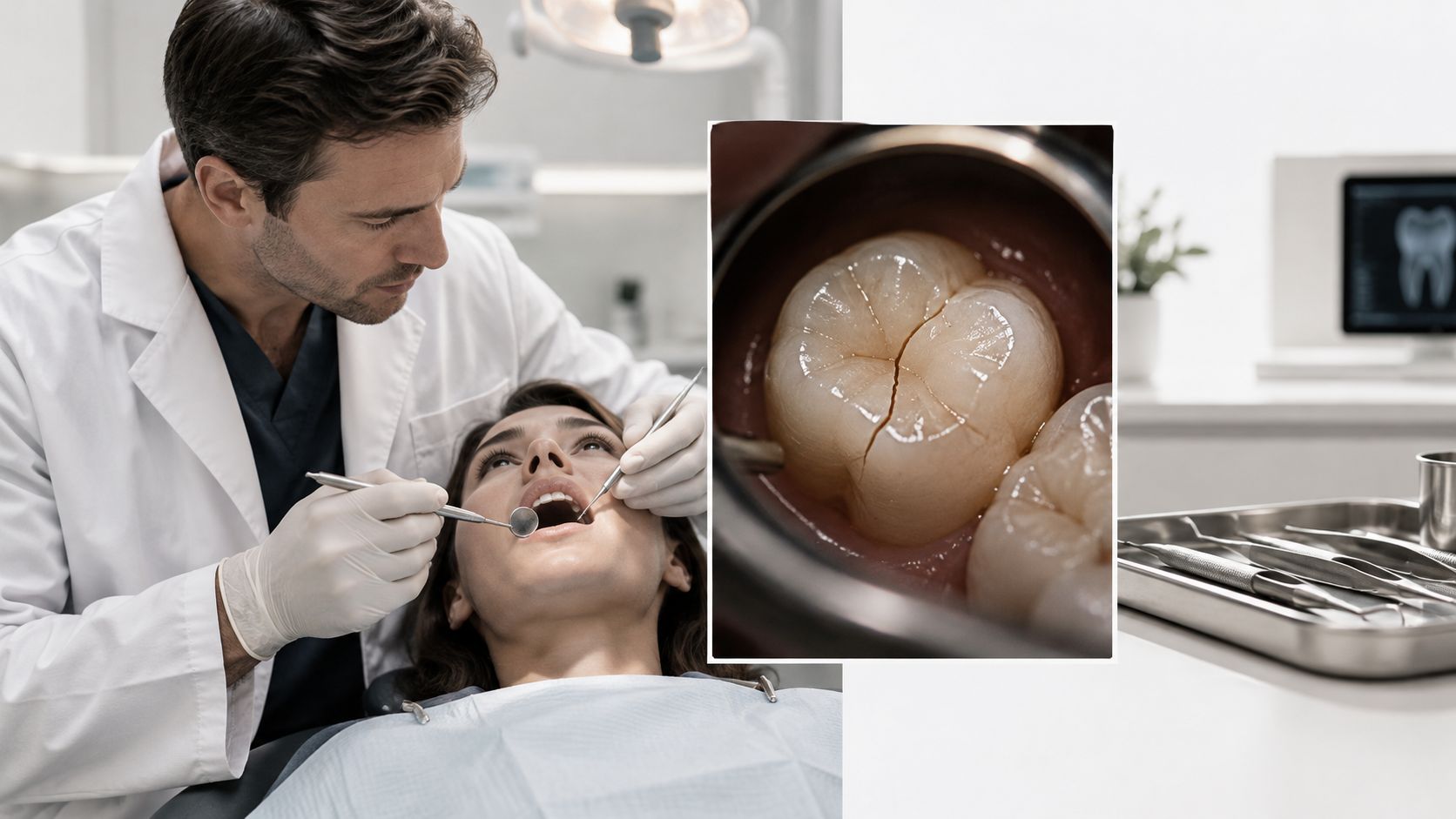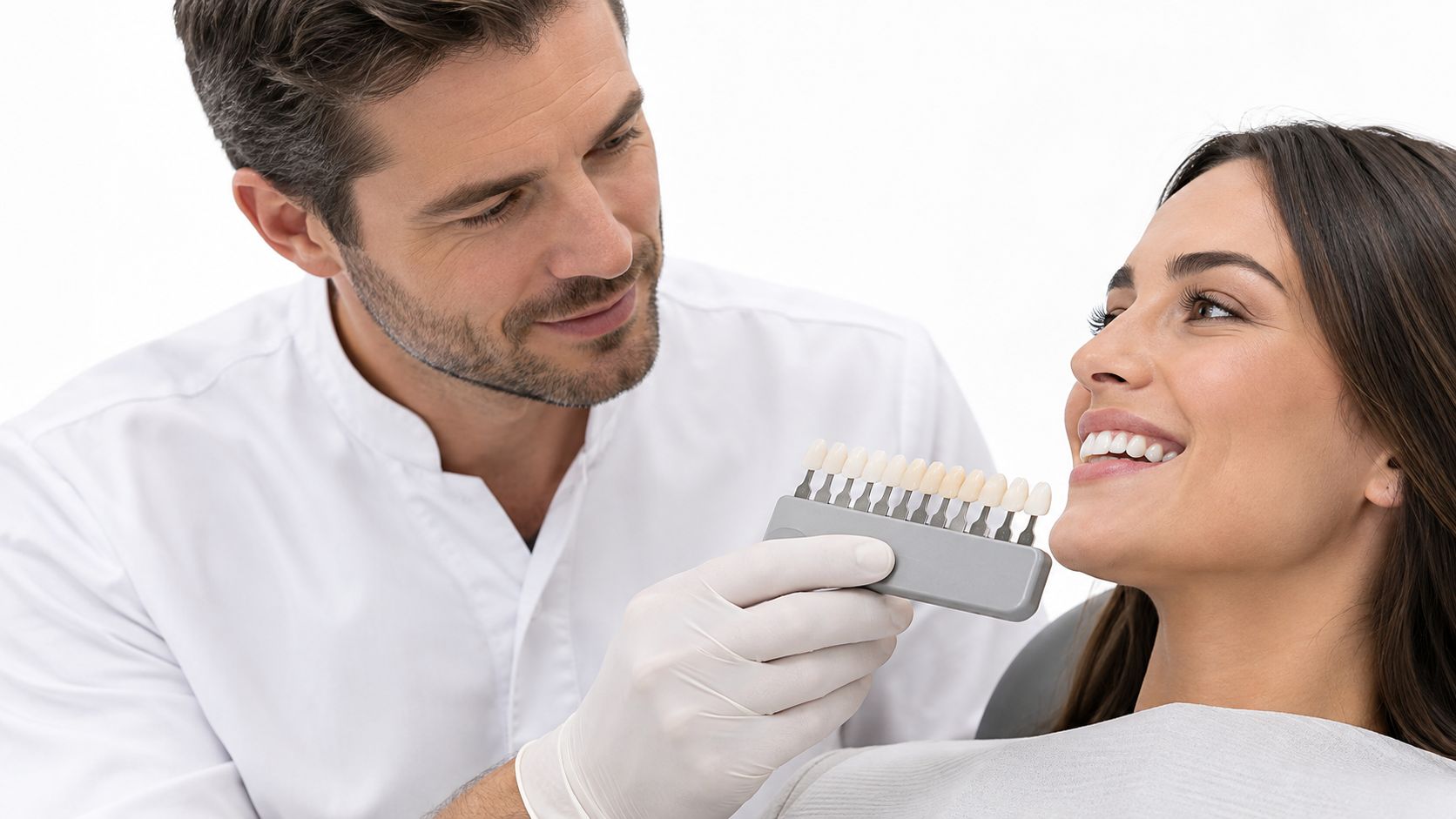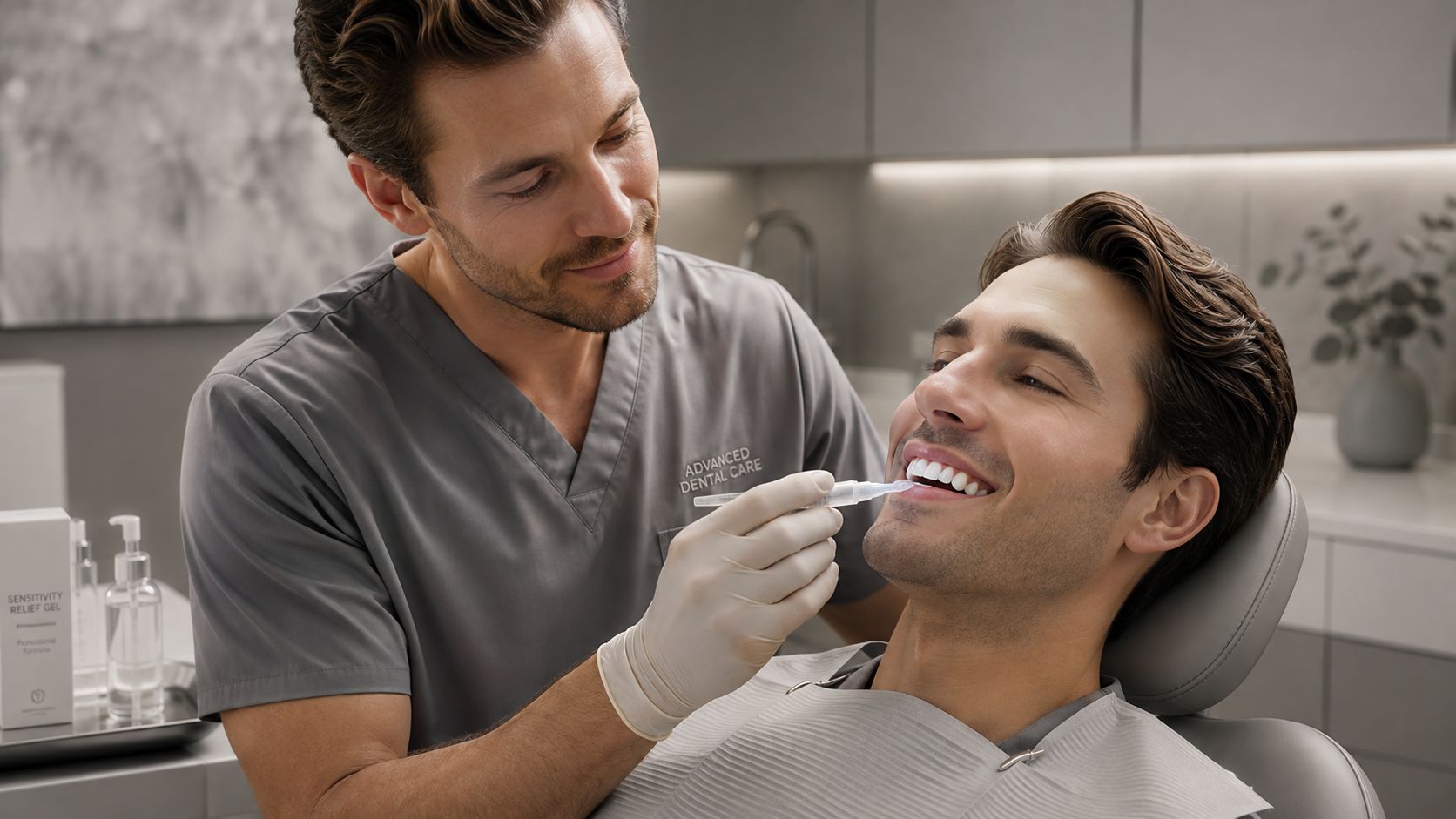
You've just left a whitening appointment in Chattanooga, smiling at every reflection and wondering whether that first cup of coffee will undo your results. Teeth whitening after care matters because the first hours can bring temporary sensitivity, while dark foods and drinks can affect a freshly treated smile. With a few practical choices, you can stay comfortable, protect your shade, and know when a question deserves a call to your dental office.
Winn Smiles serves patients in Chattanooga and Cleveland, TN, with cosmetic dentistry, preventive care, and personalized guidance after professional whitening. Whether you found the practice while searching for a dentist near me, a cosmetic dentist near me, or a Chattanooga dentist for ongoing care, the right aftercare plan should feel clear rather than restrictive.
What Happens in the First 48 Hours After Whitening
A patient often notices the change before reaching the parking lot. Your smile looks brighter, your teeth feel unusually noticeable, and a mild tingle may appear when you breathe in. That sensation can be unsettling, but mild sensitivity after whitening is common and usually temporary. In a major clinical study, 54% of both the test and control groups reported mild sensitivity, while 10% of test subjects reported moderate sensitivity and 4% reported severe sensitivity. The authors concluded that the more intense symptoms generally lasted one to two weeks in the affected patients. Read more about realistic shade expectations in this guide to teeth whitening before and after results.
Bleaching temporarily makes enamel more receptive to stain molecules while peroxide works through the tooth. That helps oxygen reach and break down discoloration, but it also explains why teeth can feel vulnerable immediately after treatment. Your teeth may look brightest right away, while the final shade settles as the whitening process and rehydration continue.
Treat the first two days as two phases
Day one is about comfort. Sensitivity commonly rises during the first day, so lukewarm foods, gentle brushing, and sensible temperature control matter most.
Days two through seven are about stain defense. The strictest food and drink precautions belong near the beginning, but avoiding concentrated pigments for several days gives your smile a better chance to hold its new shade.
A 48-hour white-diet window is widely used in professional aftercare guidance because freshly treated teeth can be more stain-susceptible during that period. You don't need to stop eating, and mild sensitivity isn't evidence that whitening damaged your teeth. It's a signal to reduce triggers while your mouth returns to its normal balance.
Managing Sensitivity on Day One
Sensitivity often peaks during the first 24 hours, especially after stronger peroxide treatments. One clinical review reported mean sensitivity scores rising from 1.4 at baseline to 6.2 after 40% hydrogen peroxide, from 1.9 to 3.0 after 16% carbamide peroxide, and from 1.7 to 2.2 after 10% carbamide peroxide. The same review summarized an average of 1.0741 days with sensitivity. These figures come from clinical research on post-whitening sensitivity.
Start with temperature control. For the first few hours, choose room-temperature or lukewarm water and avoid ice, very hot soup, citrus drinks, and other acidic foods. Temperature changes and acids can irritate exposed dentinal tubules, the tiny channels that transmit sensations toward the nerve. Even cold air can cause a quick “zing” when it reaches those pathways.
A calm first-day sequence
Eat something mild if you're hungry. Soft foods at a comfortable temperature are easier to tolerate than crunchy, acidic, or heavily seasoned choices.
Take medication only if your dentist recommends it. An over-the-counter anti-inflammatory may be appropriate for some patients, but your medical history and other medications matter.
Brush gently. Use a soft-bristled brush and lukewarm water. Don't scrub harder because your teeth feel sensitive.
Clean between teeth carefully. Continue normal oral hygiene, but avoid aggressive flossing around tender gum tissue. If the gums feel irritated, ask the dental team how to adjust your technique.
Use the product your dentist supplied. A desensitizing gel or prescription fluoride tray can be useful when it was selected for your treatment and applied as directed.
Practical rule: Track which triggers cause discomfort instead of avoiding food altogether. Most post-whitening sensitivity settles within 24 to 48 hours, while discomfort lasting beyond 72 hours deserves a call to the dental office.
The White Diet and What to Eat Instead
The white diet is a short-term way to reduce contact with concentrated pigments. Guidance commonly recommends avoiding staining foods and drinks for 48 hours, and some patients choose a longer 48 to 72-hour cautious window. Coffee, red wine, dark berries, soy sauce, balsamic vinegar, tomato sauce, curry, mustard, cola, and tobacco all deserve attention because their pigments can cling to recently treated teeth.
You can still eat satisfying meals. Plain yogurt, white fish, chicken, rice, bananas, peeled apples, cauliflower, eggs, potatoes, pasta, milk, and sparkling water are practical lower-color choices. If temperature sensitivity is present, let food and drinks reach a comfortable temperature before consuming them.
| Category | Avoid for 48-72 Hours | Safer Alternative |
|---|---|---|
| Drinks | Coffee, tea, red wine, cola, dark juices | Milk, water, sparkling water |
| Sauces | Soy sauce, balsamic vinegar, tomato sauce, curry | Plain cream sauce or lightly seasoned options |
| Fruit | Dark berries and richly colored smoothies | Bananas, peeled apples, light-colored fruit |
| Meals | Dark marinades and deeply spiced dishes | Chicken, white fish, rice, potatoes, cauliflower |
| Snacks | Colored desserts and sticky sauces | Plain yogurt, eggs, light crackers |
Very hot drinks can worsen discomfort, and acidic choices may irritate sensitive teeth. After the initial restriction period, drinking coffee through a straw can reduce contact with front teeth, although it won't eliminate staining risk. If you accidentally eat or drink something dark, rinse with water soon afterward rather than panicking or brushing forcefully.
This isn't a permanent diet change. It's a brief protection period while your smile settles. The specific advice from your Chattanooga dentist should take priority if you received an in-office treatment or custom tray plan.
Stain Risks That Deserve the Warning and Ones That Don't
Freshly whitened enamel is often compared with a dry sponge because it can be more receptive to pigments for a short time. That doesn't mean every colored food carries the same risk, or that one accidental sip ruins your treatment. Pigment concentration, contact time, frequency, and tobacco use all shape the practical risk.
| High Risk (Avoid 7 Days) | Medium Risk (Rinse After) | Low Risk (Generally Safe) |
|---|---|---|
| Coffee and red wine | Green tea | Water and sparkling water |
| Dark soda and berry smoothies | Light-colored wine | Milk |
| Tobacco products | Small amounts of soy sauce | White rice and potatoes |
| Turmeric and curry | Tomato sauce, followed by rinsing | Chicken and white fish |
| Balsamic vinegar | Lightly colored foods eaten promptly | Plain yogurt and eggs |
The familiar 48-hour rule is useful, but it shouldn't create unnecessary anxiety. Coffee the morning after whitening isn't automatically a disaster. If you choose it, limit contact, rinse with water afterward, and brush within about 30 minutes if your dentist has approved that routine. Straw use can help with cold drinks, but it isn't a practical solution for hot beverages.
Contact time can matter more than temperature alone. Someone who slowly holds iced coffee in the mouth may expose the teeth to more pigment than someone who takes a quick sip of a warmer drink and swallows it. Rinsing lowers residue, but it doesn't make a high-pigment drink harmless.
A realistic approach: Be strictest during the first two days, relax around lower-risk foods by day three, and continue avoiding the strongest staining habits through the first week when possible.
Smoking and other tobacco use deserve special caution because they can discolor teeth and affect gum health beyond the whitening window. If you're struggling to maintain results or notice uneven color, a cosmetic dentist near you can check whether the cause is surface staining, enamel wear, decay, or an existing restoration.
Choosing the Right Sensitivity Relief Products
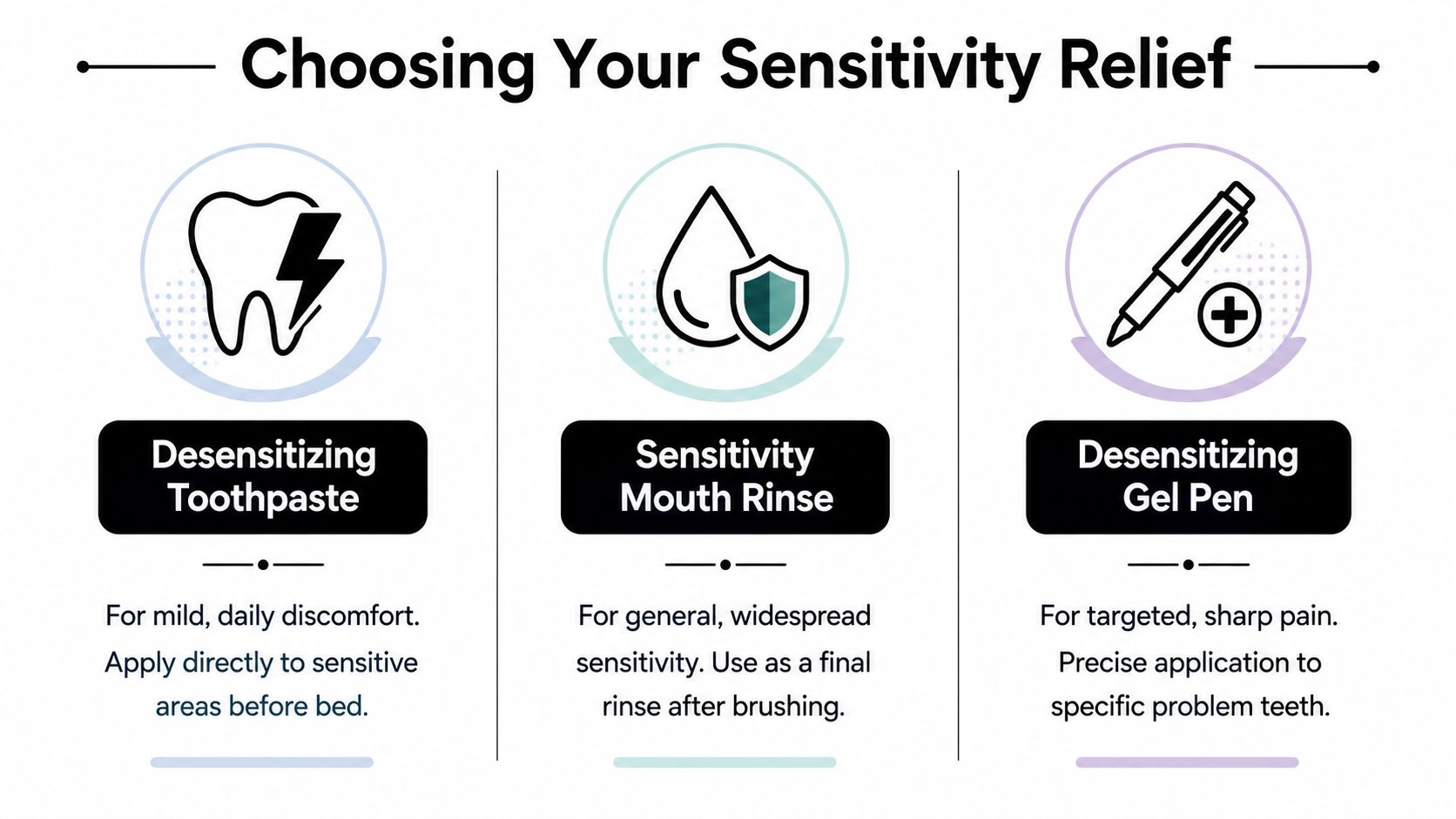
Not every sensitivity product serves the same purpose. A useful choice depends on whether you have mild background discomfort, sharp cold-triggered pain, or a history of enamel sensitivity.
Desensitizing toothpastes containing potassium nitrate, including products such as Sensodyne and Colgate Sensitive, work by reducing nerve response. They're useful for ongoing sensitivity, but they aren't usually a day-one rescue because their full benefit depends on consistent use over about two weeks. Apply a small amount to sensitive areas before bed only if the product label or your dentist supports that approach.
Fluoride rinses, including ACT and Listerine Fluoride Defense, support remineralization and can be useful during the first 72 hours. A rinse may suit someone with widespread sensitivity, while a dentist-directed gel can provide more targeted support.
For patients who experience recurring sensitivity, micro-cracks, or a soft or rough enamel feeling, remineralizing pastes and gels containing nano-hydroxyapatite or calcium phosphate may be worth discussing. Examples include MI Paste and GC Tooth Mousse. The most appropriate product depends on your oral health, allergies, restorations, and whitening method.
Match the option to the symptom
- Mild sensitivity: Use a desensitizing toothpaste consistently.
- Sharp cold sensitivity: Ask whether a fluoride rinse is appropriate.
- Rough enamel or previous sensitivity: Discuss adding a remineralizing paste or gel.
- One especially tender tooth: Ask about a targeted desensitizing gel rather than applying multiple products everywhere.
A 2025 review describes fluoride mouthwash, nano-hydroxyapatite, CPP-ACP, and antioxidant or remineralizing agents as maintenance options, while also noting that desensitizing dentifrices can reduce early discomfort without reducing whitening efficacy. You can review practical questions about tooth sensitivity relief after whitening with your dental team.
Avoid abrasive whitening toothpaste during recovery unless your dentist specifically recommends it. Abrasion can make a tender mouth feel worse, and whitening toothpaste doesn't replace professional evaluation when pain persists.
If you prefer a visual explanation, this short video offers another overview of sensitivity relief:
Keeping Your Smile Bright Beyond the First Week
After the first week, maintenance should become ordinary oral care, not a constant list of restrictions. During week one, drink water regularly, use fluoride as directed, and brush with a soft-bristled brush. The aim is to keep your mouth clean without scrubbing aggressively at enamel that still feels tender.
During weeks two through four, return gradually to your usual brushing pressure. An electric toothbrush can help you clean consistently without relying on a heavy hand. This is also a sensible time to schedule a professional cleaning if plaque or surface stain was part of the original concern.
A simple maintenance rhythm
Monthly: Choose a one-day white-diet refresh if you notice staining beginning to return. Have coffee or wine with meals rather than sipping over long periods, and drink water afterward.
Every few months: Ask about custom take-home tray gel if a touch-up fits your treatment plan. Professional guidance matters because repeated whitening can increase sensitivity risk.
At planned intervals: Some patients discuss an in-office booster every six to twelve months, while others use at-home tray gel every three to six months. Those intervals aren't universal prescriptions. Your dentist should consider your enamel, existing restorations, shade goals, and sensitivity history before recommending a schedule.
Call a Chattanooga dental office if color remains patchy or uneven after week two, sensitivity continues beyond two weeks, gum tissue stays white or irritated, or a front tooth develops a new chip or crack. Those signs may have a cause unrelated to ordinary whitening aftercare.
The most durable results come from routine cleanings, exams, daily brushing, and attention to gum health. Whitening maintenance is excellent general dental care made visible in your smile.
Your Local Partner for Lasting Whitening Results
A bright smile is easier to maintain when aftercare supports the whole mouth. Managing sensitivity helps you continue brushing comfortably. Choosing lighter foods during the early window limits new discoloration, while water, fluoride, and consistent cleaning support enamel and gums over time.
Whitening shouldn't stand alone. A preventive routine with cleanings, exams, dental X-rays when indicated, and at-home care can help identify enamel wear, decay, gum inflammation, or old restorations that may affect the appearance of your smile. If you're also exploring veneers, Invisalign, restorative dentistry, dental implants, or an emergency dentist for an unrelated concern, a complete evaluation helps place cosmetic goals in the context of your oral health.
Winn Smiles is a Chattanooga and Cleveland dental practice patients can contact before whitening, during recovery, or when planning a future touch-up. The team provides personalized follow-up guidance, professional-strength maintenance products, and routine checkups designed to catch possible causes of discoloration early. The practice also offers general, cosmetic, restorative, and emergency dental services, so your whitening plan can remain connected to continuing care.
You don't need to manage persistent sensitivity or uncertain results alone. A dentist can help determine whether your symptoms fit normal recovery or need attention, then tailor products and timing to your smile.
Schedule a teeth whitening consultation with Winn Smiles in Chattanooga or Cleveland, TN, and receive clear guidance for comfort, food choices, and long-term maintenance. Contact the practice today if you've recently whitened your teeth and have questions about sensitivity, staining, or your next step.