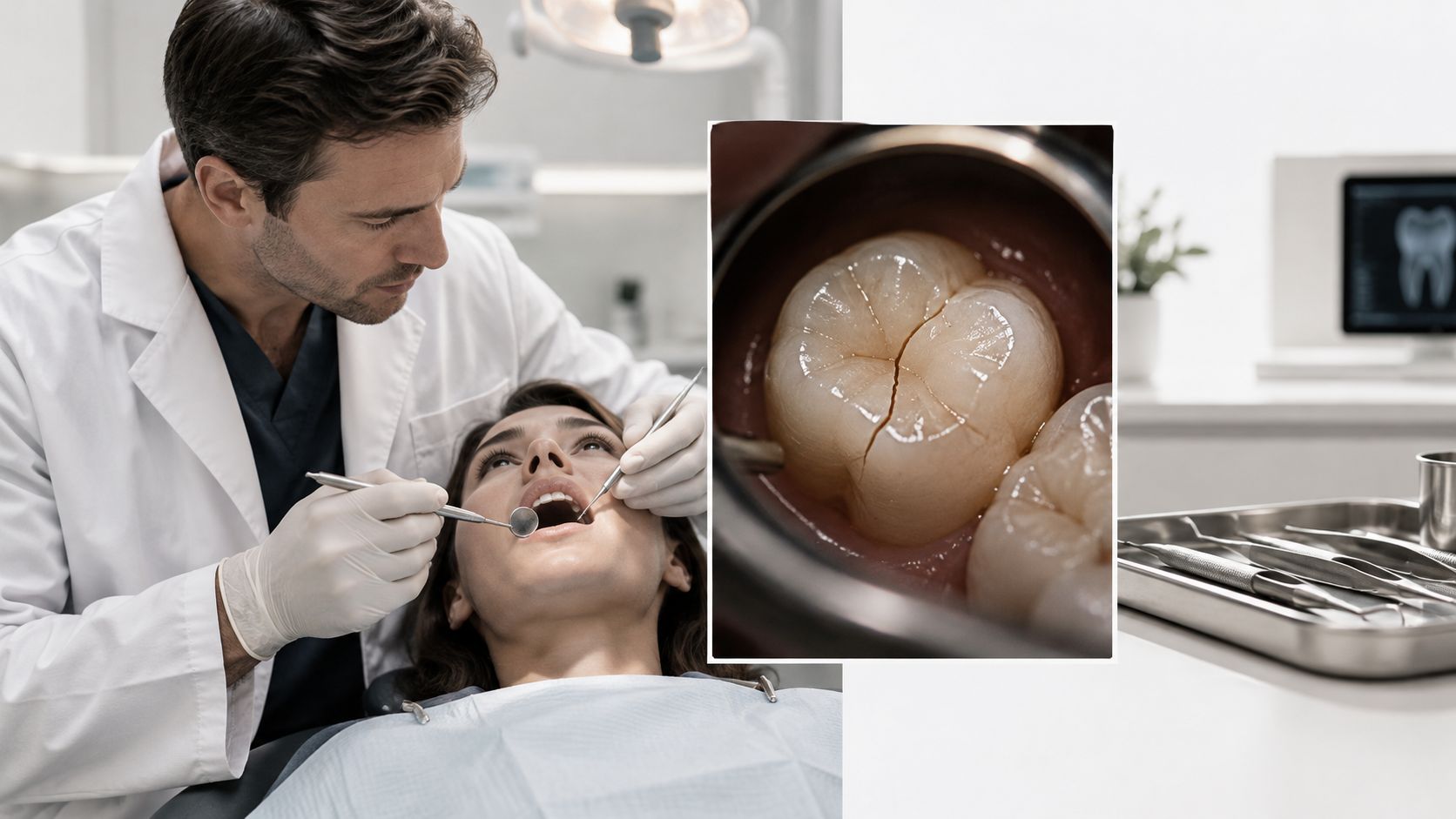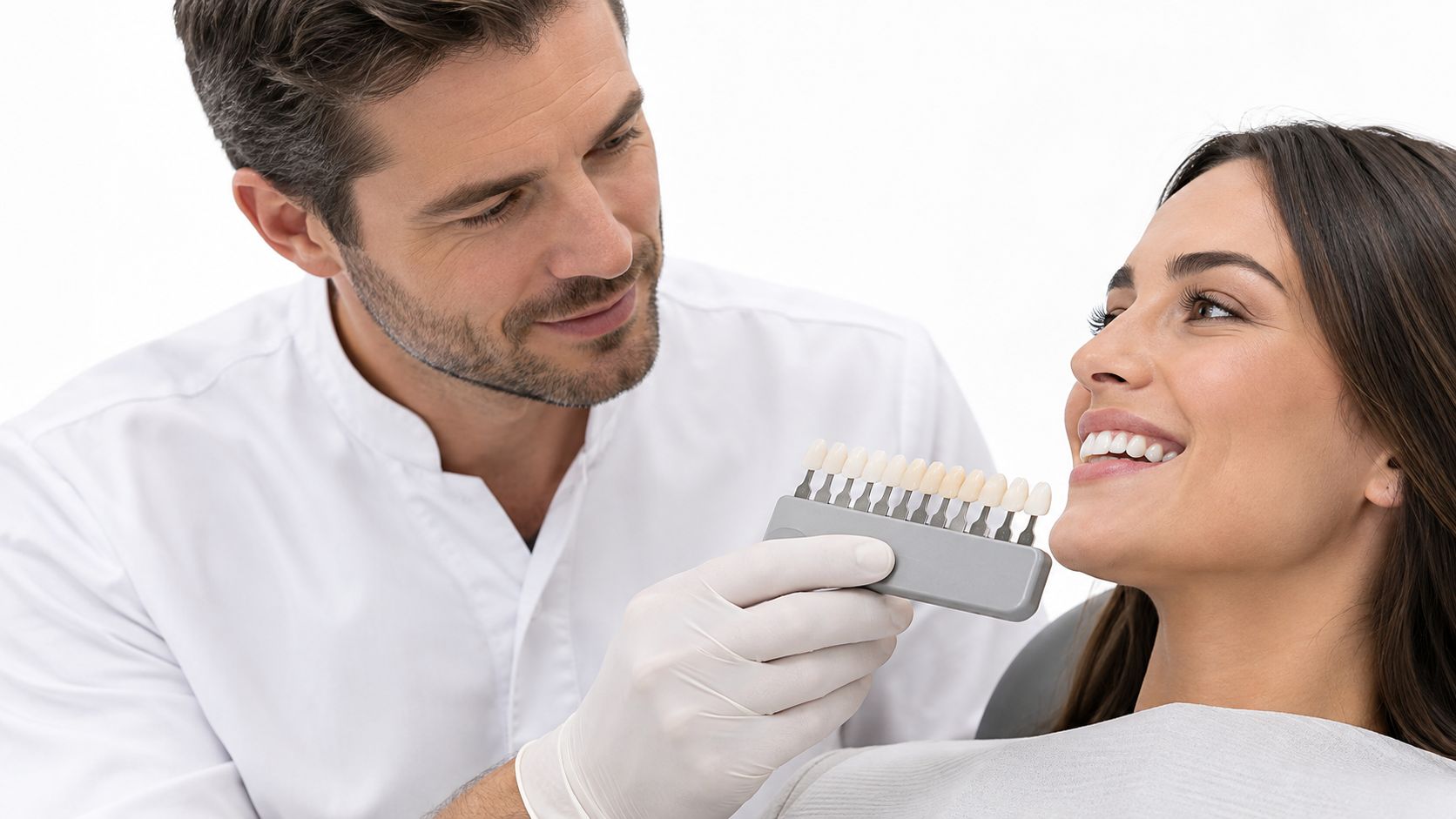
Brushing before whitening is the common standard for professional care, but the right routine depends on your whitening method and current oral sensitivity. Cleveland Clinic recommends brushing at least twice daily for at least two minutes with a soft-bristled toothbrush and ADA-approved fluoride toothpaste, while whitening instructions may call for different timing after treatment. Cleveland Clinic explains the foundation of daily brushing.
You're standing in your bathroom with whitening strips or a tray in one hand and your toothbrush in the other. Should you brush first, wait until afterward, or avoid brushing close to the treatment altogether? The answer affects more than convenience. A clean surface can help whitening contact the teeth evenly, while aggressive brushing around peroxide exposure may aggravate sensitive teeth or gums.
For adults searching for a cosmetic dentist near me, dentist near me, or a trusted dentist in Cleveland, TN or Chattanooga, TN, the safest approach is to match brushing timing to the product, the strength of the whitening agent, and the condition of your mouth. Winn Smiles serves patients in Cleveland and Chattanooga with professional teeth whitening, preventive dental care, cosmetic dentistry, restorative treatment, and emergency dental services designed around individual needs.
Finding Your Teeth Whitening Routine
The hesitation between brushing and applying whitening gel is reasonable. Whitening adds a variable that ordinary dental care does not. Brushing too firmly can irritate the gumline, while skipping cleaning may leave plaque or food particles between the product and the tooth surface.
For professional or tray-based whitening, begin with a gentle clean unless your dentist or product instructions say otherwise. Leeds Teaching Hospitals NHS guidance advises adult patients using an overnight bleaching tray to brush at night before applying fresh gel and the tray, then remove the tray, rinse, and brush again in the morning. The NHS whitening guidance describes this overnight sequence.
The routine should fit your mouth
Healthy gums without sensitivity may tolerate a different schedule from exposed roots, gum irritation, cavities, cracked teeth, or recent dental treatment. Veneers, crowns, fillings, and bonding also do not whiten in the same way as natural enamel.
Your whitening format matters. Strips, custom trays, and in-office treatment differ in gel contact, concentration, and timing, so follow the supplied instructions rather than treating every method alike. If brushing leaves your mouth sore or bleeding, postpone whitening and seek dental advice.
Practical rule: Clean teeth are usually a sensible starting point, but a clean mouth does not make every whitening product or brushing technique suitable.
The useful question is not only “teeth whitening before or after brushing?” Ask which product you are using, how concentrated it is, and what your mouth feels like today. A symptom-aware, format-specific routine can protect enamel, reduce avoidable irritation, and set more realistic expectations for comfort and results.
Why Timing Matters for Whitening Results
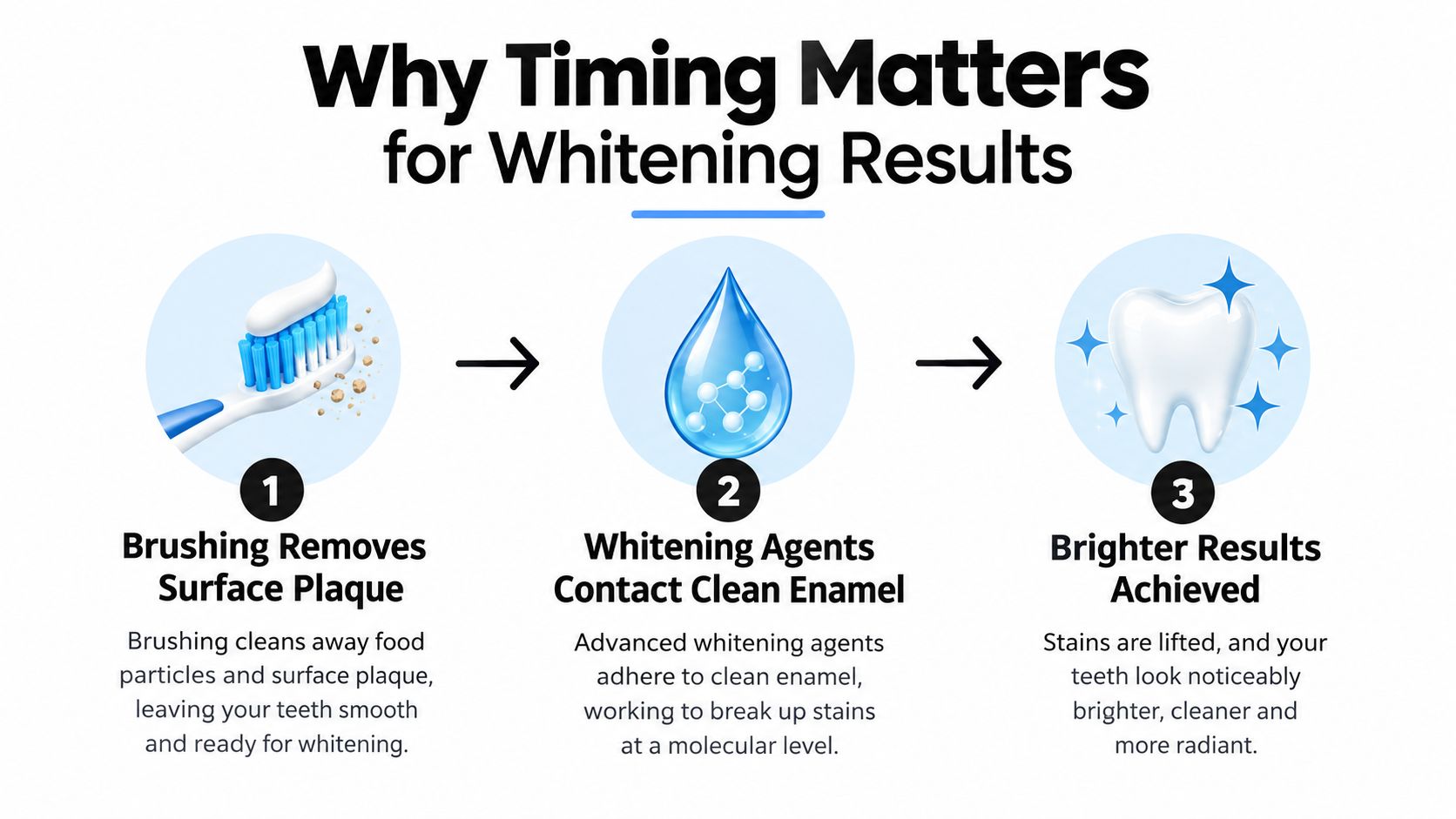
If you apply whitening gel over plaque or food residue, the material may contact the tooth surface unevenly. That can make the result look patchy and leave some stains unchanged. Cleaning the teeth first gives strips, trays, or professional whitening a clearer surface to work on, although brushing cannot remove every type of discoloration.
The treatment format still determines the routine. An infographic showing that teeth whitening is most effective after brushing to remove surface plaque and stains. For an overnight tray, follow the sequence described earlier rather than copying directions from strips or another gel. Wear time, gel quantity, and the recommended aftercare can differ between systems.
Match preparation to your symptoms
- Check your mouth first. Bleeding, soreness, gum irritation, exposed roots, or a cracked tooth are reasons to pause and seek dental advice before whitening.
- Clean gently. Use a soft-bristled toothbrush and fluoride toothpaste. Scrubbing harder will not produce a whiter shade and may aggravate sensitive gums.
- Rinse thoroughly. Clear away toothpaste foam and loose debris before applying the product.
- Follow the product directions. Apply only the stated amount and keep the strips, gel, or tray in place for the specified time.
- Finish as instructed. Rinse or brush afterward only if the system recommends it.
Brushing can improve external discoloration caused by food, drinks, and surface buildup, but it cannot bleach stains inside the tooth. Crowns, veneers, fillings, and bonding also keep their existing shade, so whitening natural enamel may reveal a colour difference.
Sensitivity provides useful feedback. Mild, temporary sensitivity can occur, but marked pain, persistent irritation, or oral sores means you should stop and obtain dental advice. Product-specific instructions and warning symptoms should guide the routine, as ADA guidance supports product-specific use and attention to warning symptoms. Clean teeth are a practical starting point, not a reason to ignore how your mouth responds.
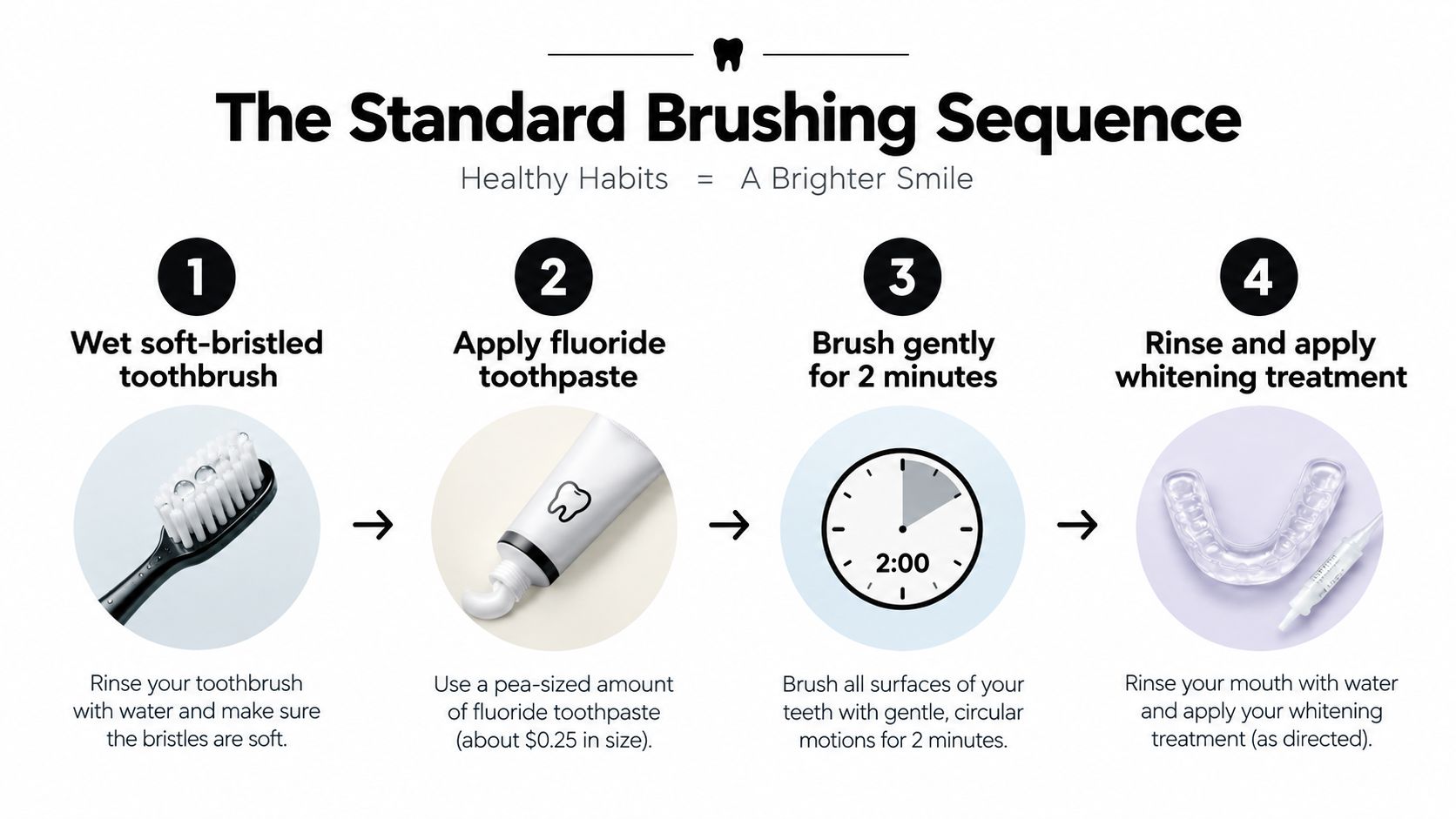
The Standard Brushing Sequence
A practical starting point for many whitening systems is to brush gently before treatment, rinse, then apply the gel, strip, or tray. Removing plaque and food debris helps the whitening material contact a cleaner tooth surface. It does not make every system interchangeable, so the product directions still determine the final sequence.
Cleveland Clinic advises brushing at least twice daily for at least two minutes with a soft-bristled toothbrush and ADA-approved fluoride toothpaste. Its guidance on tooth discoloration covers daily brushing and stain control. This routine supports oral hygiene between whitening sessions, rather than acting as a substitute for bleaching.
Before treatment
Choose a soft brush, fluoride toothpaste, and light pressure. A product such as coconut whitening toothpaste 100g can help you compare whitening toothpaste options, but its label cannot assess abrasion, sensitivity, fillings, crowns, or other dental work.
Rinse thoroughly after brushing. Toothpaste residue should not sit beneath a whitening strip or tray. Use only the stated amount, frequency, and treatment time. More product or longer wear does not provide a safer route to a brighter result.
After treatment
The correct next step depends on the format. With an overnight tray, remove it in the morning, rinse thoroughly, and brush as directed. Other systems may call for rinsing immediately, while some instructions may permit brushing later. Follow the supplied directions rather than applying one universal rule to every product.
Take care with abrasive toothpaste after whitening. A 2023 in-vitro study tested four whitening toothpastes on extracted human teeth and found a statistically significant reduction in enamel microhardness after three months of brushing. The laboratory study details its enamel findings.
That finding does not show that one ordinary brushing session damages enamel. It supports rinsing first and, if brushing is required, using a soft brush with low-abrasion or sensitivity toothpaste. Exposed roots, noticeable sensitivity, veneers, and crowns warrant product-specific dental advice.
Protecting Enamel and Managing Sensitivity
A whiter smile isn't a good outcome if the process leaves your teeth painful or your gums inflamed. Many people assume that brushing immediately after whitening is always the cleanest and safest choice, but the toothpaste formula and pressure matter.
Whitening toothpastes can contain abrasive ingredients intended to remove surface stains. Charcoal products may also encourage vigorous scrubbing because users expect a dramatic cosmetic effect. That combination can be unhelpful after bleaching, when the teeth and gums may already feel reactive.
What the evidence means in practice
The in-vitro evidence on whitening toothpastes concerns repeated brushing over time, not a single post-treatment session. A separate materials study also found that regular and whitening toothpastes generally increased surface roughness and decreased hardness in most tested CAD/CAM restorative materials after extensive laboratory brushing, while sensitivity toothpastes produced different results.
Those findings don't establish that every whitening toothpaste is unsafe. They do show why abrasivity, brushing pressure, enamel condition, and restorative material deserve attention. A toothpaste that feels effective against stains may be a poor choice for someone with gum recession, sensitivity, veneers, or crowns.
Protective approach: Rinse after whitening, avoid aggressive scrubbing, and choose a soft brush with a low-abrasion or sensitivity toothpaste if brushing is required.
A symptom-aware routine matters more than a rigid rule. If you feel sharp sensitivity, burning at the gumline, or soreness after brushing, pause whitening rather than trying to push through it. Read guidance for teeth whitening for sensitive teeth before continuing, particularly if discomfort keeps returning.
Sensitivity is also influenced by the peroxide concentration and exposure pattern, not just whether brushing happened before or after. Whitening may be inappropriate until a dentist checks cavities, cracks, gum inflammation, or exposed root surfaces.
At-Home Versus In-Office Protocols
The right answer to teeth whitening before or after brushing depends on the format, your gum condition, and the instructions supplied with the product. Strips, custom trays, whitening toothpaste, and in-office systems have different contact times and peroxide exposure. Follow the product directions, and stop if pronounced sensitivity or oral sores develop. ADA patient guidance supports individualized product use
| Whitening Method | Recommended Brushing Timing |
|---|---|
| Professional custom tray | Brush gently before applying the prescribed gel. Follow the dentist's instructions for rinsing and brushing afterward. |
| Over-the-counter peroxide strips | Follow the package directions. A clean surface may help contact, but irritated gums or recent vigorous brushing may call for a delay. |
| In-office whitening | Brush and clean beforehand as directed by the dental team. Use the specific post-treatment instructions provided after the appointment. |
| Whitening toothpaste | Use as a toothpaste, not as a substitute for a peroxide whitening protocol. Avoid aggressive pressure and frequent overuse. |
Professional in-office whitening and custom take-home trays at Winn Smiles may require different routines because the product, concentration, tray fit, and exposure pattern vary. You can compare take-home whitening kit prices while researching options, but an online price comparison cannot show whether a system suits your enamel, gums, or restorations.
For dentist-supplied trays, review teeth whitening trays from a dentist. A fitted tray can help keep gel in the intended areas more consistently than a generic product. It still depends on the correct gel amount, thorough tray cleaning, and the prescribed schedule.
In-office treatment may use a stronger or more concentrated system than an over-the-counter product. The treating dentist controls that variable, while the patient must follow the post-treatment instructions and report symptoms that do not settle. A dentist can also assess whether the shade comes from surface stain, intrinsic discoloration, or dental work that will not respond to bleaching.
When to Consult a Cosmetic Dentist
A dentist should evaluate the situation when whitening causes significant sensitivity, gum irritation, or sores. You should also seek advice before whitening if you have untreated cavities, cracked teeth, gum disease, exposed root surfaces, veneers, crowns, bonding, or extensive fillings.
The available clinical evidence indicates that peroxide concentration and exposure pattern matter more than a simplistic before-versus-after rule. This review discusses the relationship between peroxide protocols and whitening sensitivity.
Signs that generic advice isn't enough
- Persistent pain: Discomfort that continues after treatment may indicate sensitivity, decay, a crack, or another dental concern.
- Gum injury: Whitening should wait if brushing has left the gums bleeding, raw, or unusually tender.
- Uneven shade: A dentist can assess whether plaque, enamel variation, intrinsic stain, or restorations are affecting the appearance.
- Existing dental work: Natural teeth may lighten while crowns, veneers, and fillings remain their original shade.
A consultation with a local cosmetic dentist near me can turn trial and error into a safer plan. At Winn Smiles in Cleveland and Chattanooga, patients can discuss professional whitening alongside veneers, restorative dentistry, cleanings and exams, dental x-rays, same-day crowns, or other care that may affect the final smile result.
Your Path to a Brighter Smile
For most professional or tray-based whitening, begin with a gentle brushing session so plaque and debris don't obstruct contact between the whitening material and your teeth. After treatment, rinse thoroughly and follow the product or dentist's instructions. If brushing is recommended, use light pressure and avoid turning a cosmetic treatment into an abrasive scrubbing session.
The right plan also considers what brushing reveals. Bleeding, recession, cracks, cavities, strong sensitivity, crowns, and veneers can change the recommendation. Whitening toothpaste can help manage some surface discoloration, but it can't bleach intrinsic stains or alter the shade of restorations.

Whether you're looking for a dentist near me, an emergency dentist, dental implants near me, or a cosmetic consultation, Winn Smiles offers local care in Cleveland and Chattanooga with professional teeth whitening, full exams, restorative services, and personalized guidance. The practice can also help assess whether tooth extraction, dental implants, crowns, or gum care should come before cosmetic whitening.
A brighter smile should feel comfortable as well as look healthier. Schedule a whitening consultation with Winn Smiles so your brushing routine, treatment method, and sensitivity plan are selected with your actual teeth and gums in mind.
Winn Smiles provides professional in-office whitening, custom take-home trays, cleaning and exams, and cosmetic dentistry consultations in Cleveland and Chattanooga. Visit Winn Smiles to request an appointment and get a whitening plan that protects your enamel while working toward the smile you want.