If you've noticed yellowing during a video call, caught a darker smile in the bathroom mirror, or wondered whether your morning coffee is leaving a lasting mark, you're not alone. Many adults searching for a dentist near me in Cleveland, TN, or a dentist near me in Chattanooga, TN, reach the same decision point: try a store-bought whitening kit or ask a dentist whether custom trays are worth it.
Teeth whitening trays from a dentist offer a more controlled way to brighten natural teeth at home. A dentist can assess your enamel, existing dental work, stain type, and sensitivity before selecting a suitable gel and wear schedule. That matters if you're also considering a cosmetic dentist near me, veneers, bonding, crowns, or other restorative services.
Why Professional Whitening Trays Deserve a Closer Look
A drugstore strip can be convenient, but it has to work with the shape of your mouth as it comes out of the package. The strip may not sit evenly over every tooth, and a boil-and-bite tray can leave spaces where gel moves toward the gums. A custom tray starts with your own teeth, so the material follows the contours of your smile rather than asking your smile to adapt to a universal mouthpiece.
Dentist-supervised take-home whitening became a modern standard after the late 1960s, when orthodontist William W. Klusmeier introduced custom tray bleaching. The approach was later formalized in 1989, when Haywood and Heymann published support for nightguard vital bleaching with 10% carbamide peroxide in thin, custom-fitted trays, as described in this clinical review of tray whitening.
That history doesn't mean every patient needs the same treatment. A dentist may recommend a gradual home protocol, an in-office option, or no whitening until cavities, gum inflammation, cracked enamel, or other concerns receive attention. The right question isn't necessarily, “Which product is strongest?” It's, “Which approach fits my teeth and my goals?”
A practical rule: Whitening should be planned around your mouth, not selected only by the product's advertised strength.
Custom trays also make future maintenance more straightforward. Once the trays have been made and stored correctly, a dentist may be able to provide additional gel for later touch-ups, provided your teeth and restorations remain suitable for treatment. Your clinician can also explain how sensitivity, staining from coffee or tea, and visible dental work may affect the timing.
For patients in Cleveland, Chattanooga, and nearby communities, a consultation can be useful even if you aren't ready to begin. The visit gives you a chance to compare professional teeth whitening with other cosmetic dentistry options and understand whether whitening should happen before bonding, veneers, crowns, or a larger smile plan.
How Dentist Whitening Trays Are Made and Fitted
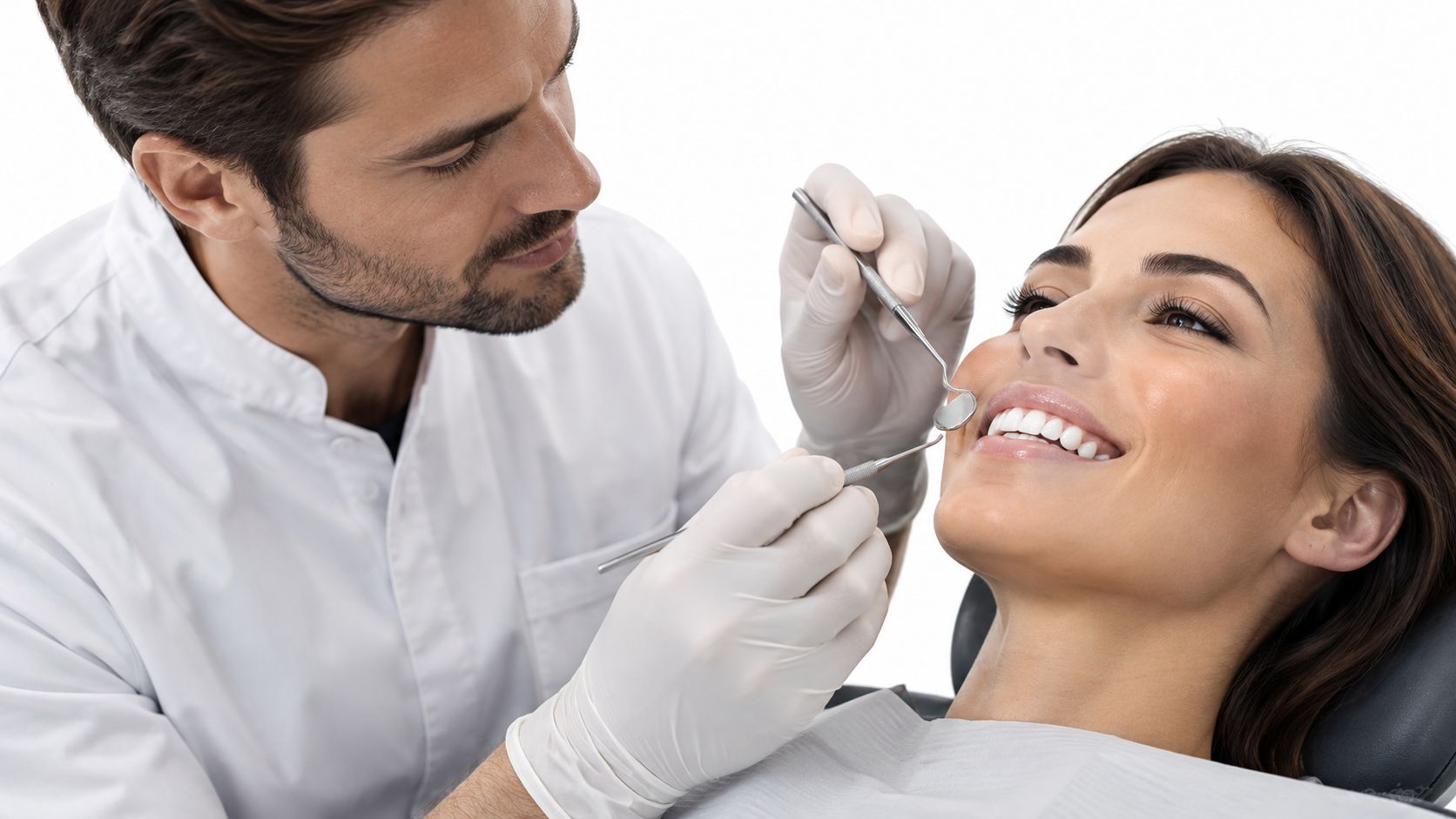
A whitening appointment is not a handoff of plastic trays and gel. Your dentist first checks whether whitening suits your teeth, gums, and existing dental work. The examination usually includes a review of enamel, cavities, gum health, crowns, veneers, and bonding. Your starting shade is recorded so future changes can be judged against a clear baseline.
From examination to custom impression
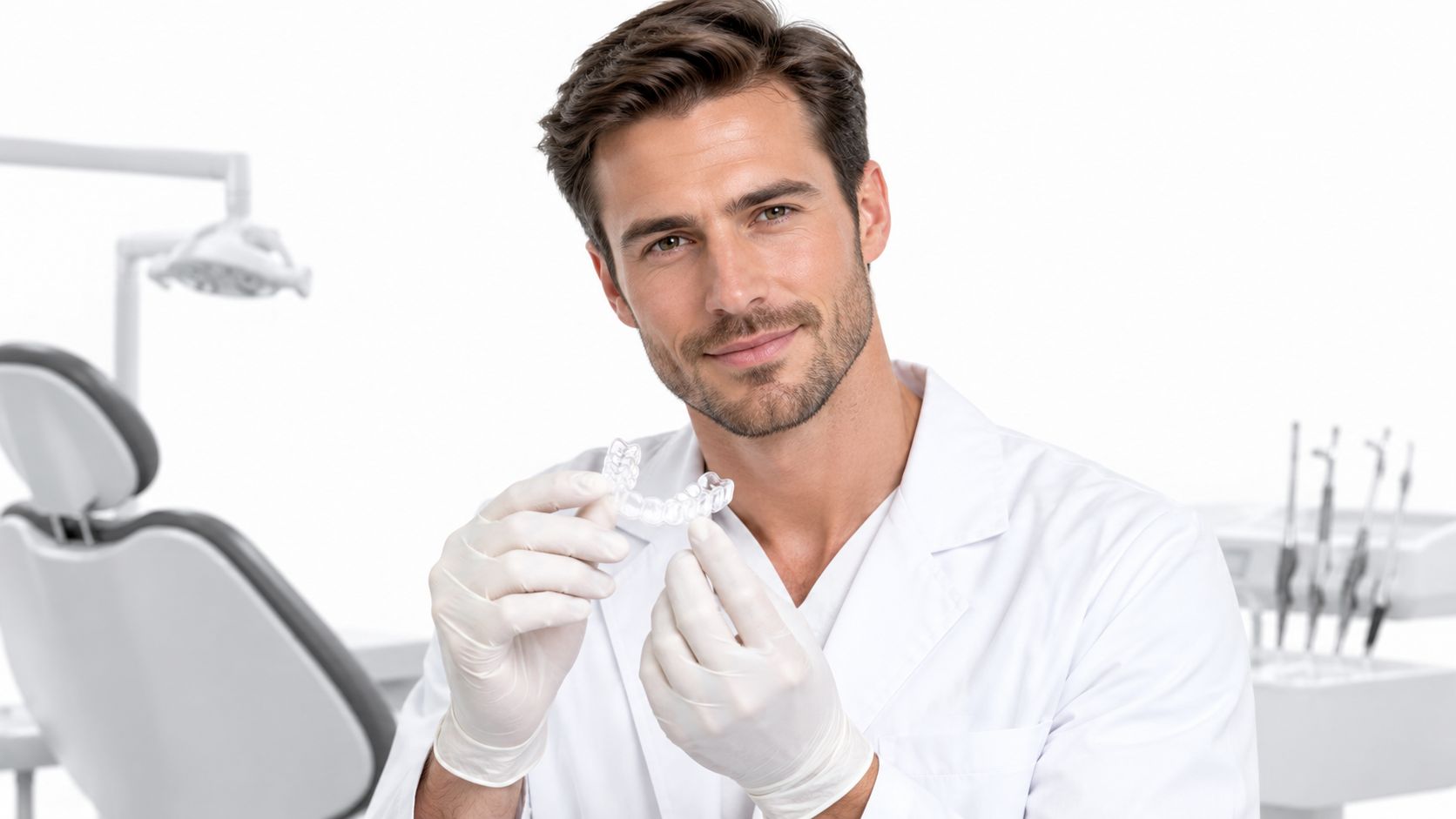
The dentist captures your tooth shape with a digital intraoral scan or traditional impression material. Both methods map the contours of your teeth and gumline. A laboratory or in-office system then uses that map to make thin, clear trays for your upper and lower arches.
Some trays have small spaces called reservoirs. These spaces hold gel over the enamel while limiting the amount that reaches the gums. At the fitting appointment, the dentist places each tray over your teeth, checks its edges, and smooths or adjusts areas that feel sharp, loose, or too tight. The finished tray should stay in place like a well-fitted shoe, secure without pressing painfully.
The shape also matters if you already have crowns, veneers, or bonding. The dentist can plan the whitening sequence around those restorations, since natural teeth may lighten while dental materials remain the same shade.
Using the trays at home
Your dentist will demonstrate how much gel belongs in each tooth space. Filling every area to the top does not improve the result. Excess gel can spread onto the gumline and cause irritation.
Wear time depends on the formula, concentration, staining, and your comfort. Protocols may use trays overnight or for 2 to 4 hours per day, with full-arch treatment often lasting about 2 to 6 weeks, as described in this review of professional bleaching protocols. Dentist-directed systems may use 10% to 38% carbamide peroxide, with schedules ranging from 2 to 10 hours over 6 to 28 days, depending on the plan. The ADA guidance on dentist-directed whitening provides additional context.
After each session, remove the trays, rinse them with cool water, and let them dry before placing them in their case. Hot water can distort the plastic. Bring the reusable trays to follow-up visits so your dentist can check their fit and suitability for future use.
How Whitening Gels Lift Tooth Stains
A patient may arrive wanting whiter teeth before an event, only to remember having a crown, veneer, or bonding near the front of the smile. The whitening plan must answer two questions in sequence: which natural teeth can lighten, and what will happen to existing dental work? Understanding how the gel works helps set realistic expectations before treatment begins.
Whitening gel works inside the tooth rather than scraping a coating from its surface. Peroxide molecules pass through enamel and break apart colored compounds linked to darker or yellowish shades. The process is similar to sending tiny cleaning bubbles into the tooth. They split stain molecules into smaller pieces that show less strongly.
Hydrogen peroxide is the active bleaching ingredient in many professional systems. Carbamide peroxide breaks down into hydrogen peroxide and urea, releasing peroxide at a slower pace. That gradual release helps explain its use in extended-wear or overnight tray schedules. A British Dental Journal review reports that 10% carbamide peroxide is typically worn overnight, may remain active for up to 10 hours, and releases about 50% of its peroxide during the first 2 hours. The review discusses these findings in its analysis of carbamide peroxide tray bleaching.
The strongest formula is not automatically the right choice. A dentist considers the type and depth of staining, enamel condition, planned wear time, and your tendency toward sensitivity. Custom at-home trays often contain 10% to 16% carbamide peroxide, while in-office treatments use substantially higher hydrogen peroxide concentrations, approximately 15% to 43%. This tray-whitening information explains the difference between these approaches.
Whitening can improve many surface and internal stains within natural tooth structure. It will not change the shade of crowns, veneers, or bonding. Color changes caused by trauma, certain medications, or root canal treatment may require a different cosmetic or restorative solution. A consultation identifies the source of discoloration before you buy gel, so the whitening sequence fits your existing dental work.
A randomized clinical trial found that custom trays using 10% hydrogen peroxide for 30 minutes per day for 14 days and trays using 10% carbamide peroxide for 8 hours per day for 14 days were both highly accepted and effective in the study. The clinical trial comparing tray protocols shows why concentration alone cannot determine whether two whitening schedules are equivalent.
Custom Trays Compared to Store-Bought Kits
Custom trays and over-the-counter kits can both be used for cosmetic whitening, but they give you different levels of control. A strip follows a general shape. A dentist-made tray follows your teeth, which can improve contact with enamel and reduce unwanted contact with the gums when the tray is fitted and loaded correctly.
Professional take-home gel also comes in formulations selected by a clinician. Store products may contain lower-strength gel, while dentist-dispensed systems can use concentrations and schedules suited to the patient. Clinical evidence supports the effectiveness of professional tray systems. In a randomized trial involving 90 patients, a home technique using 10% carbamide peroxide in a tray produced bleaching similar to an in-office technique using 35% hydrogen peroxide. Another randomized study involving 96 volunteers found no statistical differences among four professional at-home gels, as reported in this clinical evidence review of professional whitening systems.
| Feature | Custom Dentist Trays | OTC Strips and Kits |
|---|---|---|
| Fit | Made from a scan or impression of your teeth | Designed for a broad range of mouths |
| Gel control | Dentist selects the formulation and wear schedule | Product instructions determine use |
| Gum contact | Carefully fitted edges can help limit excess gel | Poor fit may allow gel to reach soft tissue |
| Treatment planning | Includes an oral examination and restoration review | Usually no assessment of cavities, gums, or restorations |
| Long-term use | Reusable trays may support future touch-ups | Replacement kits are generally needed for later courses |
Cost is often the reason people begin with a store-bought product. That option may be reasonable for someone with healthy natural teeth, mild surface staining, no visible restorations, and modest expectations. It becomes less appealing when the strips miss parts of the smile, the tray irritates the gums, or repeated purchases still don't produce an even result.
Before choosing a product, patients may benefit from reading this overview of teeth whitening products. A local dental office can then help determine whether a professional tray, in-office whitening, or a restorative approach makes more sense.
Managing Sensitivity and Protecting Soft Tissue
A few brief “zingers” can occur during whitening, but discomfort shouldn't be treated as proof that a product is working. The most common adverse effects are temporary tooth sensitivity and gum irritation. Recent dental policy guidance also notes that irritation can result from a poorly fitting tray, not only from the bleaching ingredient. The AAPD policy on bleaching discusses fit, treatment adjustments, and the risks of overtreatment.
A custom tray gives the dentist more control over where gel sits. The clinician can also select a lower concentration, reduce wear time, add rest days, or modify the schedule if your teeth respond strongly. Some patients begin using a desensitizing toothpaste containing potassium nitrate before treatment. Others may use shorter sessions or a fluoride or remineralizing product between applications, depending on their dentist's recommendations.
Signals to respect
Call the dental office rather than pushing through if you experience:
- Persistent sharp pain: Discomfort that continues instead of settling deserves an examination.
- Visible gum blanching: White patches along the gumline may indicate that gel has contacted the tissue.
- Sores or ulcers: Stop the whitening and ask for guidance if the gums become damaged.
- New localized pain: One painful tooth may have decay, a crack, or another issue unrelated to ordinary whitening sensitivity.
Patients with untreated decay, cracked enamel, exposed roots, or active gum disease are poor candidates until those conditions are addressed. A cleaning and exam, dental x-rays, or a new patient exam may be appropriate before cosmetic treatment. The same principle applies if you're also researching a tooth extraction, dental implants, or an emergency dentist. Pain and disease should be evaluated before a cosmetic product is placed over the teeth.
For broader information about comfort planning around dental treatment, this guide to discomfort reduction may be useful. It isn't a substitute for dental advice, but it can help you understand why prevention and communication matter.
Patients with sensitivity concerns can also review this resource on teeth whitening for sensitive teeth before scheduling a consultation.
Whitening Around Crowns Veneers and Bonding
This is the cosmetic sequencing question many whitening guides skip. Natural teeth can respond to peroxide, but crowns, veneers, and composite bonding won't change shade during whitening. If your front teeth include a mixture of enamel and restorations, whitening may brighten only the natural portions of your smile.
The easiest analogy is a load of laundry containing one white shirt and several colored fabrics. Bleaching the white shirt changes that shirt. It doesn't make the colored fabrics match. In the same way, whitening natural enamel can make an older crown, veneer, or bonding repair look darker by comparison.
That mismatch may be especially noticeable when a restoration was originally matched to teeth that have since changed color. A crown can be healthy and functional while still appearing too warm or too dark after the surrounding enamel becomes brighter. The issue isn't that whitening damaged the restoration. The issue is that the two materials respond differently.
Plan the order before changing shade
A dentist will usually evaluate the visible restorations before whitening. If the restorations need to blend with a brighter smile, the typical sequence is to whiten the natural teeth first, allow the shade to stabilize for about 2 weeks, and then decide whether bonding, veneers, or crowns should be replaced or recolored. That timing is described in consumer guidance about whitening and restorations.
The sequence can affect both the appearance and the eventual cost of treatment. Replacing a restoration before whitening may leave it mismatched once the natural teeth brighten. Whitening first gives the dentist a more appropriate shade target for future restorative work.
If you're considering veneers, same-day crowns, bonding, or a larger cosmetic dentistry plan in Cleveland or Chattanooga, mention every visible restoration during the consultation. A thoughtful plan may involve whitening, restorative dentistry, or both, rather than treating whitening as a stand-alone purchase.
What a Whitening Consultation Looks Like and What It Costs
At a dental office in Cleveland or Chattanooga, a whitening consultation typically begins with questions about your goals, coffee or tea habits, previous whitening, sensitivity, and visible restorations. The dentist then examines your mouth, evaluates whether the discoloration is likely to respond to peroxide, and discusses whether a professional take-home option or another treatment is appropriate.
If custom trays are suitable, the team may record your shade and create a digital scan or impression. The dentist can explain the selected gel, expected wear pattern, cleaning routine, and follow-up process. The schedule should reflect your teeth, not the instructions printed on a generic package.
Understanding the fee
Whitening is generally considered cosmetic, so dental insurance often doesn't cover it. The total fee may depend on the office's examination policy, tray fabrication process, amount of gel supplied, follow-up care, and whether you choose an optional in-office treatment to begin the process. Some offices offer payment arrangements or membership options, but availability varies.
| Service Component | What's Included | Typical Price Range |
|---|---|---|
| Professional exam | Oral health assessment, stain review, and candidacy discussion | Varies by practice and appointment type |
| Shade assessment | Starting shade documentation and cosmetic planning | May be included or separately itemized |
| Custom trays | Digital scan or impression, fabrication, and fitting | Varies according to the office and laboratory process |
| Take-home gel | Dentist-dispensed whitening material and usage instructions | Varies by formulation and quantity |
| Optional in-office session | Higher-intensity whitening performed under supervision | Additional fee when selected |
| Follow-up visit | Fit check, comfort review, and treatment adjustment | Included or billed according to office policy |
A clinic may provide trays after the fabrication process is complete, but timing depends on the scanning, laboratory, and appointment workflow. Ask the office for its expected delivery schedule before beginning. At follow-up, the dentist can check the tray fit, review sensitivity, compare shade, and decide whether to continue, pause, or adjust the protocol.
A transparent consultation should leave you knowing what is included, what isn't, and whether existing crowns or bonding could require later restorative work. If you're comparing whitening with veneers, dental implants near me, or other cosmetic services, ask for the treatment sequence and total expected stages rather than focusing only on the first fee.
Taking the Next Step Toward a Brighter Smile
The safest way to choose whitening is to start with information about your own teeth. A professional evaluation can identify cavities, gum concerns, exposed roots, cracked enamel, stain types, and restorations before you begin. It can also help match the tray fit, gel strength, and wear schedule to your comfort level.
Custom trays are useful because they combine a made-for-you fit with dentist-directed instructions. They may offer a gradual alternative to an in-office session, while still giving the clinician a way to monitor your response. The key benefits are controlled application, a planned timeline, soft-tissue protection, and better coordination with crowns, veneers, and bonding.
Patients with visible dental work shouldn't skip the sequencing conversation. Whitening first may be appropriate when natural teeth need to brighten before a restoration is selected, while restorative care may come first when disease, damage, or a failing restoration needs attention.
If you're in Cleveland, Chattanooga, or a nearby service area, you can schedule a consultation without committing to a full cosmetic treatment plan. The first visit is primarily a chance to examine your smile, answer questions, and give you an honest recommendation based on your goals and oral health.
Winn Smiles offers dentist-supervised take-home whitening with custom-fitted trays and professional gel for patients seeking a gradual way to brighten natural teeth. Visit Winn Smiles to request a consultation at a Cleveland or Chattanooga location and discuss the right sequence for whitening around crowns, veneers, or bonding.