You're sitting in the car after a deep cleaning, hungry enough for lunch but unsure whether your usual sandwich is a good idea. Your gums feel tender, and part of your mouth may still be numb. Eating well while your gums heal starts with texture and temperature, not a complicated recovery diet.
For patients in Cleveland, TN, Chattanooga, TN, and nearby communities, knowing what to eat after deep cleaning can make the trip home less stressful. Winn Smiles provides personalized aftercare guidance, so keep your instructions handy and let them take priority over general advice. If you're still numb, wait before eating to avoid accidentally biting your cheek, lip, or tongue, as explained in this dental-cleaning aftercare guide.
The foods below work because they're soft, mild, and easy to adjust. You don't need special equipment, although resources such as Thermomix tips for healthier cooking can offer meal-preparation inspiration. Start with what's already in your kitchen, and aim for food that's comfortable to eat without forceful chewing.
1. Plain Greek Yogurt and Cottage Cheese
Plain Greek yogurt is a simple starting point when chewing feels uncomfortable. Choose a smooth variety without crunchy mix-ins, and let it lose some of its refrigerator chill if cold foods trigger sensitivity. Cottage cheese offers another soft option, although its curds require slightly more movement in your mouth.

Both provide protein without the chewing load of tougher foods. DentalReach's recommendations after scaling include soft, protein-containing foods such as yogurt and emphasize moderate temperatures when root surfaces are sensitive.
Make the Texture Work for You
Stir yogurt until smooth, or blend cottage cheese if the curds feel awkward against tender gums. For a quick lunch after your appointment, combine plain yogurt with thoroughly mashed banana rather than a fruit mixture containing seeds or firm chunks.
- Choose a smooth base: Plain, unsweetened yogurt keeps the meal simple. A smooth nondairy yogurt is an alternative if dairy doesn't agree with you.
- Skip the crunch: Leave out granola, chopped nuts, and brittle toppings while chewing is uncomfortable.
- Adjust the consistency: Stir a little milk or a suitable alternative into thick yogurt if it feels difficult to manage.
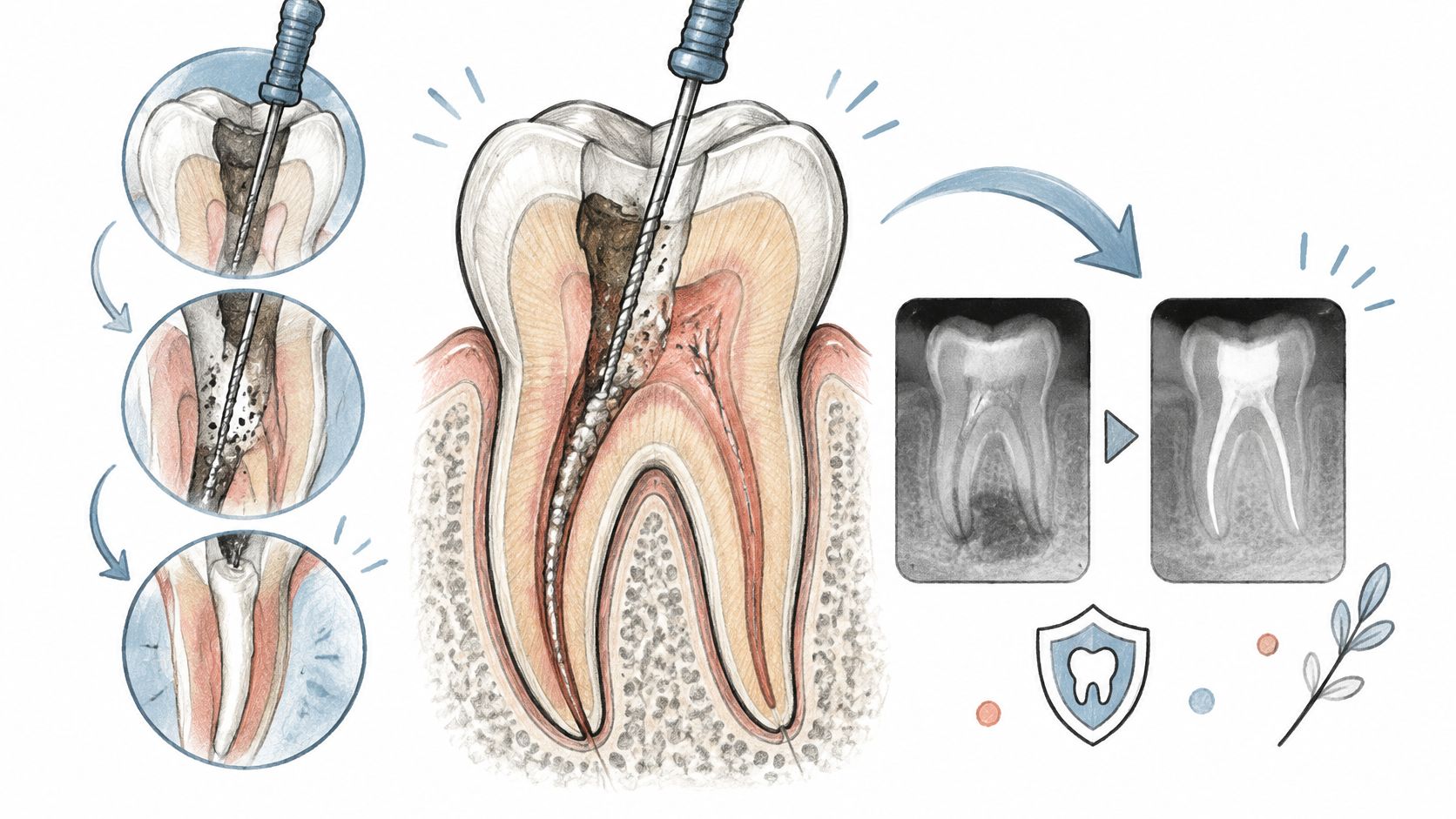
Our root planing procedure guide explains the treatment behind these aftercare recommendations. Deep cleaning treats areas beneath the gumline, so comfort may differ from what you've experienced after a routine polish.
Save more textured preparations, such as this high-protein blender pancake recipe, for when you can comfortably manage them. Immediately afterward, smooth yogurt is usually the simpler choice.
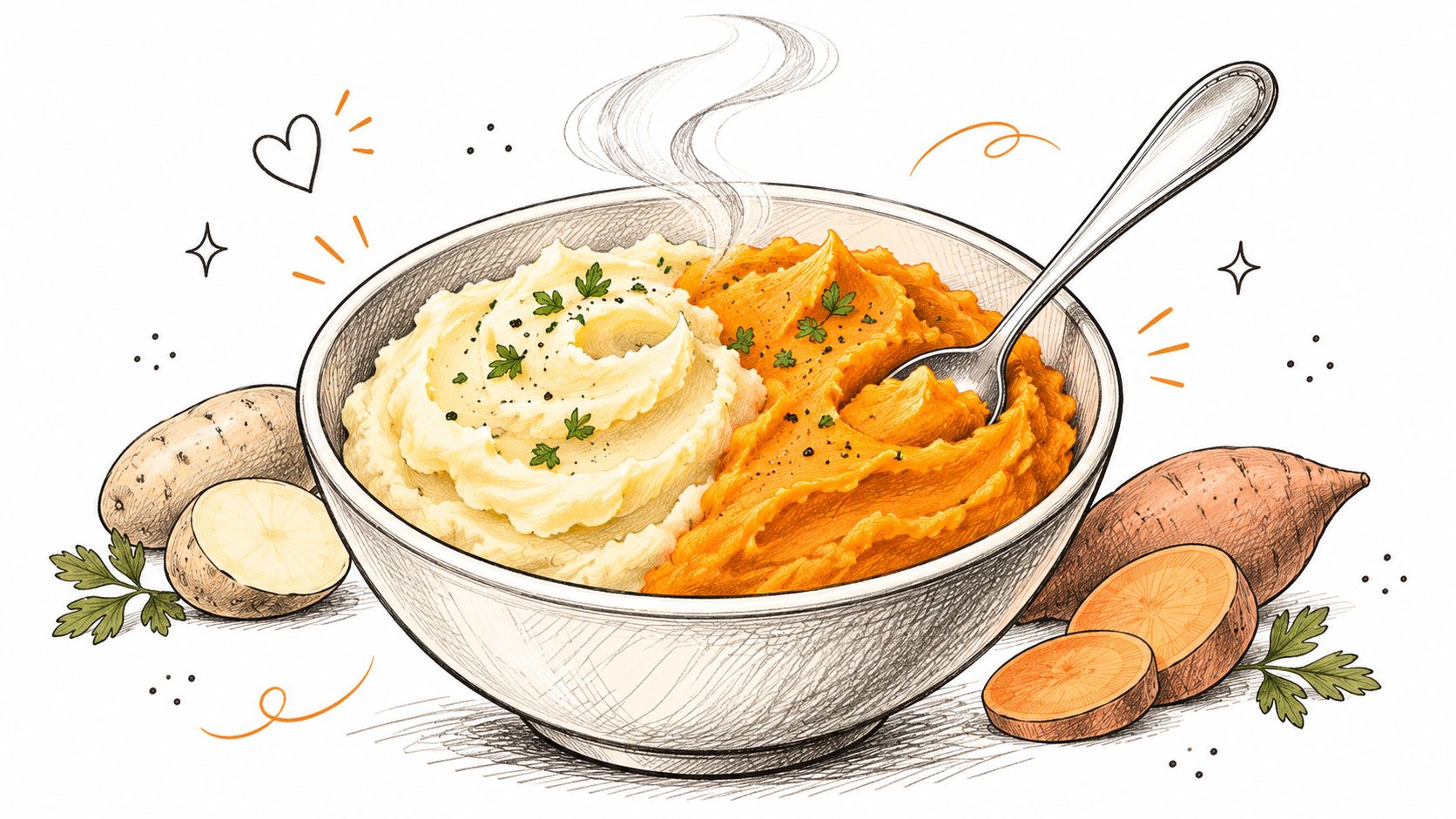
2. Mashed Potatoes and Mashed Sweet Potatoes
A potato is only as gentle as its preparation. Smooth mashed potatoes are very different from fries, chips, or a baked potato with a crisp skin, even though they begin with the same ingredient.
Peel potatoes or sweet potatoes, cook them until they break apart easily, and mash thoroughly. Add milk or mild broth gradually until the mash feels moist rather than stiff or gluey. Remove any firm pieces before serving.
Keep Dinner Soft All the Way Through
For an easy evening meal, serve a small bowl of mashed sweet potato with soft scrambled egg. Keep both foods lukewarm, and take manageable bites instead of loading the spoon.
The U.S. Department of Veterans Affairs aftercare instructions recommend waiting approximately two hours after treatment, avoiding eating while anesthetic remains active, and favoring soft foods for the following 2–3 days. Your own instructions and the return of normal sensation remain important.
Texture test: If you need to press firmly with a fork to break a piece apart, mash or cook it further before eating.
Heavy cream isn't necessary to make potatoes comfortable to eat. Extra liquid and thorough mashing do more for texture than a rich topping does.
Avoid crispy onions, bacon pieces, pepper flakes, and crunchy potato skins while your gums are tender. Let the bowl cool before tasting, especially if part of your mouth still feels different from normal.
3. Warm Oatmeal and Cream of Wheat
Breakfast doesn't need to become a cold liquid meal after deep cleaning. Loose, well-cooked oatmeal or Cream of Wheat can be comfortable when served gently warm, without nuts, seeds, or toasted toppings.
Use extra water or milk and cook until the cereal is soft throughout. If oatmeal becomes thick while standing, stir in more liquid rather than trying to eat a dense, sticky spoonful. For someone rushing to work in Cleveland or Chattanooga, preparing a plain portion ahead can make breakfast easier.

Choose Warm, Not Steaming
Spread the cereal around the bowl and stir it to release heat before eating. A comfortable serving temperature matters more than whether you prepared it on the stove or in the microwave.
- For a smoother bowl: Choose finely textured cereal and cook until no firm pieces remain.
- For flavor: Mash ripe banana into the cereal instead of adding dried fruit or crunchy apple.
- For convenience: Reheat a prepared portion gently, then stir thoroughly and allow it to cool.
There isn't a universal fasting rule that applies equally to every cleaning. Inspire Dental's explanation of eating after cleaning distinguishes treatment-related tenderness from fluoride-specific restrictions, which depend on the product used.
That distinction matters if you received fluoride along with periodontal treatment. Don't assume a breakfast that feels comfortable automatically meets those separate instructions.
If your cereal stings, feels too hot, or requires uncomfortable chewing, stop and adjust it. You don't need to finish a bowl because the food is labeled soft.
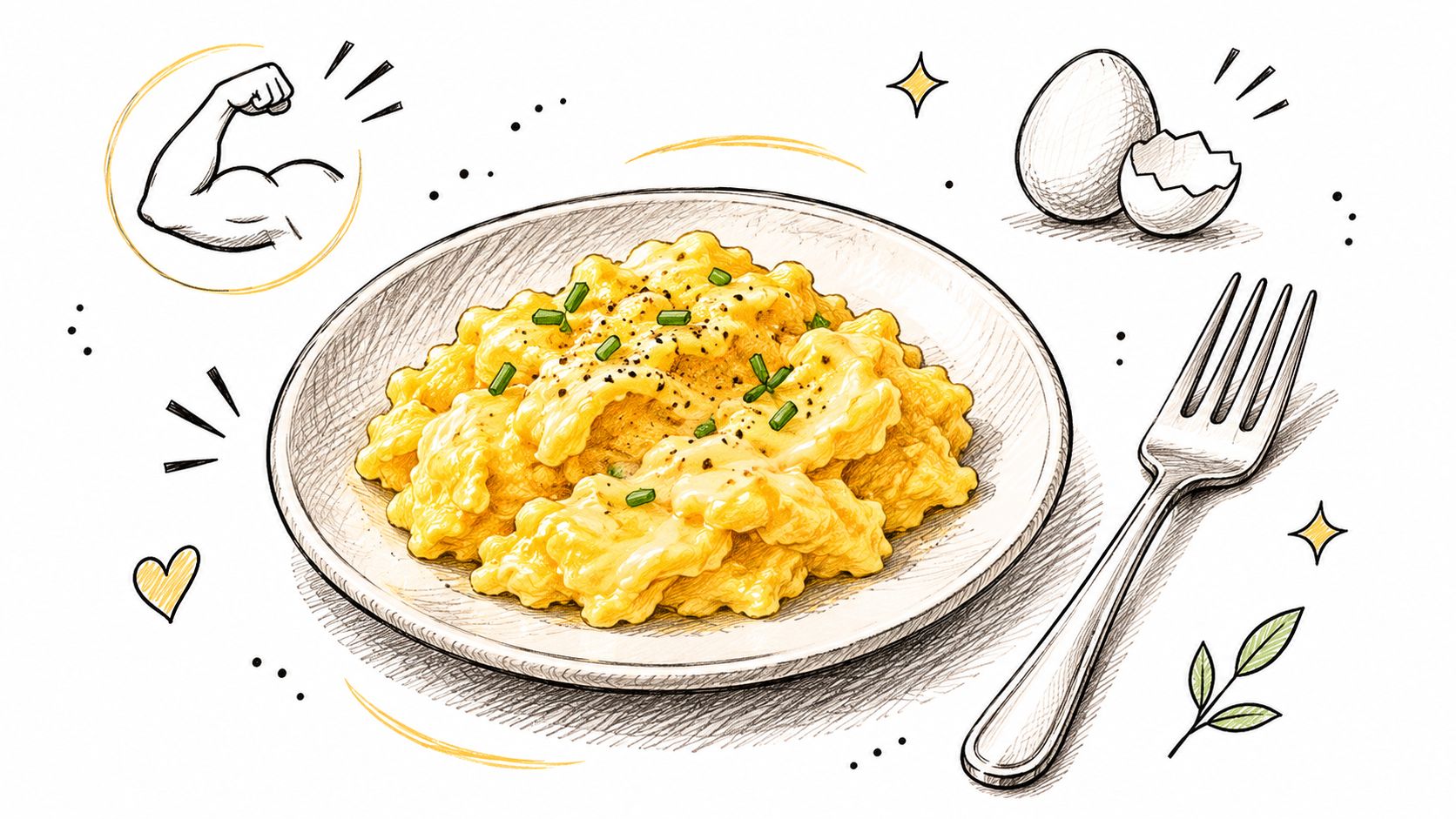
4. Scrambled Eggs and Soft-Boiled Eggs
Soft eggs can turn a snack-sized recovery diet into a more satisfying meal. The key is keeping them tender rather than browned, rubbery, or dry.
For scrambled eggs, use low heat and move them gently around the pan. Take them off the heat when they're set but still moist, rather than continuing until the surface develops a crust. Soft-boiled eggs are another option, but tender doesn't need to mean raw or undercooked, especially for anyone with additional food-safety concerns.
Build a Meal Without Hard Edges
Try moist scrambled eggs alongside smooth mashed potato for lunch. Break larger pieces apart with your fork, let the meal cool, and chew away from the most tender area when possible.
Leave out crisp bacon, sausage casing, crusty toast, and raw onion. Those additions can turn a soft meal into one that requires considerably more chewing.
Tender eggs are useful because they're easy to manage. There's no special egg preparation that makes sore gums heal immediately.
The American Dental Association's scaling and root planing guidance notes that soreness may last one to two days, while tooth sensitivity can last as long as one week. Choose preparation methods that match how your mouth feels rather than assuming every meal will be comfortable immediately.
If eggs feel dry, mash them into a moist accompaniment rather than forcing yourself to chew longer. Small changes in moisture and firmness often matter more than adding another ingredient.
5. Lukewarm Smoothies and Blended Soups
When chewing feels tiring, a smooth soup or non-acidic smoothie can be easier to manage than a plate of solid food. Think blended carrot soup, butternut squash soup, or a banana-and-yogurt smoothie without ice.
Temperature still matters. Let hot soup cool, and avoid making a smoothie so icy that it triggers a sharp response from sensitive teeth. A room-temperature or mildly cool drink may be more comfortable than a frozen blend.
Blend Thoroughly, Then Check for Particles
For lunch, blend cooked squash with mild broth until smooth, then pour it through a sieve if you notice fibers or pieces. For a snack, blend ripe banana with plain yogurt and enough liquid to make it easy to sip.
- Keep it mild: Skip chili oil, hot peppers, and strongly acidic additions if they sting.
- Remove small particles: Strain berry seeds and vegetable fibers rather than assuming the blender has eliminated them.
- Use a cup: It makes the texture and temperature easier to assess before taking more.
A straw restriction isn't automatically necessary after deep cleaning alone. The ADA's tooth-extraction instructions address a different recovery situation involving an extraction site, so follow surgical instructions if another procedure was performed.
Our guide to eating after dental implant surgery addresses that separate situation. Don't substitute general deep-cleaning advice for instructions related to an implant, extraction, or gum surgery.
A smoothie also doesn't have to replace every meal. Use it when convenient, then return to other comfortable foods as chewing improves.
6. Ripe Bananas, Avocado, and Applesauce
Check ripeness before choosing fruit. A banana that mashes easily with a fork is a better recovery choice than a firm banana that needs substantial chewing. Avocado should yield easily, and applesauce should be smooth rather than chunky.
These options are useful when you want something fresh-tasting without biting into a raw apple or crunchy vegetable. They can also soften other foods already on your plate.

Make a Gentle Snack From What You Have
Mash banana into yogurt, spoon plain applesauce alongside oatmeal, or spread mashed avocado over very soft scrambled eggs. If you prefer banana slices, peel the fruit and cut it thinly so you don't need to bite through a large piece.
- Choose unsweetened applesauce: Keep the preparation simple without syrupy additions.
- Season avocado gently: Try a little mild seasoning rather than lemon juice, lime juice, or chili.
- Check every bite: Remove firm avocado pieces or stringy banana fibers that feel awkward to manage.
If a food stings or requires painful chewing, change its texture or choose something else. You don't need to push through discomfort.
Soft fruit is a convenient component of a meal, not a requirement to eat only fruit throughout recovery. Pairing it with yogurt, eggs, or another comfortable food gives you more variety.
Keep watching how your mouth responds. A smooth food can still be unpleasant if it's too cold, too acidic, or served in a portion that's difficult to move around tender areas.
7. Flaky Baked Fish and Well-Cooked Pasta
Feeling ready for a more substantial dinner doesn't mean you need to jump straight to steak or crusty bread. Tender baked fish and soft pasta offer a useful middle step between spoonable foods and your usual meals.
Bake cod or salmon until cooked through and easy to separate with a fork. Remove skin and check carefully for bones, then serve the fish in small, moist flakes rather than a large piece you need to bite apart.
Keep the Sauce as Gentle as the Food
Cook pasta until it's soft rather than firm in the center. Choose a smooth, mild sauce instead of a spicy tomato sauce, and avoid toasted breadcrumbs, crisp cheese toppings, or fibrous vegetable pieces.
For a practical dinner, combine soft pasta with flaked fish and a little mild sauce. Take a small bite first; if chewing feels sore, return to something smoother rather than treating the meal as a test you have to pass.
The ADA's patient guide to scaling and root planing explains that periodontal tissues need approximately four weeks to show the optimal effects of nonsurgical treatment. That doesn't mean you need a soft diet throughout that period, but eating comfortably isn't the only measure of healing.
At Winn Smiles, periodontal maintenance visits include cleaning the teeth, checking progress, removing new plaque and tartar buildup, and reassessing home care. Those checks help us evaluate your recovery beyond what you can judge at dinner.
If pain, swelling, or bleeding persists or worsens, contact our Cleveland or Chattanooga team. Changing to softer pasta isn't a substitute for having an ongoing problem assessed.
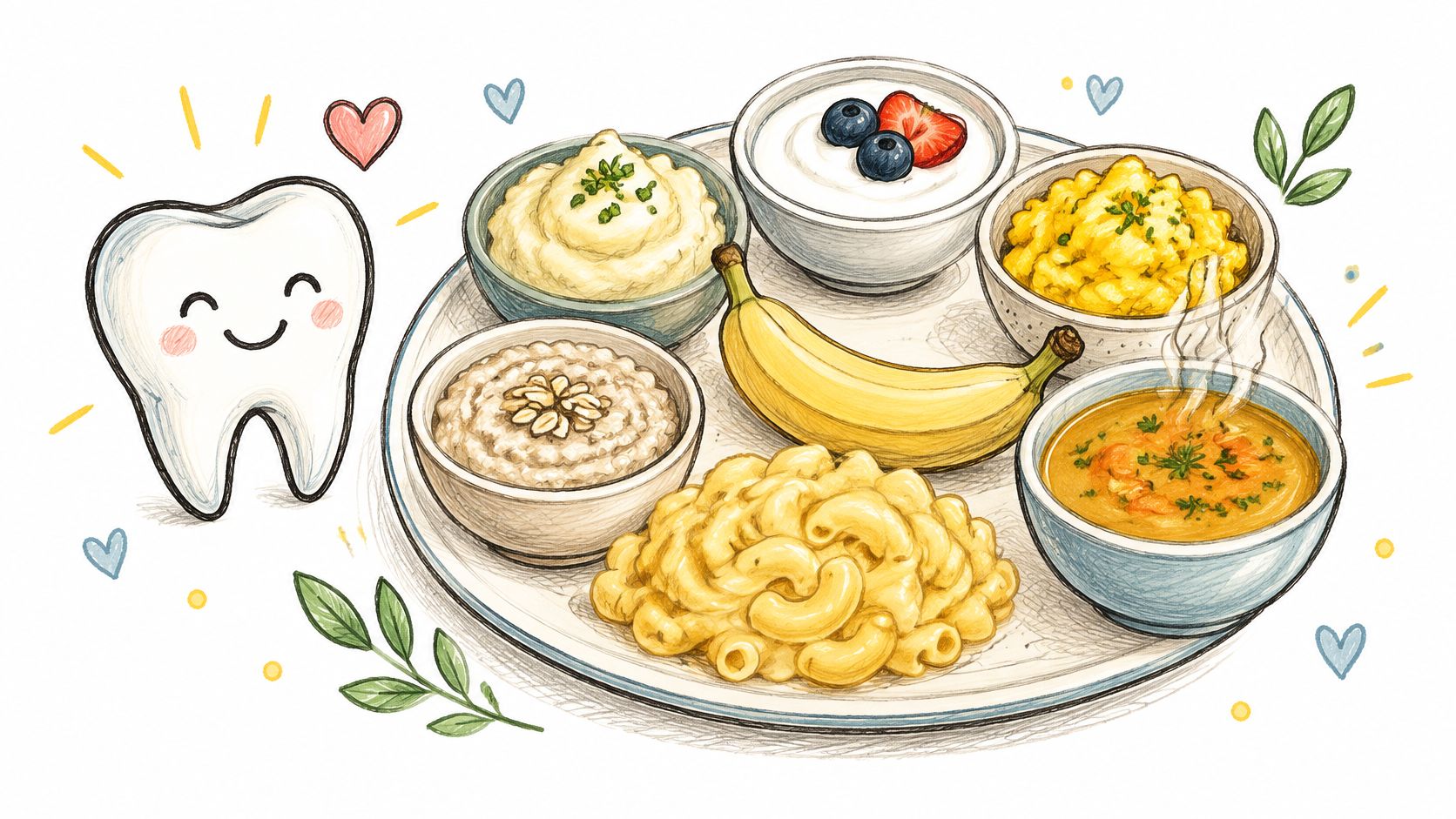
Soft Food Options Compared for Post-Deep-Cleaning Recovery
| Food | Texture | Best Temperature | Key Benefit | Watch Out For |
|---|---|---|---|---|
| Plain Greek Yogurt and Cottage Cheese | Smooth and spoonable | Cool | Protein supports tissue repair | Sweetened varieties and crunchy toppings |
| Mashed Potatoes and Mashed Sweet Potatoes | Very soft and smooth | Lukewarm | Filling source of energy; sweet potatoes also provide nutrients | Lumps, skins, or heavy seasoning |
| Warm Oatmeal and Cream of Wheat | Soft and porridge-like | Lukewarm | Provides fiber and sustained energy | Firm oats, hot cereal, and crunchy toppings |
| Scrambled Eggs and Soft-Boiled Eggs | Soft and moist | Slightly cooled | Protein supports tissue repair | Overcooked, rubbery eggs or hard toppings |
| Lukewarm Smoothies and Blended Soups | Smooth, with no chewing needed | Lukewarm or cool | Provides nutrients and hydration | Seeds, skins, ice chunks, or acidic ingredients |
| Ripe Bananas, Avocado, and Applesauce | Naturally soft or mashed | Cool or room temperature | Provides fiber, potassium, and healthy fats | Underripe or acidic fruit |
| Flaky Baked Fish and Well-Cooked Pasta | Tender and easy to flake | Warm, not hot | Provides protein, omega-3s, and energy | Fish bones, tough skin, or spicy sauces |
Set Up a Smooth Recovery and a Healthier Smile
The best recovery meal is one you can eat comfortably without irritating tender gums. Start with soft, lukewarm, low-acid foods, and gradually add firmer textures as chewing becomes easier. You don't need to stay on an unnecessarily restrictive diet once your mouth is comfortable.
For the first few days, keep your choices straightforward. A bowl of yogurt, loose oatmeal, smooth mashed potatoes, tender eggs, or blended soup can make eating manageable without elaborate preparation.
Your Practical Recovery Checklist
- Wait for sensation to return: Don't eat while your lips, cheeks, or tongue remain numb.
- Keep food comfortably warm: Avoid steaming drinks and ice-cold foods if they trigger sensitivity.
- Leave out irritating textures: Skip crunchy snacks, sticky sweets, and sharp crusts while gums are tender.
- Choose mild flavors: Set aside spicy dishes and acidic foods that sting.
- Sip water gently: Use a cup if that feels easiest, and avoid straws when your individual or surgical instructions require it.
- Keep cleaning gently: Follow your aftercare directions for brushing and cleaning between teeth.
Soft food doesn't replace plaque control or follow-up care. At a periodontal evaluation, our team measures gum pocket depths, assesses recession, checks for bleeding and inflammation, and takes dental X-rays to understand what treatment is needed.
The goal is more than getting through the next meal. Appropriate periodontal care helps manage gum disease, while ongoing home care and maintenance help protect the results.
Mild tenderness can be expected, but persistent or increasing pain, significant swelling, or bleeding that doesn't settle deserves a call. Don't keep narrowing your diet to avoid symptoms that need professional attention.
If you're searching for a dentist near me in Cleveland or Chattanooga, choose care that includes clear explanations and a plan you understand. Our team can review your symptoms, discuss your recovery, and help you take the next step toward healthier gums.
Winn Smiles offers periodontal care and personalized guidance to help you manage tenderness and eat comfortably after deep cleaning. Visit Winn Smiles to request an appointment in Cleveland or Chattanooga and discuss your gum health, aftercare questions, or lingering sensitivity with our team.